

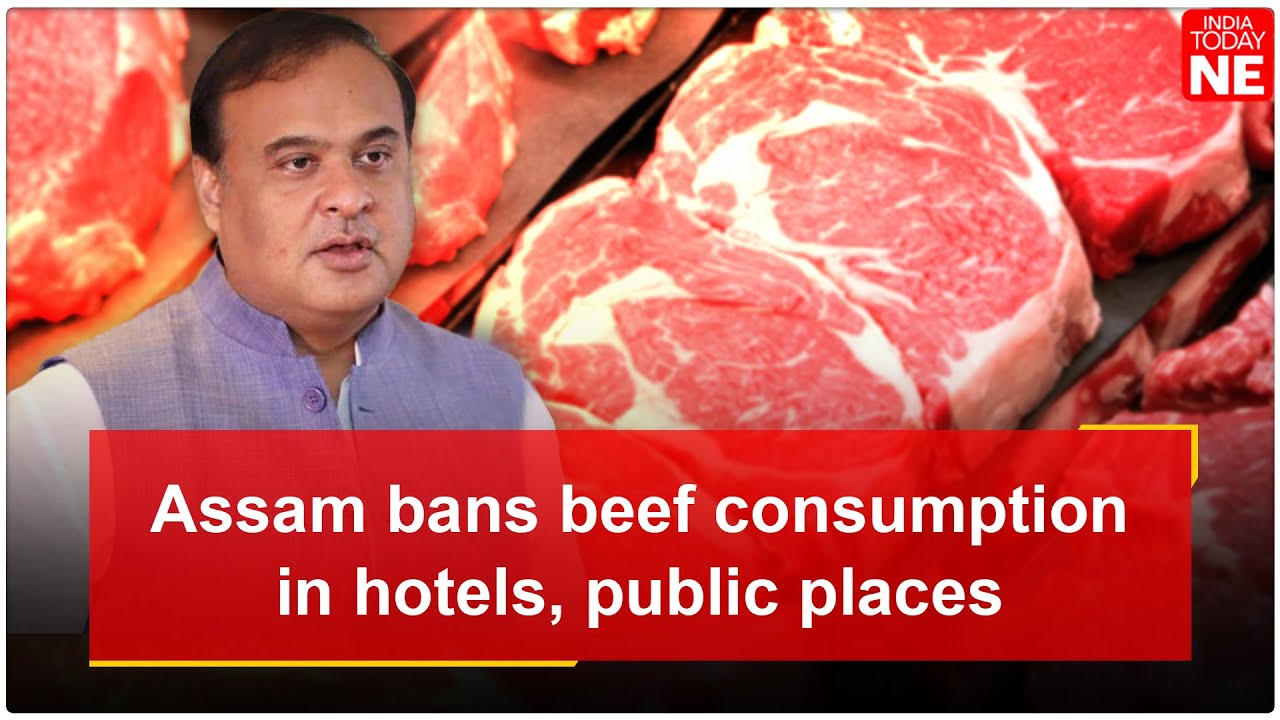
Assam beef consumption has become a controversial topic in the political landscape of the state, especially as it intertwines with the ongoing Guwahati elections. As Chief Minister Himanta Biswa Sarma addresses voters, he has strategically highlighted the beef eating habits of certain political figures, including Kunki Chowdhury, the Congress Assam ally candidate from Assam Jatiya Parishad (AJP). This issue is not only a matter of personal choices but also polarizes community sentiments and influences voter behavior. Amidst the backdrop of Assam politics, the debate surrounding beef consumption gains prominence, reflecting deeper cultural and social dynamics. As the elections approach, the rhetoric surrounding beef becomes emblematic of the larger ideological battle in Assam, pitting traditional values against modern political narratives.
In recent discussions, the dietary practices prevalent in Assam, particularly the consumption of beef, have emerged as a focal point of political contention. The electoral climate in Guwahati has intensified with candidates like Kunki Chowdhury facing scrutiny over personal and familial dietary choices, which are being leveraged by opponents. The ongoing debates reflect not just culinary preferences but also the cultural identities that shape Assamese society. With influential figures like Himanta Biswa Sarma making statements on this issue, the consumption of beef resonates with broader themes of identity and governance within the region. As voters weigh their options, such issues are likely to resonate profoundly in the minds of constituents, influencing their electoral decisions.
The Role of Assam Beef Consumption in Politics
Beef consumption has long been a contentious issue in Assam, a state where culinary traditions often intersect with cultural and political narratives. During recent political discussions, Chief Minister Himanta Biswa Sarma highlighted the topic as a strategic move to rally support against the Congress party’s candidate in the Guwahati Central seat, Kunki Chowdhury. Sarma’s allegations about Chowdhury’s family consuming beef serve not just as a critique of her personal choices but as a broader commentary on the values that resonate with Assamese voters. This intertwining of personal food choices and political identity underscores the complex tapestry of Assam’s sociopolitical landscape.
Such discussions often extend beyond mere dietary preferences to issues of identity, tradition, and governance in Assam. The fierce debate surrounding beef consumption lays bare the divisions between various political ideologies, such as those represented by Himanta Biswa Sarma and the Assam Jatiya Parishad (AJP). While Sarma’s Bharatiya Janata Party (BJP) has often taken a hardline stance against beef consumption in an attempt to align with Hindu sentiments, the AJP seeks to resonate with a more diverse electorate that includes various cultural practices. This dynamic fuels the campaigns leading up to the Guwahati elections, as candidates navigate the intricate relationship between food, culture, and political allegiance.
Guwahati Elections and Strategic Campaigning
The Guwahati elections have become a battleground for not just party representation but for competing ideologies within Assam politics. Each candidate’s campaign strategy is heavily influenced by both local and state-level politics, with issues such as beef consumption emerging as a pivotal point of contention. Candidates like Himanta Biswa Sarma strategically utilize social media to amplify their messages and mobilize public sentiment. By focusing on culturally sensitive issues, the BJP aims to consolidate votes among communities that prioritize traditional values and practices.
Moreover, the involvement of allies and rival parties complicates the political tapestry of the Guwahati elections. With the Congress party aligned with the AJP, figures like Kunki Chowdhury are in a position where they must navigate criticisms that stem from both their personal and familial backgrounds. As the elections draw near, the rhetoric around beef consumption, including accusations and counter-arguments, will likely intensify, showcasing how food practices are not only cultural markers but also political weapons in the fight for power in Assam.
The Influence of Himanta Biswa Sarma’s Leadership
Himanta Biswa Sarma, as the Chief Minister of Assam, exerts significant influence over the state’s political landscape, particularly in the context of the Guwahati elections. His approach to issues like beef consumption reflects a broader strategy to galvanize supporters who align with the BJP’s cultural and political ethos. By leveraging personal narratives of political opponents, such as the beef consumption allegations against Kunki Chowdhury, Sarma aims to frame the narrative in a manner that positions him as a defender of Assamese culture and values. This tactic resonates deeply with voters, especially in a region where food and identity are closely linked.
Sarma’s leadership style often invokes strong emotional responses, which can be seen in his campaign speeches and public appearances. The framing of beef consumption as a political issue not only engages voters on a visceral level but also reinforces his party’s image as protector of cultural integrity in Assam. As he leads the BJP’s campaign, the juxtaposition of his messages against the backdrop of the Congress and AJP’s positions will shape the dynamics of the electoral battle, demonstrating how tightly woven food practices and personal identities are with political ambitions in Assam.
Congress Assam’s Response to Beef Consumption Allegations
In the wake of Himanta Biswa Sarma’s allegations regarding beef consumption, the Congress party, particularly candidate Kunki Chowdhury, faces the delicate task of responding to the charged narrative. The political environment in Assam is exacerbated by cultural nuances, and addressing such allegations requires both defense and connection with constituents who may vary widely in their dietary choices and religious affiliations. The party’s strategy must convey support for personal freedoms while simultaneously combating the implications that Sarma’s accusations suggest about Chowdhury’s allegiance to Assamese cultural values.
Furthermore, the Congress party must demonstrate its commitment to Assamese culture while also appealing to more progressive voters who may see beef consumption as a personal choice rather than a political fault line. By focusing on broader issues impacting voters—like jobs, infrastructure, and education—while responding to the beef controversy, the Congress can fortify its position in the Guwahati elections. Balancing these narratives will be crucial as the campaign unfolds, influencing public perception and potentially swaying undecided voters in this hotly contested election.
Cultural Significance of Food in Assam Politics
Food is an integral part of the cultural heritage of Assam, serving as a bridge between tradition and modernity, particularly in political discourse. In Assam, particularly in the context of the Guwahati elections, beef consumption has emerged as a flashpoint for broader discussions about identity, heritage, and political affiliation. The cultural significance of food goes beyond nutrition; it encapsulates communal ties and historical narratives that shape voters’ identities. Inasmuch as food becomes a political tool, it fosters a deeper relationship between voters and their representatives.
As political candidates navigate their platforms, the issues surrounding food consumption, particularly beef, reflect their alignment with or against traditional values. Himanta Biswa Sarma’s focus on accusations involving opponents’ dietary habits amplifies how cultural contexts are exploited in the realm of Assam politics. For many voters, the act of consuming certain foods is intertwined with personal identity, making these discussions not merely about consumption but about the ethos of Assamese life itself. In evolving political landscapes, understanding the cultural significance of such practices will be key for any party wishing to resonate with the local populace.
Political Campaigns and Social Media in Assam
In today’s digital age, social media has become a powerful tool for political campaigning, particularly in regions like Assam. As candidates gear up for the Guwahati elections, platforms such as Twitter, Facebook, and Instagram amplify their political messages and highlight contentious issues such as beef consumption. Himanta Biswa Sarma’s campaign adeptly uses these channels to project images and narratives that connect with voters, often invoking emotional responses that traditional campaigning might not elicit. This approach enables his party to create a distinct narrative around issues that resonate with cultural sentiments in Assam.
Moreover, social media serves as an arena for direct engagement with the electorate, allowing for real-time feedback and mobilization efforts. As political campaigns unfold, the discussion around beef consumption ignites passionate debates among the electorate, drawing attention to various stances held by candidates. As political opponents engage in discourse over social media, the implications of what’s shared can significantly influence public perception and sway voters’ intentions. In the context of the Guwahati elections, understanding the interplay between social media and cultural issues will be critical for shaping electoral outcomes.
The Impact of Election Outcomes on Assam’s Future
The outcomes of the Guwahati elections carry significant implications for Assam’s socio-political climate, particularly concerning issues like beef consumption and identity politics. A victory for Himanta Biswa Sarma and the BJP could solidify the current narrative around cultural conservatism, potentially impacting policies that affect food consumption and traditions within the state. Such developments may either reinforce a sense of cultural identity among the populace or evoke pushback from communities advocating for more progressive social views. As Assam grapples with the complexities of modern governance, the results of the elections will play a crucial role in shaping the state’s trajectory.
On the other hand, should the Congress and its allies, such as the AJP, secure significant wins, it may usher in a period of greater dialogue around the multifaceted identities present in Assam. Candidates like Kunki Chowdhury could gain platforms to advocate for inclusiveness in cultural practices, including dietary choices, potentially reshaping the public’s understanding of Assamese identity. The implications of these elections extend beyond immediate political outcomes, serving as a barometer for the state’s evolving relationship with its culture, food practices, and overarching identity as Assam navigates its future.
Navigating Identity and Dietary Choices in Assam
In Assam, identity and dietary choices are intricately linked, influenced by cultural heritage, religious beliefs, and political discourse. The conversations surrounding beef consumption echo deeply in the Assamese societal fabric, reflecting not only individual preferences but broader community values and norms. As seen in the recent elections, when candidates like Himanta Biswa Sarma engage in discourse about dietary habits, it becomes evident how food practices are employed to define or critique political identities. Understanding the nexus between consumption and identity is crucial for both voters and candidates as they navigate the complex landscape of Assam politics.
Moreover, the implications of dietary choices stretch beyond individual consumption into the realms of morality and community belonging. For many in Assam, choosing to consume or abstain from certain foods can signify alignment with particular political movements or cultural standings. As political debates intensify in the lead-up to elections, this aspect of identity becomes a powerful rallying point for candidates looking to connect authentically with their constituents. The intertwining of personal choices with political agendas emphasizes the importance of understanding how food, culture, and identity shape the future of Assam’s diverse society.
Frequently Asked Questions
Why is beef consumption a significant issue in Assam politics during the Guwahati elections?
Beef consumption has become a contentious topic in Assam politics, especially highlighted in the recent Guwahati elections. Chief Minister Himanta Biswa Sarma brought attention to this issue while campaigning against AJP candidate Kunki Chowdhury, suggesting that her family’s beef consumption reflects on her political stance. This reflects broader cultural and political debates within Assam, particularly regarding identity and the acceptance of diverse dietary practices.
| Key Point | Details |
|---|---|
| Political Context | Assam CM Himanta Biswa Sarma brought up beef consumption during his election campaign. |
| Allegations Against Opponent | Sarma accused Kunki Chowdhury’s parents of consuming beef and sharing it on social media. |
| Political Dynamics | Sarma stated that if Chowdhury disassociates from her parents’ actions, he will support her. |
Summary
Assam beef consumption has become a significant topic in the political discourse of the state, especially highlighted during recent election campaigns. The Chief Minister’s statement not only addressed the cultural nuances surrounding beef consumption in Assam but also tied these issues into political narratives, showcasing how personal beliefs and family backgrounds can influence political opposition. This controversy underscores the complex relationship between food practices and political identities in Assam, emphasizing the need for sensitivity and understanding in public discussions.



























