

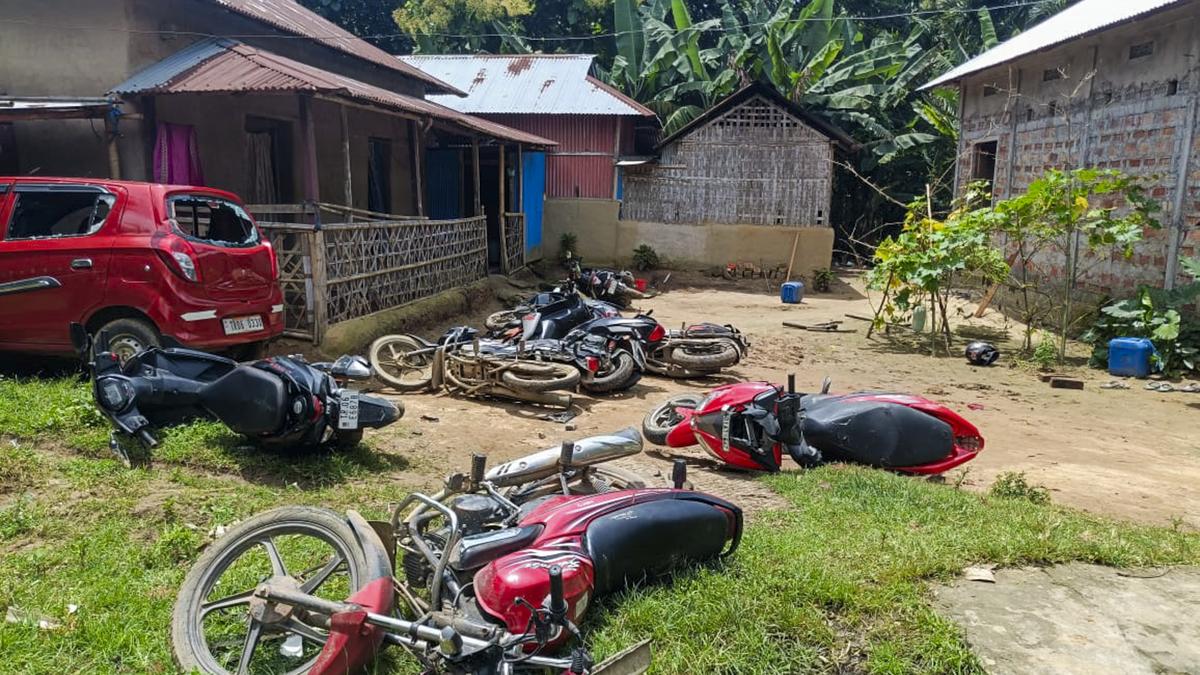
In a shocking incident in Tripura, eight BJP workers were injured following an alleged attack by supporters of the Tipra Motha party in Sepahijala district. This violent confrontation, linked to the ongoing political tensions in the region, occurred at Bubhiram Chowdhury Para where the BJP workers were assessing damage to a party booth office previously set ablaze. The clash, described as an act of political violence, has raised questions about safety and political morality in the state. Local MLA Kishor Barman condemned the incident, suggesting that the violence was motivated by fear of political defeat as the elections draw nearer. Such shocking events, including the BJP-Tipra Motha clash, shed light on the escalating animosities that jeopardize the calm of Tripura’s political landscape and raise concerns about future electoral integrity.
Recently, Tripura has witnessed a surge in political unrest, raising alarms about the safety of party workers and the challenges of maintaining peace in this region. The incident involving BJP supporters being attacked by alleged Tipra Motha affiliates reflects the broader issue of political unrest in Tripura. As disagreements continue to spiral into violence, the ongoing clashes serve as a stark reminder of the volatile environment that has engulfed local political factions. Reports indicate a pattern of political violence that not only endangers party workers but also disrupts the community’s stability. In light of these events, the commentary by local leaders, such as Kishor Barman, highlights the critical need for accountability and transparency within political organizations to resolve these disputes and foster a peaceful atmosphere.
BJP Workers Injured in Tripura: A Rising Concern Amid Political Violence
In recent events that have shaken the calm of Tripura’s political landscape, eight BJP workers were injured in an alleged attack by supporters of the Tipra Motha party. This incident occurred in Sepahijala district, specifically at Bubhiram Chowdhury Para, where the victims had gathered to inspect the charred remains of their temporary party booth office set ablaze the previous night. The sudden eruption of violence underscores the growing tensions between the BJP and Tipra Motha, bringing to light issues of political safety and the ramifications of political dissent within the region.
Minister Kishor Barman condemned the assault, attributing it to a sense of desperation from the opposing political faction. The injured were promptly taken to local hospitals, some requiring advanced medical attention for serious injuries. This incident not only raises severe concerns about the safety of political workers but also highlights the alarming trend of escalating political violence in Tripura. It reflects a wider pattern of aggression that has been noted in recent months, where retaliatory strikes and confrontations have increased among competing parties in the region.
The Tipra Motha Attack: Impacts on Local Politics and Public Trust
The Tipra Motha attack is a stark reminder of the turbulent political environment in Tripura, particularly as different factions vie for control and influence. As highlighted by Minister Barman, the incident represents a continuation of political violence that has plagued the region, reminiscent of past confrontations driven by rival parties, particularly the CPI(M). The implications of such violence extend beyond immediate physical harm; they affect public perception, trust in local governance, and ultimately, the democratic process in Tripura.
Moreover, the presence of political violence can deter citizen engagement and participation in the electoral process. As community members witness increasing hostility, there is a genuine concern that they may retreat from expressing their political affiliations. This entrenched fear likely moves voters away from exercising their democratic rights, hindering the development of a vibrant political landscape in which differing views can coexist peacefully. The importance of addressing these trends cannot be overstated, as the region stands at a crossroads, needing to navigate the complexities of political rivalries while fostering an environment of mutual respect and safety.
Minister Kishor Barman’s Response: A Call for Accountability Amid Rising Tensions
Following the attack on BJP workers, Minister Kishor Barman’s statements reflect a profound concern for the safety and integrity of community politics in Tripura. He articulated the need for a return to civility in political discourse, highlighting that the fear of losing elections should not manifest in violence against one’s opponents. His account reveals an underlying frustration with the Tipra Motha leadership and their alleged role in perpetuating political violence, drawing comparisons with historical aggressions linked to the CPI(M) era.
Barman’s emphasis on accountability within the Tipra Motha administration raises pertinent questions about governance and the transparency of financial resources in development projects. By asserting the need for clearer oversight of funds allocated to the TTAADC administration, he aims to foster a culture of accountability that transcends party lines. Engaging in such critical discussions can pave the way for more productive political engagements where dialogue replaces conflict, ultimately fostering a more stable and peaceful Tripura.
Political Clashes in Tripura: The Road Ahead for BJP and Tipra Motha
The clash between BJP and Tipra Motha supporters indicates a growing divide in Tripura’s political landscape, with instances of violence creating a concerning precedent. As observed, this escalation raises significant concerns not only for the parties involved but for the safety and rights of the electorate as well. The interaction between these two factions serves as a reflection of the larger political discourse in the state, indicating potential challenges ahead as they navigate their competitive agendas.
Moving forward, both parties must critically evaluate their approaches to engaging with their constituents while also respecting political freedoms. Implementing protocols that ensure political debates transpire without violence is essential for encouraging a robust democratic process. Furthermore, encouraging cooperation on shared goals, such as community development and social welfare, could help bridge the divisions, fostering a more harmonious political environment in Tripura for future elections.
The Role of Media in Reporting Political Violence in Tripura
Media coverage significantly influences public perception and can play a crucial role in either escalating tensions or promoting dialogue in politically charged environments such as Tripura. The portrayal of events following the attack on BJP workers not only informs the populace but also holds political actors accountable for their actions. Ethical reporting that emphasizes factual representation and context can help foster understanding and potentially mitigate conflict by highlighting the consequences of political violence.
Moreover, the media serves as a watchdog, shedding light on issues of public safety and accountability, which are paramount in turbulent political climates. By dissecting statements made by political leaders, such as Minister Kishor Barman, media can provide clarity on complex political narratives, shaping public opinion in a manner that prioritizes truth and constructive dialogue over sensationalism and division. The responsibility lies with both journalists and political figures to cultivate a balanced narrative that encourages peaceful discourse and community engagement.
Grassroots Response to Political Violence in Tripura
In light of the recent violence against BJP workers, grassroots responses are crucial for addressing local grievances and restoring trust within communities. Organizations and community leaders can play a transformative role by facilitating conversations among political factions and advocating for peaceful resolutions to conflicts. Conversations at the community level can foster unity and understanding, breaking the cycle of violence that threatens to engulf democratic processes.
Moreover, mobilizing grassroots efforts to engage citizens in discussions about their rights and political expression can empower them to voice their concerns without resorting to aggression. By championing peaceful activism and emphasizing the importance of secure political environments, local leaders can redirect focus from violence to constructive political engagement, precipitating a cycle of accountability and civic participation that uplifts the entire community.
The Importance of Political Dialogue in Tripura
Political dialogue is paramount in mitigating the tensions that have escalated into violence in Tripura. Engaging in open conversations among party leaders, activists, and constituents can unveil the motivations and fears that drive individuals towards extremism. Such dialogues foster an environment where grievances can be aired constructively, allowing parties to navigate their differences rather than allowing them to manifest in harmful confrontations.
Furthermore, nurturing a culture of dialogue encourages the exploration of collaborative solutions to pressing community issues, such as development and resource allocation. As stakeholders come together to discuss their objectives and aspirations, politicians can cultivate shared visions that transcend divisive narratives, creating pathways toward cooperative governance. This collaborative approach not only strengthens local democracy but also contributes to a larger understanding of the role each party plays in ensuring the welfare of the people they represent.
Future Implications of BJP and Tipra Motha Rivalry in Tripura
The rivalry between BJP and Tipra Motha holds significant future implications for the political landscape of Tripura. As both parties adapt to the evolving sentiments of their constituents, the nature of their interactions will shape the state’s political identity for generations. If this trend of violence continues unchecked, there is a risk of deepening divides that could jeopardize democratic processes and hinder social progress.
Conversely, if both parties commit to reducing hostility and engaging in constructive competition, they have the potential to spark a renaissance in Tripura politics. By focusing on inclusive policies and community welfare, they can create an environment conducive to growth, stability, and democratization, ensuring that the future of Tripura reflects the will and aspirations of all its citizens.
Political Expectations for the Upcoming Elections in Tripura
As Tripura approaches its upcoming elections, the expectations among the electorate are high, particularly in light of the recent political violence that has marred the trust in local governance. Voters are increasingly calling for transparency and accountability from all political factions, emphasizing the need for genuine dialogue to address the issues critical to their communities. This demand reflects a desire for a departure from a culture of violence towards a more peaceful political contention where issues are debated on their merits rather than through force.
Candidates must acknowledge these sentiments and prioritize peaceful engagement with their constituents. By focusing on issues such as economic development, healthcare, and education, parties can redirect the conversation from violence back to the political discourse that genuinely serves the populace. Ultimately, the responsibility lies with the political elite to temper their rhetoric and actions, demonstrating to the people of Tripura that democracy thrives on dialogue and not discord.
Frequently Asked Questions
What happened to the BJP workers in Tripura during the alleged Tipra Motha attack?
On Sunday, eight BJP workers were injured in an unprovoked attack by supporters of the Tipra Motha party in Bubhiram Chowdhury Para, located in Tripura’s Sepahijala district. The BJP party workers were at the site to inspect a temporary party booth office, which had been set on fire the night before. Local MLA Kishor Barman was present at the site earlier that day, and after his departure, armed assailants attacked the BJP supporters, resulting in several injuries, including one local ST Morcha leader who suffered a fractured arm.
| Aspect | Details |
|---|---|
| Incident | Eight BJP workers injured in an alleged attack by supporters of the Tipra Motha party in Sepahijala district. |
| Location | Bubhiram Chowdhury Para, Nalchar Assembly constituency, Tripura |
| Date | Sunday, [specific date not provided] |
| Cause of Injury | Unprovoked attack while inspecting the site of a previous arson incident involving a party booth office. |
| Minister’s Response | Local MLA and Minister Kishor Barman assessed the situation, encouraged rebuilding, and visited injured workers in the hospital. |
| Victims’ Condition | Injured workers received treatment at local hospitals, with serious cases referred to GB Pant Hospital in Agartala. |
| Political Comments | Barman criticized Tipra Motha for resorting to violence out of fear of electoral defeat. He also called for accountability regarding funds in TTAADC administration. |
Summary
BJP workers injured in Tripura highlight the alarming increase in political violence within the region. On Sunday, eight BJP party workers faced unprovoked aggression from supporters of the Tipra Motha party, signaling a worrying trend of conflict as political tensions rise. This brutal attack, which occurred while the workers were assessing damage from a previous incident, underscores the escalating volatility in the state’s political landscape. Minister Kishor Barman’s prompt response to the scene and subsequent visit to the injured reflects a commitment to supporting his party members amidst such threats. Barman’s remarks not only condemn the violence but also demand accountability for the financial mismanagement alleged against the Tipra Motha party, indicating that the struggle extends beyond physical safety to political integrity and responsibility. As the situation unfolds, this incident serves as a poignant reminder of the fragility of peace in politically charged environments, calling for greater dialogue and resolution among rival factions.



























