

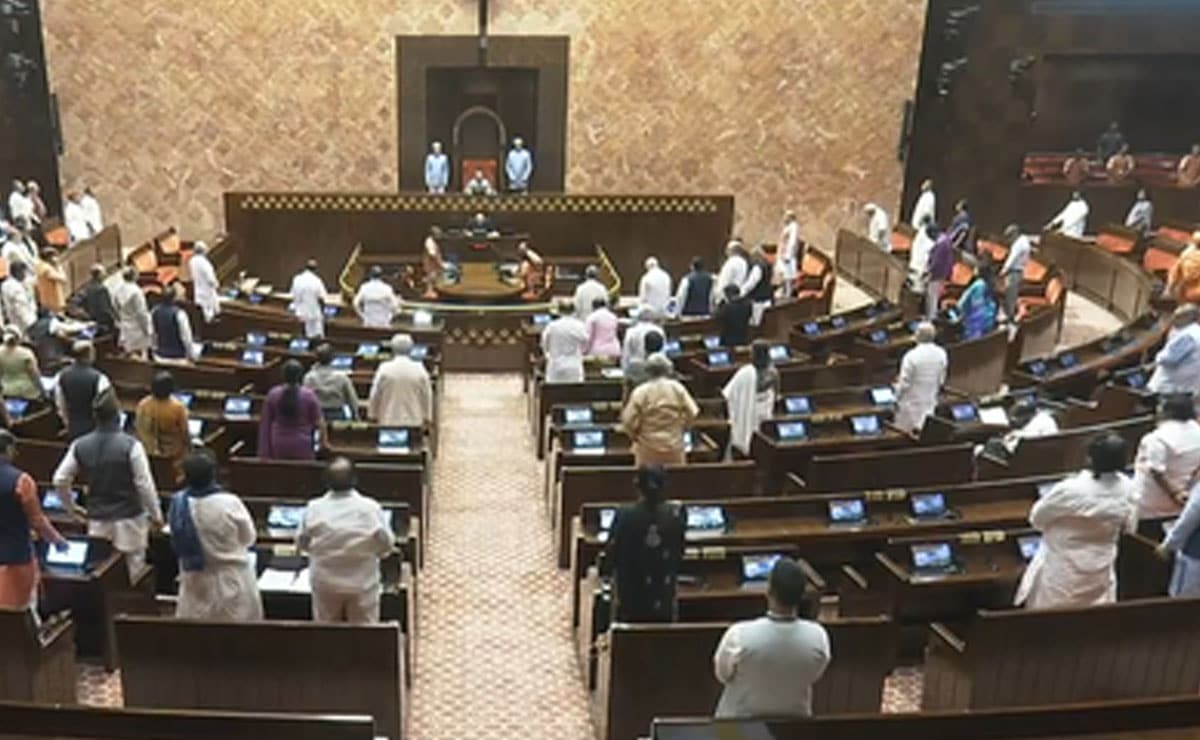
The recent Gyanesh Kumar impeachment motion has sparked significant controversy among political circles, following the Rajya Sabha chairman’s surprising rejection of the motion against the Chief Election Commissioner. This decision comes at a time when opposition parties, particularly the Trinamool Congress led by Mamata Banerjee, have intensified their criticism regarding the electoral processes, including the Special Intensive Revision (SIR). Concerns over the integrity of the recent assembly elections have led to widespread protests, with key figures like Rahul Gandhi vocalizing accusations of voter fraud. The implications of the Rajya Sabha rejection mean that Gyanesh Kumar remains in his position amidst a tumult of scrutiny from various factions. As discussions evolve, it’s essential to assess the ramifications of this political maneuvering on the Election Commission and its credibility in conducting fair elections.
The impeachment motion aimed against Gyanesh Kumar, the Chief Election Commissioner, has unveiled a battleground for political adversaries. Key political figures and opposition factions are questioning the electoral reforms implemented during the recent assembly elections. The rejection from the Rajya Sabha chairman adds another layer of complexity to the criticism faced by the Election Commission, as parties voice their discontent over perceived election irregularities. Amid calls for accountability and transparency, the fallout from Mamata Banerjee’s leadership in the protests against the SIR process becomes increasingly pronounced. The ongoing discourse reflects broader concerns about electoral integrity in India, intertwining party politics with citizen trust in democratic institutions.
Rejection of Gyanesh Kumar Impeachment Motion: A Closer Look
The recent rejection of the impeachment motion against Chief Election Commissioner Gyanesh Kumar by the Rajya Sabha chairman, CP Radhakrishnan, has ignited a wave of reactions across the political spectrum. This decision comes in the wake of intensified allegations made by various opposition parties, particularly the Trinamool Congress, which have raised concerns over the conduct of the Special Intensive Revision (SIR) process during the recent assembly elections. The implications of this ruling are significant as it underscores the ongoing tensions between election oversight bodies and political contenders who claim electoral malpractice.
In the world of Indian politics, the role of the Chief Election Commissioner is critical, especially when it comes to maintaining the integrity of elections. The rejection of the impeachment motion could signal a lack of consensus among political factions about the alleged shortcomings of Gyanesh Kumar’s leadership. Detractors, including key opposition figures like Rahul Gandhi, have mobilized campaigns to showcase supposed electoral discrepancies, bringing further scrutiny to the actions of the Election Commission. This context highlights not only the contentious nature of the current political landscape but also the pressures exerted on electoral bodies in India.
Political Fallout from the Rajya Sabha’s Decision
The political fallout from the Rajya Sabha’s decision to reject the impeachment motion against Gyanesh Kumar is likely to reverberate throughout the corridors of power in India. As various opposition parties, buoyed by the backing of influential leaders like Mamata Banerjee, ramp up their protests, the credibility of the Chief Election Commissioner hangs in the balance. The implications of such protests often extend beyond immediate accountability issues and can lead to widespread public disillusionment with electoral processes, thereby impacting voter confidence during future elections.
This rejection statement signals a remarkable moment in India’s democratic framework, where the integrity of electoral processes is under continuous scrutiny. With opposition parties stirring public sentiment against the Election Commission, there is a potential risk for greater unrest if ongoing criticisms and calls for reform are not addressed. The context is charged, as the CEC’s actions—or inactions—during the assembly elections come into focus, leading analysts and citizens alike to ponder the future direction of electoral governance in India.
Opposition’s Response to Gyanesh Kumar’s Leadership
The opposition’s response to Gyanesh Kumar’s leadership as Chief Election Commissioner has illustrated the profound divisions within Indian politics. Since the announcement of the Special Intensive Revision (SIR), opposition parties have voiced their concerns regarding alleged electoral misconduct, claiming a lack of transparency in the process. Protests led by prominent figures such as Mamata Banerjee highlight the urgency felt by these parties to challenge the perceived failures in election management, calling for reform and accountability within the Election Commission.
This scrutiny has not only affected Gyanesh Kumar’s reputation but has also raised broader questions about the independence and functionality of the Election Commission. With the capability to shape the electoral narrative, the opposition’s engagement with the public highlights their strategic maneuvers to leverage dissatisfaction against Gyanesh Kumar. Their unified stance against the CEC, underpinned by movements such as them rallying for reforms, suggests that the leadership within the Election Commission is under considerable pressure to respond to these critiques.
Election Commission’s Autonomy in Question
The rejection of the impeachment motion against Gyanesh Kumar effectively raises questions about the autonomy of the Election Commission amidst political turbulence. With multiple allegations flung by opposition forces, the situation indicates a precarious balance between political accountability and the independence expected from such pivotal institutions. The role of the Election Commission, especially during critical electoral periods, is to maintain a neutral stance, yet circumstances surrounding Gyanesh Kumar’s leadership have spotlighted potential biases that could undermine public trust.
Political analysts are increasingly focused on the implications of this scenario, as the Election Commission faces protests and criticisms regarding its decision-making processes. The unyielding opposition to Gyanesh Kumar’s tenure not only complicates the Commission’s operational landscape but also signifies a shift in the dynamics between political entities and electoral authorities in India. As the aftermath of the Rajya Sabha’s decision unfolds, all eyes will be on how the Election Commission navigates this charged environment to retain credibility and uphold its mandate during future electoral challenges.
Impact of Mamata Banerjee’s Criticism on Election Processes
Mamata Banerjee’s vocal criticism of Gyanesh Kumar has emerged as a catalyst for broader discourse around election integrity and transparency in India. As the Chief Minister of West Bengal, her strong stance against the Special Intensive Revision process reflects her commitment to uphold democratic principles and protect voter rights. This criticism, positioned within the wider context of the political landscape, draws attention to the systemic issues that could influence the governance of elections, calling for substantial reforms within the Election Commission.
Moreover, Banerjee’s leadership in protests against the Chief Election Commissioner underscores a clear political strategy to mobilize public sentiment against perceived injustices in the electoral process. The pushback from opposition parties, sparked by her criticisms, signifies an essential moment where the electorate’s faith in democratic institutions is both challenged and defended. As the situation progresses, her assertive approach could either galvanize a significant movement for reform or lead to further polarization within the political realm, making this a pivotal time for India’s electoral future.
The Role of Opposition Parties in Shaping Electoral Discourse
Opposition parties play a crucial role in shaping the discourse surrounding electoral fairness, and their actions regarding Gyanesh Kumar’s tenure as Chief Election Commissioner illustrate this dynamic vividly. Through campaigns such as Rahul Gandhi’s ‘vote chori’ initiative, these parties harness public dissatisfaction to spotlight perceived irregularities in the electoral process. Their engagements provoke critical discussions about the operational legitimacy of the Election Commission, indicating how political rivalry can often intertwine with the fundamental tenets of democracy.
The dialogues initiated by opposition parties emphasize their responsibility not only to contest elections but also to safeguard the integrity of electoral systems. As they rally against Gyanesh Kumar’s leadership, the overarching aim is to ensure a transparent electoral process that can withstand scrutiny and maintain the public’s trust. Going forward, the effectiveness of these parties in articulating their concerns directly correlates to how the electorate perceives the fairness of upcoming elections, shaping the political environment in profound ways.
Analyzing the Election Commission’s Public Image
The public image of the Election Commission, especially under the leadership of Chief Election Commissioner Gyanesh Kumar, is currently under intense scrutiny post Rajya Sabha’s rejection of the impeachment motion. With multiple allegations surfacing regarding the SIR and overall election management, the public’s trust in this essential democratic body hangs in the balance. As accusations continue from various opposition figures, the Election Commission faces the daunting task of countering these narratives to restore its credibility.
Gyanesh Kumar’s capacity to navigate through this turbulent period will largely determine not just his legacy, but the future trajectory of public trust in electoral oversight bodies. The ongoing criticisms, punctuated by frequent protests and media coverage, present a critical moment for the Election Commission to reinforce its commitment to impartiality and transparency. As the political landscape evolves, an effective communication strategy will be vital in mitigating adverse perceptions and bolstering the Commission’s role in safeguarding democracy.
Future Challenges for the Election Commission
In the wake of the Rajya Sabha chairman’s decision to reject the impeachment motion against Gyanesh Kumar, the Election Commission faces multifaceted challenges that could significantly impact its operational capacity. As opposition parties heighten their campaigns against perceived electoral irregularities, ensuring fair and transparent elections will be paramount for the Commission moving forward. This includes refining processes like the Special Intensive Revision to build public confidence and address grievances effectively.
Moreover, the ongoing dialogue surrounding the autonomy of the Election Commission emphasizes the necessity for reform and adaptation within the institution. With critics urging for changes in the electoral oversight framework, the Commission must balance political pressures with its mandate to enforce electoral laws impartially. The road ahead is fraught with challenges, yet it also presents an opportunity for the Election Commission to reinforce its foundations and adapt to an increasingly scrutinized electoral environment.
Frequently Asked Questions
What led to the rejection of the impeachment motion against Gyanesh Kumar by the Rajya Sabha?
The impeachment motion against Chief Election Commissioner Gyanesh Kumar was rejected by the Rajya Sabha chairman CP Radhakrishnan due to a lack of sufficient grounds presented by the opposition parties. Critics, including Mamata Banerjee and others, have raised concerns about Kumar’s handling of the Special Intensive Revision (SIR) and the assembly elections, but these criticisms did not warrant an impeachment according to the chairman’s assessment.
| Key Point | Details |
|---|---|
| Impeachment Motion Status | Rejected by Rajya Sabha Chairman CP Radhakrishnan |
| Chief Election Commissioner | Gyanesh Kumar |
| Opposition Criticism | Intensified by Trinamool Congress and other parties |
| Protests | Led by Mamata Banerjee regarding the SIR process |
| ‘Vote Chori’ Campaign | Spearheaded by Rahul Gandhi against CEC Gyanesh Kumar |
Summary
The Gyanesh Kumar impeachment motion has recently been a focal point of political discourse in India. The rejection of the motion by Rajya Sabha Chairman CP Radhakrishnan signifies a crucial moment in the ongoing conflict between the ruling party and opposition groups. Gyanesh Kumar, the Chief Election Commissioner, faced intensified scrutiny and backlash, particularly following the Special Intensive Revision process, which has been a subject of protests led by prominent political figures like Mamata Banerjee. The response to the motion reinforces the complex dynamics of electoral governance and its intersection with political maneuvering, highlighting the challenges faced by election officials amidst allegations from various political factions.



























