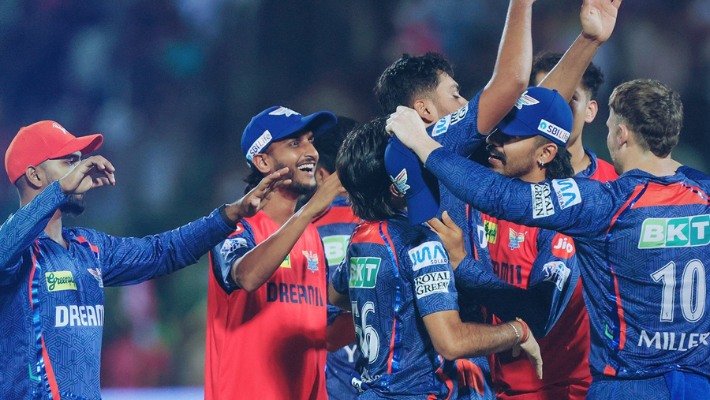
Mohammad Shami’s mental health journey reveals a powerful narrative that resonates with many, especially amid the high-pressure world of sports. As the ace bowler for Lucknow Super Giants (LSG) during the IPL, his battle with depression and suicidal thoughts highlights the often overlooked struggles faced by athletes. Shami’s candid discussions about his experiences shed light on the crucial role of family support in sports, emphasizing that mental resilience is just as vital as physical strength. Through each challenge, he has emerged not only as a champion on the field but also as an advocate for cricketers’ mental health. In a landscape rife with pressure, his story serves as a beacon of hope for those navigating the dark lows of mental health.
The saga of Mohammad Shami encapsulates the often unspoken aspects of an athlete’s life, particularly the emotional and psychological hurdles they may face. As a prominent figure in cricket, Shami’s experiences underscore the significance of mental strength and the profound impact of familial support in overcoming personal battles. Athletic pursuits can be riddled with challenges that extend beyond physical injuries, with issues like depression and anxiety coming to the forefront. Just as he embraced a triumphant LSG IPL comeback, Shami’s narrative compels attention towards the mental resilience necessary for sportspersons. His story not only elevates the conversation around the mental well-being of cricketers but also acts as a reminder of the need for ongoing support systems within the competitive realm.
Mohammad Shami’s Mental Health Journey: From Struggles to Strength
Mohammad Shami’s narrative is not just one of professional accolades; it’s also a story of overcoming profound personal struggles, primarily regarding his mental health. Rising to fame as a leading pacer for the Lucknow Super Giants (LSG), Shami faced severe challenges, including debilitating knee injuries and anxiety that often spiraled into thoughts of suicide. In an industry where emotional vulnerability is seldom displayed, his journey can offer crucial insights into the ongoing discussions about cricketers’ mental health. Athletes are expected to perform at their peak, yet the pressures they face can be overwhelming, highlighting the necessity of discussing mental resilience openly.
The prevalence of mental health issues in sports can often be overshadowed by the glory and accolades athletes receive. Shami’s story serves as a potent reminder that behind every celebrated cricketer lies a human being who grapples with fear, insecurity, and depression. His candid reflections remind us that mental resilience is as critical as physical prowess in sports. By openly addressing his struggles, Shami paves the way for dialogues about mental health in sports, encouraging other athletes to acknowledge their challenges and seek help when needed. In a world where the glamour of events like the IPL often conceals the emotional tolls faced by players, Shami’s journey amplifies the message that mental health is fundamental, not a stigma.
The Role of Family Support in Overcoming Mental Health Challenges
In the heart of Shami’s struggle was the unwavering support from his family, which played a crucial role in his road to recovery. As athletes often battle isolation, having a reliable support system can make all the difference. Shami emphasized that his family’s presence during his darkest moments was vital in navigating the turbulent waters of depression. Their constant companionship and simple acts of love provided him with a sense of belonging and reassurance that he was not alone in his fight against the mental demons that clouded his mind. Family support in sports transcends mere emotional comfort; it serves as a foundation upon which athletes can build their resilience and regain their strength.
Moreover, the concept of family goes beyond blood relations; it extends to the camaraderie formed within teams. Just like family members, teammates often step in to support each other during challenging times. Shami benefited immensely from the extended family he found within the Indian cricket team, particularly the leadership of players like Virat Kohli. By fostering an environment that promoted mental expression and camaraderie, Shami found empowerment in vulnerability. This signifies a crucial shift in sports culture, illustrating that reliance on family—be it biological or the team—can be a formidable ally in battling the often-ignored yet pervasive issues of mental health in athletics.
Mental Resilience: A Key for Athletes’ Success
Mental resilience is increasingly becoming a topic of focus in professional sports, with athletes like Mohammad Shami exemplifying how critical psychological strength is to achieving success on and off the field. His experiences emphasize that resilience is not just about bouncing back from physical injuries but also about navigating the complexities of mental hurdles that accompany high-stakes careers. Shami’s determination to confront his mental health issues head-on demonstrates that true strength lies in vulnerability and the willingness to seek support. As he prepares for IPL 2026, his journey underlines the idea that nurturing mental wellness is just as essential as physical training, setting an important precedent for current and aspiring cricketers.
The conversations around mental health in cricket often highlight a culture where mental resilience is not just desirable but necessary. Shami embodies this shift, showing that athletes can redefine what it means to be strong by acknowledging their struggles. This resilience empowers athletes to harness their emotional experiences, transforming pain into passion—be it on the cricket field or in their personal lives. As the IPL continues to grow in prominence, it becomes increasingly important to foster a dialogue about the mental health challenges faced by players, ensuring that discussions of depression and sports are brought to the forefront. Shami’s journey is not just a story of survival; it’s a beacon of hope for many striving for balance in the high-pressure world of sports.
The Impact of IPL on Players’ Mental Health
The Indian Premier League (IPL) is not only a stage for glitzy performances but also a pressure cooker for the mental well-being of its players. High expectations, rampant media scrutiny, and the need to perform at peak levels can take a toll on even the most resilient athletes. In this environment, mental health issues such as anxiety and depression can often be exacerbated, with players frequently struggling to cope with the weight of their own ambitions and the expectations placed upon them. Shami’s story highlights how the competitive nature of the IPL can sometimes overshadow athletes’ mental health needs, leading to crucial conversations about support systems that are needed during such high-pressure periods.
Additionally, the IPL platforms millions of viewers, amplifying the stakes for players who are aware that their performances are under intense scrutiny. This creates a cycle where anxiety can affect not only mental health but also physical performance—often causing a negative feedback loop that can be tough to break. Shami’s comeback is particularly significant as it demonstrates how addressing mental health can lead to improved performance on the field. His narrative pushes for greater awareness within sports franchises to ensure that mental wellness programs are in place, allowing players to access the support they need throughout the intensive IPL season. Discussions on mental health in the realm of sports are as vital as physical training, forging pathways for a more supportive and compassionate environment for athletes.
Addressing Depression in Sports: Lessons from Shami
The acknowledgment of depression in sports is an essential dialogue that athletes like Mohammad Shami are bravely contributing to. Shami’s transparency about his battle with depression reflects a critical step towards normalizing these discussions in a field often dominated by the rugged stereotype of athletes. His openness not only humanizes star players but also breaks the stigma surrounding mental health issues, encouraging others to speak out about similar struggles. The intersection of depression and sports is complex; athletes face unique pressures that can lead to mental health challenges, and it is imperative for the sports community to foster a supportive environment where seeking help is accepted and promoted.
Furthermore, Shami’s story serves as a powerful reminder of the importance of understanding mental health within team sports. The camaraderie and mental support offered by teammates can be invaluable to an athlete’s recovery from depression. Creating a culture where mental health is prioritized can make a significant difference in athletes’ lives, enabling them to thrive both personally and professionally. His journey is a case study for sports organizations aiming to enhance their mental health initiatives, demonstrating the tangible benefits of prioritizing mental wellness. As discussions around depression in sports continue to evolve, Shami’s experience underscores the fact that mental strength is paramount to achieving success in high-stakes environments.
Creating a Safe Space: Mental Wellness Initiatives in Cricket
The call for better mental wellness initiatives within cricket is becoming increasingly urgent, especially in light of the pressures highlighted in Mohammad Shami’s journey. The cricketing community is gradually recognizing the importance of creating a safe space for players to discuss their mental health concerns. This shift calls for strategies that promote openness and provide resources for athletes to address their struggles. Implementing mental health programs within teams can be crucial, allowing players to navigate their experiences without fear of judgment or repercussion. Such initiatives not only enhance individual athlete resilience but also contribute to the overall health of the sport, fostering a culture of well-being.
Furthermore, the role of cricket boards and organizations is essential in paving the way for these changes. They must actively promote mental health resources and training for players and support staff alike. A proactive approach can help demystify mental health issues, transforming them from whispered conversations into open dialogues. Shami’s powerful narrative exemplifies the potential impact and importance of such initiatives, instilling hope that the cricketing and sports communities can effectively address mental health challenges. As these conversations continue to unfold, the emphasis on mental wellness within cricket can serve as a model for other sports, creating a legacy of compassion, support, and resilience.
Frequently Asked Questions
How has Mohammad Shami’s mental health journey impacted his performance in the LSG IPL comeback?
Mohammad Shami’s journey with mental health has been pivotal for his performance during the LSG IPL comeback. After battling severe depression and suicidal thoughts, Shami emphasized the importance of mental resilience in sports. The support from his family and teammates, including the well-wishes from Virat Kohli, played a crucial role in his recovery and return to form. His experience highlights that addressing mental health, particularly for cricketers, is essential for achieving peak performance in high-pressure scenarios like the IPL.
| Key Points | Details |
|---|---|
| Struggles with Mental Health | Mohammad Shami faced severe mental health challenges including depression and suicidal thoughts. |
| Importance of Family Support | His family played a crucial role in his recovery, ensuring he was never alone during dark times. |
| Team Dynamics | The support from teammates, especially Virat Kohli, helped him cope with mental pressure. |
| Resilience and Hope | Shami’s journey emphasizes resilience and the importance of addressing mental health in sports. |
| Broader Implications for IPL 2026 | His experiences highlight that mental health issues are significant and can affect even the top players. |
Summary
Mohammad Shami’s mental health journey reveals the stark reality behind the glamour of professional cricket. His experiences with depression and suicidal thoughts underscore the critical importance of mental well-being in sports. Shami’s candid sharing about his struggles and how his family and teammates supported him offers hope and resilience to others facing similar battles. His story reiterates that mental health is not a weakness but a testament to bravery, and highlights the necessity for continued support and understanding for athletes in high-stress environments. As leagues like IPL 2026 approach, Shami’s narrative serves as a powerful reminder of the often-overlooked emotional toll that the pressure of performance can have on players.