

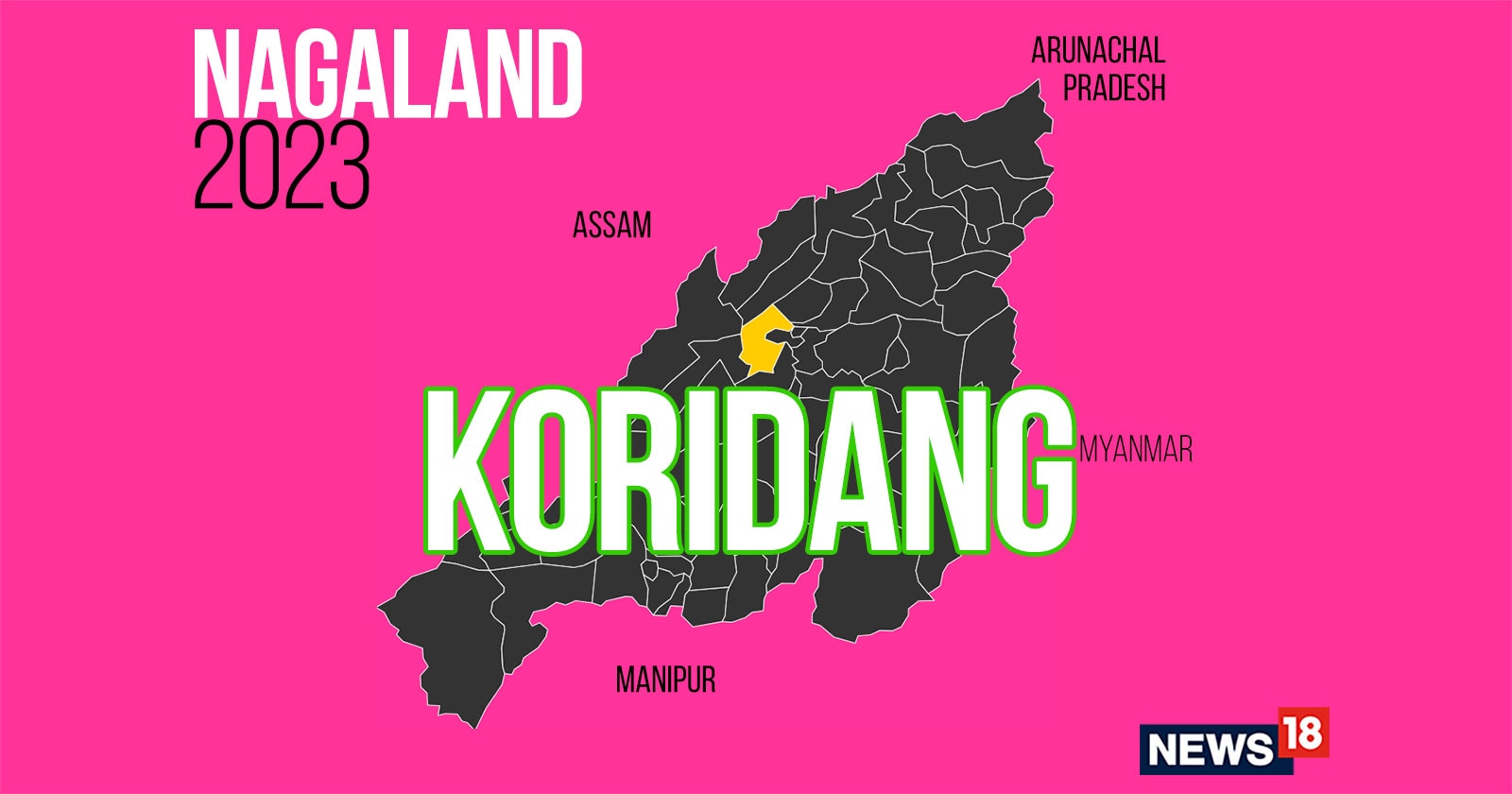
The Nagaland by-election silence period, a crucial aspect of the electoral process, will be observed in the 28-Koridang Assembly constituency starting at 4 PM on April 7. Following the conclusion of intense campaigning, this 48-hour silence phase is designed to uphold electoral process integrity and ensure a level playing field for all candidates. In light of the Nagaland elections 2023, these campaigning restrictions are pivotal in preventing any last-minute influences on voters. Violating these by-election rules in Nagaland could lead to serious penalties, making it imperative for all involved to adhere strictly to the guidelines laid out by the local administration. The upcoming days are not only a test of compliance but also a reflection of the democratic values that govern the electoral landscape in the region.
As the date for the by-election approaches, a mandatory quiet period in Nagaland’s Koridang constituency will commence, creating a space free from external campaigning influences. This enforced silence is a vital component in the electoral framework, aimed at ensuring a transparent and just voting process. With the Nagaland by-election marking a significant chapter in the state’s political narrative, the proactive measures taken reflect a commitment to uphold democratic practices. Restrictions that encompass public gatherings and media promotions are essential to minimize any undue sway on the electorate. In this context, maintaining the sanctity of the electoral environment becomes paramount in shaping the outcome of the 2023 elections.
Understanding Nagaland By-Election Silence Period Regulations
In Nagaland, a crucial element of maintaining electoral integrity is the implementation of a mandatory silence period, particularly observed in the Koridang constituency. This 48-hour ban on campaigning, which begins at 4 pm two days prior to polling day, is not merely a bureaucratic procedure but a vital measure aimed at ensuring the fairness of the electoral process. By prohibiting all forms of public campaigning, including political rallies and public meetings, authorities strive to create a level playing field for all candidates. Such regulations aim to minimize potential swaying of voter opinions right before they cast their ballots, thereby reinforcing the principles of democracy and electoral integrity.
This quiet phase before the vote allows voters to reflect on the campaign messages they’ve received without the risk of last-minute persuasion techniques or disruptions from ongoing political activities. The restrictions put in place by the district administration are pivotal, as they ensure that all candidates have equal footing when voters head to the polls. The enforcement of these rules is taken seriously, with harsh penalties for violations, further highlighting the importance placed on a fair electoral process in Nagaland’s by-elections.
Campaigning Restrictions in Nagaland: Ensuring Electoral Process Integrity
The strict restrictions during the electoral campaigning period in Nagaland play a significant role in upholding the integrity of local elections, such as those seen in the Koridang constituency. These measures are formulated to curb any undue influence on voters during the sensitive hours leading up to the polling. Campaigning restrictions include prohibiting the dissemination of election-related content via electronic media and entertainment events aimed at garnering votes. By disallowing such activities, the administration seeks to protect the electorate from saturation and mixed messages that could skew their voting decisions.
Furthermore, ensuring that non-electors vacate the constituency after campaigning ends is another essential regulation in maintaining the sanctity of the electoral process. The presence of individuals with no voting rights could lead to questionable integrity and possible manipulation of election outcomes. This form of vigilance by the district authorities reflects an unwavering commitment to uphold electoral laws, ensuring that every vote cast reflects the true choice of the registered constituents. With penalties set for infractions, the administration’s proactive approach seeks to emphasize the gravity of adhering to established electoral regulations for the forthcoming Nagaland elections.
The Impact of Effective Campaigning Restrictions on Nagaland Elections 2023
The electoral landscape in Nagaland, especially with regards to the 2023 elections, is heavily influenced by the rules governing campaigning. Restrictions serve as a pivotal mechanism to prevent last-minute campaigners from impacting voter decision-making processes. The integrity of elections relies heavily on the adherence to these guidelines, allowing voters to focus on the candidates’ platforms rather than any last-minute tactics. This period of silence not only allows citizens to consider their options in peace but also reinforces the public’s trust in the electoral process, thus promoting a healthy democratic environment.
As Nagaland gears up for the elections, it is imperative for all stakeholders to understand the importance of such restrictions. Campaigning restrictions play a vital role not just during the silence period, but in shaping the overall narrative of the elections. Candidates must prepare their strategies ahead of the imposed deadlines, fostering a culture of planning ahead that respects voters’ autonomy. Such a regulatory framework strengthens the electoral process by prioritizing established laws that mitigate undue influence and promote integrity throughout the electoral cycle, especially pertinent in the active political domain of Nagaland.
Enforcement of By-Election Rules in Nagaland: Key Takeaways
The enforcement of by-election rules in Nagaland underscores the seriousness with which electoral authorities approach the democratic process. With stringent measures in place, the district administration, led by officials like Deputy Commissioner Ajit Kumar Verma, has the responsibility of ensuring compliance with election protocols. These rules not only prohibit various forms of campaigning during the 48-hour silence period but also necessitate the removal of outside political workers from the constituency. Such measures aim to mitigate any potential disruption and uphold the electoral process integrity.
Moreover, citizens are encouraged to report any infractions they witness, as accountability is a shared responsibility between the electoral officials and the community. This collaborative engagement ensures that the by-elections adhere to the highest standards of transparency and fairness, encouraging greater public participation in the electoral process. The consequences for non-compliance act as a deterrent against any attempts to manipulate the election outcomes, emphasizing the importance of abiding by the established electoral guidelines in Nagaland.
Key Challenges of Implementing Campaign Restrictions in Nagaland
Implementing campaigning restrictions in Nagaland poses several challenges, particularly in ensuring compliance among various political factions. As the state grapples with a diverse electoral landscape, the effectiveness of these restrictions often depends on the cooperation of political parties and their followers. Any lapses in adherence may lead to questionable electoral outcomes, risking the integrity of the overall electoral process. Therefore, constant monitoring and strict enforcement by election officials are crucial, as they are tasked with upholding the rules designed to foster a fair contest in the Koridang constituency.
Additionally, the cultural dynamics present in Nagaland can often lead to unintended consequences during the silence period. While the regulations aim to create an unbiased environment for voters, some candidates may attempt to maneuver around the restrictions, leading to potential conflicts and confusion. It is essential for authorities to not only enact rules but also to engage with local communities to explain the importance of adhering to these regulations, thus promoting a culture of respect and understanding around electoral practices.
Public Awareness and Compliance with Electoral Regulations in Nagaland
Public awareness regarding electoral regulations is paramount in ensuring compliance during key periods like the silence period before elections in Nagaland. As the 2023 by-elections approach, initiatives aimed at educating voters about the rules governing campaigning restrictions have become crucial to fostering a culture of civic responsibility. This knowledge empowers constituents to recognize their rights and the limitations placed on candidates, ultimately leading to a more informed electorate that can discern fair campaigning practices.
Moreover, local governance bodies play an instrumental role in disseminating this information, helping to bridge the gap between electoral authorities and the public. By hosting workshops, distributing pamphlets, and utilizing social media, authorities can effectively communicate the importance of adhering to the silence period and the broader electoral rules. Such proactive strategies enhance community engagement and promote a culture of electoral integrity, laying the groundwork for smoother and more transparent elections in Nagaland.
The Role of Technology in Upholding By-Election Rules in Nagaland
In modern electoral processes, technology has become a key player in enforcing by-election rules in Nagaland. The use of monitoring software and applications enables election officials to track compliance with campaigning restrictions effectively. Additionally, the role of social media monitoring has grown, as authorities now keep an eye on digital platforms to ensure that no last-minute campaigning occurs that could violate the silence period. This tech-based approach not only aids in upholding electoral integrity but also enhances the transparency of the process.
Furthermore, voter education campaigns that utilize technology can help to broadly inform the electorate about the importance of the silence period and its implications for a fair election. Electronic communication, ranging from text messages to social media announcements, can be harnessed to reach a vast audience, ensuring that every voter understands their rights and responsibilities. The interplay between technology and the electoral process thus serves as a powerful means for enforcing compliance and promoting public awareness regarding the critical norms governing elections in Nagaland.
Consequences of Violating Election Campaign Restrictions in Nagaland
Violating election campaign restrictions during the silence period in Nagaland can result in significant consequences, not just for individual candidates but for the broader electoral integrity. Offenders may face penalties ranging from fines to imprisonment, depending on the severity of their infractions. Such punitive measures establish a clear deterrent against any attempts to influence voters during the crucial final hours leading up to the polls. The administration has made it explicitly clear that maintaining the integrity of the electoral process is of utmost importance, and violators will be held accountable.
The impact of these consequences extends beyond immediate fines or sentences; they also foster a culture of respect for electoral rules among political parties and candidates. When candidates recognize the repercussions of their actions, they are more likely to comply with established norms, ensuring fairness in the electoral process. This rigorous enforcement thus plays a crucial role in reassuring voters of the legitimacy of the elections, ultimately aiding in the maintenance of a democratic ethos within Nagaland.
Community Engagement in Enforcing Nagaland’s By-Election Rules
Community engagement is vital in reinforcing the enforcement of by-election rules in Nagaland, particularly concerning the silence period. Encouraging local residents to be vigilant and report any violations helps create a strong community framework that supports electoral integrity. Grassroots movements can mobilize public sentiment against non-compliance, fostering a collective commitment to uphold democratic principles during the elections. This active participation not only empowers the electorate but also cultivates a sense of ownership over the electoral process.
Additionally, involving community leaders in the conversations around the electoral process can bridge gaps in understanding and compliance. These leaders can articulate the significance of maintaining the silence period and the broader implications of each citizen’s vote. By reinforcing the relationship between the community and the electoral authorities, Nagaland can ensure that everyone is not only informed but also engaged in protecting the democratic process, leading to a more transparent and trustworthy electoral landscape.
Frequently Asked Questions
What is the silence period during the Nagaland by-elections in the Koridang constituency?
The silence period for the Nagaland by-elections in the Koridang constituency is a mandatory 48-hour period that begins at 4 pm on April 7, following the conclusion of campaigning. During this time, all forms of public campaigning, including rallies and meetings, are prohibited to ensure the integrity of the electoral process.
| Key Point | Details |
|---|---|
| Silence Period Start | April 7, 4 PM |
| Duration | 48 hours |
| Area Affected | 28-Koridang Assembly constituency, Mokokchung district |
| Prohibitions | Public meetings, rallies, processions, and election-related media content are prohibited during this period. |
| Withdrawal of Non-Voters | All non-registered voters must leave the constituency immediately after campaigning ends. |
| Enforcement | Strict compliance instructed to officials; penalties for violations may include imprisonment or fines. |
Summary
The Nagaland by-election silence period is a crucial phase in the electoral process, designed to maintain fairness and integrity during elections. Implemented for 48 hours following the end of campaigning, it prohibits any public displays of political activity in the 28-Koridang Assembly constituency. Such measures include the cessation of rallies, public meetings, and any attempts to influence voters through entertainment or media. The district administration’s directives ensure that only registered voters participate in the electoral process by mandating the departure of non-voters. This silence period not only creates an environment conducive to electoral integrity but also emphasizes the importance of a fair democratic process by minimizing external influences.



























