

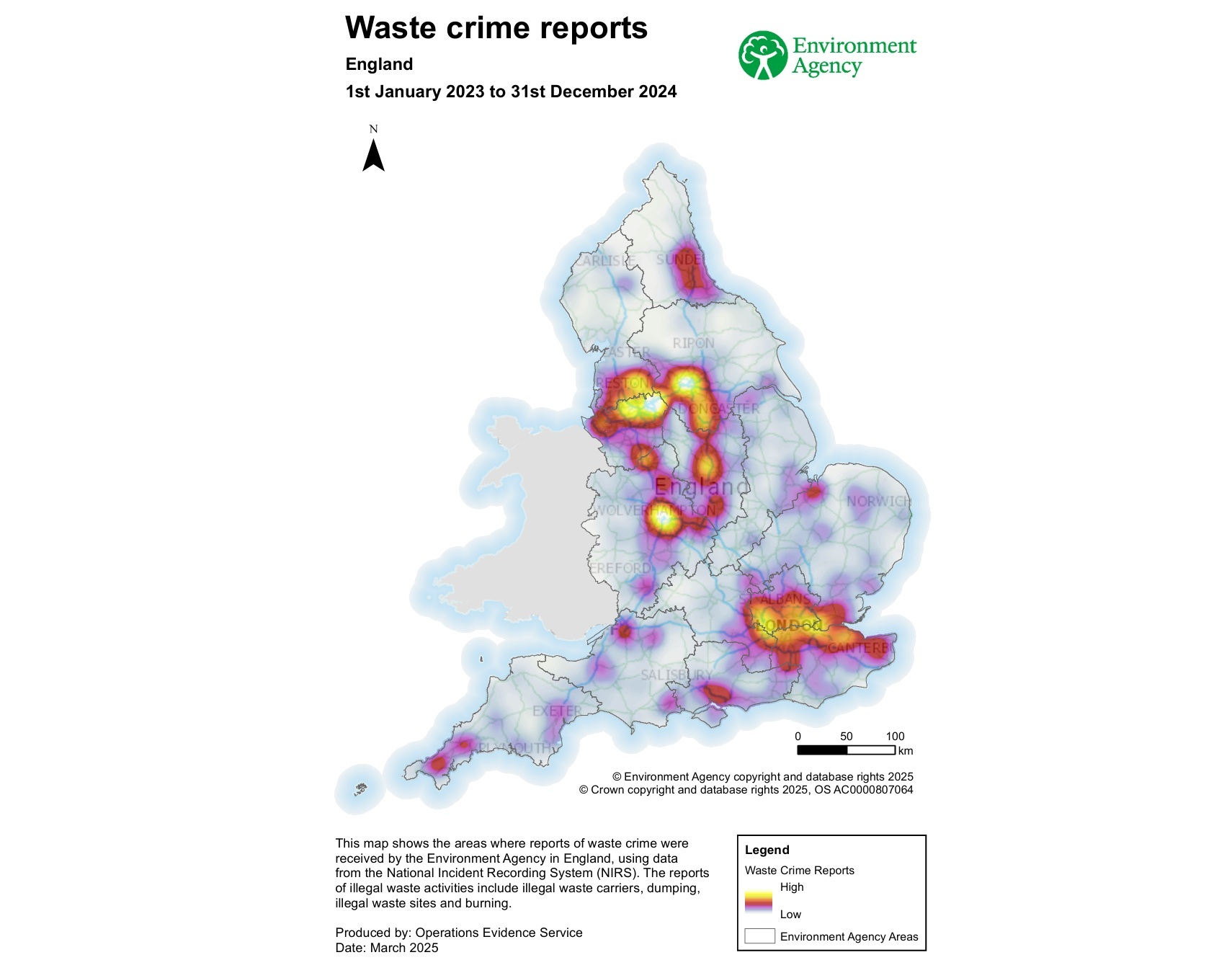
In recent years, UK waste crime has surged, becoming a pressing concern for environmental authorities and communities alike. The illegal waste trade, which is estimated to be worth billions, not only jeopardizes public health but also undermines legitimate businesses engaged in proper waste management. To combat this growing threat, the UK government is set to empower the Environment Agency with police-style powers, enabling earlier interventions in criminal activities. This bold move is part of a broader strategy aimed at enhancing environmental governance and ensuring stringent waste management penalties are enforced. As the government ramps up waste crime enforcement, the focus will be on disrupting organized crime networks that threaten the safety and integrity of local environments.
The alarming rise in environmental violations in the UK, often referred to as waste misconduct, has prompted urgent governmental action. Officials across the nation recognize the detrimental effects of the clandestine disposal of waste, commonly seen in the illegal waste trade. By bolstering the authority of waste oversight bodies, such as the Environment Agency, authorities aim to establish a stronger framework for monitoring and penalizing offenders. This initiative represents a significant shift towards more robust waste management governance, particularly in penalizing those who exploit regulatory loopholes. As enforcement efforts intensify, communities can anticipate a concerted effort to eradicate these environmentally damaging practices.
Understanding UK Waste Crime
Waste crime in the UK represents a significant threat to societal well-being and environmental health. The illegal waste trade has burgeoned over the years, attracting organized criminal gangs who exploit regulatory loopholes for profit. These activities not only undermine legitimate businesses in the waste management sector but also lead to hazardous waste dumping, which poses grave risks to the environment and public health. The government’s acknowledgment of this issue brings to light the urgency required in reinforcing environmental governance and ensuring effective enforcement.
The Environment Agency, recent news suggests, is set to acquire police-style powers that would enhance their capability to tackle these crimes decisively. This move is crucial, as it empowers enforcement officers to conduct timely interventions against those operating outside the law. With such measures, the aim is to create a stringent framework that curbs the illegal waste trade, ultimately fostering a more sustainable and responsible waste management system across the UK.
The Need for Stricter Waste Management Penalties
To combat the escalating issue of waste crime effectively, the introduction of stricter penalties for offenders has become a priority. The proposed reforms aim to establish a clear and robust penal framework that not only punishes wrongdoers but also acts as a deterrent for potential offenders. Increasing financial implications associated with illegal waste disposal practices can be instrumental in steering businesses towards compliance with waste management laws, thereby protecting community interests and ecosystem health.
In parallel, the government plans to enhance financial tracking within the waste management industry. This initiative is pivotal in promoting accountability and transparency, as tracking finances will help identify illicit financial flows and operations within the sector. By embedding these stringent measures within the waste management framework, the authorities can set a precedent that elucidates the importance of lawful practices, aligning the industry more closely with environmental governance.
Political Perspectives on Waste Crime Enforcement
The proposed measures to bolster the Environment Agency’s powers have invited mixed reactions across the political spectrum. Proponents argue that empowering the Agency is a necessary step towards safeguarding environmental integrity and public health from the insidious effects of waste crime. They contend that without stronger enforcement capabilities, the illegal waste trade will continue to thrive, jeopardizing legitimate waste management practices and enabling environmental degradation.
Conversely, critics voice concerns about potentially excessive burdens placed on legitimate businesses operating within the waste management sector. They highlight that increased scrutiny and enforcement measures might stifle innovation and create unnecessary hurdles for compliant firms, overshadowing the intended benefits. This debate underscores the delicate balance that must be maintained in addressing waste crime while ensuring that responsible operators are not unduly affected by stringent regulatory frameworks.
The Economic Impact of Illegal Waste Trade
The illegal waste trade has significant economic ramifications, with estimates suggesting it is worth billions within the UK market. This illicit sector not only results in lost revenues for legitimate businesses but also imposes heavy costs on local authorities that must deal with the fallout from illegal dumping. As such, the economic implications extend beyond mere financial losses to encompass broader impacts on public services and community well-being, necessitating urgent government intervention.
Moreover, the adverse effects of unmanaged waste can lead to costly remediation efforts that further strain public finances. The government’s commitment to reform and the introduction of police-style powers for the Environment Agency aims to close this gap, ensuring that resource allocation is directed towards sustainable waste management solutions rather than constantly battling the damaging impacts of waste crime.
Environmental Governance and Future Strategies
Strengthening environmental governance is central to the government’s strategy in combating the illegal waste trade. By reinforcing the authority and resources available to the Environment Agency, there’s a concerted effort to ensure comprehensive oversight and enforcement across the waste management landscape. This approach not only addresses immediate enforcement concerns but also promotes a culture of compliance and responsibility among businesses operating in the sector.
Looking toward the future, it will be crucial for the government to implement educational programs alongside enforcement measures. Informing businesses about their responsibilities under waste management laws and the implications of non-compliance will help foster a more sustainable operational environment. Furthermore, investing in technology and innovation can provide effective solutions to monitor and manage waste practices, ultimately leading to a reduction in waste crime and supporting a healthier ecosystem.
Community Involvement in Combating Waste Crime
Community engagement plays a vital role in addressing the issue of waste crime within the UK. By involving local stakeholders, including businesses, residents, and environmental groups, the government can create a cooperative framework that empowers individuals to report suspicious activities and promote responsible waste disposal practices. Community awareness campaigns can enlighten citizens about the damaging effects of illegal waste and encourage them to act as stewards of their environment.
Moreover, when communities feel invested in environmental governance, they are more likely to collaborate with authorities, enhancing the effectiveness of enforcement actions. Establishing channels for reporting and feedback, coupled with educational initiatives on proper waste practices, can foster a collective responsibility towards waste management. This grassroots approach can complement government efforts and create a robust defense against the persistent challenges posed by waste crime.
The Role of Technology in Waste Management Enforcement
Advancements in technology play a crucial role in enhancing waste crime enforcement measures. Innovative tools such as geospatial data analysis, drones for remote monitoring, and AI-driven compliance systems are being employed to track illegal waste activities more effectively. By incorporating technology, the Environment Agency can streamline its operations and respond to waste crimes with greater agility and precision.
Furthermore, digital platforms and online reporting systems can empower citizens to participate in waste management more actively. These tools provide accessible ways for individuals to report incidents of illegal dumping or suspicious behavior, thereby increasing community involvement. As technology continues to evolve, its integration into waste management practices will be essential for fostering a more comprehensive and proactive approach to combating waste crime.
The Relationship Between Waste Crime and Public Health
The relationship between waste crime and public health is a pressing concern that cannot be overlooked. Hazardous waste improperly disposed of poses significant risks to both human health and the environment. Unregulated landfills and illegal dumping sites can lead to contamination of soil and water supplies, exacerbating health issues within local communities. The government’s insistence on addressing waste crime stems from the desire to protect public health alongside environmental responsibility.
Moreover, the indirect consequences of illegal waste activities, such as the proliferation of pests and pollutants, can lead to increased healthcare costs and diminished quality of life for affected communities. By strengthening enforcement against waste crime, the government aims not only to curb illegal activities but also to foster healthier communities, ensuring that environmental safety is intertwined with public health initiatives.
Conclusion: The Future of Waste Management in the UK
The future of waste management in the UK rests upon a paradigm shift towards stringent enforcement and accountability measures. The planned police-style powers for the Environment Agency illustrate a commitment to addressing the complexities of waste crime head-on. As the government lays the groundwork for these reforms, a more structured approach towards the illegal waste trade promises to create a safer, cleaner, and more accountable waste management landscape.
Ultimately, the collaboration between the government, enforcement agencies, communities, and technological innovations will define the efficacy of these initiatives. Through sustained efforts and holistic strategies, the UK can aspire to eradicate waste crime, ensuring that future generations inherit a sustainable environment marked by responsible waste management practices.
Frequently Asked Questions
What are the proposed new powers for the Environment Agency to combat UK waste crime?
The UK government plans to grant the Environment Agency police-style powers aimed at enhancing their ability to tackle waste crime. These powers will enable enforcement officers to intervene earlier in the illegal waste trade, disrupting criminal networks involved in various aspects of waste management. The initiative is part of a broader strategy to improve environmental governance and impose stricter penalties on offenders.
| Key Point | Description |
|---|---|
| UK Government Measures | The UK government plans to enhance the authority of the Environment Agency by granting them police-like powers to combat waste crime. |
| Need for Stronger Action | There is a recognized need for urgent actions due to the increase in illegal waste trade activities. |
| Economic Impact | The illegal waste trade is a multi-billion-pound issue affecting public health and the environment, |
| Penalties and Accountability | The government will introduce stricter penalties and better financial tracking within the waste management industry. |
| Political Response | There is a mixed political reaction, with some groups supporting the reforms while others raise concerns about potential burdens on legitimate businesses. |
Summary
UK waste crime is a pressing issue that has prompted the government to take decisive action to empower the Environment Agency with enhanced enforcement capabilities. This move aims to disrupt criminal networks involved in illegal waste activities and introduce stricter penalties to deter wrongdoing. As the scale of the illegal waste trade continues to grow, impacting public health and the environment, the UK government recognizes the need for immediate intervention and reform. However, the introduction of these measures has sparked a mixed response across the political spectrum, highlighting the ongoing debate about balancing effective regulation and supporting genuine businesses in the waste management sector.



























