

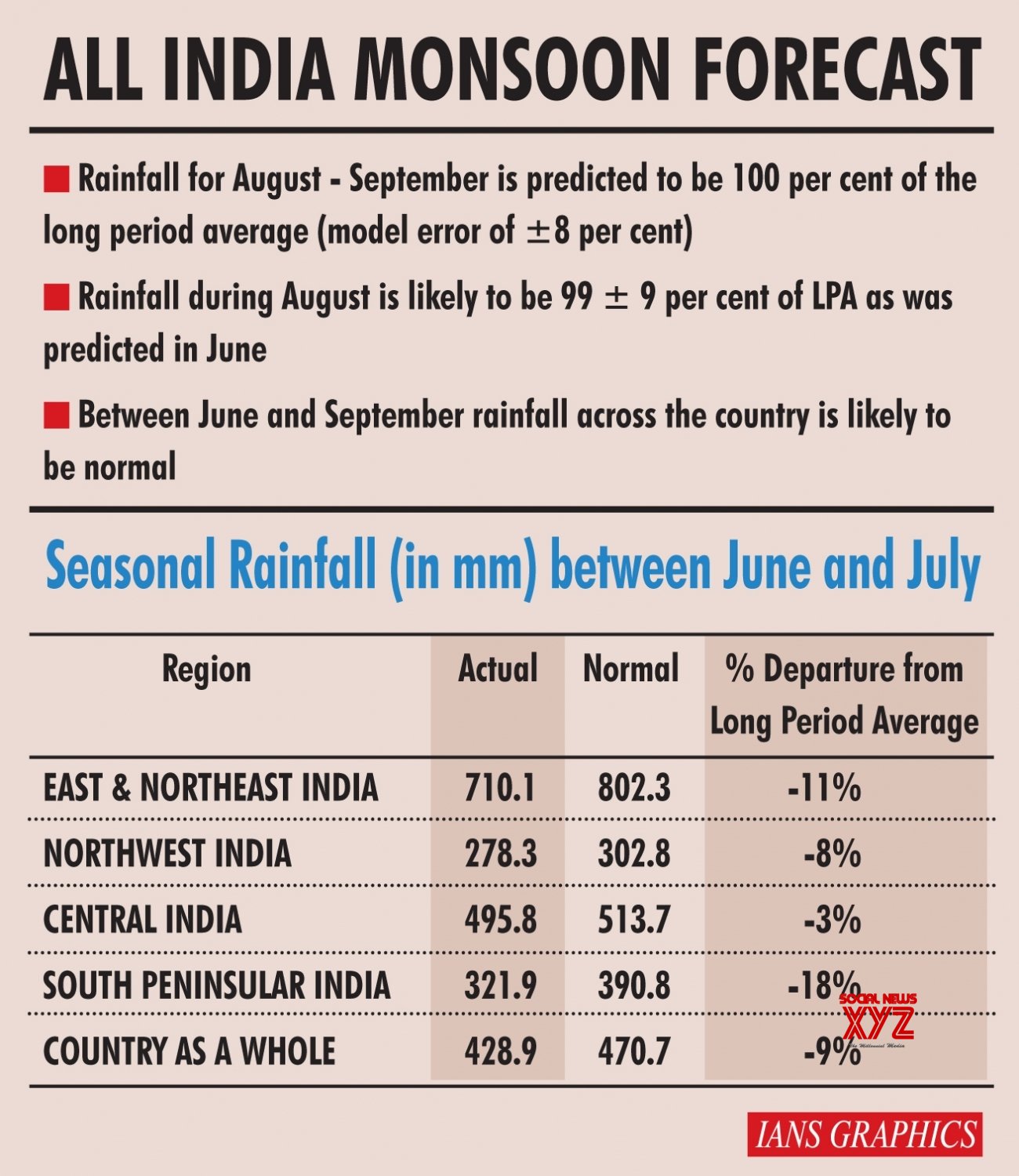
The impact of El Nino on India is a pressing concern for meteorologists and farmers alike, particularly as predictions for the upcoming monsoon season emerge. The World Meteorological Organization (WMO) has indicated that the onset of an El Nino event could potentially disrupt the typical monsoon rainfall patterns, leading to reduced precipitation and hotter months ahead. This development poses significant risks to agricultural output and water resources across the country, making accurate India monsoon forecasts more vital than ever. As 2024 climate news unfolds, experts are closely monitoring the situation, knowing that El Nino effects on weather could shift the entire landscape of monsoon rainfall predictions. Despite the uncertainties, understanding these dynamics is crucial for mitigating the adverse impacts on India’s economy and food security.
The phenomenon of El Nino, characterized by elevated ocean temperatures in the Pacific, presents unique challenges for India’s agricultural and environmental stability. This climate anomaly typically correlates with altered weather patterns, which can lead to droughts or flooding during the crucial monsoon season. As such, meteorologists, equipped with the latest insights from the WMO El Nino update, are working diligently to refine weather models and provide accurate forecasts. By examining the potential repercussions of this climatic event, stakeholders can better prepare for its implications on crop yields and water availability. Understanding these shifts is essential for navigating the complexities of seasonal weather and safeguarding India’s agricultural future.
Understanding El Nino’s Impact on India’s Monsoon
El Nino is a climate phenomenon that significantly alters weather patterns across the globe, including in India, where it serves as a harbinger of changes in the monsoon season. The current predictions from the World Meteorological Organization (WMO) suggest that this year’s El Nino could be particularly impactful. Historical data indicate that during El Nino events, monsoon rainfall in India often tends to be below average, leading to concerns about droughts and water shortages, especially in agricultural regions that rely heavily on monsoon rains.
The potential effects of El Nino are not uniform across the entire country; different regions may experience varying degrees of disruption in their weather patterns. For instance, while some areas in the southern part of India may suffer from reduced rainfall, northern states could continue to experience erratic weather. The implications are critical for farmers and policymakers alike, particularly as the nation gears up for the monsoon season—an essential time for crop sowing and water supply replenishment.
The WMO El Nino Update: What It Means for the 2024 Climate
The WMO’s recent update on the El Nino phenomenon indicates that we may be facing one of the strongest El Nino events in years. This could lead to more intense weather conditions, influencing not only India’s monsoon but also global climatic trends. As global temperatures rise, driven by such phenomena, the interplay between these climatic factors becomes crucial for understanding future weather forecasts. Experts are urging that the upcoming monsoon may not meet the rainfall predictions previously anticipated, especially in the wake of the significant impact that El Nino brings.
Analyzing the consequences of El Nino on India’s monsoon, it becomes clear that meticulous monitoring and forecasting are required in light of the implications for agriculture, health, and water resources. Agriculture remains the backbone of India’s economy, heavily dependent on the monsoon season. Disruptions caused by changing weather patterns as a result of El Nino could lead not only to crop failures but also to broader socio-economic instability. Keeping a close watch on the 2024 climate news, particularly related to monsoon rainfall predictions, will be imperative for farmers and government officials alike.
Preparing for Hotter Months Ahead: The Climate Response
As scientists project a hotter climate in the coming months, largely exacerbated by El Nino effects on weather patterns, preparations at multiple levels are essential. Government bodies and agricultural experts must adapt strategies that incorporate risk management approaches to mitigate the adverse impacts of potential water shortages. Increased temperatures combined with lower-than-expected rainfall could create a perfect storm for agricultural challenges, demanding new innovations in irrigation and crop resilience.
Moreover, the intersecting issues of climate change and El Nino’s impacts call for a proactive approach from various sectors. Community awareness programs about water conservation and adaptive farming practices can play a crucial role in helping vulnerable populations cope with the anticipated climatic shifts. As the WMO’s update suggests, these hotter months will require a cohesive response that not only addresses immediate agricultural needs but also prepares for sustainable long-term weather management.
Historical Context: Previous El Nino Effects on India
Historically, India has experienced severe impacts during El Nino years, especially characterized by below-average rainfall that can devastate agricultural outputs. The correlation between El Nino and India’s rainfall patterns is well-documented; once every few years, when these phenomena align, the repercussions ripple throughout the economy. In years marked by El Nino, it’s not uncommon for farmers to face dire conditions which threaten their livelihoods and food security.
For instance, the 2014 El Nino resulted in significantly reduced monsoon rainfall, ultimately leading to widespread droughts and crop losses. Examining these historical patterns allows researchers and agricultural planners to anticipate potential challenges posed by the forthcoming El Nino event in 2024. Learning from past experiences can aid in preparing mitigation strategies that enhance resilience against future climate anomalies.
The Role of Government in Mitigating El Nino’s Impact
In light of the potential outcomes suggested by the WMO, governmental intervention is critical in addressing the challenges posed by the anticipated El Nino. Key strategies could involve enhancing weather forecasting systems to provide more accurate monsoon predictions, which can inform farmers when to plant crops or how to prepare for potential water shortages. Furthermore, infrastructural improvements, such as efficient irrigation systems and water storage facilities, will be essential to combat the negative impacts of possibly lower rainfall.
Furthermore, the Indian government must invest in research initiatives to better understand the linkages between El Nino occurrences and subsequent weather patterns. By accumulating data and analyzing its implications, India can better equip its agricultural sector to withstand shocks induced by changing climatic conditions. Education and awareness programs directed at farmers about sustainable practices can help create a more resilient agricultural landscape as the country braves the upcoming climatic uncertainties.
The Significance of Monitoring Monsoon Rainfall Predictions
Effective monitoring of monsoon rainfall predictions becomes increasingly vital in the context of El Nino events. The uncertainties surrounding rainfall during these periods underscore the importance of accurate predictive models that can inform agricultural planning and water resource management. Investments in technology for climate data collection and analysis will not only assist farmers but can also ensure food security for the broader population.
As the world grapples with climate change, the role of technology and innovation in monitoring and predicting rainfall becomes paramount. The potential discrepancies between projected and actual levels of rainfall highlight the necessity for adaptable strategies that can accommodate changing environmental variables. For India, improving the reliability of monsoon forecasts can directly impact livelihoods, particularly in rural communities that rely heavily on predictable weather patterns for their agricultural activities.
Community Preparedness during El Nino Events
With El Nino likely to influence India’s weather patterns, community preparedness must be prioritized at local levels. Grassroots initiatives involving local farmers can facilitate quicker responses to changing climatic conditions. Educating these communities about the signs of weather changes can empower them to make informed decisions regarding their crops and water usage. Collaboration among community members can enhance shared resources and knowledge, leading to more resilient farming practices.
Local governments can play an essential role in fostering community preparedness by creating outreach programs that distribute information on adaptive agricultural techniques. Temporary relief measures for affected farmers during El Nino years can also be integral in minimizing the impact of lower rainfall. By promoting an active engagement, communities can better equip themselves to handle the adversities presented by climatic fluctuations, ultimately enhancing regional stability.
Future Predictions: El Nino and Climate Change Interplay
The interplay between El Nino events and climate change poses significant challenges for future predictions regarding India’s weather patterns. The evolving nature of climate change indicates that each successive El Nino may bring new, unpredictable weather dynamics. Experts emphasize the need to understand how these phenomena collectively contribute to global climate shifts and directly impact regional climates.
As we create predictive models for the future, it becomes crucial to consider these complexities to develop more accurate forecasts. Research initiatives that explore the intersection of El Nino and climate change can provide valuable insights into potential weather outcomes, guiding policymakers and farmers in strategic planning. A robust understanding of these interactions will be fundamental in managing the agricultural implications of future El Nino events.
Adapting to New Climate Realities in India
Adapting to the new climate realities exacerbated by El Nino is no longer an option but a necessity for India’s agricultural sector. Farmers must embrace innovative practices and advanced technologies to mitigate the environmental challenges posed by changing weather patterns. Strategies such as crop diversification, rainwater harvesting, and resilient crop varieties can significantly enhance the sector’s sustainability in response to escalating climatic threats.
In conclusion, as India stands on the brink of another El Nino event, the importance of preparation and adaptability cannot be overstated. Policymakers, scientists, and farmers must work collaboratively to develop and implement practical solutions that address the risks associated with these climate events, thereby securing a stable and productive agricultural future for all.
Frequently Asked Questions
How does El Nino impact India’s monsoon forecast?
El Nino significantly impacts India’s monsoon forecast by typically leading to reduced rainfall during the monsoon season. According to the World Meteorological Organization (WMO), the ongoing El Nino event can result in the current monsoon being adversely affected, therefore influencing the overall weather patterns and rainfall predictions in India.
| Key Point | Details |
|---|---|
| El Nino’s Effect on Monsoon | El Nino typically leads to reduced rainfall during India’s monsoon season. |
| WMO Insights | The WMO indicates potential adverse impacts due to an El Nino event in 2023-24. |
| Experts’ Caution | Experts suggest it’s premature to draw firm conclusions about the possible effects of El Nino on this year’s monsoon. |
| Record El Nino Events | The recent El Nino event was one of the five strongest on record and has contributed to higher global temperatures. |
Summary
The El Nino impact on India is a crucial topic as it can significantly alter the weather patterns, especially during the monsoon season. The World Meteorological Organization (WMO) has warned that an El Nino event could lead to a reduced rainfall effect during this critical period for agriculture and water resources. While experts advise caution in making predictions, the historical patterns show that El Nino conditions usually correlate with adverse effects on India’s monsoon, emphasizing the need for farmers and policymakers to prepare for the potential challenges that may arise in the coming months.



























