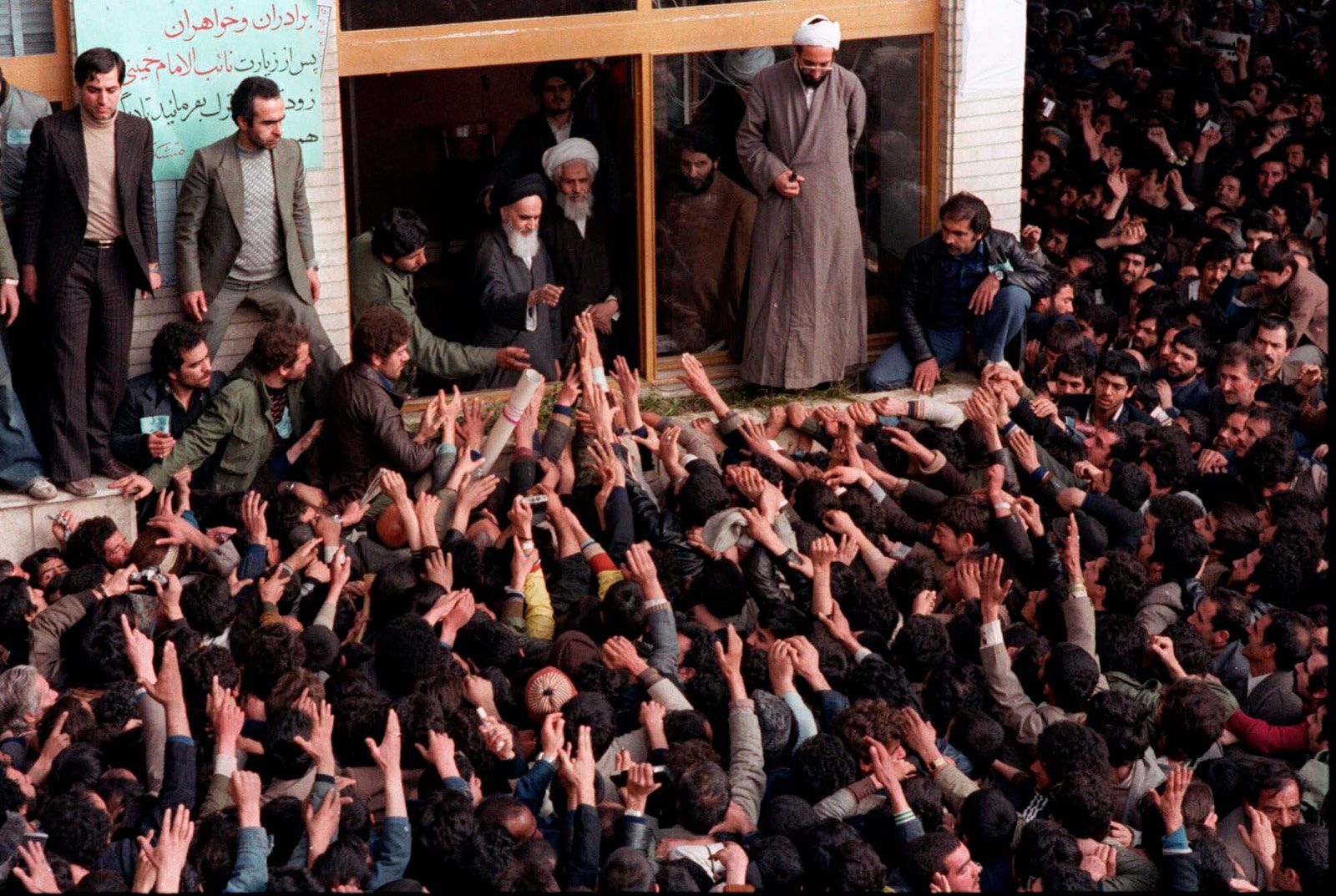
Iranian elites in the US have increasingly come under scrutiny as tensions between Washington and Tehran continue to escalate. The recent visa revocation of Hamideh Soleimani Afshar and her daughter Sarinasadat Hosseiny, relatives of the infamous Qasem Soleimani, highlights the ongoing impact of US immigration policy on affluent Iranians. With nearly 3,000 to 4,000 elite individuals facing potential visa revocations, the narrative surrounding those connected to the Iranian regime is shifting. The administration’s efforts to target these individuals reflect a broader strategy to curb the influence of Iranian propaganda within American borders. As the debate continues, many are questioning the double standards applied to those living a luxurious lifestyle in the United States while linked to a regime known for its nefarious activities.
Prominent members of the Iranian diaspora residing in the United States have found themselves at the center of a contentious political landscape. The plight of elite Iranians, particularly in the wake of measures aimed at revoking their Green Cards, paints a stark picture of the intersection between immigration and foreign policy. High-profile cases, especially those involving relatives of significant figures in the Iranian government, demonstrate the complexities faced by those who may enjoy affluence yet remain connected to a regime branded as a threat by US authorities. As the State Department re-evaluates its stance on visas for this demographic, discussions around the implications of these policies for individuals previously living in security and comfort grow ever more critical. The looming question remains: how will these actions shape the narratives surrounding Iranian expatriates and their contributions to American society?
Impact of US Immigration Policy on Iranian Elites
The recent visa revocation of Hamideh Soleimani Afshar and her daughter has spotlighted a significant shift in US immigration policy concerning Iranian elites. The Biden administration’s emphasis on scrutinizing individuals affiliated with the Iranian regime reflects a broader strategy to counter the influence of Iran in the West. This policy affects not only high-profile individuals but also a considerable number of elites, many of whom enjoy prominent positions in various sectors across the United States. As the US government aligns its immigration protocols with its geopolitical objectives, many elite Iranians are now at risk of losing their status, raising concerns about their future stability and security.
The ramifications of these immigration policies extend beyond just visa revocations. Many Iranian elites living in the US have established businesses, cultural centers, and community networks that contribute significantly to the local economy. The deportation or visa cancellation of these individuals could, therefore, have a ripple effect, disrupting not just their lives but also the communities and industries they support. With increasing scrutiny over their backgrounds, these elites now face a precarious existence in the US, challenging their ability to continue thriving in a country they once considered a sanctuary.
Exploring the Lives of Iranian Elites in America
The lives of Iranian elites in the US often showcase a stark contrast to those in their homeland. Many have fled Iran’s restrictive regime, seeking refuge in a nation that promises freedom and opportunity. Their success stories frequently highlight their educational achievements, entrepreneurial ventures, and contributions to art and culture. However, beneath the luxurious lifestyles many portray, there lies a complex narrative filled with fear regarding their status amidst shifting political landscapes. This tension is exacerbated by recent events, such as the visa revocations, which serve as a grim reminder of their vulnerability despite their perceived elite status.
Moreover, these elite Iranians often grapple with their identity in a foreign land. While they enjoy the benefits of living in America, including security and prosperity, they are also acutely aware of their ties to a regime deemed hostile by the US government. This duality can create an internal conflict and pressure from both the Iranian diaspora, which holds varying opinions about the Iranian regime, and mainstream American society, often misunderstanding their relationship with it. Being labeled affiliates of Qasem Soleimani or the Iranian regime complicates their narratives, forcing these elites to defend their existence in a country where they aspire to build a new life.
The Role of Media in Shaping Perceptions of Iranian Elites
The media plays a crucial role in shaping perceptions of Iranian elites residing in the US, particularly following incidents such as the visa revocation of Hamideh Soleimani Afshar. News outlets often depict these individuals through the lens of their connections to the Iranian regime, focusing on high-profile figures like Soleimani to justify immigration crackdowns. Such portrayals reinforce the notion of a collective guilt among all Iranian elites, painting them as potential security threats rather than the diverse individuals they truly are. This narrative can deepen societal divides and prejudice against those who have already distanced themselves from the Iranian government.
Additionally, public figures, such as Katie Miller, contribute to this media narrative, framing Iranian elites’ lives within a double-standard commentary—enjoying the freedoms of America while being part of a regime linked to terrorism. This oversimplified message sidelines the complexities of their experiences and the significant contributions these elites have made to American society. As the media continues to amplify these narratives, the risks of further alienation, discrimination, and hostility towards Iranian-Americans increase, highlighting the pressing need for nuanced understanding in discussions around US immigration policies and foreign relations.
The Consequences of Visa Revocation for Iranian Families
The revocation of visas for Iranian elites like Hamideh Soleimani Afshar can have profound consequences on their families. For many, the ability to remain in the US was tied to not only personal safety but also economic opportunities that allow them to provide for their loved ones. The sudden loss of immigration status can disrupt family structures and financial stability, forcing individuals to confront the grim realities of potential deportation back to Iran. This is particularly alarming for those who have lived in America for years, established homes, and even raised children in an environment far removed from the political strife of their homeland.
Moreover, the emotional toll on families affected by visa revocations cannot be understated. For many, the specter of separation looms large, with loved ones fearing the loss of their beloved family members to harsh political climates. Primary caregivers may suddenly find themselves unable to fulfill their roles, which can lead to long-lasting psychological impacts on children and other dependents. As the State Department continues its crackdown on perceived threats from Iranian elites, the stories of families torn apart by these policies emerge, revealing the human cost behind immigration regulation.
Understanding the Motivations Behind US Policies on Iranian Elites
To comprehend the US government’s current approach to Iranian elites, it is essential to understand the motives driving these harsh immigration policies. Following an extended period of conflict with Iran, particularly in light of actions taken against figures like Qasem Soleimani, the US has intensified its stance towards foreign individuals connected to the regime. Officials argue that revoking visas is a necessary step to ensure national security and uphold American values against terrorism. The belief is that cutting ties with individuals associated with the Iranian government sends a strong message about the US’s commitment to combating such influences.
Additionally, this approach may also be seen as part of a strategy to foster diplomatic pressure on the Iranian regime itself. By targeting elite individuals, the US hopes to create internal dissent and compel those within Iran to challenge the status quo. However, this strategy raises concerns regarding collective punishment and its impact on innocent parties. Such policies often provoke divisions among Iranian-Americans and instill fear within a community that seeks only to thrive while maintaining their identities in an increasingly complex geopolitical context.
Responses from the Iranian-American Community
The Iranian-American community is profoundly impacted by the recent visa revocations and heightened scrutiny of elite Iranians. Responses from this community have ranged from outrage to deep concern, as many feel that they are collectively scapegoated due to the actions of a few. Advocacy groups are calling for more nuanced representation in media and public discourse, urging for recognition of the diversity and contributions of Iranian-Americans. Efforts to amplify their voices are crucial, especially in contexts where media narratives risk painting a monochromatic view of an entire populace based solely on their association with the Iranian regime.
Moreover, many within the community are mobilizing to educate the broader public about the complexities of being an Iranian in America. They emphasize the distinction between Iran’s government and its people, highlighting that while some may engage in propagating the regime’s ideology, many others work tirelessly to build bridges, foster understanding, and contribute positively to their new homeland. The sentiment within the community leans towards solidarity and resilience, as members come together to support those affected by visa revocations and advocate for policies that afford them the respect and recognition they deserve.
Cultural Contributions of Iranian Elites in the US
Iranian elites in the US have made significant cultural contributions that enrich American society. From renowned artists to influential academics, these individuals bring with them a wealth of knowledge and a unique perspective shaped by their experiences in Iran and their journeys as immigrants. Their works often serve as a bridge between cultures, fostering greater understanding and dialogue about Iranian heritage and contemporary issues affecting both nations. Academic contributions from Iranian scholars have influenced diverse fields, including literature, social sciences, and international relations, providing essential insights into the complexities of Middle Eastern politics and culture.
Furthermore, the contribution of Iranian elites extends to the culinary world, with Persian cuisine gaining popularity and acceptance in a multi-cultural society. Restaurants, food festivals, and cultural events showcase the richness of Iranian culinary traditions, highlighting an undeniable influence on American dining. This cultural exchange allows for the promotion of Iranian heritage while also inviting curiosity and discussion about the realities of life within Iran. Celebrating these contributions becomes increasingly vital, especially as immigration policies threaten the presence of these influential cultural figures within the US.
The Future of Iranian Elites Amidst US Policies
As the US government continues to implement stringent policies affecting Iranian elites, the future for these individuals remains uncertain. Many fear that ongoing visa revocations and scrutiny could lead to a significant exodus of talent and innovation from the US, adversely impacting sectors that rely on the expertise of Iranian-American individuals. The potential loss of such a vibrant community could create a cultural void, hindering the richness and diversity that Iranian elites bring to American society. The challenge moving forward lies in balancing national security interests with the promotion of a multicultural society that thrives on diversity.
Looking ahead, Iranian elites and the broader Iranian-American community must navigate a complex landscape. As political tensions rise, so does the responsibility to advocate for policies that protect their rights and provide pathways for continued contributions to American society. Collective voices seeking justice and understanding will be crucial in reframing the narrative surrounding Iranian elites from perceived threats to valued contributors. The resilience of this community may ultimately shape the future of their place within the US, emphasizing the importance of solidarity and advocacy in the face of adversity.
Frequently Asked Questions
What are the implications of visa revocation for Iranian elites in the US?
The visa revocation for Iranian elites in the US, particularly those linked to the Iranian regime, underscores a significant shift in US immigration policy. Recent actions by the State Department, including the revocation of Green Cards for individuals such as Hamideh Soleimani Afshar and her daughter, reflect concerns regarding their affiliations with Qasem Soleimani and potential propaganda activities. As the US government targets what it perceives as elite Iranian nationals residing in the country, it raises questions about the implications for their status, safety, and the future of other elite Iranians in the US.
| Key Point | Details |
|---|---|
| Background | Hamideh Soleimani Afshar and her daughter are relatives of Iranian leader Qasem Soleimani and lived luxuriously in the US. |
| Green Card Revocation | The US State Department revoked their Green Cards due to concerns regarding their ties to the IRGC and propaganda activities. |
| Government Actions | The US administration is targeting other Iranian elites, with potential visa revocations impacting 3,000 to 4,000 individuals. |
| Public Comments | Katie Miller criticized the perceived double standard of affluent Iranian elites residing in the US while ties to a terrorist regime were apparent. |
| Propaganda Issues | Hamideh Soleimani was noted to promote Iranian regime propaganda while enjoying a luxurious lifestyle, as shown by her Instagram. |
Summary
For Iranian elites in the US, the recent actions taken by the State Department mark a significant turning point in their status and operations. As expounded in the recent developments, the revocation of Green Cards for individuals like Hamideh Soleimani Afshar and her daughter signals a growing scrutiny over the elite Iranian community residing in America, particularly those linked to the Iranian regime. These measures reflect a stringent approach by the US government, reinforcing perceptions of a double standard while contrasting the prosperity enjoyed by these elites with their alleged complicity in promoting propaganda for a terrorist regime. This tension poses important implications for the future of Iranian elites in the US, who now face challenges to their residency and lifestyle amid rising geopolitical tensions.