

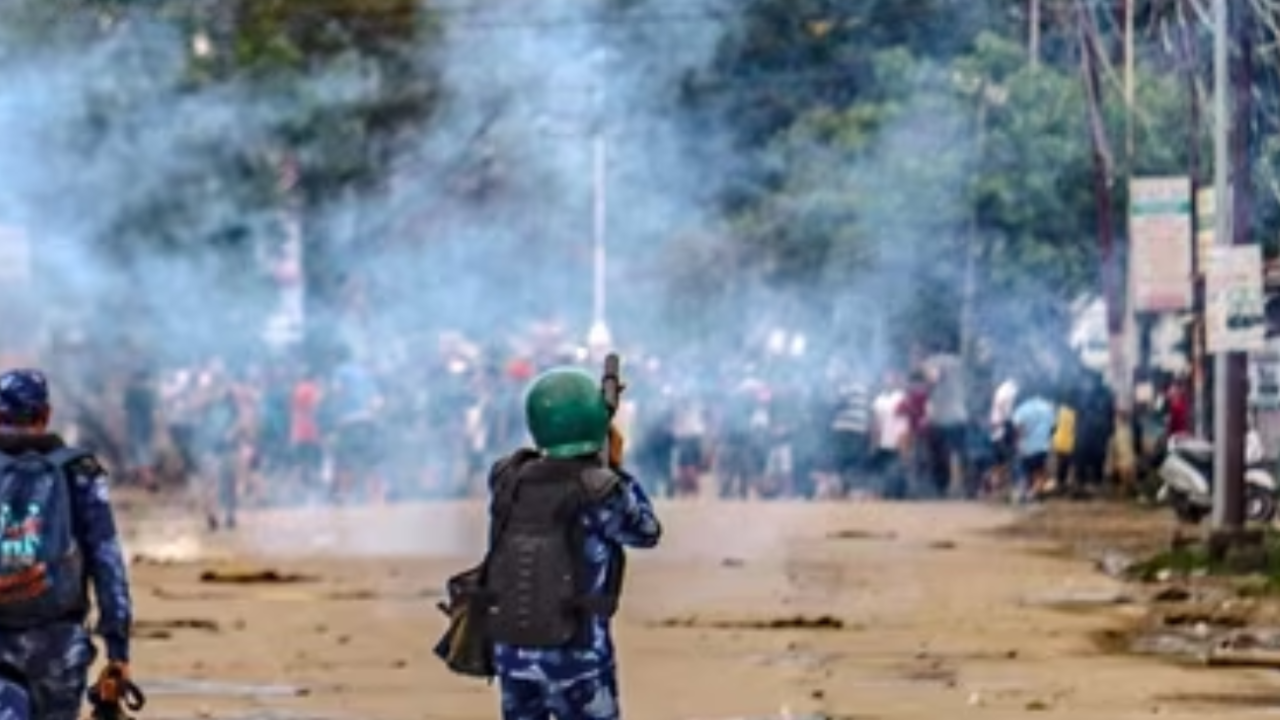
In a shocking escalation of the ongoing ethnic conflict in Manipur, suspected Kuki militants bomb attack on Tuesday morning in the Bishnupur district left the community reeling. Reports indicate that the attack targeted a civilian home in Moirang Tronglaobi, tragically resulting in the deaths of two innocent toddlers and serious injuries to their mother. This heinous act, attributed to the rise of Kuki narco-terrorism in the region, underscores the deteriorating security situation and the urgent need for intervention. Local leaders have vehemently condemned the violence, denouncing the bomb attack as an act of terrorism that should compel authorities to restore peace and safety. The impact of such tragedies further ignites discussions about the rampant violence in Manipur, highlighting the need to address the root causes of the ethnic strife plaguing the region.
The recent incident marked by the Kuki militants’ bomb attack signifies a critical moment in the troubled landscape of Manipur, where escalating violence has increasingly targeted civilians. This incident can be viewed as part of the broader Moirang Tronglaobi incident, which emphasizes the dire consequences of the ongoing ethnic conflicts that have plagued this part of India. As the community grapples with the fallout from the bomb attack, local leaders and residents are calling for urgent action against the devastating effects of Kuki narco-terrorism. The violence not only threatens public safety but also exacerbates the already tense social fabric, demanding immediate attention to foster reconciliation and stability. In the wake of such tragic losses, it is crucial to critically assess the implications of these events on future peace efforts in Manipur.
Kuki Militants Bomb Attack: A Disturbing Trend in Ethnic Violence
The recent bomb attack perpetrated by suspected Kuki militants in Bishnupur district highlights a troubling escalation in the ongoing ethnic conflict in Manipur. On April 7, 2026, an explosive device struck a civilian home in Moirang Tronglaobi, tragically resulting in the deaths of two young children and injuring their mother. This incident underscores the dire consequences of Kuki narco-terrorism, which has plagued the region and thrust innocent civilians into the crossfire of a violent struggle. As the bomb detonated in the early hours, it shattered the lives of a family who had been asleep, exposing the brutal reality faced by many in this conflict-ridden area.
Moreover, the attack raises questions about the safety of civilians amidst the chaos that erupted in the region’s ethnic strife, particularly around the hill areas of Churachandpur. Reports of gunfire and violence have become all too common, especially following the peak of ethnic tensions in 2023 and 2024. The tragic loss of life in the Moirang Tronglaobi incident not only sentimentally resonates with the local community but also serves as a grim reminder of the vulnerabilities associated with the ongoing insurrections fueled by historical grievances.
Local BJP MLA Th Shanti Singh’s condemnation of the attack underscores the need for a strengthened response to such acts of violence. Singh classified the brutal bomb attack as an act of terrorism, emphasizing that these inhumane actions should be unequivocally rejected by society. His comments reflect a growing frustration among political leaders and communities alike, who have witnessed a surge in violence that directly affects families and their sense of security. The impact of Kuki militancy extends beyond immediate casualties, instilling a pervasive fear in residents of Bishnupur district and the surrounding areas, thereby destabilizing livelihoods and community bonds.
In the wake of this attack, it is crucial to implement strategies that address the motivations behind Kuki narco-terrorism while also safeguarding citizens from future attacks. Enhanced security measures, community reconciliation initiatives, and dialogue between conflicting parties could pave the way towards long-term peace. With the community grappling with unforeseen tragedies such as the loss of these two innocent lives, stakeholders must prioritize restorative justice and conflict resolution to stem the tide of violence that has claimed so many lives.
Impact of Ethnic Conflict on Civilian Lives in Manipur
The ethnic conflict in Manipur has dramatically altered the landscape of civilian life, leading to heightened tensions and an increase in violence. With reports of attacks like the one in Moirang Tronglaobi, it is evident that the innocent are often caught in the crossfire, affecting not only the immediate victims but also the wider community. Families have been shattered, as witnessed in the recent bomb attack, leading to a climate of fear and uncertainty that permeates everyday life in the region. Consequently, many residents are compelled to choose between their safety and their homes, further complicating the humanitarian crisis driven by ongoing violence.
Local leaders like Th Shanti Singh, who have condemned attacks against civilians, play a pivotal role in advocating for peace and unity amidst such turmoil. Their voices serve as critical reminders that the violence must be stopped to prevent further loss of life and to foster an environment where mutual respect can thrive. As the Moirang Tronglaobi incident reflects, a new approach is essential, one that places the protection of innocent lives at the forefront of political dialogue and security policy in Manipur.
The socio-economic ramifications of the ethnic conflict extend far beyond physical safety, as the ongoing violence disrupts trade, agriculture, and education in the affected regions. Businesses struggle to operate under constant threat, and families face the looming uncertainty of daily life amidst violence. Schools often close due to safety concerns, denying children crucial education opportunities and obstructing their futures. Thus, the bomb attack that resulted in the tragic loss of two children is not merely a standalone incident; it represents a larger societal crisis that threatens the very fabric of the community.
As families mourn the loss of their loved ones, the call for healing and reconciliation must be answered. Initiatives focusing on community development, security, and the establishment of peaceful coexistence can pave a path toward stabilizing the region. Addressing the root causes of this ethnic conflict, perhaps through dialogues and reconciliatory measures involving various stakeholders, could mitigate the potential for future escalations while honoring the memories of those lost in these tragic events.
Addressing Kuki Narco-Terrorism: A Crucial Step Forward
Kuki narco-terrorism has emerged as a significant factor exacerbating the ethnic tensions in Manipur, contributing to conflicts that devastate local communities. The recent bomb attack in Bishnupur district highlights the urgent need to address the multifaceted issues linked to narco-terrorism if any semblance of peace is to be achieved. This form of terrorism not only derives funding from drug trafficking but also feeds into the cycle of violence that threatens the very essence of human life. The use of such tactics against civilians fundamentally undermines any possibility for dialogue or reconciliation and must therefore be confronted with coordinated efforts from both local and national authorities.
Combating narco-terrorism requires a comprehensive approach encompassing law enforcement, community engagement, and development programs. Efforts to dismantle drug networks must go hand-in-hand with initiatives that offer alternative livelihoods to those involved in the narco-economy, while fostering a sense of belonging and security among affected populations. By addressing these underlying issues, it becomes feasible to curb acts of violence like those associated with the Moirang Tronglaobi incident and allow the region to heal.
Moreover, engaging local communities in the fight against narco-terrorism is vital to restoring trust in governance and empowering citizens to take an active role in ensuring their safety. Tailored programs aimed at educating the youth about the dangers of narco-trafficking, coupled with support systems for rehabilitation of those affected, can foster a proactive stance against such violence. Policymakers must also prioritize collaboration with NGOs and civil society groups that work on the ground, as these entities have firsthand experience and can provide valuable insight into the unique challenges faced by the community. Ensuring that the voices of the people are heard in policy discussions will not only contribute to more effective solutions but also help to rebuild the social fabric that has been torn apart by continuous conflict.
Political Responses to Violence in Manipur
In light of the recent bomb attack on civilians, political responses to violence in Manipur have come under scrutiny, with a focus on how leaders can facilitate safety and security in their communities. The reaction of local MLA Th Shanti Singh emphasizes the need for swift and decisive action against acts of terror carried out by Kuki militants. Political leaders must collaborate with security forces to ensure that violent incidents are met with appropriate responses that protect innocent lives and uphold the rule of law. The commitment of local officials to denounce violence is a crucial first step in signaling to the public that thorough investigations and accountability measures will be prioritized following such tragedies.
However, the challenge lies not only in reactive measures but also in proactive strategies that address deep-rooted social and economic issues contributing to unrest. Engaging in dialogue with conflicting groups, coupled with community-based peace initiatives, can foster trust and understanding. By prioritizing peace over militarization, political leaders can work towards mitigating the cycle of violence that has gripped Manipur and establishing a governance framework where citizens feel empowered to engage with their leaders concerning public safety.
Furthermore, political discourse must evolve to include broader discussions about the historical context of ethnic conflicts in Manipur. Understanding the grievances and aspirations of various communities can better inform policy-making that ultimately benefits all, rather than exacerbating divisions. It is imperative that local political parties reflect on their roles in promoting harmony rather than fueling tensions. Collaborative efforts that involve various stakeholders — including civil organizations, local leaders, and affected families — can create a united front against violence, guiding the region towards sustained peace and stability.
Community Impact and Mobilization Against Violence
The community impact of the recent bomb attack in Moirang Tronglaobi resonates deeply among residents in the Bishnupur district, highlighting the urgent need for community mobilization against such violence. In the aftermath of the attack, there is a growing sense of unity among locals as they band together to condemn the acts committed by suspected Kuki militants. Community leaders are stepping up to ensure that the voices of the affected families are heard, fostering a climate where collective grief turns into action for justice and safety. Through community gatherings and public forums, locals are not only mourning the loss of young lives but also articulating their demand for peace and security in an atmosphere fraught with uncertainty.
In addition, grassroots organizations and civil society groups are pivotal in mobilizing resources, organizing peace marches, and providing emotional support to families impacted by violence. These initiatives emphasize solidarity and resilience, showcasing the community’s desire to break the cycle of violence and create a safer environment for future generations. This grassroots activism can play a vital role in advocating for policy changes, while also offering a platform for healing and reconciliation, essential for rebuilding trust within the community and with authorities.
Addressing the causes of ethnic conflict requires a community-oriented approach that prioritizes dialogue and education. Workshops that educate community members about the broader implications of Kuki narco-terrorism and the necessity of coexistence are instrumental in fostering understanding. By engaging youth in constructive dialogue and peaceful activities, communities can nurture a generation that values harmony over violence. Raising awareness about the tragic impact of incidents like the recent bomb attack can galvanize community action against future threats, ensuring that residents are informed and prepared to respond to violence collectively.
In the face of adversity, the mobilization against violence serves as a powerful testament to the strength of unity within communities. As residents of Bishnupur district reflect on the recent tragedy, they are also redefining their narrative as one of resilience and peacebuilding. By working together to condemn violence and instill values of tolerance and cooperation, communities can become powerful agents of change, ultimately influencing a peaceful resolution to the long-standing ethnic conflicts in Manipur.
Rebuilding Trust in Governance Post-Violence
The bomb attack that took the lives of two children in Moirang Tronglaobi has amplified the call for accountability and transparency in governance, as residents question the efficacy of law enforcement in protecting them from violence. Rebuilding trust in governance post-violence is crucial for creating a stable environment where communities feel secure. Local leaders, including BJP MLA Th Shanti Singh, must take proactive steps to reassure citizens that their safety is paramount, going beyond mere rhetoric to tangible actions that enhance law enforcement effectiveness. Implementing community policing initiatives may foster a sense of accountability and partnership between authorities and residents, enabling more responsive and responsible governance.
Moreover, transparent communication regarding government actions in response to violence is essential for rebuilding public confidence. Authorities must provide clear updates on investigations related to incidents like the recent attack and demonstrate commitment to justice. Initiatives that involve public consultation in security planning may empower citizens, allowing them to have a voice in decision-making processes that affect their lives amidst ethnic conflict.
Furthermore, civil society organizations play a vital role in advocating for good governance in post-violence contexts. By holding public officials accountable and pushing for reforms, these organizations can act as a bridge between the government and the community. Advocacy for policy changes that address the underlying causes of ethnic conflict, like socio-economic disparities and lack of opportunity, can lead to more inclusive governance. Engaging citizens in dialogues concerning their aspirations and concerns will not only strengthen governance but also create a participatory environment where peace is prioritized over violence. This collaborative approach can lay the foundation for a principled society that values human life and communal harmony.
Frequently Asked Questions
What happened during the Kuki militants bomb attack in the Bishnupur district?
On April 7, 2026, suspected Kuki militants launched a bomb attack in the Bishnupur district of Manipur, targeting a civilian home in Moirang Tronglaobi. The explosion tragically resulted in the deaths of two toddlers, a 5-year-old boy and a 6-month-old girl, while their mother sustained injuries.
How are the Kuki militants linked to the ongoing ethnic conflict in Manipur?
The Kuki militants are implicated in the escalating ethnic conflict in Manipur, with particular reference to violent incidents such as the Bishnupur district bomb attack. This ongoing strife peaked significantly between 2023 and 2024, with Kuki narco-terrorism noted as a driving force behind many violent actions.
What was the response from local officials regarding the Moirang Tronglaobi incident?
Local BJP MLA Th Shanti Singh strongly condemned the Moirang Tronglaobi incident, labeling the Kuki militants’ bomb attack as a ‘brutal act of terrorism.’ He expressed heartfelt condolences for the innocent children lost in the attack and emphasized that such violent actions must be condemned firmly.
What are the implications of the Kuki militants’ actions in relation to global perceptions of terrorism?
The Kuki militants’ bomb attack in Manipur aligns with broader global concerns regarding terrorism, as highlighted by the tragic loss of innocent lives in the Bishnupur district. This incident underlines the urgent need for national and international responses to combat terrorism and protect civilians.
Why is the term ‘Kuki narco-terrorism’ significant in discussions about the recent bomb attack?
The term ‘Kuki narco-terrorism’ is significant as it contextualizes the motivations behind the Kuki militants’ violent actions, including the recent bomb attack in Moirang Tronglaobi. This terminology reflects the intertwining of drug trafficking and ethnic violence, indicating deeper societal issues that fuel ongoing conflict in Manipur.
What measures are being suggested to address violence arising from ethnic conflicts like that seen in the Bishnupur district?
To address the violence stemming from ethnic conflicts, including those related to the Kuki militants’ bomb attack, officials advocate for increased security measures, community dialogue, and robust law enforcement actions against terrorism. Additionally, long-term socio-economic development is necessary to mitigate the roots of such conflicts.
| Key Point | Details |
|---|---|
| Incident Date | April 7, 2026 |
| Location | Moirang Tronglaobi, Bishnupur district, Manipur |
| Casualties | Two toddlers killed: a 5-year-old boy and a six-month-old girl |
| Injuries | Their mother was injured due to the explosion |
| Nature of Attack | Bomb attack on civilian home |
| Condemnation | Local BJP MLA Th Shanti Singh condemned the attack as terrorism |
| Background | The area has seen ongoing conflict and gunfire related to ethnic tensions since 2023 |
Summary
The Kuki militants bomb attack that occurred on April 7, 2026, in Manipur has elicited widespread condemnation and sorrow. This tragic event highlights the increasing violence and instability in regions affected by ethnic conflicts. With innocent lives lost, including that of two young children, this incident not only underscores the dire humanitarian issues but also emphasizes the urgent need for peace and reconciliation in the affected areas. Community leaders and officials are calling for a united front against such acts of terrorism to prevent further tragedies.



























