

Market Navigator is your essential guide for understanding the economic landscape as we delve into the turbulent waters of oil market volatility spurred by ongoing geopolitical conflicts. With the recent US inflation report unveiling crucial insights, and the persistent uncertainties surrounding China inflation trends, investors are on high alert for signs of change. The instability in the Middle East adds layers of complexity, affecting both commodity prices and broader market sentiment. Additionally, the latest analysis of the US labor market reveals mixed signals that contribute further to the market’s unpredictability. As we navigate through this week, stay tuned for insights that could shape investment strategies in these fluctuating conditions.
In this edition of your market overview, we explore the intricate dynamics influencing trading and investment decisions amid current economic challenges. The volatility in oil prices, shaped by recent geopolitical tensions, has led to heightened scrutiny of inflation metrics in both the US and China. Market reactions are sharp as analysts process the implications of ongoing conflicts and their repercussions on the global economy. Furthermore, an in-depth look into labor market developments provides a vital perspective on consumer spending power and economic resilience. Together, these factors are critical in understanding market trajectories and planning for strategic investments.
Analyzing Oil Market Volatility Amid Geopolitical Tensions
The oil market has been sharply volatile in recent weeks, driven by heightened geopolitical tensions primarily linked to the Middle East conflict. With Brent crude oil hovering above $110, uncertainty surrounding supply routes and production levels has significantly impacted investor sentiment. Market participants are grappling with the implications of US-Iran relations, particularly as rhetoric suggests potential military action, which could lead to further spikes in oil prices, thereby augmenting inflationary pressures globally.
Additionally, market analysts are closely observing how these dynamics interweave with both the US and Chinese economic landscapes, especially as they prepare for pivotal inflation reports. The direct correlation between oil prices and inflation metrics cannot be ignored; a surge in crude prices often translates to increased production costs, further complicating the inflation narrative not only in the US but also impacting demand in emerging economies like China.
US Inflation Report: Key Indicators to Watch
This week’s anticipated release of the US inflation report will be a crucial event for market participants. Economists predict that the Consumer Price Index (CPI) will reflect the initial shock from rising energy costs, especially following the recent volatile trends in the oil market due to geopolitical unrest. Any substantial uptick in inflation could stir concerns about the Federal Reserve’s monetary policy moving forward, leading to potential interest rate adjustments.
The focus will also be on core inflation data, which excludes volatile items like food and energy. This metric will provide insights into underlying inflation trends and help assess consumer resilience amidst rising living costs. Analysts will be keenly evaluating how the labor market’s performance, reflected in non-farm payrolls and wage growth, plays into inflation, as a healthy labor market typically supports higher consumer spending.
China’s Inflation Trends: Implications for Global Markets
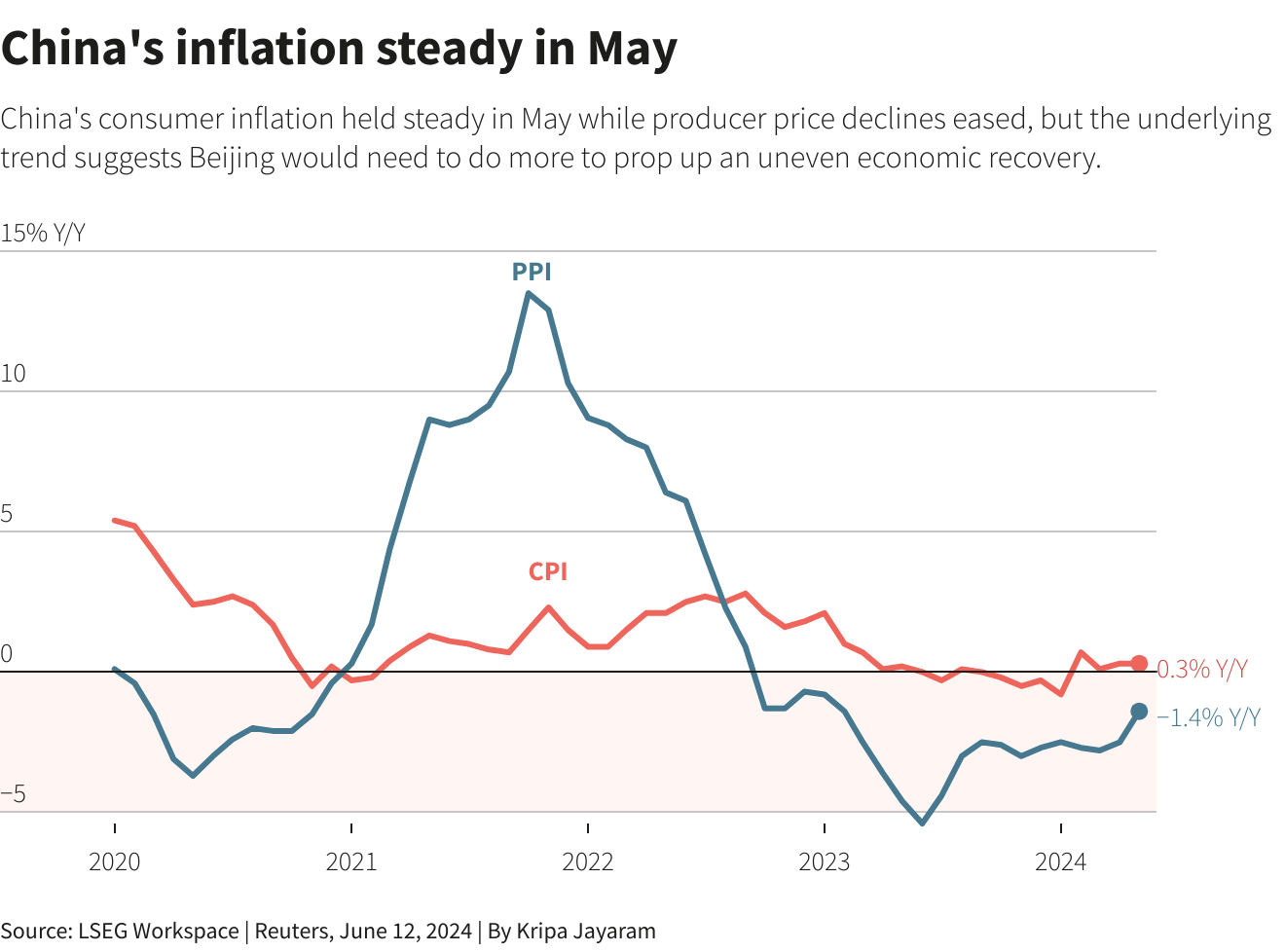
As China releases its inflation data, market observers are poised to analyze how these figures will reflect the broader economic recovery narrative in the region. The forecasted inflation rate is expected to reveal whether recent measures taken by the Chinese government to combat deflationary pressures are yielding results. A notable increase in inflation could signal a recovery, spurring optimism about demand for commodities, including oil, thereby influencing global prices.
Furthermore, analysts are also considering the implications of China’s inflation trends on its economic relationship with the US. A stronger inflationary environment in China could prompt a reaction from US policymakers, especially with the Federal Reserve closely monitoring global economic signals that may affect their interest rate decisions. Hence, the unfolding inflation scenario in China could provide critical insights into future market flows and investment strategies.
Impact of Middle East Conflict on Global Markets
The ongoing conflict in the Middle East has caused ripples throughout global financial markets, particularly affecting oil prices and resulting in increased market volatility. Investors are closely monitoring the situation, as any escalation could disrupt oil supply chains, further exacerbating existing inflation concerns in countries heavily reliant on Middle Eastern oil exports. The heightened geopolitical risks have created a climate of uncertainty that could hinder global economic recovery efforts, especially in regions where oil consumption is a significant driver of economic growth.
Moreover, the ramifications of this conflict extend beyond just oil prices. Stock markets worldwide are experiencing fluctuations correlated with headlines from the region, indicating a high sensitivity to conflict developments. As investors weigh potential outcomes, the volatility seen in equities, particularly in energy and transportation sectors, exemplifies the intricate ties between geopolitical risks and market performance.
Insights from the US Labor Market Analysis
In recent weeks, the US labor market has shown signs of resilience, despite the ominous backdrop of rising oil prices and international tensions. The latest non-farm payroll data indicated a rise significantly above market expectations, suggesting that hiring remains robust in critical sectors such as construction and hospitality. However, with wage growth stagnating to a five-year low, concerns are mounting about the real purchasing power of consumers amid rising costs driven by inflation.
Market analysts believe that the labor market’s health will be crucial in moderating inflation dynamics. While employment gains provide positive sentiment, the interplay of stagnant wages with rising energy prices could limit consumer spending ability, potentially leading to a deceleration in economic activity. Therefore, understanding the labor market’s trajectory will be essential for policymakers as they navigate the complexities of inflation and economic growth.
Market Navigator: Strategic Insights for Investors
The current market landscape necessitates prudent analysis and strategic foresight. With the intersection of rising oil prices, geopolitical risks, and mixed labor market signals, investors must remain vigilant. The outcome of the upcoming US inflation report, coupled with developments from the Middle East, will likely dictate market movements in the near term. Thus, having a market navigator, which synthesizes these elements into actionable insights, becomes imperative for making informed investment decisions.
Investors might want to diversify their portfolios to mitigate risks associated with specific sectors adversely affected by inflationary pressures or geopolitical tensions. For instance, while energy stocks may benefit from high oil prices in the short term, sectors reliant on consumer spending may face headwinds. Therefore, using a thorough market navigator approach to assess risks and opportunities across various sectors will be key to navigating this volatile environment.
The Role of Central Banks in Inflation Management
Central banks play a pivotal role in managing inflation, especially during periods of heightened uncertainty due to external factors such as geopolitical conflicts. The Federal Reserve’s upcoming decisions will hinge on the inflation data released this week, as any signs of runaway inflation could prompt preemptive rate hikes to curb excessive price growth. Market participants are keenly aware of how such moves could influence not only the US economy but also broader global economic dynamics.
Similarly, the People’s Bank of China may need to balance its monetary policies to address domestic inflation while mitigating the impacts of external pressures from the global oil market. The delicate equilibrium between ensuring economic growth and controlling inflation presents significant challenges for central banks, necessitating keen monitoring of inflationary trends both domestically and abroad.
Understanding Consumer Sentiment in Economic Recovery
Consumer sentiment is a critical indicator of economic recovery, and this week’s Michigan consumer sentiment index release will provide valuable insights into how consumers perceive current economic conditions amidst rising inflation and geopolitical tensions. An increase or decrease in consumer confidence can have ripple effects on spending behaviors, which in turn influence GDP growth forecasts and inflation trajectories.
With inflation affecting purchasing power, understanding consumer sentiment will allow policymakers and market analysts to gauge the potential for sustained economic recovery. A decline in sentiment could signal tightening household budgets and reduced discretionary spending, leading to a dampening effect on overall economic growth. Thus, close attention to these sentiment shifts will be essential as the economic landscape evolves.
Technological Stocks Amid Market Uncertainties
Tech stocks have shown resilience amidst the volatility, spurred by company-specific developments and positive outlooks for sectors like artificial intelligence. Notably, Intel’s significant stock price surge indicates renewed investor confidence, stemming from strategic company maneuvers that align with the current market trends. However, the sustained performance of tech stocks remains contingent upon macroeconomic factors such as inflation and geopolitical risks, which can affect investor sentiment broadly.
As the tech sector continues to evolve with innovations and new market entrants, investors need to maintain a laser focus on both individual stock performance and overarching economic conditions. The interplay between market sentiment driven by geopolitical conflicts and sector-specific news will shape the future trajectory of technology stocks, making it vital for investors to remain adaptable in their strategies.
Frequently Asked Questions
How does market volatility impact Brent crude prices, especially in relation to the oil market volatility?
Market volatility significantly impacts Brent crude prices, as seen recently with the ongoing Middle Eastern conflict leading to fears that drove prices near $110 per barrel. Fluctuations in geopolitical events and tensions, particularly involving key oil-producing regions, create uncertainty in the oil market, resulting in increased prices due to supply concerns.
What recent US inflation reports could influence the oil market and investor sentiment?
Recent inflation reports from the US, particularly the March consumer price index (CPI), will play a crucial role in shaping investor sentiment. An unexpected rise in inflation may increase expectations for Federal Reserve rate hikes, which could adversely affect both the oil market and risk assets as borrowing costs increase.
How do China’s inflation trends impact global oil prices and the overall market navigator?
China’s inflation trends can have a profound impact on global oil prices. If China’s inflation shows signs of recovery, it signals increasing demand for energy, potentially driving up oil prices. Analyzing these trends is essential for the market navigator as they directly affect supply chain dynamics and global economic stability.
What is the impact of Middle East conflicts on oil prices and market volatility?
Conflicts in the Middle East significantly influence oil prices and overall market volatility. Heightened tensions can lead to fears of supply disruptions, raising crude oil prices. Thus, monitoring geopolitical developments is crucial for traders and investors as they navigate the oil market amidst rising prices and uncertainty.
How does the US labor market analysis relate to oil market trends?
The US labor market analysis provides insight into economic health, which directly relates to oil market trends. Strong labor data can indicate robust economic growth and increasing fuel demand. Conversely, weak labor metrics may dampen oil demand expectations, impacting pricing in the volatile oil market.
| Key Points | Details |
|---|---|
| Market Volatility | High volatility in oil and risk assets as tensions mount in the Middle East. |
| Oil Prices | Brent crude prices hover around $110 due to escalation fears. |
| U.S. Labor Market | March non-farm payrolls increased by 178,000, unemployment rate slightly decreased to 4.3%. |
| Inflation Trends | Key U.S. and China inflation data releases this week critical for market predictions. |
| Equity Market Recovery | US equities rebounded as Dow Jones and S&P 500 showed gains driven by positive economic data. |
| Mixed Signals in Japan | Nikkei 225 saw its worst month since 2008 with a 13.2% decline, attributed to energy reliance. |
| Market Focus | Attention shifts to inflation data, consumer health insights, and potential Fed rate hikes. |
Summary
Market Navigator highlights the significant volatility in financial markets due to rising tensions in the Middle East, affecting oil prices and inflation expectations. With essential inflation data from the US and China on the horizon, stakeholders are urged to remain vigilant as these developments may reshape monetary policy strategies. As the week unfolds, traders are encouraged to analyze the potential implications of these economic indicators on market activities.



























