

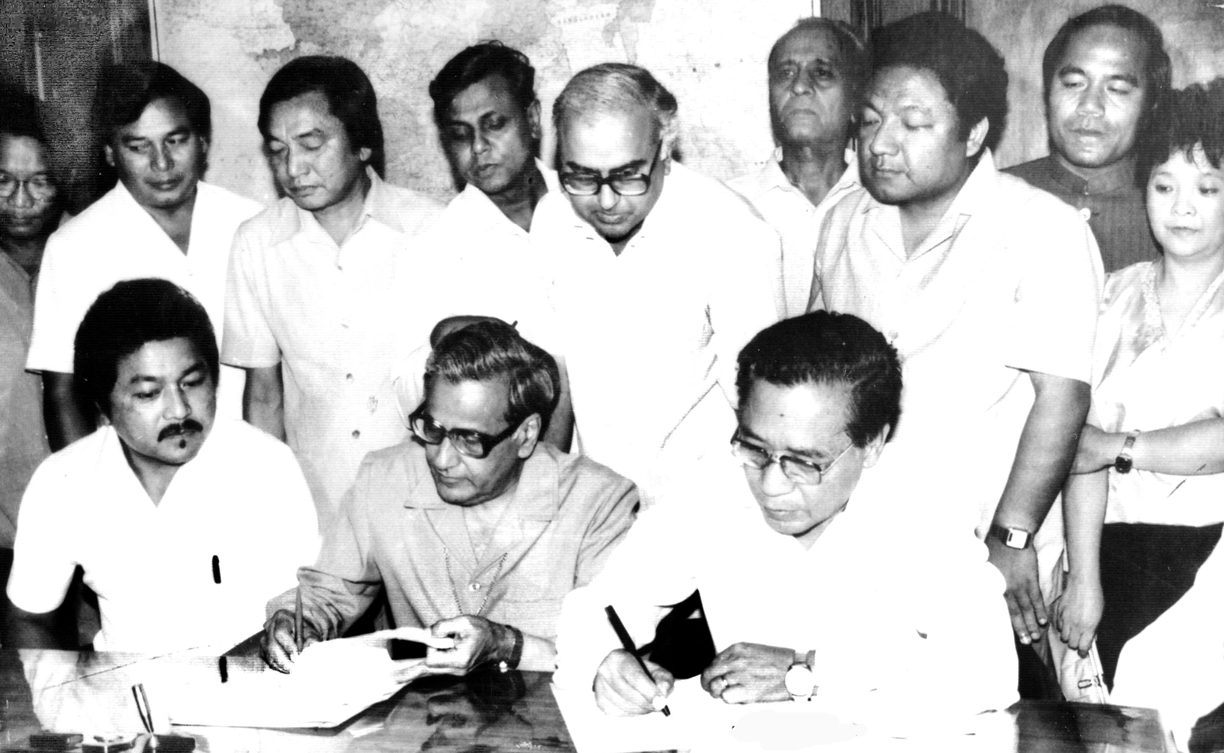
The Mizoram peace accord marks a significant milestone in the ongoing quest for stability in the region, with the state government poised to formalize an agreement with the Hmar People’s Convention (Democratic) led by Lalhmingthanga Sariate on April 14. This pivotal Memorandum of Settlement (MoS) aims to address long-standing issues, focusing on development initiatives that promise to enhance infrastructure and connectivity. Notably, the accord is positioned to support the establishment of Eklavya Residential Schools and recognizes key Hmar festivals, underscoring the commitment to cultural integration. As part of the resolution to the insurgency in Mizoram, approximately 40 HPC-D cadres are expected to transition into civilian life, signaling a hopeful end to armed conflict in the area. This agreement serves as a continuation of previous accords and reflects an evolving approach to peace, with the HPC-D’s involvement being a crucial step toward comprehensive reconciliation.
In a groundbreaking move towards peace, the upcoming accord in Mizoram represents an agreement between the local government and the faction known as the Hmar People’s Convention (Democratic), spearheaded by Lalhmingthanga Sariate. This document, often referred to in discussions as the HPC-D accord, is designed to finalize peace discussions that have lingered since earlier years of conflict. The region has witnessed a complex history of insurgency, with various groups seeking autonomy and rights, and the current settlement seeks to resolve outstanding tensions while fostering community development. The Memorandum of Settlement is not only a strategic plan for infrastructural improvement but also aims to enhance social welfare through educational initiatives. As Mizoram navigates its post-insurgency landscape, such peace agreements are instrumental in forging a path toward lasting stability and growth.
Understanding the Mizoram Peace Accord with HPC-D
The Mizoram peace accord marks a significant milestone in the region’s ongoing efforts to establish harmony and promote development. The agreement with the Hmar People’s Convention (Democratic), led by Lalhmingthanga Sariate, symbolizes a collective commitment to peace, addressing long-standing issues related to insurgency in Mizoram. By formalizing this agreement, the government aims not only to integrate the HPC-D faction into the mainstream but also to foster an environment conducive to socio-economic progress.
As part of the peace accord, the framework encapsulated in the Memorandum of Settlement highlights key developmental initiatives that aim to uplift the Hmar community. These initiatives include infrastructural improvements, enhanced connectivity for remote areas, and educational initiatives such as the establishment of Eklavya Residential Schools. This focus on development underscores the government’s recognition of the importance of addressing the grievances of the Hmar population while simultaneously working towards stability in the region.
Historical Context of the Hmar People’s Convention
The origins of the Hmar People’s Convention (HPC) date back to 1986 when it was established with the intent to secure an autonomous district council for Hmar-dominated regions under the Sixth Schedule of the Constitution of India. Over the years, this movement has evolved, leading to the formation of different factions, with the HPC-D being a prominent one. The historical struggle of the Hmar people for self-determination illustrates the complexities of regional identities and the impact of insurgency in Mizoram.
Despite a previous peace accord in 1994 that resulted in the formation of the Sinlung Hills Development Council, factions like the HPC-D have continued to operate outside the mainstream dialogue. Lalhmingthanga Sariate’s leadership represents a pivotal moment in addressing these unresolved issues, providing a pathway for potential reconciliation and integration of the Hmar community while ensuring that their cultural identity is respected.
Key Features of the Memorandum of Settlement
The Memorandum of Settlement (MoS) is a crucial element of the Mizoram peace accord as it delineates specific commitments between the state government and the HPC-D faction. Among its key features is the agreement for the rehabilitation of around 40 HPC-D cadres, who will surrender their arms and reintegrate into civilian life. This aspect is essential in signaling the end of hostilities and paving the way for a more peaceful coexistence in Mizoram.
Furthermore, the MoS emphasizes developmental programs tailored to the needs of the Hmar community, addressing grievances that have fueled the insurgency in Mizoram. By focusing on critical areas such as improving infrastructure and enhancing educational opportunities, the government aims to mitigate socio-economic disparities that often serve as catalysts for unrest, creating a more stable and inclusive environment for all residents.
Implications of the HPC-D Accord on Regional Stability
The signing of the peace accord with the HPC-D is expected to have a profound impact on regional stability in Mizoram. As the last active insurgent group in the region, the formalization of this accord signifies the culmination of decades of conflict and negotiations. With the potential dismantling of insurgent operations, the Mizoram government can redirect resources towards development initiatives, promoting peace and prosperity for all communities.
Moreover, the peace agreement is also likely to serve as a model for resolving other conflicts in the Northeast of India. Successful implementation of the HPC-D accord can foster trust among other ethnic and insurgent groups, encouraging them to engage in dialogue and seek peaceful resolutions to their demands. This could lead to a broader framework for peace and cooperation across the region.
Challenges Ahead in Implementing the Accord
While the Mizoram peace accord with the HPC-D presents a unified vision for the future, challenges remain in its effective implementation. The integration of surrendered cadres back into society is a delicate process that requires careful planning and resources. The government must ensure that appropriate rehabilitation programs are in place to facilitate this transition and prevent any resurgence of insurgency among disenfranchised youth.
Additionally, the historical context of distrust between communities necessitates a concerted effort towards building bridges between the Hmar people and other ethnic groups in Mizoram. Initiatives aimed at promoting cultural understanding and cooperative development will be vital in ensuring that the peace accord leads to enduring stability, rather than merely papering over past grievances.
The Role of Government and Community in Peace-Building
The success of the Mizoram peace accord hinges on the collaboration between government entities and the Hmar community. Government officials, represented by the Home Secretary at the signing ceremony, play a crucial role in fostering dialogue and ensuring that the terms of the agreement are honored. However, active participation from community leaders like Lalhmingthanga Sariate is equally important in advancing the peace-building process.
Engaging the community in developmental planning—especially in areas like education, infrastructure, and cultural preservation—will help to enhance trust and promote a sense of ownership over the peace process. By involving local stakeholders in decision-making, the government can address the root causes of conflict, ensuring that all voices are heard and respected in the ongoing journey toward sustainable peace.
Future Prospects for the Hmar Community
As the HPC-D embarks on this new chapter post-accord, prospects for the Hmar community appear promising yet require sustained effort and commitment. With the potential for improved infrastructure and educational opportunities on the horizon, there is hope for economic growth and enhanced quality of life for Hmar people. The focus on recognizing Hmar festivals celebrates their cultural heritage and fosters a sense of pride and identity within the community.
However, the path ahead is not devoid of challenges. It is essential for the HPC-D and the state government to work collaboratively to ensure that proposed initiatives are implemented effectively. The successful realization of these goals will determine the extent to which the peace accord can transform the lives of the Hmar community and contribute to the larger peace narrative in Mizoram.
Lessons from Previous Peace Agreements
The journey toward peace in Mizoram offers valuable lessons from previous agreements, including the 1994 accord with the original Hmar People’s Convention. Observations from past attempts illustrate the complexities involved in integrating various factions and addressing diverse community needs. Transitioning from conflict to peace requires addressing historical grievances and ensuring inclusive development, which has not always been achieved.
The current agreement with the HPC-D signals an opportunity to learn from these experiences. By incorporating lessons about community engagement, trust-building, and the importance of economic opportunities, the Mizoram government can frame a more effective peace strategy. This proactive approach will be essential in ensuring that this accord leads to lasting harmony in a region that has long grappled with insurgency and ethnic discord.
Cultural Considerations in the Peace Process
Cultural considerations play a vital role in the peace process within Mizoram, particularly for the Hmar community. Recognizing the importance of Hmar festivals and traditions in the memorandum signifies the government’s commitment to preserving and promoting the cultural identity of the Hmar people. This acknowledgment fosters goodwill and can significantly ease tensions between communities historically marked by conflict.
Moreover, integrating cultural aspects into developmental initiatives can enhance community involvement and acceptance of government programs. By prioritizing cultural education and participation, the peace accord can serve not just as a political document, but as a blueprint for fostering synergy between development and cultural heritage, ultimately leading to enduring peace and prosperity.
Frequently Asked Questions
What is the Mizoram peace accord with the Hmar People’s Convention?
The Mizoram peace accord is a significant agreement between the Mizoram government and the faction of the Hmar People’s Convention (Democratic) led by Lalhmingthanga Sariate. This accord, set to be formalized on April 14, focuses on development initiatives and aims to address the aspirations of the Hmar community.
Who is Lalhmingthanga Sariate in relation to the Mizoram peace accord?
Lalhmingthanga Sariate is the leader of the Hmar People’s Convention (Democratic) (HPC-D) and is set to sign the Mizoram peace accord. His leadership plays a crucial role in the negotiations aimed at ending insurgency in Mizoram and improving relations between the Hmar community and the state government.
What components are included in the Memorandum of Settlement of the Mizoram peace accord?
The Memorandum of Settlement (MoS) within the Mizoram peace accord prioritizes several key areas, including infrastructure development, enhanced connectivity, the establishment of Eklavya Residential Schools, and the recognition of significant Hmar festivals to support cultural identity and community development.
What are the implications of the HPC-D accord for insurgency in Mizoram?
The HPC-D accord is expected to have a substantial impact on curbing the insurgency in Mizoram as it facilitates the surrender of around 40 HPC-D cadres. By integrating these individuals back into civilian life, the accord aims to bring about stability and lasting peace in the region.
What historical context led to the formation of the Hmar People’s Convention and the current peace efforts?
The Hmar People’s Convention was originally established in 1986 to advocate for an autonomous district council under the Sixth Schedule for Hmar-dominated areas. While earlier peace efforts culminated in the 1994 peace accord, the faction led by Lalhmingthanga Sariate remained outside the peace process, which has led to the current negotiations to finalize the Mizoram peace accord.
How does the Mizoram peace accord aim to recognize Hmar culture?
The Mizoram peace accord emphasizes the recognition of key Hmar festivals as part of its commitment to support cultural heritage and promote community development, which is vital for the socio-cultural identity of the Hmar people.
What are the expected outcomes of the peace accord in terms of rehabilitation for HPC-D members?
As part of the Mizoram peace accord, around 40 members of the HPC-D are expected to surrender their arms and undergo rehabilitation back into civilian life, although the government may initially approve a limited number for this process.
Why is the current peace negotiation significant for Mizoram’s future?
The current peace negotiation, which includes the Mizoram peace accord with the HPC-D, is significant because it addresses the needs of historically marginalized communities and aims to eliminate the last active insurgent group in Mizoram, fostering a more peaceful and stable future for the region.
| Key Points |
|---|
| The Mizoram government is signing a peace accord with the Hmar People’s Convention (Democratic) led by Lalhmingthanga Sariate. |
| The signing ceremony is scheduled for April 14, with state officials in attendance. |
| The agreement focuses on development initiatives like infrastructure improvement and Eklavya Residential Schools. |
| Approximately 40 HPC-D cadres will surrender weapons and return to civilian life as part of the agreement. |
| The HPC-D is an offshoot of the original Hmar People’s Convention formed for autonomy under the Sixth Schedule. |
| This faction has been the last active insurgent group in Mizoram, with hopes that the agreement will establish lasting peace. |
Summary
The Mizoram peace accord signifies a pivotal step towards achieving lasting stability in the region. Set to be formalized on April 14, this agreement between the Mizoram government and the Hmar People’s Convention (Democratic) aims to resolve longstanding tensions and facilitate development initiatives. By focusing on infrastructure, education, and the rehabilitation of insurgents, this accord not only marks a critical moment in Mizoram’s history but also demonstrates a commitment to fostering a peaceful coexistence among its diverse communities. As stakeholders come together, the hope is that the Mizoram peace accord will effectively end years of conflict and pave the way for a prosperous future.



























