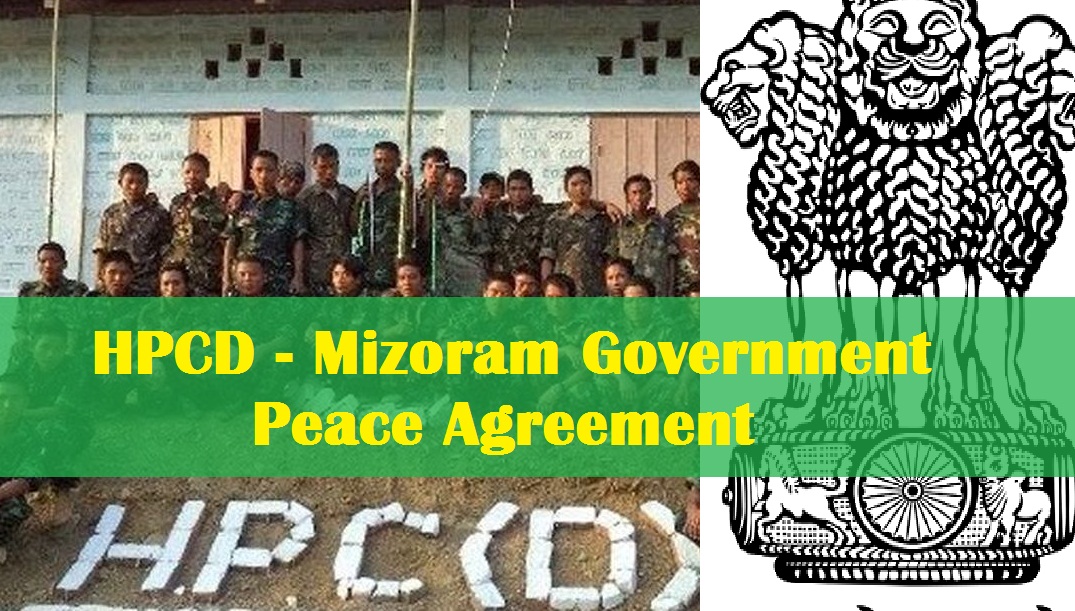
The Mizoram peace agreement is poised to mark a historic milestone in the region’s journey towards stability. Scheduled to be signed on April 14 in Sakawrdai village, this crucial treaty involves the Lalhmingthanga Sanate faction of the Hmar People’s Convention (Democratic), signaling a promising resolution to the longstanding Hmar insurgency. This pivotal moment is not just about ending conflict; it represents a renewed commitment to peace and cooperation within Mizoram. Residents in Aizawl district and beyond eagerly anticipate the benefits that this peace treaty Mizoram could bring, fostering better governance and social harmony. As the state gears up for this significant event, Mizoram news is buzzing with excitement and optimism about a brighter future ahead.
In a significant turning point for the region, the recent peace treaty in Mizoram is set to address years of conflict caused by the Hmar insurgency. This forthcoming agreement, expected to be finalized in Sakawrdai village, highlights a commitment to reconciliation and stability among local factions, particularly the Hmar People’s Convention (Democratic). The implications of this treaty are profound, as it not only aims to quell tensions but also to usher in a new era of cooperation across Aizawl district. The anticipation surrounding this event is palpable, as community members and leaders look forward to the transformative potential this agreement holds. With each passing day, the essence of peace and unity continues to resonate throughout Mizoram, reshaping the narrative of the region.
Understanding the Mizoram Peace Agreement
The upcoming peace agreement in Mizoram marks a significant milestone in the state’s efforts to resolve long-standing issues related to the Hmar insurgency. This accord, set to be signed on April 14 in Sakawrdai village, aims to bring stability and peace to the region, particularly in Aizawl district, which has been affected by insurgent activities. The agreement with the Lalhmingthanga Sanate faction of the Hmar People’s Convention (Democratic) represents the government’s commitment to addressing the grievances of the Hmar community and fostering dialogue for lasting peace.
This peace treaty is not just about ending hostilities; it also involves economic rehabilitation and development initiatives for the Hmar community. The Mizoram government has recognized that sustainable peace requires addressing the root causes of the conflict, including social and economic disparities. By focusing on inclusivity and development, the state hopes to build trust and promote harmony among various ethnic groups, which is essential for the long-term stability of Mizoram.
The Role of the Hmar People’s Convention in Mizoram’s Peace Process
The Hmar People’s Convention (HPC) has played a pivotal role in the dynamics of the Hmar insurgency and the ongoing peace processes in Mizoram. Established to advocate for the rights and recognition of the Hmar community, the HPC has evolved through various phases of negotiation and conflict. Its factions, particularly the Lalhmingthanga Sanate faction, have engaged with government authorities to seek a peaceful resolution to the issues that have led to decades of unrest in the region.
Recent developments indicate a shift towards reconciliation, with the HPC and the Mizoram government acknowledging the need for collaborative approaches to foster peace. This partnership is critical in ensuring that the terms of the peace treaty are upheld, and that the voices of the Hmar people are heard in the decision-making process. By bringing various stakeholders to the table, the government aims to create a framework that addresses both the immediate and long-term needs of the Hmar community while enhancing overall stability in Aizawl and beyond.
The Impact of the Hmar Insurgency on Local Communities in Mizoram
The Hmar insurgency has significantly impacted local communities across Mizoram, often leading to a cycle of violence and displacement. This conflict has disrupted lives, created fear among residents, and hampered socioeconomic development in affected areas, particularly in regions like Aizawl district. With the insurgency often spilling over into violence, the local population has borne the brunt of the instability, leading to strained relations between ethnic groups and a weakening of communal ties.
Acknowledging these impacts, the Mizoram government has prioritized initiatives aimed at rebuilding communities following the peace agreement. By focusing on localized development projects and community engagement, the authorities aim to restore trust and foster a sense of belonging among all ethnic groups in Mizoram. This holistic approach will not only address the immediate needs of those affected by the conflict but also lay the groundwork for a durable peace that benefits the entire state.
Socio-economic Development Following the Peace Treaty in Mizoram
The social and economic landscape of Mizoram is set to transform following the signing of the peace treaty with the Hmar People’s Convention. This agreement serves as a cornerstone for future development initiatives aimed at improving the quality of life for residents, particularly those from the Hmar community. Anticipating a period of peace, the government plans to invest in critical infrastructure, education, and healthcare services that have been neglected during years of conflict.
Additionally, the Mizoram government is working towards creating sustainable employment opportunities for the Hmar people, which is essential for the community’s rehabilitation. By prioritizing development projects that directly benefit those affected by the Hmar insurgency, the state can facilitate a smoother transition toward societal stability. Investment in youth education and vocational training programs will be crucial in empowering the next generation and breaking the cycle of violence that has been prevalent in the region.
Media Coverage and Public Perception of the Peace Agreement
Media coverage of the Mizoram peace agreement has played a vital role in shaping public perception and awareness about the ongoing developments in the state. As Aizawl district news outlets report on the negotiations, the signing of this agreement is seen as a hopeful turn towards peace and resolution. Positive media representation can significantly influence public sentiment, encouraging both support for the peace process and active participation from the community in rebuilding efforts.
However, it is equally important for the media to provide comprehensive coverage that includes the voices of all stakeholders involved, including those from the Hmar community who have experienced the impacts of the insurgency firsthand. By highlighting personal stories and experiences, the media can foster empathy and understanding among disparate groups in Mizoram, ultimately contributing to a culture of peace and cooperation.
The Future of Peace in Mizoram: Challenges and Opportunities
As the Mizoram government prepares to sign the peace agreement with the Hmar People’s Convention, the road ahead will not be without challenges. Ensuring that all factions within the Hmar community feel included in the peace process requires ongoing dialogue and sensitivity to the diverse needs of different groups. Addressing residual mistrust and fostering cooperation among various ethnic groups will be pivotal in sustaining peace in the long-term.
On the other hand, the peace treaty also presents significant opportunities for development and reconciliation. If implemented correctly, it could serve as a model for resolving other conflicts in the region. The government can leverage international and national support to bring in resources and expertise that facilitate development projects and social programs aimed at healing and uniting communities. By capitalizing on this moment, Mizoram has the potential to emerge stronger and more resilient.
Political Implications of the Hmar Insurgency and Peace Agreement
The political landscape in Mizoram has been considerably shaped by the Hmar insurgency, influencing not only local governance but also the broader political dynamics of the region. As the state prepares to enter a new phase post-agreement, political leaders will need to navigate the complexities that arise from reconciling various factions within the Hmar community. The effectiveness of the peace treaty will likely impact future electoral politics and governance strategies in Mizoram, shaping the priorities of local politicians.
The peace agreement could also pave the way for new alliances and political partnerships as different groups work towards common goals. This cooperation can enhance political stability, allowing the government to focus on pressing social issues, including economic development and community rebuilding efforts. As political leaders rise to the occasion of fostering long-lasting peace, Mizoram can position itself as a beacon of hope for other regions grappling with similar challenges.
Community Engagement in the Peace Building Process
Community engagement is crucial in the peace building process following the Mizoram peace agreement. The active participation of local populations, including civil society organizations and representatives from various ethnic communities, can significantly aid in the successful implementation of the peace treaty. By involving community members in decision-making and development initiatives, the government can create a sense of ownership and accountability within the population.
Workshops, forums, and public consultations can serve as effective platforms for gathering diverse perspectives and fostering unity among communities. Such initiatives not only ensure transparency but also empower marginalized voices, enabling a richer dialogue about the future of Mizoram. The collective effort towards reconciliation and growth will be essential in building trust and transforming the region into a model of peace and cooperation.
Lessons Learned from the Hmar Insurgency in Mizoram
The Hmar insurgency in Mizoram offers several critical lessons about conflict resolution and peace building. One key takeaway is the importance of dialogue and negotiation over violence, highlighting the necessity of addressing grievances proactively. The peace agreement signifies a triumph of diplomatic efforts and negotiation strategies, emphasizing that even deeply entrenched conflicts can find resolutions through collaborative discourse.
Furthermore, this conflict has underscored the need for long-term development strategies that include socio-economic investments in affected communities. The lessons learned from the Hmar insurgency emphasize that peace is not merely the absence of conflict but requires an active commitment to addressing the underlying causes of unrest. These insights will be invaluable as Mizoram continues on its journey towards sustained peace and development.
Frequently Asked Questions
What is the Mizoram peace agreement and its significance?
The Mizoram peace agreement is a crucial treaty aimed at resolving the longstanding Hmar insurgency in Mizoram. Set to be signed with the Lalhmingthanga Sanate faction of the Hmar People’s Convention (Democratic), this agreement is expected to foster peace and stability in the region, particularly in Aizawl district.
How does the Mizoram peace agreement affect the Hmar People’s Convention?
The Mizoram peace agreement directly impacts the Hmar People’s Convention by formalizing a path towards peace with the Lalhmingthanga Sanate faction. This agreement signifies an end to hostilities and aims to integrate combatants into mainstream society, marking a pivotal moment in the Hmar insurgency’s history.
When will the Mizoram peace agreement be signed?
The Mizoram peace agreement is scheduled to be signed on April 14 in Sakawrdai village, which is located in Aizawl district. This event marks a significant step towards resolving the tensions related to the Hmar insurgency.
What are the expected outcomes of the peace treaty in Mizoram?
The anticipated outcomes of the peace treaty in Mizoram include the cessation of the Hmar insurgency, promotion of social integration, and enhancement of local governance in Aizawl district. It aims to foster a lasting peace that will benefit the broader Mizoram community.
How has the local news responded to the Mizoram peace agreement?
Mizoram news outlets have reported extensively on the upcoming peace agreement, highlighting its potential to end decades of conflict arising from the Hmar insurgency. Coverage includes official statements from state home department officials and community reactions, emphasizing the hope for a peaceful future.
| Key Point | Details |
|---|---|
| Peace Agreement Signing | Scheduled for April 14 at Sakawrdai village, Aizawl district. |
| Parties Involved | Mizoram government and Lalhmingthanga Sanate faction of Hmar People’s Convention (Democratic). |
| Goal of Agreement | To bring an end to the Hmar insurgency in Mizoram. |
Summary
The Mizoram peace agreement is a significant step towards achieving harmony in the region. By officially signing the treaty with the Lalhmingthanga Sanate faction, the Mizoram government aims to resolve historical conflicts and end the Hmar insurgency. This agreement not only seeks to restore peace but also paves the way for sustainable development and cooperation among various communities in Mizoram, ensuring a brighter future for its inhabitants.