

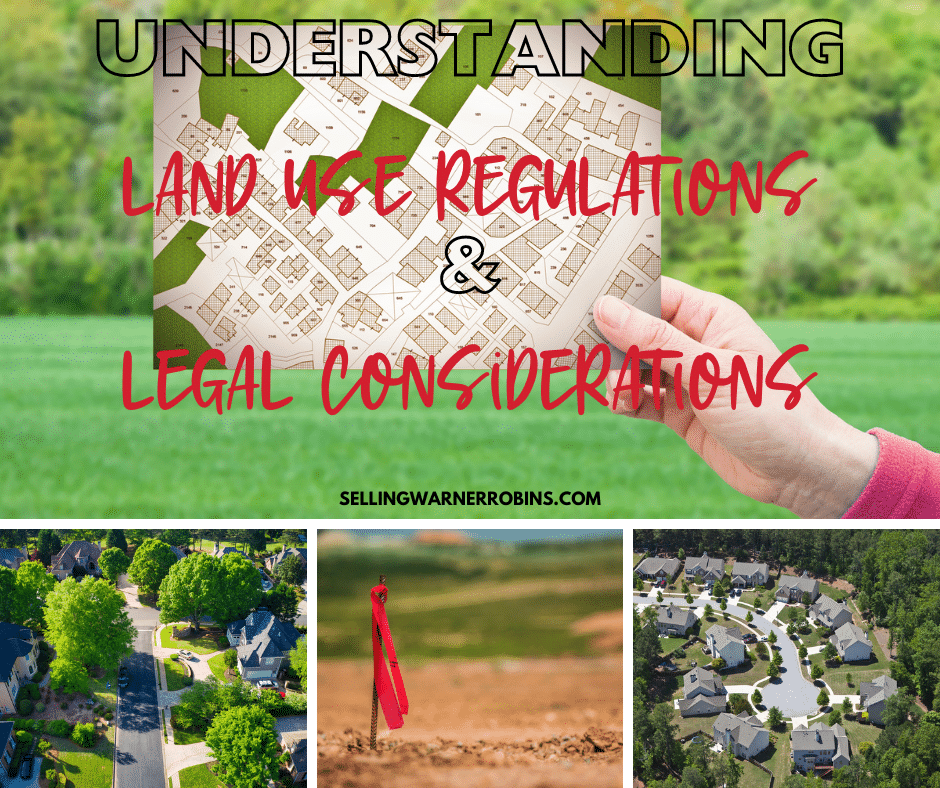
The National Building Code (NBC) serves as a vital reference framework for constructing safe and accessible buildings across regions. As a guiding document, it encompasses essential land regulations and sets standards for various building norms, tailored to meet local conditions and needs. By outlining parameters such as Floor Area Ratio (FAR) and addressing critical factors like setbacks and parking provisions, the NBC ensures that municipal authorities can effectively manage urban planning and development. Moreover, while the NBC provides valuable guidelines, it remains voluntary, allowing state governments the flexibility to adapt these standards within their legislative purview. This adaptability is particularly crucial as building regulations vary significantly across regions, reflecting local priorities and environmental considerations in line with the State List of the Constitution.
In the realm of construction and urban planning, the significance of building standards cannot be overstated. Often referred to as structural regulations or building guidelines, these codes form the backbone of safe development practices. They play a critical role in defining how land is utilized and managed, with specific attention paid to the allowed Floor Space Index (FSI) and essential compliance parameters set forth by local governing bodies. As state and municipal authorities navigate the complexities of real estate development, these regulations provide a structured approach to ensuring public safety and enhancing the quality of life for residents. Whether discussing zoning laws or the layout of green spaces, the principles guiding building regulations remain integral to sustainable urban growth.
Understanding the National Building Code and Its Importance
The National Building Code (NBC) serves as a comprehensive framework for building practices, primarily focused on safety, functionality, and sustainability within construction. While it is not mandatory, the NBC provides guidelines that address various aspects of building design and land use. Its emphasis on fire safety regulations, structural integrity, and the health and safety of building occupants makes it an essential reference for developers, architects, and municipal authorities. By aligning local building norms with the guidelines set forth in the NBC, municipalities can ensure safer and more resilient urban environments.
Moreover, the integration of the NBC with local land regulations helps harmonize development across regions. As the NBC outlines minimum standards for construction, state and municipal governments can build upon these guidelines by incorporating local characteristics and needs into their regulations. This flexibility allows for a tailored approach to zoning laws, Floor Area Ratio (FAR), and land utilization, ensuring that the unique demographic and geographical aspects of each locality are respected and addressed.
Land Regulations and Their Role in Urban Development
Land regulations are designed to manage the use of land to promote sustainable development and community welfare. These regulations define how land can be developed, ensuring that architectural integrity is maintained while considering environmental impacts. They cover essential elements such as setbacks, ground coverage, and parking provisions, which are essential for ensuring adequate space for movement and accessibility in urban areas. Effective land management helps forge a balance between economic growth and environmental sustainability.
Furthermore, it’s crucial to note that land regulations, along with the standards outlined in the National Building Code, are primarily under the purview of state governments as stipulated in the State List of the Constitution. This implies that local authorities have the autonomy to address specific concerns relevant to their communities. For instance, municipal authorities can tailor regulations to improve the quality of urban life, fostering green spaces and optimizing Floor Area Ratios (FAR) to ensure functional and aesthetic developments.
The Role of Municipal Authorities in Enforcing Building Norms
Municipal authorities play a pivotal role in enforcing building norms and ensuring compliance with established land regulations. They serve as intermediaries between the National Building Code and local practices, interpreting guidelines into actionable regulations that reflect the community’s unique needs. This authority empowers local governing bodies to conduct site inspections, review building permits, and monitor compliance with fire and safety regulations, thus maintaining the integrity of urban development.
Additionally, municipal authorities are crucial in facilitating community engagement in the planning process. By involving citizens in discussions regarding building norms and land use, they can gain insights into the specific desires and needs of residents. This participatory approach ensures that development is not only compliant with the National Building Code but also resonates with the community’s aspirations, fostering a sense of ownership and pride in local developments.
Floor Area Ratio (FAR): A Key Metric in Urban Planning
Floor Area Ratio (FAR) is a vital metric in urban planning, describing the ratio of a building’s total floor area to the size of the land upon which it stands. This regulation is crucial for managing density in urban areas, guiding developers in maximizing property potential while ensuring that infrastructure can accommodate the respective population. By controlling FAR, municipal authorities can regulate how many square feet can be built on a specific plot, which directly influences overall urban density and livability.
Implementing FAR controls helps protect the character of neighborhoods and prevents overcrowding, which can result in strained public services and diminished quality of life. By understanding these ratios, municipal authorities and developers can work collaboratively to create a balanced urban fabric that respects both community desires and regulatory requirements, linking closely with the goals outlined in the National Building Code.
Building Norms: Safety and Aesthetics in Construction
Building norms encompass the guidelines and regulations that govern the design, construction, and maintenance of buildings. They ensure that structures meet specific safety and functionality criteria, addressing essential aspects like fire safety, structural integrity, and accessibility. These norms are particularly relevant when paired with the National Building Code, which serves as a beacon in establishing these vital standards across different jurisdictions.
Furthermore, beyond safety, building norms also serve aesthetic considerations, influencing how developments blend into their surroundings. This balance between functionality and aesthetics leads to cohesive urban landscapes that reflect community identity. By working within these guidelines, architects, and builders can contribute to creating not just safe but also harmonious living environments, which is essential for community well-being.
Green Areas and Sustainable Development
The integration of green areas within urban developments is a critical component of sustainable city planning. Green spaces provide ecological benefits, enhance air quality, and offer recreational opportunities for urban inhabitants. Municipal authorities are encouraged to incorporate green initiatives within their land regulations, utilizing the guidelines from the National Building Code to ensure that these areas are adequately maintained and accessible.
Moreover, the promotion of green areas aligns with growing global trends toward sustainability in urban development. It allows for the preservation of biodiversity while offering residents respite from the urban environment. By working together, state governments, municipal authorities, and developers can prioritize the inclusion of these vital areas in their building norms, promoting a healthier and more sustainable urban lifestyle.
Fire Regulations as Part of Building Compliance
Fire regulations form an essential aspect of building compliance, ensuring that structures adhere to safety standards designed to protect lives and property. The National Building Code outlines fire safety measures, which include the provision of fire escapes, fire-resistant materials, and accessibility of fire services. Compliance with these regulations is a fundamental consideration for architects and builders, ultimately safeguarding occupants in case of emergencies.
Municipal authorities play a crucial role in enforcing these fire regulations by conducting inspections and reviewing building plans. These efforts ensure that all new constructions and renovations meet the necessary safety codes, aligning with local land regulations and the National Building Code. Establishing such norms not only fosters safer environments but also cultivates a culture of compliance and vigilance within communities.
The Relationship Between State List Constitution and Building Codes
The State List of the Constitution absolutely underpins the regulatory authority of state governments over land and building regulations. By delegating responsibilities regarding construction and development to states, the Constitution allows for localized control that can address the unique needs and characteristics of regional communities. This autonomy ensures that each state can shape its building laws and standards, including the application of the National Building Code.
This decentralized approach promotes diverse interpretations of building norms, accommodating different cultural and environmental contexts. Local authorities can create building regulations tailored to their resources and community preferences while still aligning with national safety and quality standards. The partnership between state-level regulations and the overarching frameworks provided by the National Building Code leads to balanced urban development anchored in legislative integrity.
Navigating Zoning Laws in Urban Planning
Zoning laws are fundamental to urban planning, dictating how land can be used and ensuring a mix of residential, commercial, and recreational spaces. These laws work in tandem with building norms to regulate growth and promote sustainable development within urban areas. Local governments have the authority to categorize land use, aiming to enhance community functionality while respecting the environment. By harmonizing zoning laws with the National Building Code, municipalities ensure that developments adhere not only to structure-specific safety codes but also to broader land use policies.
Furthermore, effective zoning can prevent land use conflicts that arise from incompatible development. For example, areas designated for commercial use must respect the spatial requirements of residential areas, thereby maintaining a harmonious living environment. By clearly defining these boundaries and enacting specific zoning laws, state and municipal authorities contribute to a well-ordered and functional urban landscape, promoting a high quality of life for residents.
Frequently Asked Questions
What is the role of the National Building Code (NBC) in land regulations?
The National Building Code (NBC) serves as a set of guidelines for building norms, helping state governments and municipal authorities establish regulations regarding construction. Although the NBC is not legally binding, it provides a valuable reference for managing aspects such as Floor Area Ratio (FAR), setbacks, and safety regulations. Since land and buildings fall under the State List mentioned in the Constitution, states have the authority to adopt and adapt the NBC to suit local conditions.
| Aspect | Details |
|---|---|
| Jurisdiction | The National Building Code is a framework established for reference, allowing state and municipal authorities to determine their own norms for building regulations. |
| Nature of Code | It is a voluntary code and not legally binding, meaning adherence is not enforced by law. |
| Constitutional Basis | Building-related matters are included in the State List under List-II of the Constitution, empowering states with legislative authority over these matters. |
| Key Building Norms | The code addresses various aspects such as Floor Area Ratio (FAR), Floor Space Index (FSI), setbacks, ground coverage, parking facilities, green areas, and fire regulations. |
Summary
The National Building Code (NBC) serves as a guiding framework for building regulations across India, allowing state governments and local authorities to craft specific norms suited to their unique urban landscapes. This decentralized approach recognizes the diverse needs of different regions, empowering states to address key components like Floor Area Ratios, building setbacks, and fire safety measures. The voluntary nature of the NBC means that while it provides essential guidelines, compliance remains discretionary, reflecting the flexibility needed in a country with varied architectural and environmental contexts. Ultimately, the NBC plays a crucial role in fostering safe and sustainable building practices across diverse jurisdictions.



























