

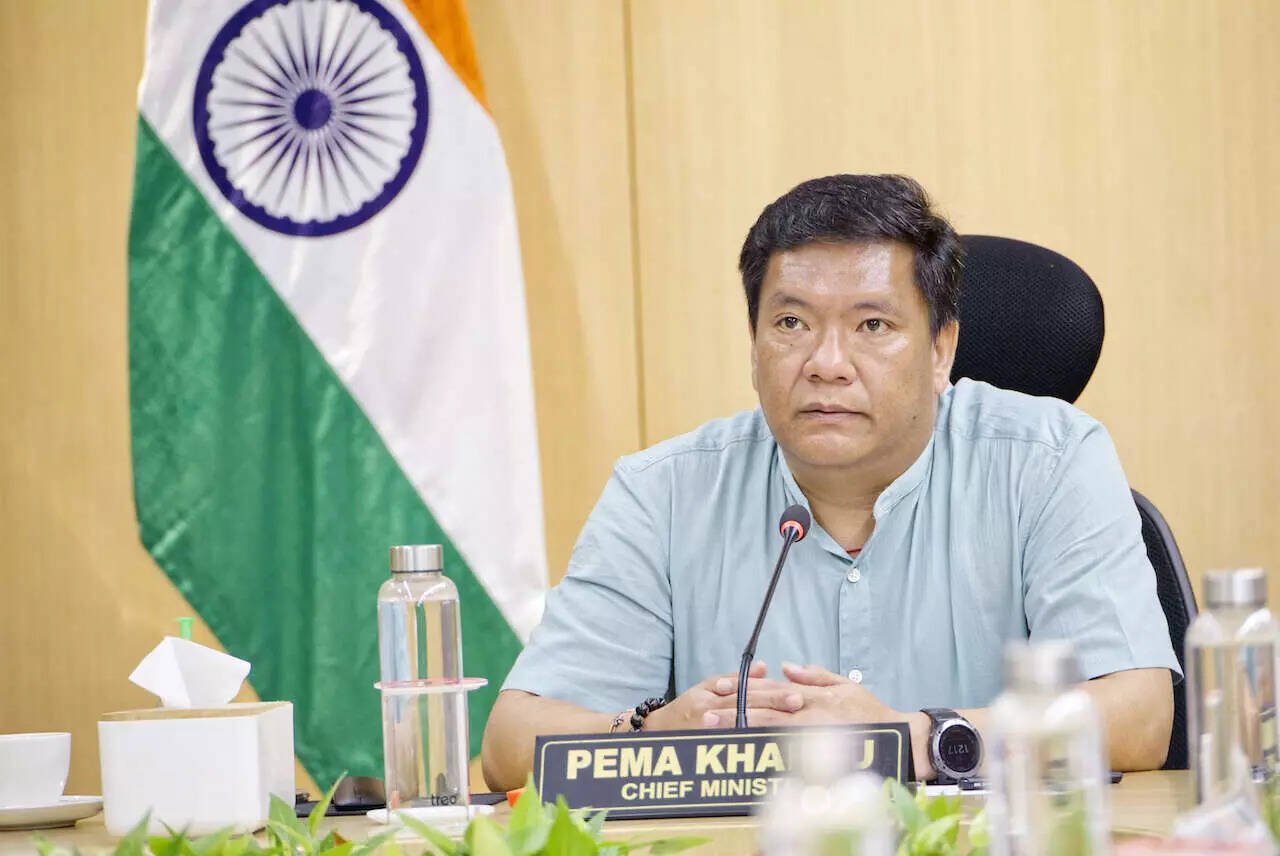
The Pema Khandu corruption inquiry has recently gained significant attention following a Supreme Court ruling that mandates a Central Bureau of Investigation (CBI) probe into alleged improprieties surrounding public contracts in Arunachal Pradesh. Accusations have emerged that Khandu’s family received contracts totaling ₹1,270 crore over a decade, further raising concerns about nepotism in government contracts. With allegations suggesting a blatant disregard for public contract transparency and by circumventing established tender processes, the stakes are high for Khandu and his associates. The CBI is now tasked with uncovering the intricate details behind these contracts as part of their investigation, set to begin in the coming weeks. This inquiry not only highlights the importance of integrity in governance but also calls into question the ethical standards within political circles in Arunachal Pradesh.
The investigation into Pema Khandu’s alleged corruption opens a crucial dialogue about the integrity of public contracts and governance in Arunachal Pradesh. Faced with serious allegations of conflict of interest and favoritism, this inquiry will examine the relationships and transactions that blurred the lines of ethical standards in governmental operations. With a Supreme Court directive pushing for a detailed review by the CBI, this case underlines the pressing need for accountability and transparency in awarding state contracts. Recent claims emphasize the critical nature of this inquiry, addressing concerns about nepotism and improper practices that could undermine public trust. As the situation unfolds, the implications for public service integrity are profound, shaping the future of governance in the region.
The Supreme Court’s Directive for CBI Inquiry
On April 6, 2026, the Supreme Court of India issued a significant directive to the Central Bureau of Investigation (CBI) to launch a preliminary inquiry into serious allegations surrounding Arunachal Pradesh Chief Minister Pema Khandu. The court instructed the CBI to investigate claims that contracts worth approximately ₹1,270 crore had been awarded through nepotistic channels to Khandu’s family members over a decade. This inquiry follows a petition raised by non-governmental organizations, alleging rampant corruption and a lack of transparency in the public procurement process.
The Supreme Court’s ruling mandates the CBI to independently verify the truth behind these allegations, focusing on the compliance of the contract award process with established statutory requirements. It is essential to ensure that the investigations not only encompass the awarding of public contracts but also assess the methods employed that might have allowed circumvention of a transparent tender system. The directive signifies the judiciary’s commitment to upholding public contract transparency and tackling corruption in government dealings.
Nepotism in Arunachal Pradesh Government Contracts
The prevailing concerns regarding nepotism in the awarding of government contracts in Arunachal Pradesh brings to light critical issues surrounding accountability in public service. With the allegations focusing on high-profile individuals, including Chief Minister Pema Khandu and his family, the need for stringent oversight and transparency in contract allocations has become evident. Widely reported cases of favoritism and lack of competitive tender processes undermine public trust and highlight the necessity for reforms in the procurement landscape.
Contracting should ideally be a process driven by meritocracy and fairness, ensuring that all potential vendors have equal opportunities. However, the allegations of directive favoritism showcased in this case point to systemic issues that potentially endanger the doctrine of fair competition. Addressing these challenges through comprehensive investigations, as mandated by the Supreme Court, is essential not only to impose consequences on any wrongdoers but also to restore public faith in governance.
Implications of a CBI Investigation into Corruption
The Supreme Court’s directive to the CBI signifies a critical moment in addressing corruption allegations in Arunachal Pradesh. The inquiry can potentially set a precedent for future cases involving public contract transparency and governance integrity. As the CBI commences its investigation, various aspects will come under scrutiny, including the procurement process, records of past transactions, and compliance with regulations governing public bids and tenders.
Moreover, the ramifications of the investigation could reach far beyond Arunachal Pradesh. A thorough examination of these allegations may lead to greater demand for reforms in the entire public contracting system across India. It could reinforce calls for more robust mechanisms to prevent favoritism, including enhanced transparency in operational frameworks, which could diminish opportunities for corruption and ensure fair practices in government dealings.
Legal Framework for Investigating Public Contracts
The inquiry into allegations of corruption regarding public contracts is significantly backed by established legal frameworks that emphasize transparency and accountability. The Supreme Court’s ruling underlines the importance of investigating not only the award of contracts but also reviewing adherence to critical statutory requirements, as specified in various laws governing public procurement. These legal stipulations aim to foster a competitive atmosphere where transparency is prioritized.
Navigating the complexities of public contract law necessitates a thorough comprehension of the regulations in place. The potential findings from the CBI’s investigation could illuminate how effectively these regulations have been implemented—leading to necessary legal reforms if inadequacies are revealed. By investigating these abuses, the overarching goal will be to fortify the legal framework, ensuring that corruption, nepotism, and lack of transparency are addressed decisively.
Expectations for Transparency in Future Contracts
The current inquiry sheds light on the need for increased transparency in future public contracts awarded in Arunachal Pradesh and beyond. Citizens are more informed about their rights concerning government dealings and expect accountability from public officials, particularly when large sums of taxpayer money are involved. The Supreme Court directive should pave the way for enhanced transparency protocols in awarding public contracts.
Creating a more transparent procurement system can help diminish the potential for corruption. Recommendations may include mandatory public disclosures of contract awards, direct insights into the procurement process, and opportunities for community stakeholders to engage in oversight. By embracing such practices, trust can be rebuilt, and a culture of transparency encouraged in governmental operations, leading to better oversight of public funds.
Challenges in Enforcing Public Contract Transparency
Despite the Supreme Court’s strong stance on public contract transparency, there remain significant challenges to enforcing these directives effectively. One major obstacle is the reluctance of certain governmental entities to fully cooperate with investigations, as evidenced by historical tendencies to obscure or mismanage procurement records. As the CBI embarks on its inquiry, ensuring that state departments comply with legal mandates for transparency will be crucial.
Moreover, the potential for political influence further complicates the enforcement of transparency measures. Public officials may feel pressured to protect their interests or those of certain individuals, causing a breakdown in accountability. Overcoming these challenges will necessitate not just judicial directives but also systemic changes, fostering an environment where transparency and accountability become ingrained in the ethos of public governance.
Role of NGOs in Promoting Accountability
Non-governmental organizations (NGOs) play a pivotal role in advocating for transparency and accountability in public contracts. As evident from the recent petition brought before the Supreme Court by organizations like Voluntary Arunachal Sena and Save Mon Region Federation, NGOs can serve as vital watchdogs, bringing attention to malpractice and pushing for governmental reform. Their efforts often shine a light on issues that might otherwise remain unaddressed, influencing public discourse and governmental action.
The collaboration between NGOs and judiciary bodies can create powerful synergies that ensure the enforcement of laws designed to foster accountability. By raising awareness of corruption and nepotism, these organizations can mobilize public sentiment, encouraging citizens to demand more robust oversight mechanisms for public contracting. Their advocacy can lead to systemic changes that benefit society as a whole, pushing for a governance model that prioritizes integrity and fairness.
Impact of CBI Inquiry on Political Landscape in Arunachal Pradesh
The initiation of a CBI inquiry into the alleged corruption linked to Chief Minister Pema Khandu could significantly alter the political landscape in Arunachal Pradesh. As the investigation unfolds, it could challenge the status quo and prompt a reevaluation of political allegiances and governance practices within the state. Should serious improprieties be uncovered, it may lead to shifts in political power dynamics and potentially change the trajectory of upcoming elections.
This inquiry also sets a critical precedent regarding the accountability of public officials in Arunachal Pradesh. As the public becomes more vigilant about issues of corruption, political leaders may be compelled to adopt more ethical practices and enforce transparency measures to regain public trust. The outcome of the CBI inquiry could serve as a catalyst for significant political reform, emphasizing the necessity for ethical governance in ensuring the state’s development.
Future Directions for Corporate Governance in Public Contracts
The controversies surrounding Pema Khandu’s family contracts could pave the way for discussions about improving corporate governance in public contracts. Reforming how contracts are awarded and monitored will be vital in ensuring accountability. Future governance frameworks may need to integrate advanced oversight mechanisms, combining traditional auditing practices with modern technology to better track public spending and ensure compliance.
Additionally, stakeholder engagement will be crucial in this evolution. Having diverse voices, including civil society and business representatives, participating in the dialogue can lead to more inclusive and effective governance strategies. By reflecting a collective determination to eliminate corruption, future policies can foster a more transparent and accountable environment surrounding public contracts, ultimately enhancing the public’s trust in governmental institutions.
Frequently Asked Questions
What is the Pema Khandu corruption inquiry about?
The Pema Khandu corruption inquiry is a Supreme Court-directed preliminary investigation by the CBI into allegations that Arunachal Pradesh Chief Minister Pema Khandu and his family received public contracts worth ₹1,270 crore from January 2015 to December 2025, which raises concerns over nepotism and a lack of transparency in government contracts.
What sparked the CBI investigation into Pema Khandu’s public contracts?
The CBI investigation into Pema Khandu’s public contracts was initiated following a Supreme Court ruling, responding to petitions from NGOs alleging rampant corruption and nepotism in the awarding of government contracts without adhering to an open tender process.
What role does the Supreme Court play in the Pema Khandu corruption inquiry?
The Supreme Court plays a critical role in the Pema Khandu corruption inquiry by issuing orders for the CBI to conduct a preliminary inquiry, ensuring all relevant records related to public contracts are examined, and mandating cooperation from government authorities in Arunachal Pradesh.
How will the CBI conduct the inquiry into Pema Khandu’s contracts?
The CBI will conduct its inquiry by examining public contracts awarded from January 1, 2015, to December 31, 2025, investigating the procurement process, compliance with statutory requirements, and the flow of funds, while also looking for signs of nepotism and corruption.
What specific aspects of the inquiry into Pema Khandu’s contracts will the CBI investigate?
The CBI will investigate specific aspects including the awarding of contracts to Pema Khandu, his family and associates, compliance with open tender requirements, fund flow, and the legality of transactions, as well as ensuring all statutory requirements are met during the contract awarding process.
What were the allegations against Pema Khandu in the recent Supreme Court ruling?
The allegations against Pema Khandu, as mentioned in the Supreme Court ruling, include nepotism in awarding public contracts, bypassing the transparent tender system, and potentially engaging in corrupt practices involving contracts worth ₹1,270 crore over a decade.
What is the expected outcome of the CBI inquiry into the Pema Khandu corruption allegations?
The expected outcome of the CBI inquiry into the Pema Khandu corruption allegations is to establish the truth regarding the claims of corruption and nepotism, determine if any illegal activities occurred regarding public contracts, and provide a status report to the Supreme Court within 16 weeks.
How is public contract transparency related to the Pema Khandu inquiry?
Public contract transparency is a key concern in the Pema Khandu inquiry as the allegations suggest that contracts were awarded without following the mandatory open tender processes, highlighting issues regarding transparency and accountability in government contracts.
What must the Arunachal Pradesh government do in response to the Supreme Court’s ruling on the Khandu inquiry?
In response to the Supreme Court’s ruling, the Arunachal Pradesh government must cooperate fully with the CBI, provide all relevant records regarding public contracts, and appoint nodal officers to facilitate the investigation.
What implications could the Supreme Court’s judgment have for future public contracts in Arunachal Pradesh?
The Supreme Court’s judgment could lead to stricter oversight and transparency requirements for public contracts in Arunachal Pradesh, potentially reducing opportunities for nepotism and corruption in government procurement processes.
| Detail | Information |
|---|---|
| Court Ruling Date | April 6, 2026 |
| Inquiry Conducted By | Central Bureau of Investigation (CBI) |
| Amount of Contracts | ₹1,270 crore |
| Duration of Allegations | January 2015 – December 2025 |
| Accusations | Corruption, nepotism, bypassing transparent systems |
| Individuals Under Investigation | Pema Khandu, Tsering Tashi, Rinchin Drema |
| Required Cooperation | Arunachal Pradesh Government to provide records and appoint nodal officers |
| Next Steps for CBI | File status report within 16 weeks |
Summary
The Pema Khandu corruption inquiry has taken a significant step forward following the Supreme Court’s directive for a preliminary investigation by the Central Bureau of Investigation (CBI) into allegations of conflict of interest concerning public contracts awarded to the Chief Minister’s family. This inquiry aims to scrutinize the awarding of contracts during a critical 10-year period, highlighting concerns over nepotism and corruption in government procurement processes. As the CBI embarks on this investigation, the cooperation from the Arunachal Pradesh Government will be crucial in uncovering the truth surrounding these serious allegations.



























