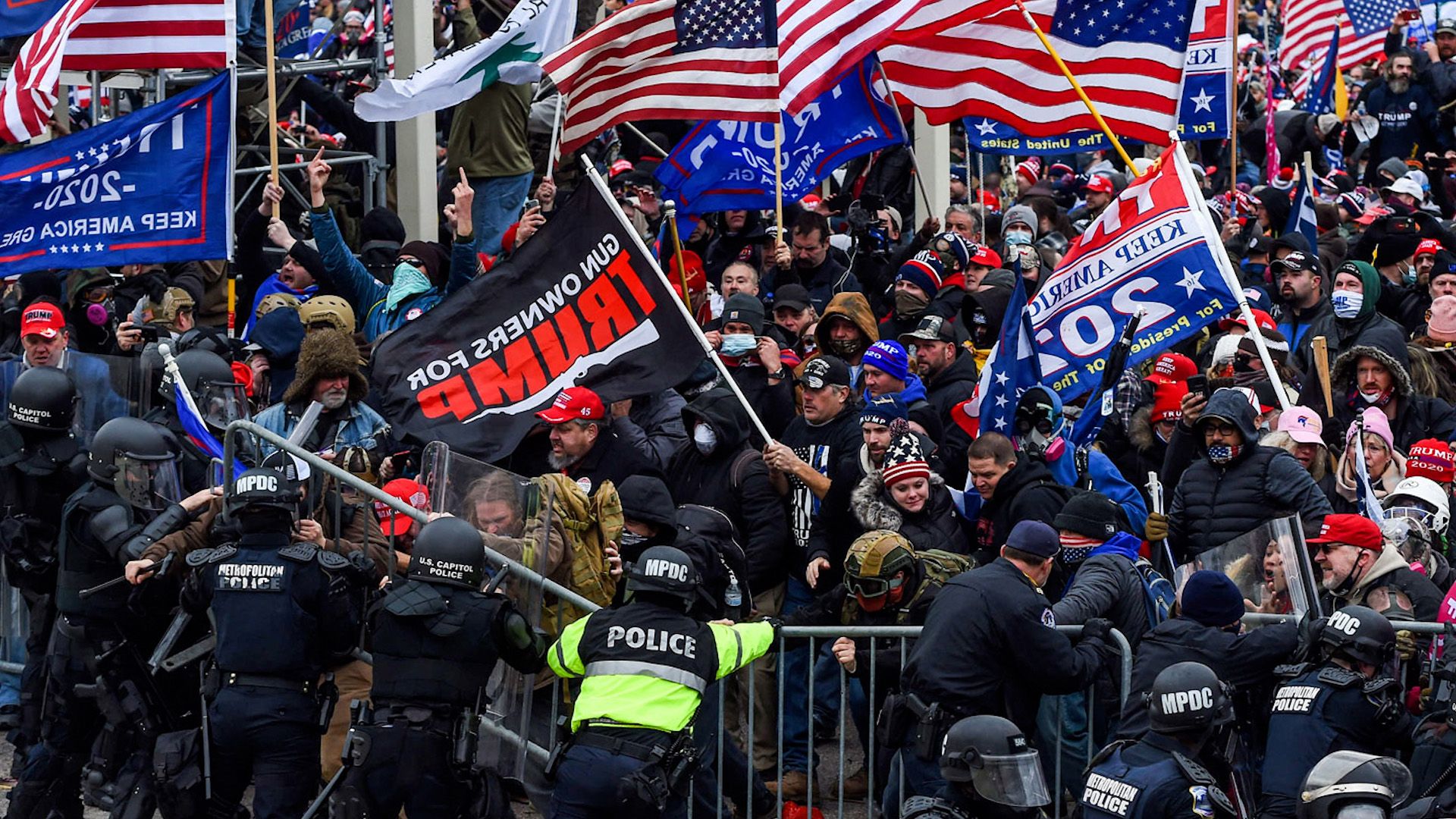
Steve Bannon’s contempt of Congress charges have emerged as a significant issue stemming from his refusal to comply with a subpoena related to the January 6 attack on the US Capitol. As a former senior advisor to Donald Trump, Bannon’s case illustrates the broader tensions between government oversight and executive privilege. The implications of this case extend beyond Bannon himself, touching on the legal principle of confidentiality that protects certain communications from being disclosed. Recently, a Supreme Court ruling has signaled a potential pathway for the resolution of his situation, raising questions about accountability and the limits of executive power. Understanding the dynamics of the Steve Bannon case is crucial as it reflects ongoing debates surrounding the responsibilities of public figures in the face of congressional inquiries.
The legal battle involving Steve Bannon, a notable figure in conservative circles, highlights pressing concerns regarding the separation of powers and legislative authority. This situation has arisen due to Bannon’s defiance against congressional mandates, particularly as it relates to his involvement in the infamous events of January 6. As the legal discourse unfolds, key aspects such as the nature of contempt charges and the nuances of confidentiality laws are brought into sharp focus. The ramifications of Bannon’s case may set significant precedents for how similar incidents are addressed in the future, particularly concerning those who resist compliance with governmental investigations. Observers are keenly watching how legal frameworks and Supreme Court decisions will shape the outcome of this high-profile case.
Steve Bannon and the Contempt of Congress Charges: An Overview
Steve Bannon, a prominent figure within the MAGA movement, was notable for his refusal to cooperate with the investigation into the January 6 attack on the US Capitol. This led to serious legal repercussions, culminating in contempt of Congress charges aimed at enforcing accountability among individuals who resist lawful subpoenas. The crux of the case rests on Bannon’s assertion of executive privilege and the legal principle of confidentiality surrounding communications between a president and his advisors. These elements have created considerable debate among legal scholars and political analysts alike, as they navigate the murky waters of constitutional law.
The contempt charges against Bannon highlighted the challenges faced by Congress in its oversight duties, especially when confronted with high-profile figures who invoke executive privilege. As the legal battles unfolded, observers pointed out that the ruling by the Supreme Court played a critical role in determining the viability of such charges. The intersection of executive privilege and accountability is not just a Bannon-specific issue; it touches upon broader implications for future administrations and their advisors, further complicating the dialogue around transparency and executive power.
The Implications of the Supreme Court Ruling on Bannon’s Case
The Supreme Court’s ruling regarding the dismissal of the criminal case against Steve Bannon has significant implications not just for Bannon but for the legal landscape surrounding contempt charges in general. By potentially setting a precedent, this ruling reinforces the challenges that Congressional bodies may face in compelling testimony from individuals claiming executive privilege. The ramifications of this decision may encourage other former officials in similar situations to resist cooperation, drawing a line in the sand about the limits of Congressional authority in oversight matters.
Moreover, this ruling opens a larger conversation about the respect for the legislative branch and the principle of checks and balances in government. Legal experts warn that a precedent allowing high-profile officials to avoid accountability through claims of confidentiality may weaken the mechanisms meant to prevent abuse of power. Thus, the implications extend far beyond Bannon’s individual case, suggesting a potential shift in the dynamic between the branches of government, especially in light of events stemming from the January 6 insurrection.
Understanding the Legal Principle of Confidentiality in Government Communication
Confidentiality plays a pivotal role in the operations of government, particularly within the context of communications involving the president and their closest advisors. This legal principle is founded on the belief that certain interactions must remain private to ensure candid discussions and effective decision-making. However, the invocation of confidentiality can become contentious when it appears to conflict with legal obligations, such as those mandated by Congressional subpoenas, as seen in the Steve Bannon case.
The tension between the need for transparency and the desire for confidentiality poses a complex challenge for policymakers and legal practitioners. As questions around the January 6 attack continue to unfold, the interpretation and application of this principle will be under scrutiny. Advocates for accountability argue that while confidentiality is essential, it should not shield individuals from scrutiny when public actions contradict established laws. As this discourse evolves, it will likely influence future legal interpretations and government policy standards.
Bannon’s Defiance: A Case for Executive Privilege?
Steve Bannon’s case has become emblematic of the wider debate surrounding executive privilege. By refusing to cooperate with the investigation into the January 6 attack, Bannon not only challenged the authority of Congress but also invoked claims that such conversations with a sitting president are inherently confidential. This stance raises critical questions about the scope and limits of executive privilege, particularly regarding high-profile political figures and their historical interactions with executive decision-making.
Proponents of Bannon’s position argue that executive privilege is vital for the preservation of candid discourse within the executive branch. However, opponents contend that such privileges should not serve as a barrier to justice, particularly when investigating events of national significance, such as the January 6 insurrection. As the legal and political ramifications of his case continue to unfold, the precedent set by Bannon’s defiance may resonate in future controversies surrounding government accountability.
Exploring Contempt Charges: A Legal Perspective
Contempt of Congress charges, like those faced by Steve Bannon, are designed to uphold the integrity of the legislative process. These charges come into play when an individual refuses to comply with a subpoena or obstructs an investigation conducted by Congress. The underlying goal is to ensure that lawmakers can effectively perform their oversight duties and hold individuals accountable for actions that may undermine democratic institutions.
The application of contempt charges can be particularly complex, especially in scenarios involving high-ranking officials and claims of executive privilege. In Bannon’s case, the debate over whether his refusal to testify constituted contempt illustrates the nuanced interplay between individual rights and legislative responsibility. Legal experts assert that the effectiveness of these charges hinges on clear guidelines that delineate the boundaries of privilege while safeguarding Congress’s essential functions.
January 6 Attack: A Catalyst for Legislative Accountability
The January 6 attack on the US Capitol marked a significant moment in American history, acting as a catalyst for renewed calls for legislative accountability and transparency. In light of the events of that day, investigations into the actions and decisions leading up to the insurrection have become paramount. The refusal of Steve Bannon to cooperate highlights the complexities surrounding accountability for actions that threaten the democratic process.
In the aftermath of January 6, Congress has embarked on several inquiries to uncover the facts and hold responsible parties accountable. The insistence on obtaining testimony and documents related to the events of that day reflects a commitment to thorough investigations. However, the challenges exemplified by Bannon’s case underscore the obstacles faced by Congress in its pursuit of the truth, prompting broader discussions about governance, oversight, and the role of executive privilege in the legislative process.
The Political Ramifications of Bannon’s Case on Future Investigations
The political ramifications of the contempt charges against Steve Bannon extend beyond his individual circumstances, potentially influencing the landscape of future Congressional investigations. As the political climate in the United States remains polarized, his defiance may embolden others in similar positions to resist inquiries, thereby complicating the legislative process. This trend poses risks for democratic norms and the accountability that underpins them.
Moreover, the fallout from Bannon’s case may generate renewed calls for legislative reforms aimed at clarifying the limits and enforcement of Congressional authority. As political leaders reflect on the implications of January 6 and the subsequent legal battles, the desire to ensure the legislative branch retains its oversight capabilities may lead to significant changes in how such investigations are conducted in the future. Thus, Bannon’s case serves as a crucial point of reference for shaping the dynamics of law and politics.
Navigating Legal Challenges in High-Profile Cases
Legal challenges in high-profile cases, such as that of Steve Bannon, reveal the complexities of navigating the intersection of law and politics. High-profile defendants often leverage their visibility to craft narratives that resonate with their supporters, complicating the judicial process. As these cases unfold, courts are tasked with interpreting longstanding legal precedents, like the principle of confidentiality, which may conflict with the accountability required by legislative bodies.
Furthermore, the strategies employed during such cases can significantly affect public perception and trust in the legal system. Bannon’s defiance and the surrounding media frenzy illustrate how high-stakes cases can galvanize public opinion, drawing attention to the broader implications of law enforcement and accountability measures. Ultimately, the outcomes of these legal battles not only impact the individuals involved but also shape the public’s understanding of the balance between justice and political maneuvering.
The Role of Media in Shaping Public Perception of Political Trials
The role of media in shaping public perception during political trials, such as the case involving Steve Bannon, cannot be overstated. Media outlets serve as a critical lens through which the public views legal proceedings, framing narratives that can influence opinions and even outcomes. In Bannon’s instance, his contentious personality and previous political affiliations have captured significant media attention, thereby shaping how the public perceives the legitimacy of the legal actions against him.
As coverage evolves, the media not only informs the public but also participates in the dialogue surrounding accountability and governance. The sensational nature of trials connected to major political events, such as the January 6 attack, underscores the media’s capacity to both inform and distort public sentiment. Consequently, understanding the interplay between media coverage and public perception is essential for grasping the complexities of political trials and their implications for democracy.
Frequently Asked Questions
What was the basis for Steve Bannon’s contempt of Congress charges?
Steve Bannon faced contempt of Congress charges primarily due to his refusal to comply with a subpoena from the House committee investigating the January 6 attack on the US Capitol. The charges were initially pursued after Bannon did not provide the requested documents or appear for a deposition, leading to legal implications that included a criminal case against him. The situation underscores the legal principle of confidentiality surrounding communications between a president and their close advisors, which Bannon argued protected him.
| Key Point | Details |
|---|---|
| Supreme Court Ruling | The Supreme Court’s decision facilitates the dismissal of Steve Bannon’s case. |
| Contempt of Congress Charges | Bannon faced charges for not cooperating with the investigation into the January 6 Capitol attack. |
| Legal Principle | Certain communications involving the President and close advisors are protected by confidentiality. |
Summary
Steve Bannon’s contempt of Congress case has brought significant legal battles into the spotlight, especially regarding executive privilege and the extent of congressional oversight. The Supreme Court’s ruling that permits the dismissal of this case underscores the complexities surrounding the investigation into the January 6 attack. Bannon’s refusal to comply with congressional subpoenas raises questions about accountability in the face of executive confidentiality. This ruling not only affects Bannon but could set a precedent for future cases involving similar accusations against high-profile individuals in political office.