

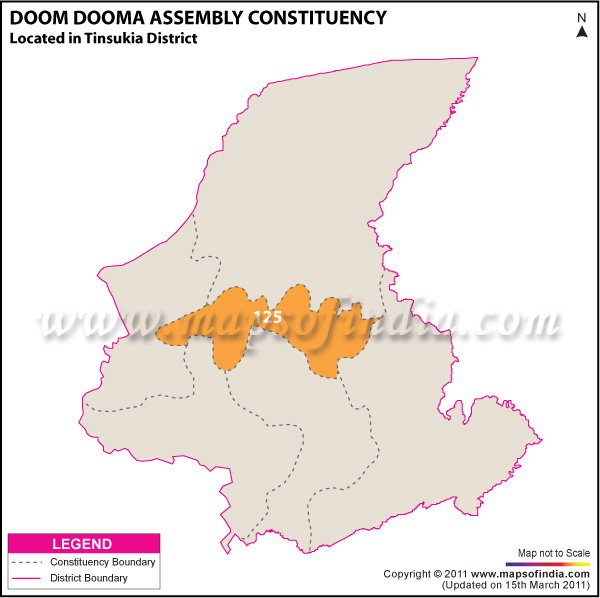
As the Assam elections 2026 approach, the focus sharpens on the Doomdooma constituency, where the political landscape is primed for a thrilling showdown between the BJP and Congress. With only two candidates in the fray, incumbent BJP MLA Rupesh Gowala and Congress’s Durga Bhumij are vying for the critical votes of nearly 148,000 constituents, including a significant proportion of tea workers. The electoral stakes are particularly high for the tea tribe and Adivasi communities, which constitute around 60% of the electorate and whose concerns over fair wages and healthcare access are pivotal this election cycle. As these two parties mobilize support, the strategies they adopt could influence the voter turnout, as both candidates aim to resonate with the local populace. The outcomes in this politically charged atmosphere could redefine Assam’s governance, reflecting the aspirations and challenges of its diverse communities.
The electoral process for Assam in 2026 is heating up, particularly in the Tinsukia district’s 82-Doomdooma Assembly segment, where crucial issues surrounding tea workers and indigenous rights take center stage. The contest features prominent figures from the ruling Bharatiya Janata Party and the opposition Indian National Congress, each attempting to capture the hearts of local voters. With a significant electorate comprised mainly of tea laborers, the challenges of inflation, healthcare accessibility, and job opportunities loom large. Community engagement has never been more vital as both parties strive to address the pressing concerns of their constituents. As the campaign unfolds, the anticipated voter turnout could very well determine which party houses the power to initiate meaningful change in Assam’s socio-economic fabric.
Importance of Tea Workers’ Votes in Assam Elections 2026
In the context of the Assam Elections 2026, the tea workers’ votes are not just important; they are pivotal to the electoral dynamics of constituencies like Doomdooma. With nearly 60 percent of the electorate comprising the tea tribe and Adivasi communities, both the BJP’s Rupesh Gowala and Congress’s Durga Bhumij are acutely aware that their political future hinges on securing the allegiance of these voters. Given the historical significance of the tea industry in Assam, the candidates have tailored their campaigns to resonate with the pressing needs and aspirations of tea workers. Issues such as fair wages, access to healthcare facilities, and unemployment have emerged as critical talking points that stir emotions within this voter base, thus influencing their electoral choices at the polls.
Moreover, the economic contributions of tea workers to Assam’s identity cannot be overstated, making their votes a significant asset for any aspiring candidate. Both parties have crafted manifestos that promise improved welfare schemes, addressing long-standing grievances about workplace conditions and social neglect. For instance, the BJP argues that under its governance, the socio-economic landscape for tea workers has improved, focusing on infrastructural developments in tea gardens. In contrast, the Congress party leverages the discontent around healthcare and education, aiming to position itself as the champion of the tea workers, particularly emphasizing its commitment to better wages and job security, appealing directly to the heart of their constituency.
The Role of Genders in the Doomdooma Constituency’s Electorate
Doomdooma’s electorate is not only diverse in terms of communities but also in gender representation, with a notable percentage of women, constituting 52.8% of the total votes. Both candidates have made strategic efforts to address the unique issues faced by female voters, who play an essential role in influencing their male counterparts. With the historical backdrop of gender inequality in Assam, initiatives aimed at women’s empowerment and safety have been central to the campaigns. This includes promises of skill development programs and better access to education, which resonate strongly with female voters concerned about the future of their families and children.
Furthermore, Durga Bhumij’s campaign has echoed the necessity of engaging women not just as voters but as active participants in the political process. By bringing gender-oriented policy discussions to the fore, Bhumij aims to create a narrative aligned with progressive governance, which could sway votes away from the BJP, who has been criticized for its approach towards women-centric policies. Conversely, Rupesh Gowala has also recognized the importance of female participation and has pledged to enhance women’s health services in tea gardens, thus framing the BJP as a caring government that values women’s contributions to society. The competitive nature of these promises is a clear reflection of the evolving political strategies in the context of the Assam Elections 2026.
Challenges and Opportunities in Assam Elections 2026
The Assam Elections 2026 are unfolding against a backdrop of significant challenges coupled with opportunities for political parties in the Doomdooma constituency. The allegations brought forth by Congress candidate Durga Bhumij regarding the government’s failures in healthcare further highlight systemic shortcomings that could sway public opinion. If the incumbent BJP administration fails to effectively address these issues, it risks alienating not only tea workers but also other segments of the population who are feeling the pinch of rising living costs and stagnant wages. Voter turnout is expected to be pivotal, and the party that can mobilize voters around these pressing concerns may gain the upper hand.
On the flip side, the BJP has the chance to consolidate its support by emphasizing its past successes and future promises, particularly in relation to economic development and job creation for the youth. As both candidates engage with the electorate, the narrative around rehabilitation from river erosion and the provision of adequate employment will serve as critical platforms. Ensuring high voter turnout among their respective bases will be crucial, as the socio-economic realities faced by voters can either enhance or undermine the candidates’ promises. The outcome will undoubtedly reflect not just party politics but the collective response of a diverse electorate facing numerous challenges in their daily lives.
Diversity of Voter Demographics in Doomdooma
Understanding the voter demographics in Doomdooma is essential as it blends various communities, each with unique expectations from their elected representatives. Comprising not just tea workers but also indigenous Assamese, Bengali, and tribal communities, the complexity of this constituency presents both an opportunity and a challenge for candidates. In Assam Elections 2026, effective outreach to all demographic segments is crucial, as each group has different priorities ranging from economic development, cultural preservation, and social welfare. The candidates must navigate this demographic landscape thoughtfully, ensuring that they address the needs of all communities to gain broad support.
Moreover, the socio-political history of each group significantly influences voting patterns. For instance, indigenous Assamese voters may prioritize issues around cultural identity and land rights, while the tea workers prioritize wage-related issues and healthcare access. This requires both candidates to adopt nuanced strategies that appeal to the varied aspirations while maintaining a cohesive campaign message. Engaging effectively with each demographic could lead to strategic alliances and enhanced voter turnout during the elections, which is particularly critical in this closely contested constituency.
Impact of Healthcare Infrastructure on Voter Sentiment
Healthcare infrastructure in Assam, particularly in rural areas like Doomdooma, has emerged as a contentious issue in the build-up to the Assam Elections 2026. With alarming reports of inadequate medical facilities in tea garden regions, both candidates are keen to position themselves as champions of healthcare reform. Durga Bhumij has been vocal in criticizing the current government for neglecting the basic health requirements of the tea workers, presenting these shortcomings as a key reason for voters to consider a change in leadership. His approach meets the sentiments of many rural voters who have faced challenges seeking medical help due to lack of resources and excessive travel.
Conversely, Rupesh Gowala has countered these claims by highlighting government efforts to enhance healthcare delivery in tea gardens, asserting that progress has been made under the BJP’s watch. He focuses on addressing health crises arising from poor working conditions, pledging to expand healthcare access for women and children, who are particularly vulnerable. As the election approaches, the healthcare narrative will significantly shape voter sentiment, with the party that successfully convinces the electorate of its superiority in tackling these issues likely to emerge victorious. Healthcare could be the defining issue that swings undecided voters and influences turnout dependent on how responsive candidates are to constituents’ cries for immediate action.
Voter Turnout: A Decisive Factor in Assam Elections 2026
Voter turnout is invariably a decisive factor in any election, and it is of paramount importance in the Assam Elections 2026, especially in Doomdooma. With a registered electorate of approximately 147,990, the engagement of voters comes down to awareness and mobilization strategies pursued by both the BJP and Congress. Historically, higher turnout in the tea worker communities translates into better outcomes for candidates who advocate for their rights and welfare. Therefore, both parties are in a race to engage tea workers, organize rallies, and increase awareness around polling dates and processes to maximize turnout.
Furthermore, voter turnout is also influenced by external factors such as youth engagement and grassroots outreach initiatives. Candidates are expected to mobilize not just traditional voters but also first-time voters among the younger demographic who are increasingly becoming influential in shaping electoral outcomes. Both parties are making efforts to connect with young voters through social media campaigns, encouraging them to participate in the electoral process. As the polling day approaches, the ability of each party to create a sense of urgency and importance around voting could determine the overall turnout, impacting election results significantly.
Political Legacies: BJP vs. Congress in Doomdooma
Navigating the political legacies of the BJP and Congress offers a fascinating context for the ongoing contests in the Doomdooma constituency ahead of the Assam Elections 2026. The BJP, with its incumbency, champions a narrative of development and stability, leveraging its achievements to draw voters. The party highlights its role in improving infrastructure and promoting welfare initiatives that resonate with tea workers. However, legacy issues such as unemployment and dissatisfaction with governance provide the Congress with ample opportunities to challenge the status quo, claiming that their approach could bring about the needed reforms and responsiveness.
In contrast, the Congress party attempts to leverage its historical brand as a champion of social justice and equity, particularly appealing to marginalized groups within the constituency. Bhumij’s focus on criticizing alleged governmental neglect of healthcare further attempts to draw dissatisfaction from the electorate who may believe they deserve better. The battle between these legacies amplifies the rhetoric around which party can better serve and represent the needs of all voters—from tea workers to indigenous communities—making the political future of Doomdooma deeply connected to perceptions of past performances and promises of future governance.
Civic Engagement and Community Outreach in Doomdooma
Civic engagement and community outreach strategies have transformed political campaigns in Assam, particularly within the diverse demographics of Doomdooma as seen in the run-up to the Assam Elections 2026. Both candidates have recognized the importance of immersing themselves in local issues, leading to increased voter engagement. Effective outreach not only helps to convey their respective messages but also fosters trust and builds rapport with constituents. The BJP’s Rupesh Gowala has focused on engaging community leaders in discussions about development while highlighting achievements in local governance. This grassroots approach aims to connect with voters on a personal level, reflecting a party attentive to their needs.
On the other hand, Durga Bhumij from the Congress party harnesses grassroots movements to reach out to tea workers and uplift their voices. His campaign focuses on organizing meetings in tea gardens and residential areas to address the shortcomings faced by locals directly. This hands-on engagement not only showcases a commitment to listening to the needs of the voters but also empowers communities to become advocates for change. As both parties ramp up their outreach efforts, it becomes increasingly clear that effective civic engagement could be the differentiator in voter mobilization, setting the stage for high stakes during the elections.
Frequently Asked Questions
What issues are impacting voter turnout in the Assam elections 2026, particularly in Doomdooma constituency?
In the Assam elections 2026, particularly in Doomdooma constituency, voter turnout is significantly impacted by key issues such as fair wages, healthcare access in tea gardens, and unemployment. Both BJP MLA Rupesh Gowala and Congress candidate Durga Bhumij are focusing on these concerns, especially affecting tea workers who make up a majority of the electorate. Their outreach efforts aim to address community concerns and enhance voter engagement ahead of the April 9 elections.
| Key Points | Details |
|---|---|
| Constituency | Doomdooma, Tinsukia district |
| Candidates | Rupesh Gowala (BJP) and Durga Bhumij (INC) |
| Voter Demographics | 147,990 total voters: 69,867 males, 78,119 females, 4 third-gender |
| Key Voter Groups | Tea tribe and Adivasi communities (58-60% of electorate), indigenous Assamese (22-25%), Bengalis (11%), and other smaller groups |
| Key Election Issues | Fair wages, healthcare access, employment opportunities, welfare schemes |
| Date of Vote Counting | May 4, 2026 |
Summary
Assam Elections 2026 are poised to be a crucial political event, especially in regions like Doomdooma. With a significant portion of the electorate belonging to the tea tribe community, their votes could decisively influence the outcome. As the electoral battle intensifies between the BJP’s Rupesh Gowala and Congress’s Durga Bhumij, key issues such as fair wages, healthcare, and employment remain at the forefront. The diverse demographics within the constituency add an additional layer of complexity, making the upcoming elections a focal point for political strategies and community engagement. As we approach the vote counting date on May 4, the anticipation surrounding Assam Elections 2026 continues to grow.



























