

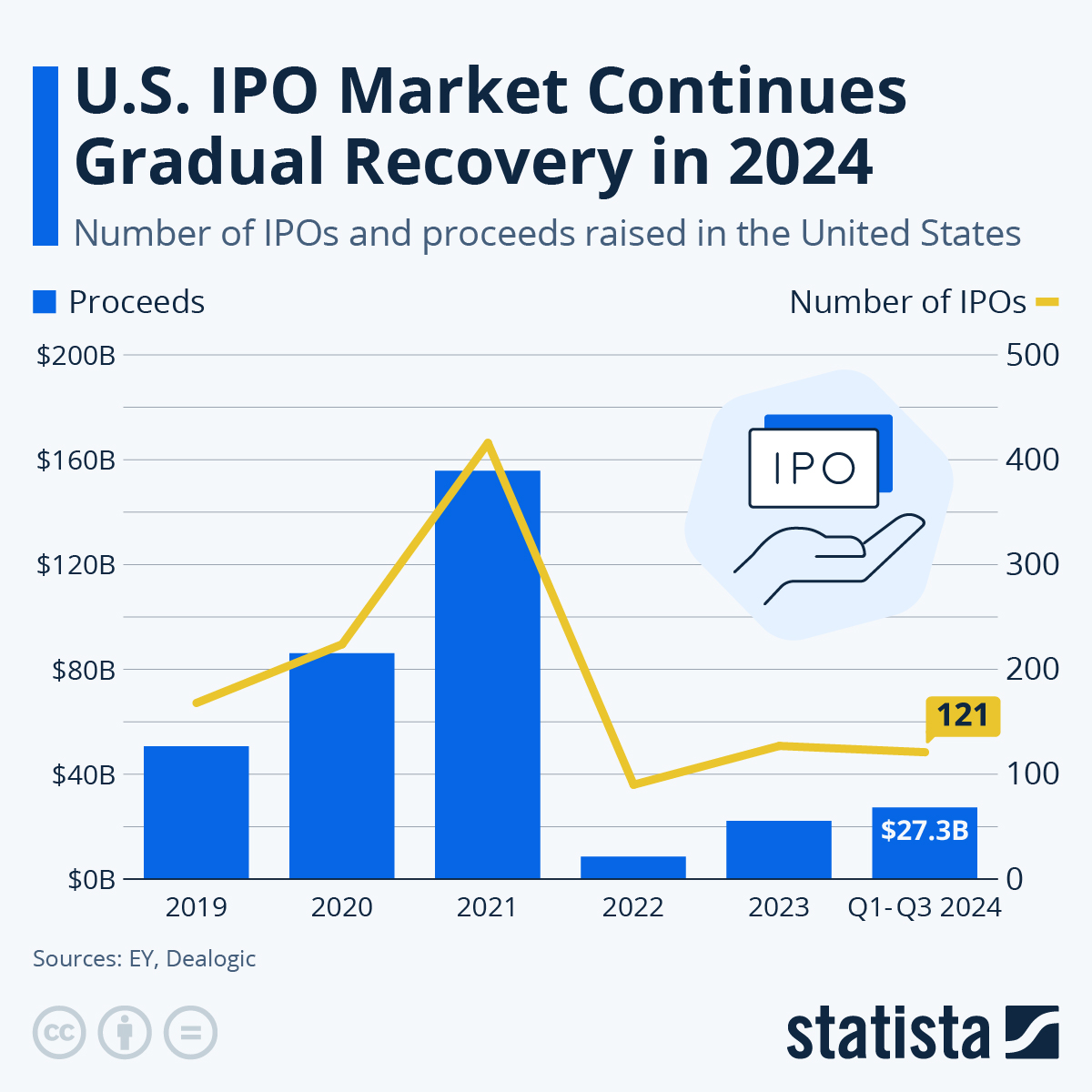
The IPO market is gearing up for a remarkable transformation as significant companies like SpaceX prepare to enter public trading. With its impending IPO showcasing a staggering potential valuation of $1.75 trillion, experts predict it could become the largest initial public offering in history. The excitement surrounding mega IPOs is not only exhilarating for investors but is also prompting major index providers to reconsider their inclusion rules, particularly Nasdaq, which is exploring changes to facilitate quicker access for newly public firms. As the S&P 500 anticipates adjustments in its overall composition, the implications of these developments could ripple across various financial sectors. Investors, especially those relying on index funds, should remain vigilant as they navigate the dynamic landscape among this evolving IPO market.
In the realm of public finance, the initial public offering space is witnessing a resurgence that could alter the investment landscape. Anticipated high-value listings, including futuristic companies like SpaceX, promise to capture the attention of investors and index managers alike. As major financial firms evaluate their admission strategies for initial public offerings, the adjustments made by platforms like Nasdaq might significantly influence a firm’s entry into the marketplace. Furthermore, potential shifts in the criteria for market indexes such as the S&P 500 could reshape investment opportunities significantly. As these colossal companies debut, the reactions from index funds and their strategy adaptations will play a crucial role in determining the overall market dynamics.
The Rising Importance of the IPO Market
The IPO market is on the brink of a significant revival, drawing attention from investors and analysts alike. With major companies like SpaceX preparing for their initial public offerings, there is a palpable excitement about how these mega IPOs could reshape the landscape of public trading. The current buzz centers around the fact that SpaceX might set a new record for the largest IPO in history, potentially eclipsing previous giants in the market. This renewed vigor in the IPO market signifies a pivotal moment where new entries challenge longstanding valuation norms and capture investor interest.
Moreover, the implications of these monumental IPOs stretch beyond just listing day performance. They stand to influence market indexes, particularly those that reflect the S&P 500. The anticipated arrival of companies like SpaceX into the public sphere compels index providers to rethink their inclusion criteria, which could impact investment strategies for millions of index fund holders. In an ever-evolving market, the decisions around the IPO process have consequences that reflect wider shifts in the investment landscape.
Impact of Mega IPOs on Index Funds
As the IPO market heats up, the inclusion of mega IPOs like SpaceX into leading indexes becomes a matter of keen interest and strategy. These additions are crucial as they can dramatically alter the dynamics within index funds, particularly those linked to market-cap-weighted benchmarks such as the S&P 500. For investors, the timing and management of these transitions are pivotal; index funds will need to buy substantial quantities of shares post-listing to ensure precise tracking of the indexes they represent. This could lead to considerable volatility in the days surrounding the actual IPO.
The incorporation of new mega-cap firms like SpaceX also raises important questions about the concentration of ownership within these indexes. The Morningstar PitchBook US Modern Market 100 Index shows how quickly these new listings could amplify the market presence of these companies. Such moves would help redistribute assets and lessen the top-heavy nature of many current indexes. However, it remains crucial for index providers to maintain a balance between innovation in their inclusion approaches and the foundational principles of index integrity.
Index Provider Reactions to Upcoming IPOs
Index providers are re-evaluating their admission policies in the wake of significant IPOs. Nasdaq, for instance, is contemplating changes to allow early inclusion of companies like SpaceX into its Nasdaq-100 index. The potential for a company to rank among the top in market capitalization shortly after going public has prompted a closer look at existing rules, particularly the waiting period before inclusion. This flexibility could enable a smoother transition into index funds, which is crucial for maintaining accurate index tracking.
Similarly, FTSE Russell is also making adjustments to its criteria, which may allow for a prompt incorporation of mega-cap IPOs. The focus remains on achieving a fine balance between welcoming new stocks and adhering to established eligibility standards. As these developments unfold, the entire investment ecosystem is poised to react, indicating that changes in IPO admission protocols could lead to broader implications for fund management and investor strategies across the board.
S&P 500 and Mega IPOs: A Transformative Shift
The potential listing of mega IPOs like SpaceX poses significant implications for the S&P 500, which is historically viewed as a benchmark for large-cap stocks in the U.S. market. S&P’s current leadership is reportedly assessing its processes for admitting new entries. Historically stringent, the committee responsible for maintaining these standards may need to reconsider its tolerance for deviations as the competitive landscape evolves. With the arrival of large firms, maintaining a relevant index becomes even more critical—not only for tracking market performance but also for investors who rely on these benchmarks to gauge their own strategies.
Such changes could prompt extensive rebalancing across trillions of dollars within different investment portfolios, requiring both active managers and robo-advisors to adapt their strategies accordingly. The growing trend of embracing mega IPOs could bring forth partnerships and collaborations that redefine traditional roles within the investment community, ensuring they are aligned with the latest innovations in the marketplace.
Consequences of Index Rule Changes
As the IPO landscape shifts, the adjustments being made by index providers may have far-reaching consequences that merit close attention. While modifications to index rules can accommodate the influx of large IPOs, such as SpaceX and others, there lies a risk in deviating from established principles of preservation and integrity. For instance, FTSE Russell’s potential easing of its minimum float requirement could serve as a double-edged sword—bringing in more new firms while undermining the role of float in maintaining fair representation within their indexes.
On the other hand, flexibility can also lead to positive outcomes, enabling index funds to respond in real time to new entries and better embody the market they aim to reflect. As this balance is struck, it becomes crucial for all stakeholders involved to remain vigilant about the long-term sustainability of these indexes, ensuring they remain robust frameworks for investors across the board.
Market Concentration and New Listings
The expected arrival of SpaceX, OpenAI, and other mega-cap companies into the public market highlights the ongoing issue of concentration among large publicly traded firms. The Morningstar PitchBook US Modern Market 100 Index currently allocates over half of its portfolio to its top ten largest companies, underscoring the reality that new listings may not alleviate that concentration issue immediately. As new firms go public, the market’s distribution dynamics may evolve, but it remains to be seen how effectively this will happen without further concentration occurring alongside the new enrollment.
As index structures adapt, the impact on investors cannot be understated. Following the IPOs of massive corporations, investors will likely see changes in their portfolios intended to maintain a balanced and representative index. This process requires strategic foresight from fund managers and careful analysis of how new entries will interact with existing index constituents. If managed effectively, new mega-cap listings could help diversify and balance the overall investment landscape.
The Role of Active Management in IPO Inclusion
In the rapidly evolving IPO landscape, active management offers a counterpoint to traditional index investing. With the potential for newcomers like SpaceX to reshape index weighting, active managers are positioned to leverage their discretion to capitalize on these developments. By selectively choosing which new IPOs to include in their funds, they can better navigate potential pitfalls associated with premature index inclusion—such as price volatility or speculative behavior.
Active management can provide flexibility and adaptability in oceanic shifts within the investment market, allowing these funds to respond nimbly to new information and changing perceptions surrounding mega IPOs. Therefore, while index funds may have specific rules governing their purchases, active funds can operate with a dynamic approach that considers not just market fundamentals but also the broader sentiment influencing these expansive listings.
Implications for Future Investment Strategies
As we anticipate pivotal IPOs and the reactions of major indexes, the forthcoming year is set to be transformative for investment strategies across the board. The potential inclusion of mega IPOs not only necessitates an examination of fund management practices but also invites investors to reconsider how they view allocation and diversification. Index providers and fund managers alike must remain agile in adapting their strategies to the changing landscape, ensuring they are not left vulnerable amidst rapid market fluctuations driven by these new entrants.
Furthermore, the broader implications extend beyond specific funds or indexes. The market landscape itself may experience a shift in investor sentiment, affecting demand and supply dynamics. As such, investment strategies will likely evolve to accommodate a more nuanced understanding of market movements tied to new IPOs like SpaceX and others, redefining how capital is deployed and risk is managed.
The Future of Index Preservation and Adaptation
As the IPO market experiences a resurgence with groundbreaking entries, the future of index preservation remains a paramount concern for providers. The integration of new mega-cap stocks poses questions about maintaining the integrity of indexes while recognizing the need to adapt to market realities. Striking the right balance between innovation and preservation could define how effectively these indexes serve their intended goals as benchmarks for the investing public.
In the long run, the preservation of sound index principles will be vital, especially if the landscape is to remain relevant amidst the influx of prospective mega-cap stocks. Transparent communication about any alterations to index criteria or methodology will be essential in fostering investor trust and ensuring confidence in these financial instruments, paving the way for a more informed and engaged investment community.
Frequently Asked Questions
What is the impact of the SpaceX IPO on the IPO market?
The SpaceX IPO is set to be the largest initial public offering in history, potentially valued at $1.75 trillion. Its significant market capitalization is pushing index providers to reconsider their criteria for including newly public companies in their portfolios, significantly impacting the IPO market.
How are Nasdaq rules changing in response to mega IPOs like SpaceX?
Nasdaq is contemplating rule changes to allow early admission for mega IPOs like SpaceX into its Nasdaq-100 index. Currently, the index requires a 15 trading day wait for new IPOs, but this could be adjusted for companies that rank among the top 40 by market capitalization.
What are the potential S&P 500 changes due to upcoming mega IPOs?
The S&P is reviewing its admission processes for new IPOs in light of major upcoming listings such as SpaceX, OpenAI, and Anthropic. These changes may allow for faster inclusion of these significant companies, impacting the S&P 500’s representation of the US stock market.
How do index funds respond to new IPOs in the IPO market?
Index funds typically purchase shares of newly public companies after a seasoning period of at least three months. However, for major IPOs like SpaceX, there might be shifts in this approach to quickly incorporate these companies into their portfolios.
What role do mega IPOs play in altering market concentration?
Mega IPOs such as SpaceX, OpenAI, and Anthropic are likely to shift market concentration by redistributing capital within major indexes. Their inclusion in broad-based indexes would help reduce the concentration of assets currently held by a small number of large companies.
What are the implications for fund managers with the SpaceX IPO?
The SpaceX IPO could prompt significant rebalancing across trillions of dollars tied to various indices. Fund managers relying on indexes will need to adapt to the changes brought by such large market cap additions in the IPO market.
What is the significance of index providers reviewing their IPO admission rules?
Index providers like FTSE Russell and Nasdaq are reviewing their IPO admission rules to ensure responsiveness to major IPOs. Such alterations are crucial for maintaining accurate representation and investability of the IPO market as new mega-cap companies go public.
| Key Points | Details |
|---|---|
| IPO Market Revival | The IPO market is experiencing a resurgence with major listings expected, influencing index providers to reassess their criteria. |
| SpaceX IPO | SpaceX is set to become the largest IPO in history with a market capitalization of $1.75 trillion, impacting how indexes incorporate new public companies. |
| Index Implications | Exclusion of major companies like SpaceX could lead to significant omissions in market-cap-weighted indexes like S&P 500 and Nasdaq-100. |
| Market Concentration | New public companies like SpaceX and OpenAI may reduce concentration at the top of existing market indexes. |
| Index Providers’ Responses | Nasdaq is considering rule changes for early IPO inclusion, while FTSE Russell and S&P are reviewing their admission processes. |
Summary
The IPO market is on the brink of a significant transformation as major companies like SpaceX prepare to go public. This resurgence brings attention to how indexes will adapt their criteria for including new listings, especially given the potential implications for market concentration and fund management strategies. As Nasdaq and other index providers contemplate changes in their admission rules, the landscape of the IPO market is poised for a new chapter, offering both opportunities and challenges for investors.



























