

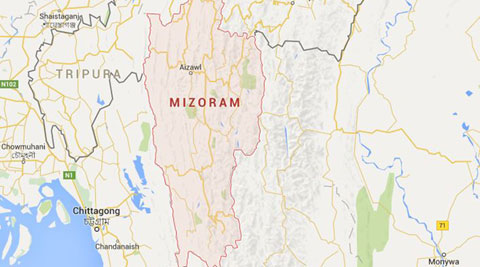
The Mizoram peace agreement, set to be signed on April 14 in Sakawrdai village, represents a pivotal stride towards ending decades of unrest caused by the Hmar People’s Convention (Democratic) insurgency. As the Mizoram government prepares to finalize this accord, it is expected to set a precedent for stability in the region, benefiting civilians in conflict and restoring faith in governance. The agreement marks the culmination of years of dialogues aimed at reconciling the interests of the insurgent factions in Mizoram with state aspirations. With provisions for the rehabilitation of former militants and a commitment to developmental initiatives, this peace pact signifies a collective effort to foster harmony and prosperity in the Sinlung Hills. Ultimately, the Mizoram peace agreement holds the promise of transforming an era of insurgency into one of coexistence and growth.
In an historic move, the upcoming accord between the Mizoram government and the faction led by Lalhmingthanga Sanate represents a significant resolution to one of the state’s enduring conflicts. Often referred to as the Hmar insurgency, this complex struggle has roots tracing back to the late 20th century, driven by desires for autonomy and representation. The impending agreement not only seeks to integrate former combatants into society but also emphasizes infrastructure development as a means of fostering peace among locals and addressing the grievances that fueled the strife. By prioritizing active engagement with the local communities, this initiative aims to mitigate the impact of violence and promote lasting stability in Mizoram. As the government and the Hmar People’s Convention (Democratic) move towards reconciliation, the region stands on the brink of a transformative journey from discord to collective peace.
Understanding the Mizoram Peace Agreement
The upcoming Mizoram peace agreement, set for April 14, marks a pivotal moment for the state as it aims to put an end to one of the longest-running insurgencies in the region. The agreement is specifically between the Mizoram government and the Hmar People’s Convention (Democratic), led by Lalhmingthanga Sanate. This peace accord is crucial not just for the involved parties but for the entire state as it seeks to restore harmony and stability to Mizoram, a state that has experienced significant turbulence due to various insurgent factions over the years.
This peace agreement arises from extensive discussions focused on rebuilding trust and addressing developmental needs rather than political demands. The emphasis on enhancing connectivity and infrastructure in the Sinlung Hills Council area signifies a shift toward fostering socio-economic development, which is vital for long-term peace in Mizoram. By tackling the root causes of the conflict and involving former militants in a rehabilitation program, the accord aims to integrate all stakeholders into a peaceful and constructive framework.
The Role of the Hmar People’s Convention in Mizoram
The Hmar People’s Convention has played a significant role in shaping the socio-political landscape of Mizoram. Established in 1986, the group initially sought the establishment of self-governance for Hmar-populated areas. This quest for autonomy led to an armed struggle that escalated in the late 1980s, contributing to prolonged instability in the region. The rise of the HPC(D) faction led by Lalhmingthanga Sanate underscores the ongoing complexities within the Hmar insurgency, as splits and new formations have consistently emerged over time.
The Hmar People’s Convention’s journey has seen alliances and disagreements that reflect broader ethnic tensions within Mizoram. The creation of the Sinlung Hills Development Council in the 1990s represented a significant achievement but also laid bare the challenges of implementing agreements and maintaining unity among various factions. As the HPC(D) progresses toward peace, it symbolizes a potential turning point not only for its members but for all civilians in conflict across Mizoram, promoting a future where development and reconciliation take precedence over armed struggle.
The Challenges of Civilian Involvement in Conflict Resolution in MizoramIn the midst of ongoing conflict, the civilian population has often faced dire consequences. The impact of the Mizoram insurgency on civilians has been profound, with many caught in the crossfire of insurgent group activities. The presence of insurgent factions in Mizoram has led to a climate of fear, crime, and instability, making it imperative for peace agreements to prioritize civilian safety and security.
Additionally, effective conflict resolution in Mizoram necessitates the involvement of civilians not just as passive observers but as active participants in the peace process. Ensuring that the voices of those affected by the insurgency—particularly women and marginalized communities—are heard can lead to a more comprehensive and resilient peace framework. The upcoming peace agreement can serve as a vital opportunity to engage civilians, foster community trust, and establish mechanisms that address grievances while promoting harmony in the broader context of Mizoram’s fragile peace.
Impact of Insurgent Factions on Mizoram Stability
Insurgent factions in Mizoram have had a lasting impact on the region’s stability, with various groups intermittently engaging in violent confrontations with government forces. These factions not only create chaos but also hinder economic development and progress. For years, the conflict has led to significant disruptions in civilian life, particularly impacting vital services and fostering environments of distrust and anxiety.
As the Mizoram government moves towards signing the peace agreement with the Hmar People’s Convention (Democratic), there is a palpable hope for stabilizing the region. A successful resolution to the Hmar insurgency could signal the end of a tumultuous chapter in Mizoram’s history. The agreement’s focus on rehabilitation and infrastructure development is a promising strategy aimed at mitigating the effects of insurgency and promoting lasting peace—essentially laying the groundwork for social cohesion and economic regeneration.
Developmental Measures in the Peace Agreement
A key aspect of the Mizoram peace agreement is the emphasis on developmental measures, which are critical for ensuring lasting peace and stability. By focusing on improving connectivity in the Sinlung Hills Council area, the agreement not only addresses immediate grievances but also paves the way for future growth. Enhanced infrastructure development can open avenues for economic opportunities, thereby reducing the appeal of joining insurgent factions.
Development-oriented agreements recognize that long-term peace in Mizoram will not be achieved solely through military or political solutions. Instead, fostering economic progress, providing job opportunities, and improving living conditions are vital components for a stable future. Engaging the community in these developmental activities will also help bridge gaps caused by previous conflicts, thereby restoring trust between the government and citizens, which is essential for the success of the peace process.
Rehabilitation of Former Militants and Amnestic Provisions
The rehabilitation of former militants is a cornerstone of the peace agreement between the Mizoram government and the Hmar People’s Convention (Democratic). By facilitating a smooth transition for those who once took up arms, the agreement emphasizes compassion and societal integration. The provision of rehabilitation programs not only aims to assist ex-combatants in reintegrating into civilian life but also serves as an incentive for other militants to pursue peace rather than conflict.
Moreover, the general amnesty outlined in the accord is crucial in signaling the government’s commitment to reconciliation. This element fosters a sense of security for former insurgents, allowing them to lay down their arms without fear of reprisal. Such initiatives can play a pivotal role in facilitating the broader process of conflict resolution in Mizoram, ultimately contributing to the restoration of normalcy for generations affected by the insurgency.
Historical Context of Mizoram’s Insurgency
The historical context of Mizoram’s insurgency is essential for understanding the dynamics that have shaped the current peace negotiations. The roots of this conflict can be traced back to the establishment of the Hmar People’s Convention in 1986, which fought for the rights and autonomy of the Hmar people within a complex tribal composition in the state. Throughout the 1990s, various peace efforts led to the formation of development councils, yet dissatisfaction remained rampant, leading to splinter groups and continued violence.
By recognizing the lessons of historical grievances and addressing the complexities of identity within Mizoram, the current government can better navigate the intricate landscape of insurgency and peace. Historical context equips negotiators with insights into the needs and aspirations of various factions, paving the way for more sustainable agreements that honor the legacies and challenges of the past while envisioning a more inclusive future.
The Future of Stability in Mizoram Post-Agreement
Looking ahead, the future of stability in Mizoram hinges significantly on the successful implementation of the upcoming peace agreement. As the last significant faction of the Hmar insurgency, the Sanate-led group’s acceptance of peace could herald a new era of tranquility in the region. However, achieving lasting stability will require continuous dialogues, monitoring of rehabilitation programs, and the government’s transparent commitment to uplifting marginalized communities affected by decades of conflict.
Additionally, fostering an inclusive atmosphere where all ethnic groups feel represented in governance will be critical for long-term stability. As Mizoram navigates this post-agreement landscape, the government’s willingness to engage with local communities and embrace their diverse needs will greatly influence the region’s success in overcoming the legacy of insurgency. Lastly, the cooperation of all involved parties, coupled with ongoing developmental initiatives, can create a pathway toward the enduring peace and prosperity that Mizoram envisions.
Frequently Asked Questions
What is the Mizoram peace agreement with the Hmar People’s Convention?
The Mizoram peace agreement refers to the upcoming accord between the Mizoram government and the Hmar People’s Convention (Democratic), led by Lalhmingthanga Sanate. Scheduled to be signed on April 14, this agreement aims to conclude the Hmar insurgency that has persisted since the late 1980s, emphasizing developmental measures and the rehabilitation of former militants.
How does the Mizoram peace agreement impact the Hmar insurgency?
The Mizoram peace agreement is expected to effectively put an end to the Hmar insurgency, the last faction of which was led by Lalhmingthanga Sanate. By addressing developmental needs and offering provisions for rehabilitation, the agreement marks a significant step toward restoring peace and stability in Mizoram.
What provisions are included in the Mizoram peace agreement?
The Mizoram peace agreement includes provisions for enhancing connectivity in the Sinlung Hills Council area, a general amnesty for former militants, and compensation for surrendered weapons. These measures aim to facilitate the integration of former insurgents into society, marking a crucial element of the peace process.
How did the Mizoram insurgency begin and what led to the peace agreement?
The Mizoram insurgency began in the late 1980s with the establishment of the Hmar People’s Convention, which initially sought self-governance for Hmar populated areas. Following years of conflict and multiple failed negotiations, the recent engagement between government officials and the Hmar People’s Convention (Democratic) has led to the current peace agreement, aimed at concluding decades of unrest.
What role does the Sinlung Hills Council play in the Mizoram peace agreement?
The Sinlung Hills Council serves as a focal point for development within the framework of the Mizoram peace agreement. The agreement emphasizes improving connectivity and infrastructure in the Sinlung Hills area, which is crucial for ensuring long-term stability and development in the region.
What is the historical significance of the Hmar People’s Convention in the context of Mizoram insurgency?
The Hmar People’s Convention, established in 1986, is significant as it marked the beginning of the organized demand for self-governance in Hmar areas. The continuation of its armed struggle and subsequent divisions within the group culminated in the recent peace agreement, which seeks to finally resolve the long-standing conflict in Mizoram.
What are the expected outcomes of the Mizoram peace agreement for civilians affected by the conflict?
The expected outcomes of the Mizoram peace agreement for civilians include enhanced security and stability, improved infrastructure, and greater economic opportunities in the Sinlung Hills region, ultimately contributing to a more harmonious coexistence and recovery from the impacts of the Mizoram insurgency.
| Key Point | Details |
|---|---|
| Date of Agreement | April 14, 2023 |
| Location | Sakawrdai village, Mizoram near Manipur border |
| Signing Authorities | Home Secretary (government) and Lalhmingthanga Sanate (HPC-D) |
| Surrender of Cadres | 43 militants to surrender and enter rehabilitation program |
| Focus of Agreement | Development measures and connectivity in Sinlung Hills Council area |
| Historical Context | The Hmar insurgency began in the late 1980s, rooted in demands for self-governance |
| Previous Agreements | 1994 agreement led to Sinlung Hills Development Council; split led to current faction |
| Current Status | This agreement is expected to conclude the remaining insurgency and promote stability |
Summary
The Mizoram peace agreement, set to be signed on April 14, 2023, marks a pivotal moment in the efforts to resolve one of the longest-standing insurgencies in the region. This agreement with the Hmar People’s Convention (Democratic) led by Lalhmingthanga Sanate aims to address issues of development, connectivity, and reintegration of former militants into society, paving the way for sustained peace and stability in Mizoram. With the surrender of militants and the resolve for a non-violent future, this agreement represents a substantial step toward healing and progress for the people of Mizoram.



























