

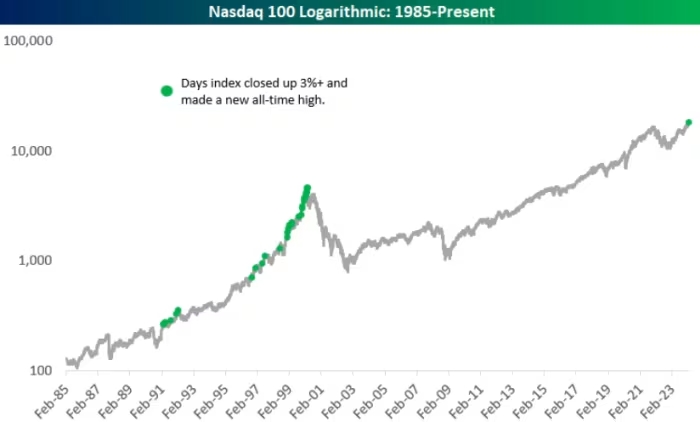
The recent Nasdaq 100 surge reflects a notable shift in market sentiment, fueled by easing geopolitical tensions surrounding the US-Iran ceasefire. As investors reacted positively to the stabilization of oil prices, particularly the significant Brent crude price drop, stocks skyrocketed across major indices. With a 3.3% rally in the Nasdaq 100, analysts are now analyzing the potential implications of this stock market rally on future trading sessions. Additionally, trends in USD/JPY have contributed to the market dynamics, further emphasizing the interconnectedness of global financial markets. Understanding these movements is crucial for grasping the broader implications for investors and navigating the evolving landscape of asset allocation in today’s volatile environment.
In the wake of global geopolitical shifts, the Nasdaq 100 has experienced a remarkable upswing, reflecting renewed investor confidence. This surge is closely linked to the recent US-Iran ceasefire agreement, which has eased fears about oil supply disruptions, as evidenced by the drop in Brent crude prices. Market analysts are keen to explore the connections between this stock market upswing and the fluctuations in currency pairs like USD/JPY. With risk assets gaining traction, investors must remain vigilant, as the implications of peace talks could lead to further volatility in commodity markets. This complex interplay of factors underscores the importance of ongoing market analysis and adaptation strategies.
The Resilience of the Nasdaq 100 Surge
As the Nasdaq 100 experiences a significant surge, it highlights the resilience and potential of tech stocks during times of uncertainty. The recent rally of 3.3% puts the Nasdaq on track for one of its most substantial daily gains since May 2025. Analysts suggest that this upturn can be attributed to the broader improvement in risk sentiment following geopolitical events, including the recent ceasefire deal between the US and Iran. Investors are beginning to capitalize on the opportunities presented by a fluctuating market, especially as major tech stocks show signs of recovery.
Despite indications of potential resistance levels at the early March highs, the Nasdaq 100’s ability to sustain its bullish trend showcases its fundamental strength. The recent easing of geopolitical tensions and the consequent drop in oil prices are creating a favorable environment for equities, particularly within the technology sector. Investors are now eyeing the possible breakout above previous highs, which could signal a sustained trend reversal and resulting bullish momentum for the Nasdaq 100.
USD/JPY Trends: A Shift in Currency Dynamics
The recent downward shift in the USD/JPY currency pair has drawn the attention of traders as it falls below key technical levels. This move is indicative of that broader market adjustment, particularly following the geopolitical shifts stemming from the US/Iran ceasefire deal. As the dollar weakens in response to improving risk sentiment, the potential for further movement below the ¥158.05 mark raises questions about the strength of the current uptrend. Traders must remain vigilant, as fluctuations in currency valuations can significantly impact the global investment landscape.
Furthermore, the implications of these trends extend beyond currency markets; they resonate within the equity markets as well. As the USD/JPY slips, market analysts suggest this may create an environment conducive to buying opportunities in other segments of the stock market. The interplay between currency valuation and stock performance highlights how interconnected these markets are, particularly in light of changing geopolitical conditions, making it imperative for traders to stay informed.
The Implications of Brent Crude Price Drop
Brent crude’s recent drop below $100 to around $91 per barrel has significant implications for global markets, particularly in sectors sensitive to energy prices. The sharp 9% decline reflects easing supply concerns following the US/Iran ceasefire, allowing analysts to predict a possible stabilization of oil prices in the short term. Such a significant decrease in oil prices can invigorate consumer spending and economic growth, bolstering equities as investors anticipate stronger corporate earnings resulting from lower operational costs.
However, despite the immediate relief from falling crude prices, analysts caution that the geopolitical landscape remains fraught with uncertainty. A fragile ceasefire may prevent a full rebound in oil prices, as concerns over potential disruptions continue to linger. Investors must navigate this dichotomy, weighing the short-term benefits of lower energy costs against the risks of renewed volatility in the oil markets. As the situation evolves, staying updated on Brent crude trends will be crucial for strategic investment decisions.
Geopolitical Impact on Stock Market Rally
The recent geopolitical developments surrounding the US and Iran have set the stage for a renewed stock market rally, with the S&P 500 and Nasdaq 100 reaping immediate benefits. The agreed ceasefire has led to a sense of optimism among investors, contributing to a bullish sentiment across all major indices. This rally is further supported by a positive macroeconomic outlook, as easing fears surrounding oil supply disruptions encourage investment in riskier assets such as equities.
Nevertheless, analysts advise caution, highlighting that while the stock market may currently be experiencing a surge, the underlying geopolitical risks should not be overlooked. Brokers are closely monitoring how the ceasefire plays out, as any resurgence in tensions could quickly shift market sentiment. Thus, maintaining a balanced investment approach while considering both macroeconomic and geopolitical factors is essential for traders navigating this volatile environment.
How USD/JPY Fluctuations Affect Global Markets
The fluctuations in the USD/JPY pair are not just important for Forex investors but also offer vital insights into the overall health of global markets. As the USD weakens against the Japanese Yen, it can trigger significant shifts in international investment flows. For instance, a stronger Yen can make Japanese exports more expensive, potentially impacting the performance of the Japan stock market and those global companies that rely heavily on Japanese manufacturing.
Moreover, these currency shifts influence how international portfolios are structured. Institutions that hedge their forex exposure are particularly sensitive to the movements of USD/JPY, as changes in the exchange rate can alter the profitability of foreign investments. Investors must remain attuned to these fluctuations, ensuring their strategies are adaptable to rapid changes in currency dynamics that can ultimately affect their return on investment.
The Market Response to Oil Price Movements
Market reactions to declines in oil prices, such as the recent Brent crude drop, often lead to an immediate response in equities and investor sentiment. A decrease in oil prices typically reduces costs for businesses dependent on energy, potentially boosting profit margins and leading stocks in sectors like transportation and manufacturing to rise. This ripple effect can initiate a broader market rally, attracting investors looking for growth opportunities stemming from healthier corporate earnings.
However, while lower oil prices might be beneficial in the short term, analysts warn of potential long-term repercussions. Sustained price drops might signal weakening demand, which could indicate an economic slowdown. This complex interaction between oil prices and stock market performance requires close monitoring, as shifts in energy prices can precipitate broader market corrections or rallies, deeply affecting investor strategies.
Outlook for Tech Stocks Amid Nasdaq Gains
The current rally in the Nasdaq 100 presents a glowing outlook for tech stocks, which have historically been significant components of equity market performance. As the Nasdaq surges, reinforced by favorable macroeconomic factors and improved market sentiment following the US/Iran ceasefire, technology companies stand to gain considerably. Investors have shown keen interest in innovation-driven sectors, making tech stocks a vital focus during this bullish trend.
Yet, investors are urged to remain discerning, as not all tech stocks will benefit equally. While major players may see elevated valuations, up-and-coming companies could experience volatility if fundamentals do not align with current price trends. Thus, due diligence is necessary to identify which sectors within technology are poised for growth within this robust market cycle, especially as macro factors continue to evolve.
The Role of Central Banks in the Current Market Rally
Central banks play an integral role during times of market volatility, as their policies regarding interest rates and liquidity can significantly influence the dynamics of a stock market rally. In the wake of improved risk sentiment prompted by geopolitical events, central banks are likely to keep close tabs on inflation and employment figures. A supportive monetary policy could be crucial in sustaining the momentum of the current market rally, particularly for an index like the Nasdaq 100, which relies on investment in growth sectors.
However, there is an ongoing debate regarding the potential need for tighter monetary policies if inflation rates begin to rise significantly, especially following energy price shocks. Investors are encouraged to be prepared for shifts in central bank strategies that may influence market directions going forward. Understanding these underlying economic forces will be essential for navigating the complex investment landscape amidst changing macroeconomic conditions.
Adapting Trading Strategies to Current Market Conditions
In light of the recent Nasdaq 100 surge and fluctuating oil prices, adapting trading strategies is of paramount importance for investors looking to maximize opportunities. With the backdrop of geopolitical developments, traders should consider implementing diversified approaches that account for both risk management and potential gains across various asset classes. In a market characterized by volatility and rapid price changes, flexibility in strategy can enhance resilience against unexpected market shifts.
Furthermore, it can be beneficial for traders to leverage advanced analytical tools that provide insights into emerging market trends, such as the impact of the USD/JPY trends and Brent crude fluctuations. Educators and trading platforms that offer training in these analytics can empower traders, equipping them with the knowledge needed to make informed decisions. By orienting their strategies toward current market dynamics, including the potential for ongoing geopolitical shifts, investors can position themselves favorably in a fast-moving financial landscape.
Frequently Asked Questions
What are the implications of the Nasdaq 100 surge on investors?
The Nasdaq 100 surge indicates a strong rally in tech stocks, potentially leading to increased investor confidence and higher market liquidity. As risk assets rally globally, investors may find opportunities in growth sectors, particularly technology, while remaining cautious about future geopolitical risks and inflation.
How does the Nasdaq 100 surge relate to Brent crude price drops?
The Nasdaq 100 surge occurs concurrently with Brent crude price drops, suggesting a shift in market sentiment. As Brent crude falls due to easing geopolitical tensions with Iran, investors may redirect their capital from commodities to equities, resulting in a notable Nasdaq rally.
What factors contributed to the recent Nasdaq 100 surge?
Factors contributing to the Nasdaq 100 surge include improved market sentiment following the US/Iran ceasefire, a drop in Brent crude prices, and a weakening USD/JPY, which typically benefits US tech exports. The overall bullish outlook for equities reflects investor optimism amid easing tensions.
What technical indicators support the Nasdaq 100 surge?
The Nasdaq 100 surge is supported by technical indicators such as a breached downtrend line now acting as support and trading above the 200-day simple moving average (SMA). This technical strength suggests a bullish trend, targeting early March highs.
How does the USD/JPY trend affect the Nasdaq 100 surge?
The USD/JPY trend affects the Nasdaq 100 surge by influencing the dollar’s strength against the yen. A weaker USD can boost U.S. exports, including tech products, enhancing the profitability of Nasdaq-listed companies and contributing to the index’s upward momentum.
What is the market outlook for the Nasdaq 100 following the surge?
The market outlook for the Nasdaq 100 following the surge is bullish in the short term, aiming for early March highs. Maintaining levels above the 200-day SMA at 24,473 suggests continued upward momentum, with investors closely monitoring geopolitical developments and inflation risks.
What risks could impact the sustainability of the Nasdaq 100 surge?
Risks impacting the sustainability of the Nasdaq 100 surge include potential geopolitical tensions resurfacing, particularly in relation to US/Iran relations, inflation pressures from fluctuating energy prices, and shifts in central bank monetary policies that could affect equity valuations.
Can the Nasdaq 100 sustain its rally amid changing Brent crude prices?
The Nasdaq 100 can sustain its rally even as Brent crude prices change, provided the broader market sentiment remains positive and investors shift focus to growth sectors. However, significant increases in oil prices could reignite inflation fears, which may dampen equity markets.
| Key Points | Details |
|---|---|
| Nasdaq 100 Rally | The Nasdaq 100 surged by 3.3%, marking one of its strongest rallies since May 2025. |
| Oil Market Reaction | Brent crude dropped sharply to around $91 due to concerns about geopolitical tensions easing. |
| USD/JPY Movement | USD/JPY slipped below its uptrend line, indicating short-term bearish momentum. |
| Geopolitical Premium | Despite the ceasefire, analysts warn of persistent risks in the oil market. |
| Market Sentiment | Global equities rose, reflecting improved risk appetite among investors. |
Summary
The Nasdaq 100 surge has garnered significant attention in the markets as equities rallied due to declining oil prices and easing geopolitical tensions. Following a recent US/Iran ceasefire agreement, the Nasdaq 100 stood out with a notable 3.3% increase, suggesting a bullish sentiment among investors. This performance amidst a broader risk-on environment emphasizes investor optimism, although caution remains warranted given the fragile nature of the ceasefire.



























