

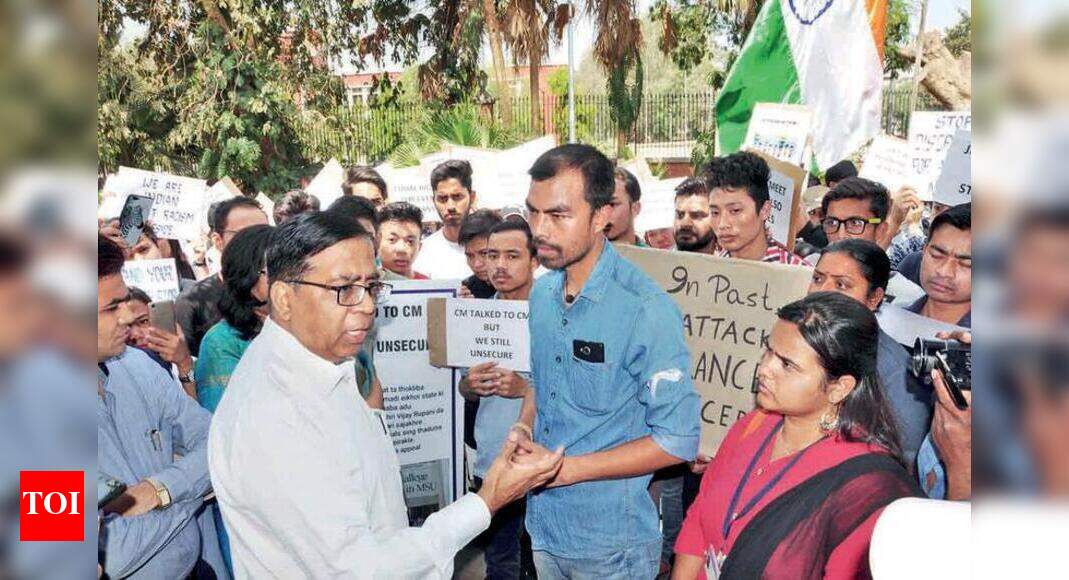
Racism in India remains a pressing issue, often manifested through incidents of racial harassment that target specific communities, particularly those from the Northeast. A recent episode at Patna railway station exemplifies this troubling reality, as a group of women from Arunachal Pradesh faced verbal abuse from a bystander who hurled racist slurs like “chinki” and “momo.” Such instances of Northeast discrimination not only reflect deep-seated racial intolerance but also raise questions about the inclusivity of Indian society. As these women courageously recorded their experience, they underscored a painful truth shared by many: the fear and humiliation that arises from such encounters. The viral nature of the incident serves as a critical reminder of the urgent need for awareness, education, and systemic change to combat racial harassment in India.
The complexities of racial bias in India often manifest in various forms, sparking debates about societal attitudes towards people from diverse backgrounds. Incidents depicting mistreatment and derogatory remarks, particularly towards individuals from regions like Arunachal Pradesh, highlight the broader theme of ethnic discrimination within the country. Such acts not only reflect ignorance but also perpetuate harmful stereotypes, further entrenching divisions among the populace. As communities like those from the Northeast continue to face challenges related to acceptance and respect, it is imperative to cultivate a more inclusive environment that honors India’s rich tapestry of cultures. Addressing issues of racial intolerance is not just a moral obligation but a crucial step toward fostering unity and understanding amidst diversity.
Understanding Racial Harassment in India
Racial harassment in India is a pervasive issue that highlights the ongoing struggles individuals face based on their ethnicity or regional identity. Instances of derogatory remarks and discrimination often arise, particularly against individuals from the Northeast region, as showcased by recent events at Patna railway station. The tirade aimed at the dance troupe from Arunachal Pradesh, where they were subjected to offensive terms like ‘chinki’ and ‘momo’, reflects deeply rooted racial intolerance among certain sectors of society. This behavior not only inflicts emotional harm but also threatens the sense of security and belonging of people from diverse backgrounds in the broader Indian cultural landscape.
The shocking incident involving the Arunachal Pradesh dance troupe underscores an alarming trend of racial prejudice in India. While many regions in the country pride themselves on their cultural diversity, minorities, particularly those from the Northeast, often encounter stereotypes and biases that marginalize their identities. Such encounters leave lasting scars on victims and pose a significant challenge to India’s inclusive narrative. It is critical for educational and social policies to address and dismantle these entrenched forms of discrimination, promoting a better understanding of India’s rich cultural tapestry.
The Impact of Northeastern Discrimination
The discrimination faced by individuals from Northeast India is not only a social issue but a national concern that requires urgent attention. The derogatory slurs experienced by the Arunachal Pradesh women demonstrate the ignorance that often perpetuates stereotypes about this vibrant region. The woman’s demand for identity cards, coupled with her racially charged insults, paints a concerning picture of the mindset towards those who look different or come from distinct cultural backgrounds. Such experiences serve to alienate Northeasterners, creating barriers that hinder their opportunities for growth and integration within the larger Indian society.
This racial intolerance often extends beyond mere verbal abuse; it can escalate into systemic discrimination that affects access to education, employment, and public spaces. Victims often feel unwelcome in their own country. The virality of the recent incident captures societal ire and initiates discussions about respect and understanding among India’s diverse populations. It’s imperative that as a nation, we confront these biases and work towards fostering an environment where all citizens, regardless of their background, can coexist without fear of prejudice.
Confronting Racist Slurs and Their Effects
Racist slurs, such as those hurled at the dancers from Arunachal Pradesh, symbolize a broader societal failure to recognize the harmful impact of hateful language. These insults not only demean the targeted individuals but also propagate harmful stereotypes across communities. Terms like ‘chinki’ are emblematic of a dismissive attitude that reduces a person’s identity to a stereotype, which can lead to further marginalization and dehumanization. When such behavior occurs in public spaces, it sends a message to bystanders, reinforcing the idea that such discrimination is socially acceptable.
Moreover, the normalization of using derogatory language can cause a ripple effect, leading to increased instances of racial harassment and intolerance. The incident at Patna railway station illustrates the need for a cultural shift towards empathy and respect for all ethnicities. Engaging in conversations about the implications of racist slurs and educating individuals about the history and diversity of India’s cultures are vital steps in counteracting this negative trend. Only through collective efforts can society hope to eradicate the stigma surrounding racial intolerance and build a more inclusive future.
The Role of Social Media in Raising Awareness
The viral nature of social media plays a crucial role in raising awareness about racial harassment in India. Videos showcasing incidents of discrimination, such as the one involving the Arunachal dance troupe, amplify the voices of those affected and shed light on the often-unseen realities of racial intolerance. These platforms enable individuals to share their experiences, fostering solidarity and support among marginalized groups. The immediate backlash against the woman’s unacceptable behavior also highlights the power of collective action in holding perpetrators accountable.
Furthermore, social media acts as a catalyst for broader dialogues surrounding race relations in India. It helps expose individuals to experiences outside their immediate reality, encouraging empathy and understanding towards different cultures. As discussions about discrimination become mainstream, there is a growing recognition of the need for systemic change. Through awareness campaigns and advocacy, social media can help dismantle misconceptions and promote a more inclusive society, where diversity is celebrated rather than discriminated against.
Policy Changes to Combat Racial Intolerance
In light of rising incidents of racial harassment, there is an urgent need for meaningful policy changes aimed at promoting inclusion and protecting the rights of minorities in India. Legislative measures that specifically address issues of racial discrimination must be considered to ensure that individuals from all backgrounds are equally respected and valued. Existing laws, while providing some framework, often lack enforcement, leaving many victims of racial intolerance without recourse. Creating stringent penalties for hate crimes and harassment would serve as a deterrent and reflect a societal commitment to diversity.
Additionally, educational programs focusing on diversity, cultural sensitivity, and the importance of social harmony can play a pivotal role in fostering understanding among different ethnic groups. Schools and community organizations should prioritize inclusivity by teaching young people about the rich tapestry of cultures that comprise India. Proactive measures, combined with a strong legal framework, can significantly contribute to reducing racial harassment and building a society where diversity is embraced rather than shunned.
Empowering Voices from the Northeast
Empowering individuals from the Northeast is pivotal in challenging the stereotypes and discrimination they face. Organizations and community groups play a crucial role in providing platforms for voices that have often been silenced. Amplifying the stories and experiences of Northeasterners can help combat ignorance and foster a sense of unity among various cultural groups within India. Encouraging self-expression through the arts, literature, and public forums can serve as a powerful tool for change and awareness.
Moreover, fostering connections between individuals from the Northeast and other regions can promote mutual understanding and respect. Initiatives that facilitate cultural exchanges and collaborative projects can break down barriers and dispel myths surrounding ethnic identities. By celebrating the unique heritage of the Northeast while simultaneously addressing the challenges faced, society can work towards a more inclusive narrative that values diversity and combats racism effectively.
The Importance of Allyship in Combating Racism
Allyship is a vital component in combating racism and fostering a more inclusive society. Individuals who recognize their privilege and lend their voices to support marginalized communities can amplify the message against racial intolerance effectively. In the context of incidents like the one at Patna railway station, it is essential for those witnessing racial harassment to intervene, speak out, and stand in solidarity with the victims. Such acts demonstrate a commitment to creating a supportive environment where everyone feels safe and welcomed.
Furthermore, educating oneself and others about the nuances of racism, particularly regarding the Northeast’s culture and identity, allows allies to engage meaningfully in conversations about discrimination. Normalizing discussions about race, while challenging colleagues and friends to reevaluate prejudicial views, contributes to a larger movement against racial harassment. Allies play a crucial role in dismantling systemic racism by advocating for policy changes, supporting marginalized voices, and promoting cultural understanding.
Promoting Cultural Exchange for Greater Understanding
Promoting cultural exchange between various regions of India can significantly mitigate incidents of racial intolerance. By encouraging dialogue and interaction among diverse communities, misunderstandings and stereotypes can be addressed constructively. Cultural initiatives, such as festivals, workshops, and art exhibitions, can showcase the richness of different ethnic heritages, fostering appreciation for the diversity that India embodies. For individuals from the Northeastern states, sharing their culture through cuisine, traditions, and art can dispel negative stereotypes and foster deeper connections.
These exchanges not only enrich cultural understanding but also serve as powerful reminders of the shared humanity that unites all people. When individuals engage with one another beyond the confines of stereotypes, they often find common ground and shared experiences. By actively participating in each other’s cultural celebrations and engaging in respectful dialogues, communities can cultivate empathy and reduce the prejudices that lead to racial harassment. In doing so, India can move towards becoming a truly inclusive society, embracing each unique identity with pride.
Addressing Racial Intolerance through Education
Education plays a crucial role in addressing racial intolerance and fostering a culture of respect and understanding in India. Integrating discussions about diversity, human rights, and the impact of racism into school curriculums can help equip young minds with the knowledge to challenge stereotypes. Teaching students about the cultural contributions of the Northeastern states and the celebrations of their unique identities can cultivate greater awareness and acceptance from a young age. This foundational understanding can help dismantle prejudices that often grow unchecked.
Engaging educators, parents, and community leaders in conversations about race and diversity can also empower them to become advocates for change. By modeling respectful dialogue and challenging discriminatory behavior, adults can help build a more tolerant environment where children learn to value differences rather than fear them. Education stands as a pillar for creating long-lasting change, shaping future generations to appreciate the intricate fabric of India’s multicultural society.
Frequently Asked Questions
What is the current state of racial intolerance in India, particularly against people from Arunachal Pradesh?
Racial intolerance in India remains a significant issue, particularly towards individuals from the Northeast, including Arunachal Pradesh. Incidents of racial harassment have been reported across various regions, where people from the Northeast face discrimination and derogatory remarks, often based on their appearance.
How does racial harassment manifest in India for residents of Arunachal Pradesh?
Racial harassment in India often manifests through verbal abuse and derogatory slurs aimed at individuals from Arunachal Pradesh and other Northeastern states. Reports include alarming instances where terms like ‘chinki’ and ‘momo’ are used to demean these individuals, highlighting deep-seated prejudices.
What are the implications of racist slurs like ‘chinki’ and ‘momo’ on Northeastern communities in India?
Racist slurs such as ‘chinki’ and ‘momo’ not only perpetuate stereotypes but also contribute to the marginalization of Northeastern communities in India. These terms fuel a climate of fear and discrimination, making individuals from Arunachal Pradesh feel unwelcome and unsafe, even in their own country.
How do incidents of Northeast discrimination affect the travel of Arunachal Pradesh residents within India?
Incidents of Northeast discrimination create significant barriers for residents of Arunachal Pradesh when traveling in India. Many express fear and anxiety over potential encounters with racism, which can deter them from exploring other parts of the country or participating in cultural exchange.
What steps are being taken to combat racism and promote awareness about racial harassment in India?
While various advocacy groups and organizations are working to combat racism in India, increased awareness and education are crucial. Campaigns to promote understanding of diverse cultures, including those of Arunachal Pradesh, are vital in addressing racial harassment and fostering inclusivity.
What can individuals do to address racial intolerance and support victims of racial harassment in India?
Individuals can play a vital role in addressing racial intolerance by speaking out against racist behavior, educating themselves and others about the experiences of marginalized communities, like those from Arunachal Pradesh, and supporting organizations that work towards equality and justice.
| Key Point | Details |
|---|---|
| Incident Location | Patna railway station, Bihar, India |
| Target of Harassment | Young women from Arunachal Pradesh |
| Racial Slurs Used | Terms like ‘chinki’ and ‘momo’ |
| Demand for ID Cards | The woman asked to see identity cards to use the restroom |
| Public Reaction | Videos of the incident went viral, showing the confrontation |
| Spokesperson’s Comments | The Arunachal women expressed fear of traveling in India due to such racism |
Summary
Racism in India has been a persistent issue, as highlighted by the recent incident involving a dance troupe from Arunachal Pradesh facing racial harassment at Patna railway station. The experience of the Arunachal women, who were subjected to derogatory slurs and intimidation, underscores the urgent need to address and combat racial discrimination within the country. This situation not only reflects deep-seated prejudices but also the challenges faced by individuals from the Northeast in their own homeland. It draws attention to the broader conversation about unity and respect for diversity in India, promoting an inclusive environment for all citizens.



























