

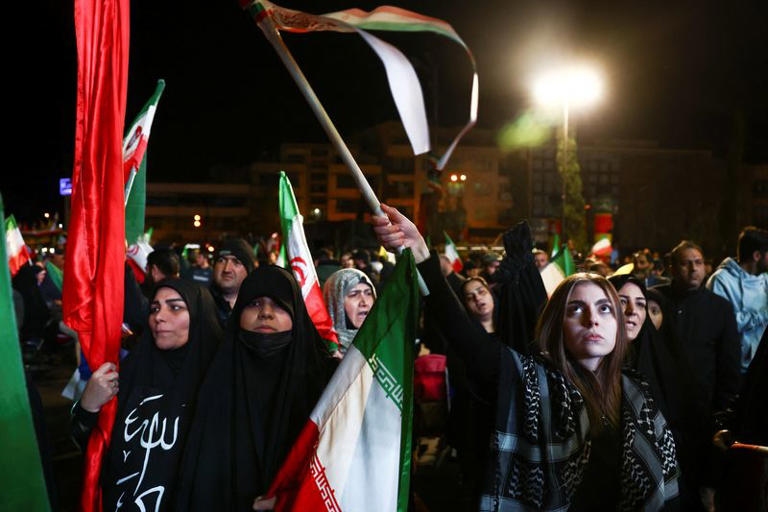
In recent Iran news, the Iranian government has firmly rejected the proposed ceasefire, labeling it as “unreasonable” amidst ongoing tensions and historical distrust towards the United States. Citing several pre-negotiation violations, including issues surrounding uranium enrichment rights, Tehran is asserting its position against accepted terms. Despite hopes for peace, the refusal reflects a pattern of resistance against external pressures, particularly against the backdrop of Donald Trump’s willingness to mediate. This development comes at a time when assembly elections are drawing significant voter turnout across states, indicating a robust democratic engagement. As geopolitical dynamics unfold, the interplay between internal political movements and international relations will be crucial in shaping Iran’s future direction.
In the latest updates regarding the ceasefire in Iran, the nation has declared its opposition to discussions aimed at halting hostilities, highlighting a longstanding skepticism towards American proposals. This recent diplomatic friction has emerged alongside significant domestic events, such as high participation rates in the country’s assembly elections. Reports indicate that voter turnout has been impressive, showcasing civic engagement amidst the politically charged atmosphere. Additionally, the conversations on uranium enrichment continue to be a critical point of contention, complicating any prospects for diplomatic resolutions. As the situation evolves, the intersection of local electoral affairs and broader international negotiations remains a pivotal focus.
Iran’s Rejection of the Ceasefire Proposal
Iran’s recent dismissal of the ceasefire proposal introduced by Donald Trump has sent ripples through the international community. Labeling the offer as ‘unreasonable,’ Iranian officials have articulated their historical concerns about engaging with the U.S. The country cites a lengthy history of broken promises, specifically referencing violations regarding a previous ceasefire in Lebanon and intrusions into its airspace. This rejection has fueled discussions surrounding Iran’s unwavering stance on maintaining its right to uranium enrichment, which it sees as a sovereign necessity amidst rising tensions.
The implications of Iran’s refusal to engage in a ceasefire extend beyond its borders, affecting global perceptions of stability in the Middle East. The Iranian government has painted this decision as not only a defense of national rights but also a response to what it calls hostile actions by the U.S. and its allies. This scenario raises pressing questions about the future of negotiations on nuclear disarmament and sets the stage for continued confrontations in international relations.
Strong Voter Turnout in Assembly Elections
In a surprising show of civic engagement, the latest assembly elections have witnessed significant voter turnout across multiple states. Assam led the pack with an impressive 84.42% of registered voters casting their ballots, while Kerala and Puducherry also reported robust participation rates of 75.01% and 86.92%, respectively. Such high levels of voter participation indicate an invigorated electorate eager to influence local governance and policies, particularly in light of the ongoing political landscape influenced by eventful global occurrences, including Iran’s geopolitical tensions.
The high turnout rates can be attributed to various factors, including effective campaigning and greater awareness among the populace about the importance of their vote. Political analysts suggest that this may reflect a growing trend towards greater accountability and transparency in governance. As citizens engage more actively in the democratic process, the implications for future elections could be profound, as these trends might encourage political parties to prioritize voter concerns and outline clear policies to address pressing local issues.
Congress Exits Baramati Bypoll: Strategic Moves Amidst Political Dynamics
Amid ongoing electoral battles in Baramati, the Congress party has strategically decided to withdraw from the bypoll, a move that underscores the fluidity of political alliances and rivalries in Maharashtra. Following the advice of veteran politician Sharad Pawar, the party aims to consolidate support behind Sunetra Pawar, hoping to strengthen its electoral prospects against a field of 22 independent candidates. This decision reflects the shifting dynamics within Maharashtra politics, where voter turnout and candidate selection are critical to positioning for future elections.
This withdrawal could potentially alter the voting landscape in Baramati, as it may encourage independent candidates to rally support. Political experts are closely monitoring these developments, as a successful campaign by Pawar could reshape the local political narrative, ultimately influencing party strategies in the larger assembly elections. The decisions made in Baramati could serve as a bellwether for how major parties may respond to changing voter sentiments across the state.
Impact of Israeli Strikes on Regional Stability
The recent Israeli strikes resulting in the death of Ali Yusuf Harshi, nephew of Hezbollah’s Naim Qassem, have escalated tensions in an already volatile region. This incident highlights the fragile nature of peace in areas influenced by Iranian geopolitical maneuvers and ongoing military confrontations. Such actions not only strain relations between Israel and Iran but also contribute to a broader atmosphere of uncertainty in Middle Eastern politics, particularly in regard to ongoing discussions about ceasefires and military engagements.
The repercussions of these strikes extend beyond immediate military implications and into the political sphere, affecting public sentiment and governance in countries like Iran and Lebanon. As Iran faces external pressures, its government’s responses, including dismissals of ceasefire negotiations, further entrench existing animosities. Ultimately, these incidents complicate the landscape for diplomatic endeavors aimed at achieving a sustainable peace in the region.
Market Reactions to Ceasefire Optimism
The financial markets experienced a significant downturn as optimism surrounding a potential ceasefire began to wane. The BSE Sensex plummeted over 900 points, while the Nifty50 fell below 23,800, reflecting investor sentiment heavily influenced by geopolitical tensions, especially as they pertain to Iran’s rejection of the ceasefire proposal. Economic analysts note that such fluctuations in investor confidence are deeply tied to perceptions of stability in the Middle East, as Iran continues its uranium enrichment activities amidst rising tensions.
The abrupt decline in market indexes suggests that investors remain highly sensitive to geopolitical developments, particularly those stemming from decisions made by influential leaders such as Donald Trump. The ongoing unpredictability associated with Iran’s political landscape not only affects oil prices but also casts a long shadow over financial forecasts globally. Investors are now preparing for a potentially tumultuous period, as the prospects for peace negotiations seem increasingly remote.
Frequently Asked Questions
Why did Iran reject the ceasefire proposed by Trump?
Iran called the ceasefire ‘unreasonable’, highlighting its deep historical distrust of the United States and citing multiple pre-negotiation violations. Notably, Tehran referenced breaches related to the first ceasefire clause concerning Lebanon, a drone violation in Iranian airspace, and the essential right to uranium enrichment, which Iran considers vital to its national interests.
| Points | Details |
|---|---|
| Iran Rejects Ceasefire | Iran dismissed Trump’s ceasefire proposal as unreasonable, citing violation of agreements and asserting its uranium enrichment rights. |
| High Voter Turnout | Voter turnout reached 84.42% in Assam, 75.01% in Kerala, and 86.92% in Puducherry for the Assembly elections as of 5 PM. |
| Congress Exits Race | The Congress party withdrew from the Baramati bypolls to allow Sunetra Pawar to compete against 22 independent candidates. |
| Beirut Strike Impacts | An Israeli airstrike resulted in the death of Ali Yusuf Harshi, related to Hezbollah’s leadership amid escalating tensions. |
| Market Reactions | Following ceasefire uncertainties, BSE Sensex fell by over 900 points, while Nifty50 dipped below 23,800. |
Summary
The Iran ceasefire remains a contentious issue, as Iran recently labeled the proposal from Donald Trump as ‘unreasonable’. This rejection stems from a deep-seated mistrust of the United States, compounded by allegations of pre-negotiation violations and Iran’s insistence on its right to uranium enrichment. The ongoing situation reflects both regional tensions and the geopolitical complexities surrounding nuclear negotiations. As Iran continues to assert its position, the potential for conflict remains high, putting further pressure on international relations.



























