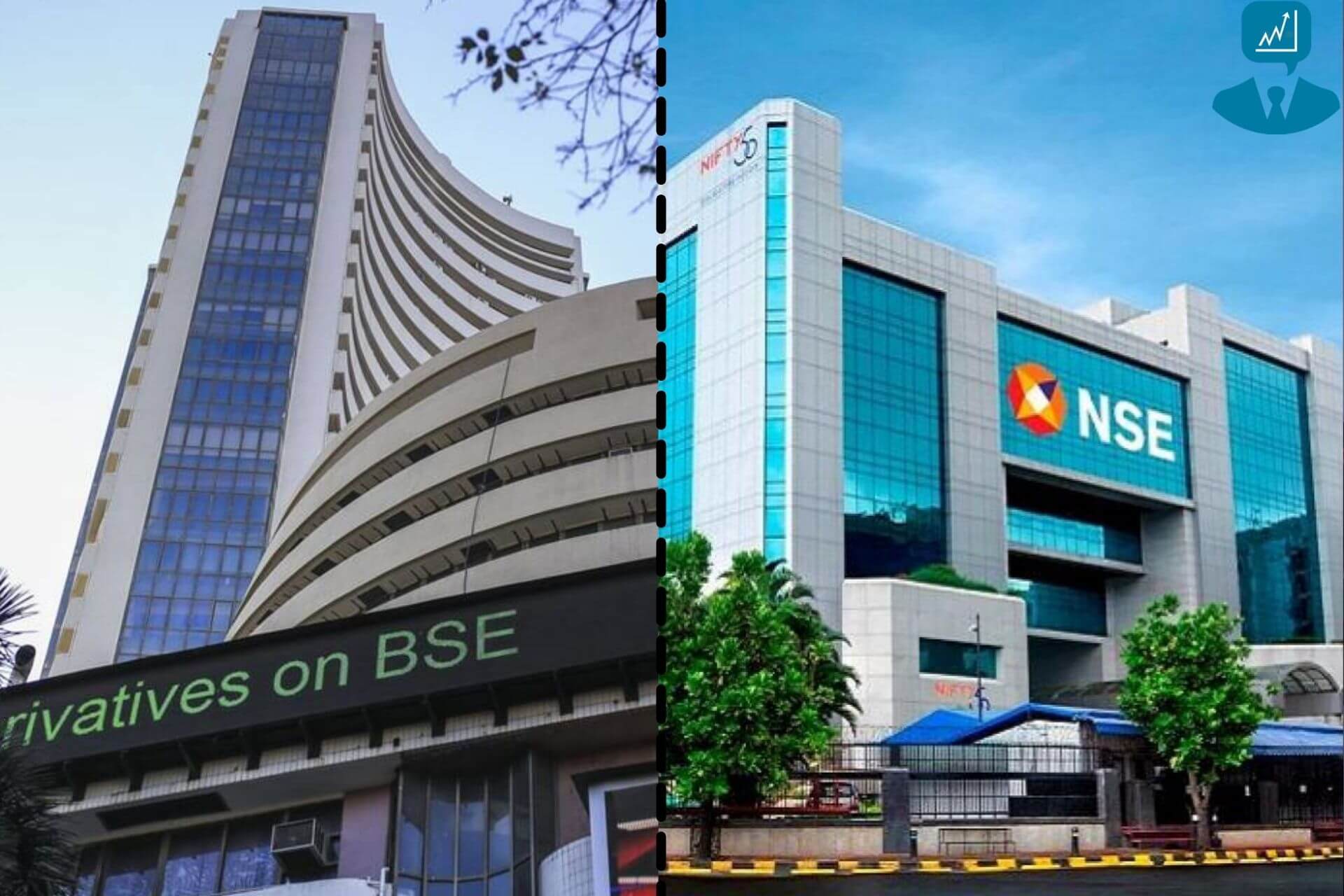
Sensex Sees Unexpected Jump Today Amid Economic Changes
The Sensex, a key barometer of the Indian stock market, showcased a remarkable recovery today, gaining 185 points to close at 73,319.55. Following a series of stock market updates, it was clear that investor confidence was returning, driven by value buying in IT and banking shares. As traders reacted to the latest Indian stock market news, the Nifty performance mirrored the Sensex’s upward trend, settling above the significant 22,700 level. April 2, 2026, marked a pivotal day in BSE trading, with a sharp rebound in the rupee serving to bolster investor sentiment. This timely rebound amidst fluctuating market dynamics highlights the resilience of the Sensex and sets the stage for continued market optimism.
The BSE index, also known as the Sensex, plays a crucial role in gauging the performance of the Indian equity market. As market fluctuations unfold, investors keenly observe the developments that influence share prices, including the impacts of global economic indicators and domestic policies. Today’s stock market landscape reflects a blend of strategic investing and market resilience, with the Nifty index performing robustly alongside the Sensex. Investors remain engaged in analyzing price trends and market narratives, particularly concerning updates around the rupee’s performance and sectoral movements. Overall, the latest market insights signal a positive trajectory for participants, leading to informed trading decisions.
Sensex Performance Update: April 2, 2026
On April 2, 2026, the Sensex demonstrated a remarkable resilience, recovering significantly from earlier losses to close up by 185.23 points, reaching a final figure of 73,319.55. This surge, amounting to a 0.25 percent increase, was largely attributed to a surge in investor confidence driven by robust buying activity in the IT and banking sectors. As the market witnessed a rebound more than 2,000 points from its day’s low, the catching up of investor sentiment was primarily fuelled by a strengthening rupee and strategic market interventions by the Reserve Bank.
The day’s trading provided a glimpse into the dynamic activity within the Indian stock market. As major gainers like Infosys, Tata Consultancy Services, and HDFC Bank led the charge, investors eagerly focused on the potential for continued growth. The broader implications of the Sensex’s performance on April 2 reflect a recovery that transcends market fluctuations, suggesting a stabilizing trend amid a complex economic landscape.
Nifty Trends in BSE Trading
The Nifty 50 index mirrored the Sensex’s positive trend on April 2, closing at 22,713.10, up 33.70 points or 0.15 percent. This upward movement in Nifty underscores the overall market optimism as investors showed increased appetite for risk amid favorable trading conditions. Key sectors that contributed to this upward trajectory included IT stocks, which gained traction due to fresh buying interest, aligning well with the recovery seen in other major indices.
Moreover, the correlation between Nifty performance and broader BSE trading dynamics highlights the importance of sector-wise performance, particularly on days like this when the market experiences a turnaround. Traders and investors looking for insights into future movements will do well to monitor the interplay between Nifty’s performance and critical market drivers such as currency fluctuations and sector-specific earnings.
Market Sentiment: Drivers Behind Today’s Gains
A significant factor in the stock market’s recovery today was the sharp rebound of the rupee, which gained approximately 1.8 percent to reach 93.14 against the US dollar. The Reserve Bank’s intervention, aimed at curbing excesses in onshore forward markets, played a crucial role in enhancing market confidence. As the rupee stabilizes, it not only positively impacts local shares but also serves as an indicator for foreign investment, which is crucial for the health of the Indian stock market.
In addition to currency stability, the market also benefitted from sector-specific performances, particularly in IT and banking stocks. The resurgence in these sectors indicates a broader acceptance of value investments, where investors capitalize on dips to enhance their portfolios. It’s essential for market participants to remain vigilant of these developments, as both currency movements and sector rotations will continue to be pivotal in shaping market dynamics moving forward.
Indian Stock Market News: Key Highlights
Today’s stock market updates reflect the resilience of the Indian markets, highlighted by key performance metrics of the Sensex and Nifty. As the market closed, the key highlights included the Sensex closing higher by 185 points, indicating a gradual recovery from the early trading session’s losses. Additionally, Nifty’s performance improvements, along with gains from prominent companies, indicate that investor confidence remains intact despite underlying economic challenges. The day’s trading showed positive trends in share price movements, offering a glimpse into the potential for further gains.
Moreover, the upcoming closing of the markets due to the Good Friday holiday prepares investors for strategic planning during the down-time. Market participants will be keenly analyzing these highlights in hopes of leveraging them for future trading sessions. The combination of global factors and local news will play an essential role in shaping decisions in the coming days, and staying informed will be crucial.
Analyzing BSE Trading Volatility
BSE trading volatility on April 2, 2026, showcased significant movements as the market experienced a pronounced U-turn from earlier losses. The ability of the Sensex to rebound over 2,000 points is a testament to the volatility that characterizes Indian stock markets and the opportunities it presents. Market analysts often highlight that such fluctuations not only test investor nerves but also offer fertile grounds for strategic trading practices. The key now is for traders to analyze these trends, using them to make informed decisions going forward.
As fluctuations continue to define the landscape of Indian stock trading, understanding the underlying causes of these volatile movements becomes critical. Economic indicators, international relations, and domestic policies can all influence the degree of volatility observed. Investors must engage in continual market analysis and adapt their strategies to align with emerging trends while being mindful of potential risks.
Sector Focus: IT and Banking Steering the Market
The stock market’s recent recovery has been significantly led by the IT and banking sectors, which are pivotal for market momentum. Companies such as HCL Technologies and Tech Mahindra experienced nearly 3 percent increases, highlighting the resurgence in technology stock performance. This trend points toward a broader context where digital transformation initiatives are driving demand and revenue growth, reinforcing the importance of these sectors within the Indian economy.
Additionally, the banking sector’s robust performance today suggests a growing confidence among investors regarding financial stability and economic recovery. Major banks listed on the Sensex, including HDFC Bank and Kotak Mahindra Bank, have shown resilience and continued profitability, which bodes well for sustained market performance. Observing these sectors closely will provide investors with insights into potential opportunities for capitalizing on growth trends.
Impacts of Currency Movements on Stock Performance
The Indian rupee’s significant appreciation, as observed today with a rise of 1.8%, illustrates the interdependence between currency movements and stock market performance. This rebound supports a more favorable trading environment for export-oriented companies and enhances overall investor sentiment. With the Reserve Bank stepping in to stabilize currency fluctuations, investors can expect more predictable market dynamics, aiding in long-term investment planning.
Consequently, currency stability acts as a backbone for stock market recovery, influencing everything from share prices to investment flows. Traders who monitor currency trends, especially against major currencies like the US dollar, will be better positioned to protect their investments and seize new opportunities as they arise. The interconnectedness of global currencies with the stock markets emphasizes the need for a comprehensive approach to market analysis.
Future Outlook for Indian Stock Markets
Looking ahead, the outlook for the Indian stock markets remains cautiously optimistic, driven by recent positive developments across key indices. Analysts are focusing on factors such as the strength of the rupee and ongoing sectoral growth, particularly in the IT and banking sectors. Investors should remain vigilant of upcoming market cues, as these will shape near-term performance and investment strategies.
Moreover, with the signs of recovery becoming more pronounced, opportunities for investment abound. As economic reforms continue to play out and global market dynamics evolve, stakeholders in the Indian stock market will have to navigate these changes strategically to capitalize on potential gains. Continuous monitoring of market updates and broader economic indicators will be essential for making informed decisions in this landscape.
Frequently Asked Questions
What factors are influencing the Sensex performance today in April 2026?
Today, the Sensex performance is being influenced by strong value buying in IT and banking shares, along with a notable rebound in the rupee after the Reserve Bank’s intervention. This positive sentiment contributed to the Sensex closing higher by 185 points.
How did the Nifty perform alongside the Sensex on April 2, 2026?
On April 2, 2026, the Nifty mirrored the positive performance of the Sensex, closing up by 33.70 points at 22,713.10. This uptick was driven by bargain hunting in various sectors, particularly IT stocks.
What are the recent updates in the Indian stock market relevant to Sensex?
Recent updates in the Indian stock market show a robust recovery of the Sensex, which is currently at 73,319.55, indicating an upward trend in investor confidence. The sharp recovery in the rupee and significant gains in key stocks have played critical roles in this performance.
Which stocks contributed most to the Sensex increase today?
The stocks that contributed significantly to the Sensex increase today include HCL Technologies, Tech Mahindra, and other major players like Infosys and HDFC Bank, which all experienced notable gains, further supporting the overall market rally.
What is the latest Sensex news for April 2026?
The latest Sensex news for April 2026 highlights a rise of 185.23 points, attributed to strong market recovery influenced by IT sector performance and stabilization of the rupee. Market sentiment remains positive ahead of the Good Friday market closure.
How does the Sensex impact investor decisions in the Indian stock market?
The Sensex serves as a key barometer for the Indian stock market, influencing investor decisions by reflecting overall market health and economic conditions. Its performance can guide investment strategies and inform traders about market trends.
Why did the rupee’s rebound affect Sensex trading positively today?
The rupee’s rebound by over 150 paise against the US dollar bolstered investor confidence, as a stronger currency typically enhances the macroeconomic environment, thereby positively influencing Sensex trading. This recovery encouraged more buying in the stock market today.
What key economic indicators are linked to today’s Sensex transaction trends?
Key economic indicators linked to today’s Sensex transaction trends include the performance of IT and banking stocks, the fluctuation of the rupee against the dollar, and overall investor sentiment shaped by international market dynamics.
| Key Point | Details |
|---|---|
| Market Performance | Sensex up 185 points (0.25%) closing at 73,319.55; Nifty up 33.70 points (0.15%) at 22,713.10. |
| Rupee Recovery | Rupee rose by 1.8% to 93.14/USD due to Reserve Bank interventions. |
| Sector Performance | Strong value buying in IT and banking shares drove market gains. |
| Top Gainers | HCL Technologies, Tech Mahindra, Infosys, and other blue-chip companies performed well. |
| Other Market Indicators | Crude oil futures increased by over 6%; Gold prices decreased by nearly 1.3%. |
Summary
Sensex shows resilience as it closes higher today, demonstrating a positive trend amidst market fluctuations. The recovery in the stock market reflects investors’ confidence, particularly in technology and banking sectors. As we analyze the market dynamics, the significant increase in the Sensex and the recovery of the rupee against the US dollar illustrate a growing optimism among investors. Monitoring these trends remains crucial as the market navigates various economic factors.