

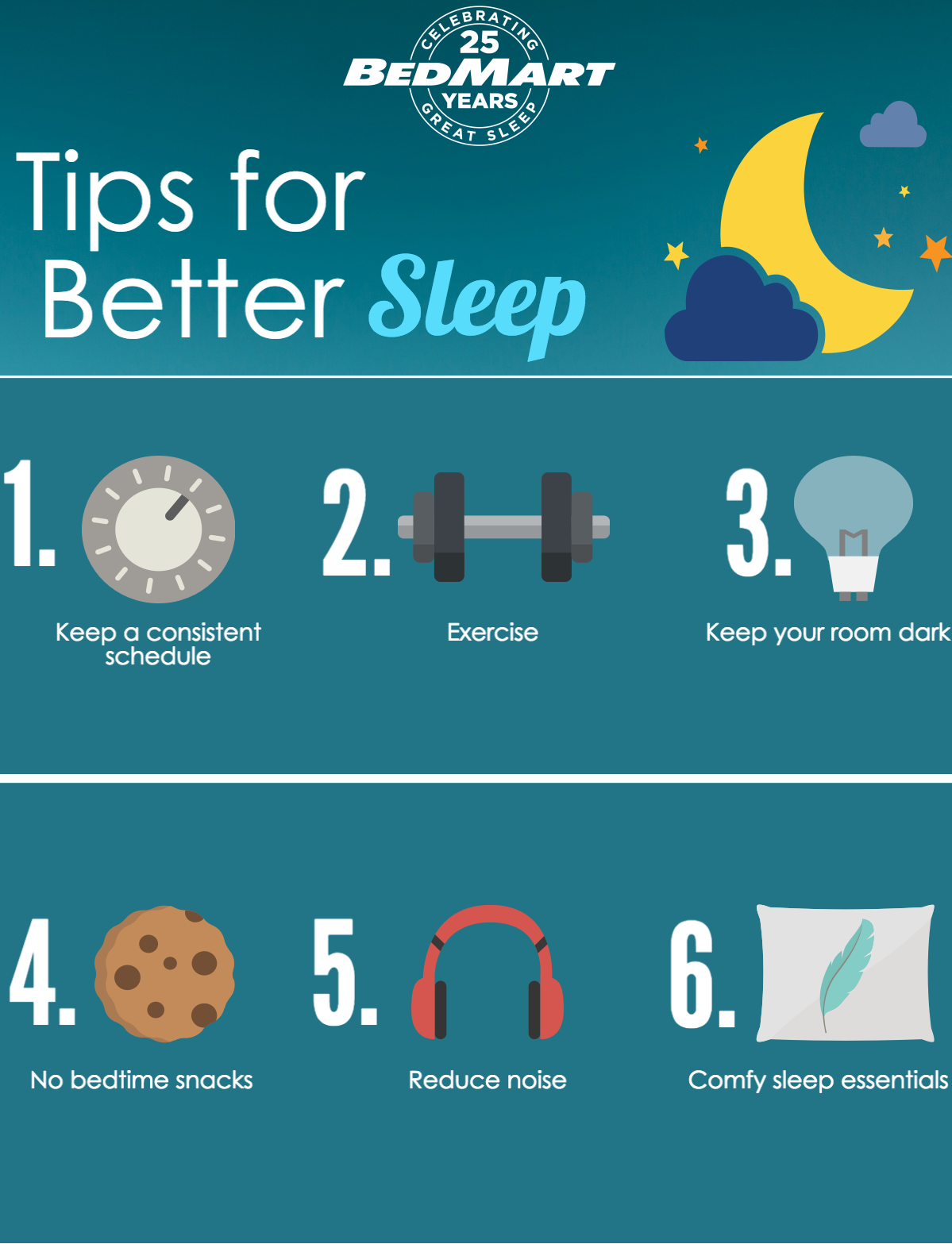
Are you tired of tossing and turning at night? Discovering effective tips for better sleep can transform your nights from restless to restorative. Practicing good sleep hygiene and cultivating healthy sleep habits are essential for improving sleep quality and overcoming insomnia. From creating a calming bedtime routine to managing your sleep environment, these sleep tips can help you achieve the peaceful slumber you’ve been dreaming of. Explore these simple yet impactful changes to enjoy a night of rejuvenating rest and enhanced overall well-being.
In today’s fast-paced world, the pursuit of restful slumber is more crucial than ever. Many people are searching for insomnia solutions and ways to cultivate restorative rest, seeking to optimize their nightly routines. By understanding the fundamentals of sound sleep practices, we can enhance our nightly recuperation and ensure we wake up refreshed. This guide will provide you with essential strategies for establishing a soothing pre-sleep environment and adopting established techniques for better sleep. Unlock the secrets to peaceful nights and energetic mornings by integrating these methods into your lifestyle.
Understanding Sleep Hygiene
Sleep hygiene refers to the set of practices and habits that are conducive to sleeping well on a regular basis. This includes maintaining a consistent sleep schedule, creating a restful environment, and developing a pre-sleep routine. Good sleep hygiene can significantly impact your sleep quality and reduce the chances of insomnia. By understanding the fundamentals of sleep hygiene, you can take proactive steps towards improving your nightly rest.
For instance, ensuring that your bedroom is dark, quiet, and at a comfortable temperature helps facilitate better sleep. In addition, avoiding screens and stimulating activities before bedtime can prepare your body and mind for rest. Incorporating these healthy sleep habits into your daily routine can dramatically enhance your overall well-being, resulting in more productive days and a more balanced life.
Frequently Asked Questions
What are some effective sleep tips for improving sleep quality?
To improve sleep quality, establish a regular sleep schedule, create a calming bedtime routine, and limit exposure to screens before bed. Additionally, maintain a comfortable sleep environment by keeping your bedroom dark and cool, and avoid caffeine and heavy meals close to bedtime.
How does sleep hygiene contribute to better sleep?
Sleep hygiene involves the practices and habits that are necessary for quality sleep. By adhering to good sleep hygiene, such as consistent sleep timing, a comfortable mattress, and a dark environment, you can significantly improve your sleep patterns and overall sleep quality.
What are some common insomnia solutions to enhance sleep?
Common insomnia solutions include cognitive behavioral therapy for insomnia (CBT-I), relaxation techniques like meditation and deep breathing, and the Use of sleep aids only as a last resort. Additionally, addressing any underlying medical issues is crucial to alleviate insomnia.
What healthy sleep habits can be adopted for better sleep?
Healthy sleep habits include avoiding naps during the day, not lying in bed awake for extended periods, and engaging in regular physical activity. Prioritizing these habits can lead to better sleep quality and mitigate issues related to sleep disturbances.
How can I apply tips for better sleep if I have a busy schedule?
If you have a busy schedule, prioritize your sleep by setting a consistent bedtime, even if it means adjusting activities during the day. Utilize quick relaxation techniques before bed, avoid stimulants like caffeine late in the day, and ensure your sleeping area is optimized for comfort.
What role does a bedtime routine play in sleep hygiene?
A bedtime routine plays a crucial role in sleep hygiene by signaling to your body that it’s time to wind down. Engaging in calming activities, such as reading or taking a warm bath, helps reduce stress and prepares your mind for restful sleep.
Can dietary choices impact sleep quality and insomnia solutions?
Yes, dietary choices can greatly impact sleep quality. Consuming heavy meals, caffeine, and alcohol close to bedtime may disrupt your sleep. For better sleep, focus on light snacks and consider foods that promote sleep, like those rich in magnesium or tryptophan.
What environmental factors should I consider for improving sleep quality?
To improve sleep quality, consider environmental factors such as room temperature, noise levels, and light exposure. A quiet, dark, and cool environment can significantly enhance your ability to fall asleep and stay asleep throughout the night.
How important is consistency in sleep schedules for healthy sleep habits?
Consistency in sleep schedules is crucial for developing healthy sleep habits. Going to bed and waking up at the same time every day helps regulate your body’s internal clock, making it easier to fall asleep and wake up refreshed.
Are there specific tips for better sleep that help with stress management?
Yes, specific tips like practicing mindfulness, engaging in yoga or gentle stretches, and incorporating deep-breathing exercises before bed can all help manage stress, leading to improved sleep quality.
| Tip | Description |
|---|---|
| Maintain a Sleep Schedule | Going to bed and waking up at the same time every day helps regulate your body’s clock. |
| Create a Restful Environment | Ensure your bedroom is conducive to sleep: dark, quiet, and cool. |
| Limit Screen Time Before Bed | Avoid screens for at least an hour before bedtime to reduce blue light exposure, which can interfere with sleep. |
| Mind Your Diet | Avoid heavy meals, caffeine, and alcohol close to bedtime. |
| Practice Relaxation Techniques | Engage in calming activities such as reading, meditation, or warm baths to prepare your body for sleep. |
Summary
Tips for Better Sleep suggest establishing a routine, optimizing your sleep environment, and practicing relaxation techniques. By maintaining a consistent sleep schedule and limiting distractions, such as screens and stimulants in your diet, you can significantly enhance your ability to fall asleep and stay asleep. Prioritizing these habits will lead to more restorative sleep and, ultimately, improved overall health.