

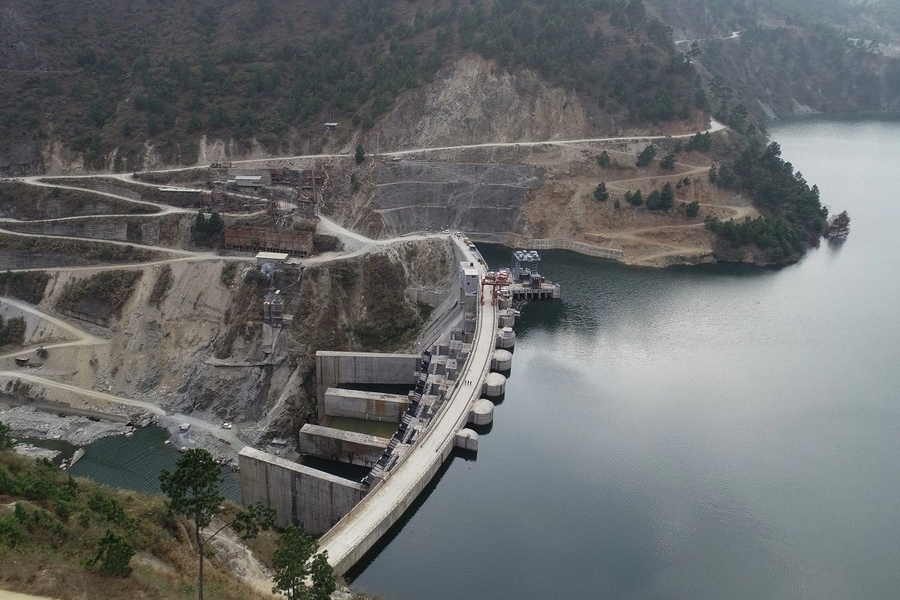
Arunachal Pradesh hydropower projects are set to transform the energy landscape of the region, with the recent Cabinet approval for the Kamala hydropower project and the Kalai-II project. With an ambitious investment of Rs 40,150 crore, these initiatives are aimed at significantly enhancing Arunachal Pradesh’s energy generation capacity. They promise to bring substantial hydropower benefits for communities, including job creation and corporate social responsibility initiatives that directly impact local lives. As these projects unfold, they are expected to not only meet rising energy demands but also stimulate socio-economic development in Arunachal Pradesh. This strategic push towards renewable energy sources will help underpin a sustainable future while empowering the local population.
The recent advancements in hydropower initiatives in Arunachal Pradesh are pivotal to the region’s energy evolution. With substantial investments directed towards projects like Kamala and Kalai-II, the focus has shifted towards harnessing the natural resources effectively. These energy generation ventures not only target improved power supply for the demands of the population but also underpin the broader economic upliftment of communities in Arunachal. The anticipated socio-economic growth reflects the commitment to integrating advanced technology in harnessing hydropower while sustaining local livelihoods through job opportunities and community development initiatives. Thus, Arunachal Pradesh emerges as a beacon of progress in renewable energy exploitation.
Enhancing Arunachal Pradesh’s Energy Generation Capacity
The recent approval for the Kamala hydropower project and the Kalai-II project marks a significant step towards enhancing Arunachal Pradesh’s energy generation capacity. These projects are set to add substantial megawatts to the state’s electricity grid, addressing the growing demand for power in both urban and rural areas. With an estimated investment of Rs 40,150 crore, this initiative not only aims to bolster local energy supplies but also positions Arunachal Pradesh as a vital contributor to the national power infrastructure.
Incorporating cutting-edge technology and sustainable practices, these hydropower projects will leverage the region’s rich water resources. By tapping into the powerful rivers flowing through the state, they promise to produce clean energy that can help reduce the carbon footprint associated with traditional energy generation methods. This advancement is crucial as India strives to meet its renewable energy targets and shift towards greener energy solutions.
Socio-Economic Development through Hydropower Projects
The implementation of the Kamala and Kalai-II projects holds immense potential for socio-economic development in Arunachal Pradesh. Not only will these projects improve energy availability, but they will also create new job opportunities for locals, fostering economic growth in the region. The Cabinet emphasizes that the benefits of these projects will extend beyond electricity supply; they will also usher in various community development initiatives, enhancing the quality of life for residents.
Moreover, with Corporate Social Responsibility (CSR) programs tied to these hydropower projects, local communities can look forward to better infrastructure, healthcare facilities, and educational opportunities. These initiatives promote long-term sustainability and empower residents to lead more prosperous lives, thus creating a ripple effect that can uplift the entire region. The commitment to integrating local communities in the progress of the Kamala and Kalai-II projects is a testament to the focused approach towards inclusive development.
Kamala and Kalai-II Projects: Opportunities for Employment
The Kamala hydropower project and the Kalai-II project are set to open up a myriad of employment opportunities for the local population of Arunachal Pradesh. These projects, while primarily aimed at enhancing power generation, also include significant investments in workforce training and skill development programs. This focus on building human capital ensures that the local workforce is adequately prepared to participate in the construction and operation phases of the projects.
In addition to direct employment, ancillary industries such as logistics, supply chains, and construction services are expected to thrive, providing further job opportunities. The involvement of local residents in these projects not only fosters a sense of ownership but also promotes economic stability within the region, enabling families to earn sustainable incomes and improve their standard of living.
Community Benefits and CSR Activities of Hydropower Projects
The Cabinet’s approval for the Kamala and Kalai-II hydropower projects is accompanied by a commitment to extensive Corporate Social Responsibility (CSR) activities aimed at benefiting the local communities in Arunachal Pradesh. These CSR initiatives are designed to address various local needs, including education, healthcare, and better living conditions. Such multi-faceted approaches ensure that the benefits of the projects reach beyond mere employment to encompass broader aspects of community well-being.
For instance, with the influx of resources from the hydropower projects, local schools may receive funding for new infrastructure and learning materials, while healthcare facilities can be improved to cater to the health needs of the population. By prioritizing community engagement and development, these projects reinforce the commitment to not just energy generation but also the sustainable progress of Arunachal Pradesh’s socio-economic landscape.
Sustainability and Environmental Impact of the Kamala and Kalai-II Projects
Sustainability is a core principle guiding the development of the Kamala hydropower project and the Kalai-II project in Arunachal Pradesh. These initiatives are designed to minimize environmental impacts while maximizing energy output. By utilizing renewable water resources, they contribute to reducing reliance on fossil fuels and support the transition to a cleaner energy landscape. This approach aligns with broader environmental goals, ensuring that hydropower remains a key player in sustainable energy production.
Additionally, responsible environmental management practices will be implemented throughout the project lifecycle. This includes assessing potential ecological impacts, maintaining biodiversity, and involving local communities in environmental stewardship efforts. By prioritizing the health of the local ecosystems, these projects can achieve a balance between development and conservation, ultimately benefiting both the energy sector and the natural environment.
The Future of Hydropower in Arunachal Pradesh
With the commencement of the Kamala and Kalai-II projects, the future of hydropower in Arunachal Pradesh appears brighter than ever. As the state harnesses its hydrological potential, it not only boosts its own energy reserves but also strengthens India’s renewable energy capabilities. The ability to generate clean energy locally can attract further investment and encourage innovation in the energy sector, solidifying Arunachal Pradesh’s role as a leader in sustainable energy development.
Looking ahead, these projects may serve as a blueprint for future hydropower initiatives across the country. The lessons learned from the implementation of the Kamala and Kalai-II projects can influence policies, enhance project framework, and promote best practices within the hydropower sector. This prospective expansion not only lays the groundwork for an energy-independent future for Arunachal Pradesh but also reinforces the significance of renewable resources in combating climate change.
Integration of Local Communities in Hydropower Development
The integration of local communities in hydroelectric projects has become a focal point of the Kamala and Kalai-II initiatives in Arunachal Pradesh. Recognizing the importance of local knowledge and resources, the project planners aim to involve community members in various stages of the project. This approach ensures that the benefits are felt right from the planning to the execution phase, fostering a strong sense of ownership and responsibility among the local populace.
Moreover, by engaging locals in decision-making processes and employment opportunities, the projects can harness unique insights into social dynamics and environmental concerns. This inclusive model not only promotes community buy-in but also enhances the sustainability of the projects, as residents are more likely to support and take care of initiatives that they have a role in shaping.
Economic Growth through Hydropower Industry
The economic growth prospects tied to the Kamala and Kalai-II projects are significant for Arunachal Pradesh. As these hydropower projects gear up for development, they are expected to stimulate economic activities in multiple sectors. From construction to supply chain management, the ripple effects of employment and business opportunities will be felt across various communities, leading to a diverse economic landscape.
Furthermore, the projects signal to investors and stakeholders beyond the state’s borders that Arunachal Pradesh is committed to developing its energy infrastructure sustainably. Increased confidence from the investment community could catalyze further development initiatives, accelerating the state’s overall economic growth trajectory and establishing it as a pivotal energy hub in North-East India.
Advancements in Technology for Hydropower Projects
Technological advancements are a cornerstone of the Kamala and Kalai-II hydropower projects, facilitating efficient energy production while ensuring minimal environmental impact. By incorporating modern engineering and technical innovations, these projects aim to optimize water usage and enhance energy efficiency, which are crucial in achieving the anticipated energy outputs and meeting demand.
Moreover, the integration of smart grid technologies can improve energy distribution across the state, allowing for real-time monitoring and management of energy resources. This technical approach not only enhances the reliability of power supply but also enables adaptive measures to respond to fluctuating energy demands, ultimately leading to a more resilient energy infrastructure in Arunachal Pradesh.
Frequently Asked Questions
What are the key features of the Kamala hydropower project in Arunachal Pradesh?
The Kamala hydropower project, one of the two major initiatives approved by the Cabinet in Arunachal Pradesh, is set to enhance the region’s energy generation capacity significantly. With an estimated cost of Rs 40,150 crore, this project aims to provide reliable power supply and create job opportunities for the local communities, contributing to socio-economic development in Arunachal Pradesh.
How will the Kalai-II project impact Arunachal Pradesh energy generation?
The Kalai-II project is designed to boost Arunachal Pradesh’s energy generation capacity, which is vital for meeting the region’s rising energy demands. By investing Rs 40,150 crore into this project, the state will not only improve its power infrastructure but also ensure that local communities benefit through employment and Corporate Social Responsibility (CSR) initiatives.
What are the hydropower benefits for communities in Arunachal Pradesh?
Hydropower projects in Arunachal Pradesh, such as the Kamala and Kalai-II projects, provide numerous benefits for communities. These include job creation, improved local infrastructure, and economic growth through CSR activities. Additionally, reliable energy supply from these projects will facilitate new business opportunities, further enhancing socio-economic development in the region.
What is the significance of hydropower for socio-economic development in Arunachal Pradesh?
Hydropower plays a crucial role in the socio-economic development of Arunachal Pradesh by providing a sustainable energy source, creating employment opportunities, and fostering local entrepreneurship. The recent approval of the Kamala and Kalai-II hydropower projects, with a total cost of Rs 40,150 crore, is expected to propel this development significantly.
How are local communities being involved in the Arunachal Pradesh hydropower projects?
Local communities are expected to be actively involved in the Arunachal Pradesh hydropower projects through job opportunities and participation in CSR activities. The Kamala and Kalai-II projects focus on compensations and initiatives that aim to uplift the socio-economic status of residents, ensuring that the benefits of these projects are shared with the local populace.
| Key Points | |
|---|---|
| Cabinet Approval | Rs 40,150 crore allocated for hydropower projects in Arunachal Pradesh |
| Projects Involved | 1. Kamala Project, 2. Kalai-II Project |
| Objectives of Projects | Enhance power generation capacity and supply |
| Benefits to Local Communities | Compensation, employment opportunities, and CSR activities |
| Impact | Meets increasing energy demands and contributes to socio-economic development |
Summary
Arunachal Pradesh hydropower projects represent a significant step towards enhancing the energy infrastructure of the region. The government’s approval of two major projects, namely the Kamala and Kalai-II projects, with an investment of Rs 40,150 crore, underscores the commitment to not only improve power generation capacity but also to uplift the local communities through employment and developmental initiatives. As these projects progress, they are expected to address the rising energy demands while facilitating socio-economic growth in Arunachal Pradesh.



























