

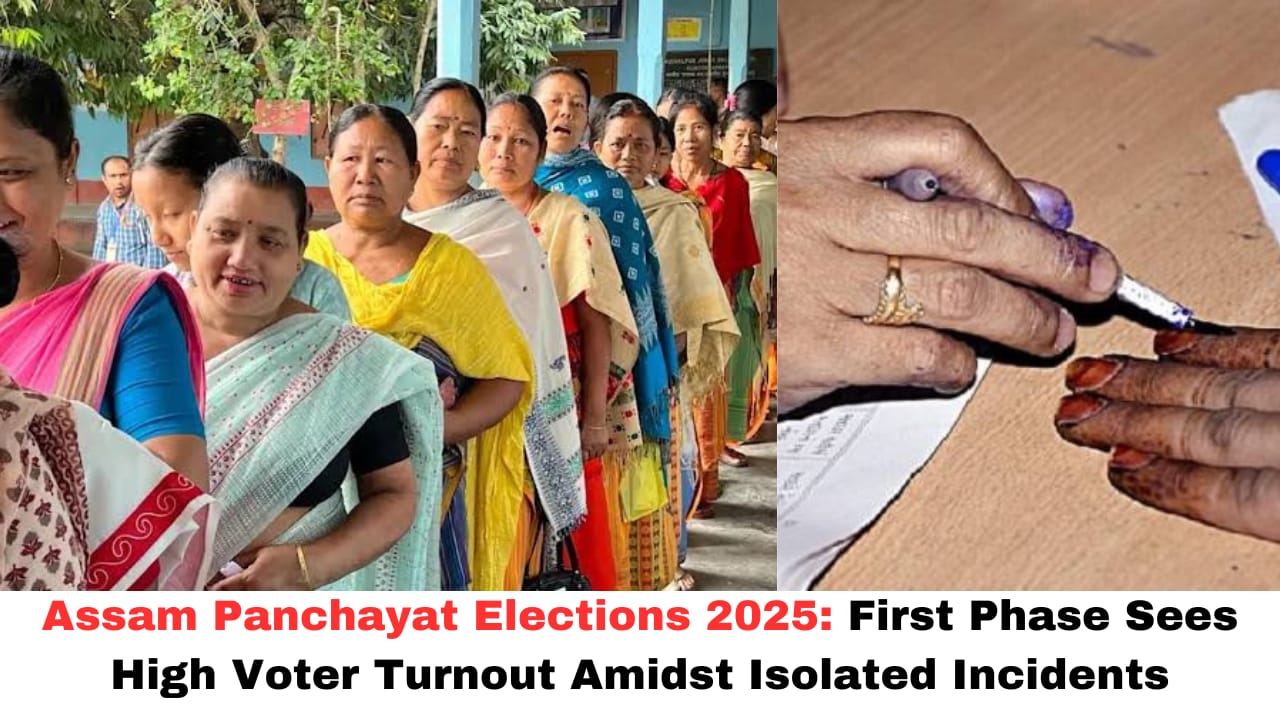
The Assam Elections 2026 are set to be a pivotal moment for the state, with voter turnout already dramatically surpassing previous records. As of 7 pm, the Election Commission reported an impressive 85.13% voter engagement, eclipsing the 82.04% turnout from the 2021 Assembly elections. This surge in participation highlights growing political awareness among the populace and reflects the crucial issues driving residents to the polls. As communities in regions like Dhubri and Goalpara showcased remarkable turnout rates, the enthusiasm for democratic participation is palpable. The latest Assam elections news reinforces the significance of this event, emphasizing the vigorous voter engagement that could shape the political landscape for years to come.
In the upcoming electoral battle in Assam, the 2026 elections are poised to redefine civic participation within the region. With an eye on high voter engagement in rural and urban areas alike, local citizens are mobilizing to express their choices amid pressing social and political issues. The recent reports from the Election Commission outline a promising trend towards greater voter turnout, signaling a robust democratic spirit. This year, as the elections unfold, both seasoned and new candidates will face heightened scrutiny from an increasingly savvy electorate. Emphasizing the importance of informed participation, the events surrounding the polls promise to be both impactful and transformative for the state’s future.
Assam Elections 2026: A Record Voter Turnout
The Assam elections of 2026 have set a remarkable precedent with a voter turnout of 85.13% reported by the Election Commission of India by 7 PM on voting day. This figure not only surpasses the 82.04% recorded in the previous Assembly elections of 2021 but also highlights the increasing voter engagement in the state. Various factors have contributed to this surge, including targeted voter awareness campaigns and improved accessibility at polling stations, such as provisions for elderly and differently-abled voters. The robust turnout witnessed in areas like Dalgaon and Jaleshwar, where participation reached as high as 94%, indicates a strong democratic spirit among Assamians, reflecting their desire for active involvement in governance and decision-making.
The rush at polling stations across Assam was evident as voters lined up long after the official voting time. Reports indicate that polling stations in rural areas consistently outperformed urban centers, with smaller constituencies like Mankachar and Golakganj showing remarkable engagement. The political climate in Assam has become increasingly vibrant, as citizens are motivated to voice their opinions and preferences through the ballot box. It is clear that the emphasis on development, governance, and employment has resonated with the electorate, leading to this impressive showing of democracy in action.
Factors Influencing Voter Engagement in Assam
Several factors have significantly influenced the high voter turnout in Assam elections 2026, with an evident increase in civic awareness and participation. The Election Commission’s efforts to ensure easy access to polling places, combined with extensive voter education initiatives, have helped to raise awareness about the importance of each vote. Moreover, local political parties have made concerted efforts to engage with voters by highlighting crucial issues such as development, infrastructure, and employment, which are primary concerns for many citizens. The high level of participation reflects a growing consciousness among the populace about the impact of their votes on local governance and policy matters.
In addition to political engagement, technology played a key role in bolstering voter turnout. Social media campaigns and the dissemination of critical election information through digital platforms have kept the electorate informed about when and how to vote. The accessibility of electronic voting mechanisms and ease of information-sharing has mobilized younger voters, contributing to the record turnout. With ongoing efforts from various stakeholders, the trend in increased voter engagement is likely to continue, setting a positive trajectory for future elections in the region.
Challenges Faced During Polling in Assam
While the 2026 Assam elections are celebrated for their historic voter turnout, a few challenges were recorded on polling day. The overall polling process was mostly peaceful, but there were reports of minor incidents, including a tragic death of a polling official due to health issues while on duty and isolated clashes among party workers in Golaghat. Such incidents underscore the need for ongoing vigilance and robust measures to maintain peace during elections. Election Commission reports emphasize that despite these challenges, the security and integrity of the election process were upheld, ensuring that voters could exercise their rights in a largely secure atmosphere.
Additionally, the policing strategy deployed across constituencies aimed at maintaining law and order during voting was largely effective, with authorities managing to quickly resolve disputes without affecting voter turnout. However, the incident of detaining party workers in regions like Tamulpur and Sivasagar underscores the need for further preventive measures to ensure a smooth electoral process. The balance between mobilizing large numbers of voters and maintaining order is crucial for future electoral activities, highlighting a potential area of focus for the upcoming elections in Assam.
The Role of Technology in Facilitating Voting
The integration of technology into the electoral process has proved invaluable for the Assam elections of 2026. The Election Commission’s adoption of digital platforms for voter information sharing has empowered citizens by providing them with real-time updates about polling venues, voting procedures, and essential dates. Furthermore, online voter registration systems have simplified the process, enabling a greater number of individuals to participate in the election cycle. These efforts have not only increased voter turnout but have also encouraged younger demographics to engage more actively in the electoral process, setting a trend for future elections.
Moreover, technology has enhanced the transparency of the electoral process, with live updates on voter turnout statistics being made accessible to the public. This transparency builds trust in the electoral system and motivates individuals to fulfill their civic duties. In addition to disseminating information, technological tools like mobile applications for voter awareness have educated citizens on their rights and the significance of their votes. As Assam moves closer to the future, the continued incorporation of technology in the electoral process will be pivotal in fostering sustained voter engagement and promoting democratic ideals.
Assam’s Political Landscape Ahead of 2026 Elections
The political landscape of Assam has undergone significant changes with the approach of the 2026 elections. As various parties prepare to contest, strategies are being devised that focus on both local and national issues that resonate with voters. The electoral narrative is increasingly shaped by key issues such as economic development, education, and employment opportunities, particularly in rural areas. Additionally, parties are keen on capitalizing on the high voter turnout trend, aiming to engage with their constituents through comprehensive manifestos that address the challenges faced by different demographics within the state.
Political campaigns have become more dynamic, utilizing social media and grassroots initiatives to reach a broader audience. Efforts to engage voters are complemented by outreach programs that encourage discussion on pressing issues. The diversity of Assam’s populace means that political dialogues need to be inclusive and sensitive to varying cultural perspectives. As we move toward 2026, the stage is being set for a highly competitive electoral battle where parties strive to gain voter confidence through effective communication and visible commitment to addressing the public’s needs.
Impact of Voter Turnout on Assam’s Governance
High voter turnout in the Assam elections not only signifies public engagement but also has profound implications for governance in the state. When more citizens participate in the electoral process, it reflects their investment in the future of their communities, leading to governments that are more representative and accountable to their constituents. The record turnout of 85.13% in 2026 highlights a shift towards a more participatory democratic process, where elected representatives are compelled to prioritize the concerns of the electorate—ultimately fostering better governance.
Moreover, higher participation levels can reinforce the legitimacy of the winning party, granting them a mandate to implement their policies more confidently. This legitimacy plays a critical role in enabling government initiatives that demand public cooperation and support. In the coming years, the challenge for Assam’s leaders will be to translate this engagement into actionable policies that address the pressing needs of the diverse communities across the state, ensuring that democracy remains vibrant and responsive to the electorate.
Voter Awareness Initiatives in Assam
Leading up to the 2026 elections, voter awareness initiatives in Assam have propelled civic engagement and encouraged greater participation among residents. The Election Commission, in collaboration with various civil society organizations, embarked on a comprehensive campaign to educate voters about their rights and responsibilities. Such campaigns have included workshops, seminars, and outreach programs that emphasize the importance of informed voting. Innovative methods have been employed, such as interactive sessions and social media engagements, which have resonated particularly well with younger voters.
Additionally, voter engagement programs targeting marginalized communities have been instrumental in ensuring that no citizen is left behind. These initiatives aim to address specific barriers faced by various groups, such as language complications and lack of transportation to polling stations. By actively working to create an inclusive voting environment, Assam has set a strong precedent for future electoral exercises, reinforcing the notion that every voice matters in a democratic society.
Challenges in Ensuring Fair Voting in Assam
While the 2026 elections showcased a remarkable turnout, ensuring fair voting continues to be a challenge in Assam. Reports of sporadic violence and intimidation during the polling process have highlighted the need for stronger measures to protect voter rights. The presence of political tensions and clashes can dissuade citizens from casting their votes freely, which can ultimately undermine the democratic process. Addressing these challenges is crucial to fostering an environment where residents feel safe and empowered to participate in elections.
Efforts to enhance voter security must be prioritized ahead of future elections, with more robust training for election officials and law enforcement to prevent and manage conflicts. Vigilance against undue influence and maintaining the integrity of the voting process are fundamental to building trust in the electoral system. By identifying and mitigating these challenges, Assam can work towards a future where fair and transparent elections become a standard, further helping to increase overall voter turnout.
Analyzing Trends from the 2026 Assam Elections
The trends emerging from the Assam elections in 2026 are indicative of a shift in voter expectations and behaviors. The substantial increase in voter turnout, reaching 85.13%, suggests a growing recognition among the populace of the power of their voice in shaping governance. This engagement is likely influenced by recent socio-political developments that have galvanized public interest in community and national affairs. Analyzing such trends can help political parties strategize effectively for future elections, enabling them to align their policies better with constituent needs.
Furthermore, focusing on the demographics of the voting populace reveals insights into specific groups that are increasingly participating in the electoral process. For instance, the rise of informed younger voters and active participation from rural communities signify a major shift towards a more inclusive voting base. As political dynamics evolve, understanding these trends will be essential not just for parties competing in upcoming elections, but also for ensuring that governance reflects the multifaceted interests of Assam’s diverse population.
Frequently Asked Questions
What was the voter turnout in Assam Elections 2026 and how does it compare to previous years?
The voter turnout in Assam Elections 2026 reached an impressive 85.13% by 7 pm, surpassing the previous record of 82.04% from the 2021 Assembly elections. This significant increase highlights the rising voter engagement in Assam, showing strong participation particularly in lower and central districts.
| Key Points |
|---|
| Voter Turnout |
| 85.13% turnout reported by 7 pm |
| Surpassed 2021 turnout of 82.04% |
| Strong turnout in Lower Assam and central districts. |
| Top constituencies: Dalgaon (94.57%), Jaleshwar (94.31%), etc. |
| Urban areas had lower turnout compared to rural areas. |
| Steady increase in turnout throughout the day. |
| Polling was mostly peaceful despite a few incidents. |
| Involvement of over 2.49 crore voters and 722 candidates. |
Summary
The Assam Elections 2026 have set a record with a remarkable voter turnout of 85.13% reported by 7 pm, highlighting the state’s invigorated political engagement. This significant turnout surpasses the previous record of 82.04% from 2021, indicating a heightened interest among citizens in shaping their governance. Voter participation was especially robust in Lower Assam and central districts, showcasing communities’ eagerness to influence decision-making. Constituencies like Dalgaon and Jaleshwar led with exceptional turnout percentages, reflecting a spirited democratic process. Notably, while rural regions demonstrated higher engagement, urban areas showed comparatively lower participation, a trend consistent with previous elections. The overall peaceful nature of the polls, alongside arrangements to assist elderly and differently-abled voters, further underscores the importance of accessibility in encouraging voter turnout. As the dust settles, the high engagement levels speak volumes about the citizens’ desire for development and good governance, setting the stage for an interesting post-election landscape in Assam.



























