

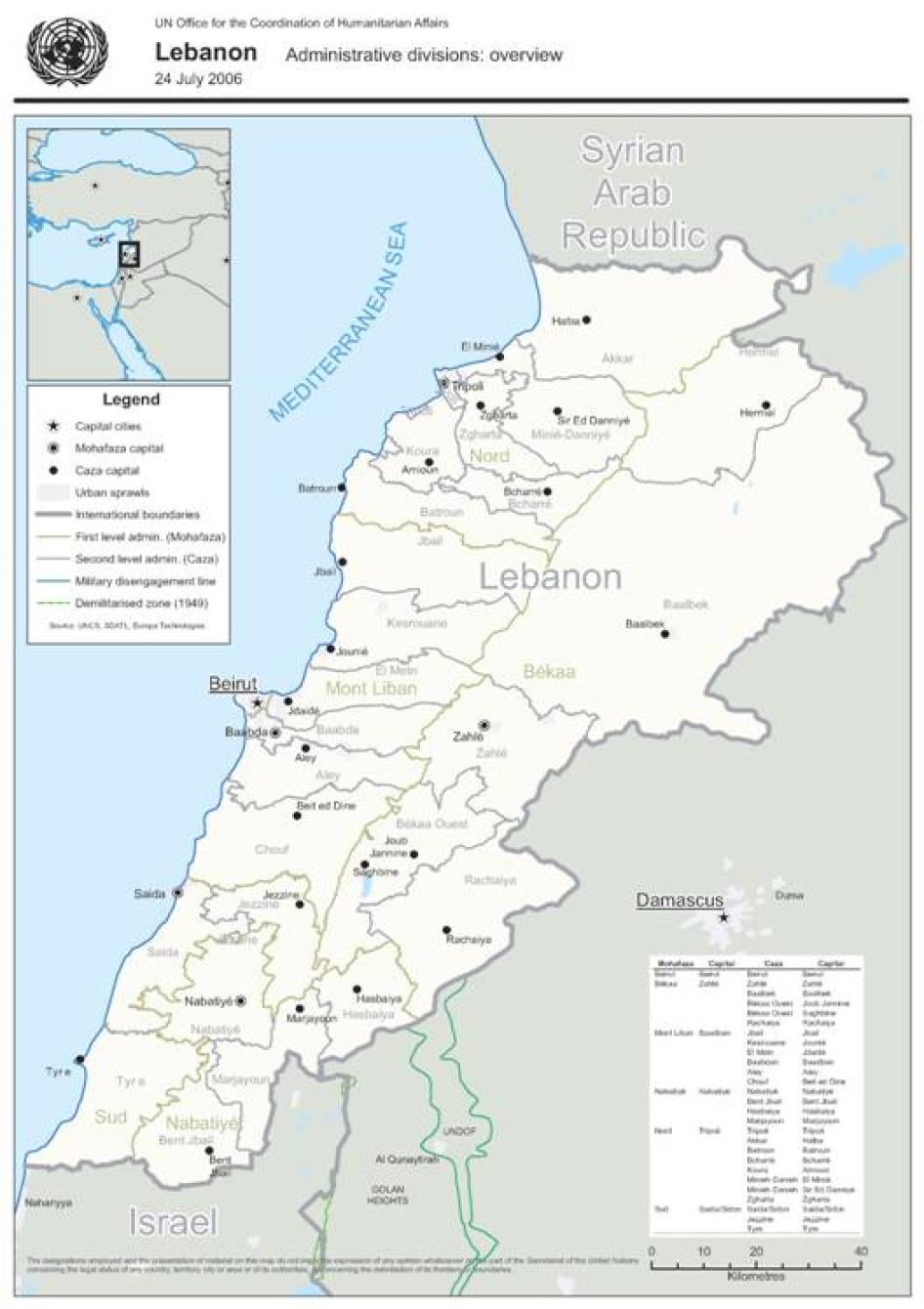
The plight of civilian casualties in Lebanon has captured international attention, particularly amid the ongoing Israeli airstrikes that have exacerbated the humanitarian crisis. Reports suggest that innocent lives are being shattered as these military operations intensify, raising alarm bells across the globe. India, in particular, has voiced its deep concern over the rising death toll and the implications on human rights in the conflict zone. The Ministry of External Affairs emphasized the need for the protection of civilians amid such turmoil, highlighting how vital it is to address these concerns in the broader geopolitical landscape. As nations grapple with their responses, the situation continues to evolve, drawing focus to similar global issues, including those related to espionage and sociopolitical challenges.
In light of the disturbing reports regarding the loss of life in Lebanon, the international community finds itself reaffirming the call for greater attention to civilian protection in conflict situations. The adverse effects of military conflicts on non-combatants are increasingly recognized, underlining the urgency of addressing such humanitarian crises with sensitivity and care. Events in Lebanon remind us of the fragile nature of peace and the lasting impact of airstrikes on innocent populations. As global stakeholders navigate their political agendas, from the implementation of the BJP’s Uniform Civil Code in India to counter-espionage efforts by Delhi Police, the focus remains on ensuring safety and protection for civilians caught in the crossfire. This intricate tapestry of geopolitical concerns showcases the interconnected struggles for justice and civil rights across different regions.
India’s Alarming Concerns Over Civilian Casualties in Lebanon
In recent weeks, India has expressed grave concerns regarding the rising number of civilian casualties in Lebanon due to ongoing Israeli airstrikes. The country’s Ministry of External Affairs labeled the situation as “very disturbing,” stressing the need for all parties involved to adhere to international humanitarian laws. The airstrikes have led to significant loss of life and displacement among the civilian population, drawing widespread condemnation from various international bodies. As Lebanon struggles to navigate its complex political landscape, civilian safety remains at the forefront of India’s diplomatic discourse.
The issue of civilian casualties in Lebanon also resonates with India’s historical commitment to peace and diplomacy in conflict zones. Concerns have been raised not only about the immediate impacts of the airstrikes on innocent lives but also regarding the long-term implications for regional stability. This situation has elicited dialogues around humanitarian interventions and the responsibilities of nations during armed conflicts. In light of the Israeli airstrikes, India calls for urgent humanitarian assistance and appeals to the global community to work towards de-escalation.
BJP’s Commitment to Implement Uniform Civil Code in Bengal
In a bold political move, Amit Shah has reaffirmed the Bharatiya Janata Party’s (BJP) commitment to implement the Uniform Civil Code (UCC) in Bengal within the next six months, should they secure electoral victory. During a rally, Shah articulated that the UCC aims to create a common set of regulations governing personal laws across different communities, thereby promoting gender equality and justice. The BJP argues that this initiative is a significant step toward national integration, aligning with their larger vision for a unified legal framework within the country.
The promise for a swift implementation of the UCC has sparked various reactions among the populace and political analysts alike, with discussions centered around its potential impact on social dynamics and legal frameworks. Critics argue that while the UCC could enhance equality, it raises concerns about the localization of personal laws and the cultural sentiments of diverse communities. Nevertheless, the BJP maintains that a common civil code is necessary for the progress of society and elimination of discrimination, illustrating the party’s intent to position itself as a reformative force in Indian politics.
Delhi Police’s Major Crackdown on ISI-Backed Spy Network
In a significant development, Delhi Police arrested ten operatives linked to an ISI-backed spy network, marking one of the largest counterintelligence operations in recent memory. This crackdown comes at a time when concerns regarding national security are heightened, particularly in light of geopolitical tensions in the region. Officials have emphasized that thwarting espionage activities is critical to maintaining the integrity and safety of the nation. The operation not only underscores the proactive measures being taken by law enforcement agencies but also aims to send a clear message to any entities attempting to compromise national security.
The arrest of the operatives raises important questions around the extent of foreign interference in domestic affairs. As the Delhi Police continue their investigations, discussions about the implications of foreign espionage are on the rise. Moreover, the operation has prompted calls for heightened security measures and further collaboration between various intelligence agencies to prevent similar breaches in the future. Citizens are encouraged to remain vigilant and report any suspicious activities, as the threat of espionage poses a persistent challenge that requires a comprehensive and collaborative response.
Justice Yashwant Varma’s Resignation Amid Controversies
Justice Yashwant Varma’s resignation has shocked the legal fraternity and the nation alike, particularly as it unfolds against the backdrop of a cash recovery scandal and impeachment proceedings. In his letter addressed to the President, Justice Varma expressed his deep anguish over the events that led to his departure from the judiciary. His reflections encapsulate the challenges faced by members of the higher judiciary, emphasizing the delicate balance between personal integrity and institutional pressures. The circumstances surrounding his resignation have ignited discussions about accountability and transparency within the judicial system.
The allegations tied to his resignation not only call into question individual conduct but also highlight systemic issues within judicial administration. Legal experts argue that this situation serves as a reminder of the need for robust mechanisms to govern judicial conduct and ensure the autonomy of the judiciary. As investigations continue, the implications of Justice Varma’s departure will likely resonate deeply within the public discourse on judicial reforms and the integrity of the justice delivery system in India.
Tragic Telangana Triple Murder Case Reflects Gender-Based Violence
The recent triple murder case in Telangana, where a man brutally killed his pregnant wife and two daughters, has drawn national outrage and raised significant concerns about gender-based violence in India. Allegedly motivated by a desire for a male child, the gruesome act underscores the tragic realities faced by many women in a society where gender discrimination continues to persist. This horrifying incident has not only sparked anger in local communities but also highlighted the urgent need for societal reforms addressing gender biases and the value of female lives.
As the investigation unfolds, discussions surrounding the cultural and societal pressures that drive such violent actions are paramount. Activists and women’s rights organizations are calling for stronger legal frameworks to protect women and enhance awareness about gender equality. The Telangana triple murder tragedy serves as a chilling reminder of the changes needed to thwart such atrocities and foster a culture of respect and equality for all, regardless of gender. Greater advocacy and education are essential to dismantling the prejudices that lead to gender-based oppression.
Frequently Asked Questions
What are the implications of civilian casualties in Lebanon due to Israeli airstrikes?
Civilian casualties in Lebanon, particularly from Israeli airstrikes, have significant humanitarian implications, raising concerns over international law and the protection of non-combatants in conflict zones. India’s Ministry of External Affairs has highlighted the distressing nature of these casualties, stressing the need for measures protecting civilians in conflict. The loss of innocent lives also fuels regional tensions and undermines peace efforts.
| Key Points |
|---|
| India expresses deep concern over civilian casualties in Lebanon due to Israeli airstrikes, emphasizing the need for civilian protection. |
| Amit Shah of BJP promises the implementation of the Uniform Civil Code (UCC) in Bengal if his party wins elections. |
| Delhi Police arrests 10 suspects linked to an ISI-backed espionage network as part of a crackdown on foreign interference. |
| Justice Yashwant Varma resigns amidst impeachment proceedings, expressing his emotional turmoil in a letter to the president. |
| A shocking case of a triple murder in Telangana highlights issues of gender-based violence and societal pressures regarding childbirth. |
Summary
Civilian casualties in Lebanon have become a focal point of international concern as the situation escalates due to ongoing Israeli airstrikes. The Indian government has voiced its disquiet, urging for the protection of civilians caught in the crossfire of this conflict. This troubling development showcases the urgent need for world leaders to prioritize civilian safety in warfare, as innocent lives are disproportionately affected by such violent escalations. The escalating crisis in Lebanon underscores the broader implications of military actions on civilian populations and the critical necessity for diplomatic resolutions to protect vulnerable communities.



























