

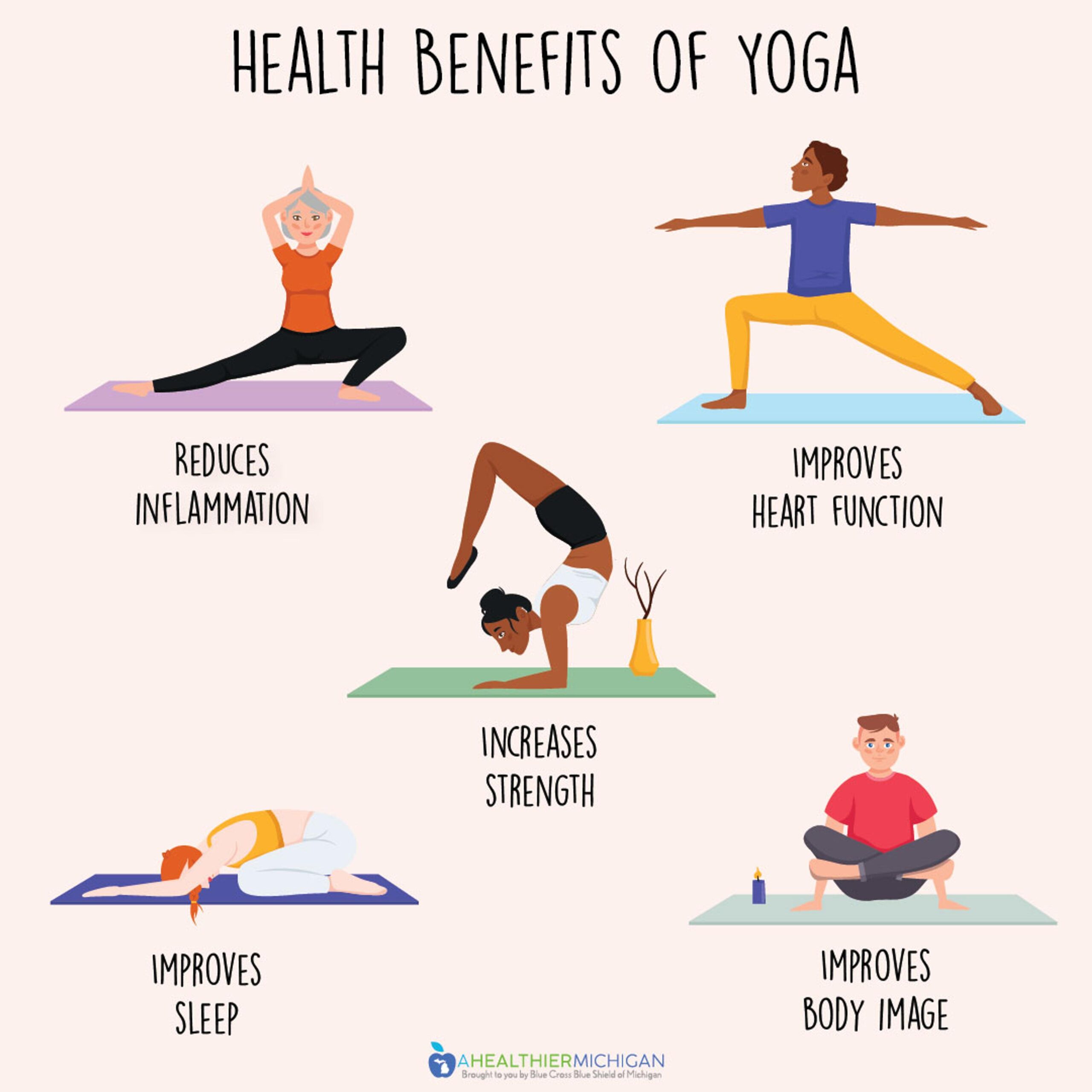
Yoga is a diverse practice with many different types of yoga that cater to various needs and preferences. From the gentle flow of Hatha to the intense workout provided by Ashtanga, the styles of yoga offer something for everyone, including beginners. Each type not only focuses on physical postures, or yoga poses, but also incorporates meditation techniques and enhances overall well-being. Exploring the benefits of yoga, such as increased flexibility and stress relief, can inspire individuals to find the right style for their personal goals. Whether you’re interested in traditional practices or contemporary adaptations, understanding the different types of yoga can transform your approach to health and mindfulness.
When discussing the world of yoga, one can encounter an array of practices designed to promote physical and mental harmony. Various forms of this ancient discipline—often referred to as exercise systems or holistic routines—underscore the importance of cultivating balance and tranquility. For newcomers, exploring these varied approaches, including restorative methods and dynamic flows, can reveal the numerous advantages they provide. Delving into the different expressions of yoga, alongside their associated meditation techniques and health benefits, empowers practitioners to choose the path that resonates with their unique journey. With a spectrum ranging from gentle stretches to vigorous sequences, the exploration of yoga’s rich palette opens up possibilities for everyone.
The Different Types of Yoga: A Guide for Beginners
Yoga encompasses a diverse range of styles and practices, making it accessible to individuals of all levels of experience. From Hatha to Vinyasa, each type of yoga offers unique benefits, allowing practitioners to tailor their practice to meet personal fitness and wellness goals. For beginners, understanding the differences among types of yoga can be overwhelming. It’s essential to explore the various styles, as each one incorporates distinct yoga poses, sequences, and breathing techniques that cater to different physical needs and preferences.
Hatha yoga is often recommended for beginners due to its slower pace and focus on foundational poses, making it an excellent choice for those new to yoga. In contrast, Vinyasa is more dynamic, linking movement with breath and often appealing to those looking for a more vigorous workout. Additionally, styles like Yin yoga offer deep stretches and relaxation, while Restorative yoga focuses on gentle, supportive poses that promote relaxation and recovery. Understanding these distinctions can enhance your yoga practice and ensure you are reaping the many benefits of yoga, such as improved flexibility, strength, and mental clarity.
The Benefits of Yoga: Physical and Mental Gains
The benefits of yoga extend far beyond mere physical improvements; they encompass significant mental and emotional enhancements as well. Physically, regular yoga practice can lead to increased flexibility, improved posture, and enhanced strength. As you explore various yoga poses, you’ll likely find that not only do these movements engage your muscles, but they also help to build stamina and promote overall fitness. This holistic approach to wellness can vastly improve one’s quality of life, paving the way for healthier living.
Mentally, the act of practicing yoga fosters mindfulness and relaxation. Many practitioners report reduced stress levels and improved emotional well-being after incorporating yoga and meditation techniques into their routines. Furthermore, as you cultivate a deeper connection to your breath and body, you may experience heightened self-awareness, which can lead to a more balanced emotional state. By understanding the multifaceted benefits of yoga, both physical and mental, you can enhance your overall wellness journey.
Essential Yoga Poses for Beginners
For beginners, learning essential yoga poses is a vital part of the journey toward mastering yoga practice. Starting with foundational poses like Mountain Pose (Tadasana) and Downward-Facing Dog (Adho Mukha Svanasana) allows practitioners to build strength and flexibility progressively. These basic poses serve as the building blocks for more complex sequences, and understanding their alignment and benefits can help beginners feel more confident and capable in their practice.
As you progress, incorporating poses like Warrior I (Virabhadrasana I) and Tree Pose (Vrksasana) can enhance balance and stability. These poses engage various muscle groups and promote both physical and mental focus. Moreover, practicing essential yoga poses regularly can help individuals alleviate muscle tension, reduce stress, and cultivate a positive mindset. By committing to these foundational movements, beginners can successfully lay the groundwork for a sustainable and enriching yoga practice.
Meditation Techniques to Enhance Your Yoga Practice
Integrating meditation techniques into your yoga practice can significantly enhance the overall experience. Mindfulness meditation is one effective technique that encourages practitioners to focus entirely on the present moment, allowing for a deeper connection to both the body and breath during yoga. This practice not only cultivates a sense of inner peace but also helps in better managing stress and anxiety levels, which can often accompany a busy lifestyle.
Another beneficial technique is visualization meditation, where individuals create mental images that promote calmness and relaxation. By visualizing peaceful landscapes or serene experiences while practicing yoga, practitioners can amplify the meditative state achieved during their practice. Furthermore, regular meditation can train the mind to remain focused and centered, ultimately leading to a more fulfilling and mindful approach to yoga. Employing these meditation techniques can transform your yoga journey into a more holistic experience.
Understanding the Styles of Yoga: Which is Right for You?
With so many styles of yoga available, it can be challenging to determine which one suits your personal preferences and goals best. Each style offers distinct characteristics and focuses, ranging from the physically demanding Ashtanga to the more introspective styles like Kundalini or Yin yoga. Assessing your fitness level, lifestyle, and intentions for practicing yoga are critical steps in identifying the most suitable style for you.
For instance, if you’re seeking an energetic, flowing practice, Vinyasa may be ideal. Conversely, if relaxation and stress reduction are your primary goals, Yin or Restorative yoga might be more to your liking. By exploring the various styles of yoga and considering their distinct benefits, you’ll be empowered to choose the path that resonates most deeply with you, ensuring a more enjoyable and sustainable yoga journey.
The Importance of Breath in Yoga Practices
Breath is often considered the lifeblood of yoga, serving as a crucial component that enhances both physical postures and meditation practices. The practice of pranayama, or breath control, emphasizes the importance of breathing techniques in facilitating a deeper connection between mind and body. By learning to synchronize breath with movement during yoga poses, practitioners can cultivate a sense of flow and increase their overall awareness.
Moreover, conscious breathing has proven benefits for reducing stress, improving focus, and promoting relaxation. As you become more attuned to your breath, you’ll likely find that it can help you navigate challenging situations on and off the mat. Incorporating breathwork into daily practices fosters clarity and presence, ultimately enriching your yoga experience and enhancing its many benefits.
Yoga for Mindfulness: Cultivating Presence and Awareness
Yoga serves as a powerful tool for cultivating mindfulness, emphasizing the importance of being present in both body and mind. By engaging in a regular yoga practice, individuals learn to focus on their breath and movements, fostering an internal environment of awareness and tranquility. This practice encourages practitioners to observe their thoughts and feelings without judgment, promoting a deeper understanding of oneself.
Moreover, combining mindfulness with yoga can lead to significant improvements in emotional regulation and stress management. As one becomes more mindful, the pressures of daily life may feel less overwhelming, enabling a clearer perspective on challenges. Staying present while practicing yoga allows for a transformative experience, providing a pathway to inner peace and resilience.
Incorporating Yoga into Your Daily Routine
Integrating yoga into your daily routine doesn’t have to be overwhelming. Even short practices can yield significant benefits, making it essential to find a rhythm that fits your lifestyle. Start by dedicating just a few minutes each day to simple yoga poses or breathing exercises. Morning stretches can energize your body for the day ahead, while evening practices can promote relaxation and better sleep.
Additionally, embracing flexibility in your practice can enhance sustainability. Whether it’s a full yoga session, a brief stretch during breaks, or practicing mindful breathing while commuting, the goal is to create a seamless blend of yoga into your everyday life. By making yoga a consistent part of your routine, you can cultivate greater physical and mental well-being throughout your journey.
The Role of Community in Yoga Practices
The sense of community in yoga is a vital aspect that enriches the experience for many practitioners. Joining group classes fosters connections with others who share similar interests in wellness and personal growth. This community support can provide motivation and encouragement to consistently practice, transforming yoga from a personal journey into a shared experience.
Moreover, participating in yoga workshops or retreats can deepen your practice and enhance your understanding of various techniques. Sharing insights and learning from experienced instructors can broaden your appreciation for yoga’s diversity. Ultimately, building connections within the yoga community can create lasting friendships and a supportive network that contributes to your overall growth and development.
Frequently Asked Questions
What are the different types of yoga and their benefits?
There are several types of yoga, each offering unique benefits. For instance, Hatha yoga focuses on physical postures (yoga poses) and is great for beginners, while Vinyasa yoga emphasizes fluidity and rhythm in movement, often incorporating meditation techniques. Bikram yoga, performed in a heated room, enhances flexibility and detoxification. Each style caters to various fitness levels and goals, making yoga accessible for everyone.
How do meditation techniques enhance different styles of yoga?
Meditation techniques play a crucial role in many styles of yoga, enhancing the overall experience. For instance, Kundalini yoga incorporates chants and meditative practices to awaken energy, aligning with its spiritual focus. Similarly, practices like Yin yoga encourage deep stretches along with mindfulness, promoting relaxation. Integrating these techniques can elevate the benefits of yoga, helping practitioners achieve greater mental clarity and emotional peace.
What is the best style of yoga for beginners?
For beginners, Hatha yoga is often recommended as it offers a gentle introduction to yoga poses and emphasizes proper alignment. Another great option is Restorative yoga, which focuses on relaxation and recovery. These styles help new practitioners learn foundational techniques and build confidence before exploring more dynamic and challenging types of yoga.
Can you provide examples of popular yoga poses used in different types of yoga?
Certainly! Popular yoga poses vary among styles. For example, downward-facing dog is commonly used in Vinyasa and Ashtanga yoga to connect breath with movement. In Iyengar yoga, precise alignment in poses like Warrior II is emphasized. Each type of yoga incorporates specific poses tailored to their approach and benefits, making the practice diverse and enriching.
What are the health benefits of practicing yoga regularly?
The health benefits of yoga are vast, including improved flexibility, strength, and balance. Regular practice can enhance mental health by reducing stress and anxiety through mindfulness and meditation techniques. Additionally, specific types of yoga, such as Power yoga, can boost cardiovascular health and increase stamina, while restorative styles can aid in recovery and promote better sleep patterns.
How can I choose the right type of yoga for my lifestyle?
Choosing the right type of yoga depends on your personal goals and lifestyle. If you seek relaxation and stress relief, consider Restorative or Yin yoga. For fitness and strength, Vinyasa or Power yoga might be more suitable. Assess what you want to achieve through yoga—be it mindfulness, physical fitness, or a combination of both—to select the style that aligns best with your needs.
What resources are available for yoga for beginners?
For yoga beginners, there are numerous resources available, including online classes, instructional videos, and books on yoga styles and poses. Local studios often offer introductory classes aimed at beginners, providing a supportive environment to learn foundational practices. Additionally, utilizing apps focused on yoga can help new practitioners develop their skills at their own pace.
| Type of Yoga | Description | Benefits |
|---|---|---|
| Hatha Yoga | A physical practice that emphasizes postures and breathing techniques. | Improves flexibility, strength, and relaxation. |
| Vinyasa Yoga | A dynamic practice linking breath with movement through various poses. | Enhances cardiovascular fitness and increases muscle endurance. |
| Ashtanga Yoga | A structured style that follows a specific sequence of postures synchronized with breath. | Builds strength, flexibility, and mental focus. |
| Bikram Yoga | Practiced in a heated room, consisting of a series of 26 postures. | Detoxifies the body and improves circulation. |
| Yin Yoga | Focuses on passive stretches and holding poses for extended periods. | Enhances flexibility and calms the mind. |
| Restorative Yoga | Utilizes props to support the body in restful poses. | Promotes deep relaxation and stress relief. |
Summary
Types of yoga encompass a variety of practices catering to different physical and mental needs. Each type of yoga offers unique methodologies and benefits, intending to improve overall well-being. From the dynamic flows of Vinyasa to the calming postures of Yin, practitioners can choose the style that best aligns with their personal goals. Understanding these diverse types can help individuals select the right approach to enhance their yoga journey.



























