

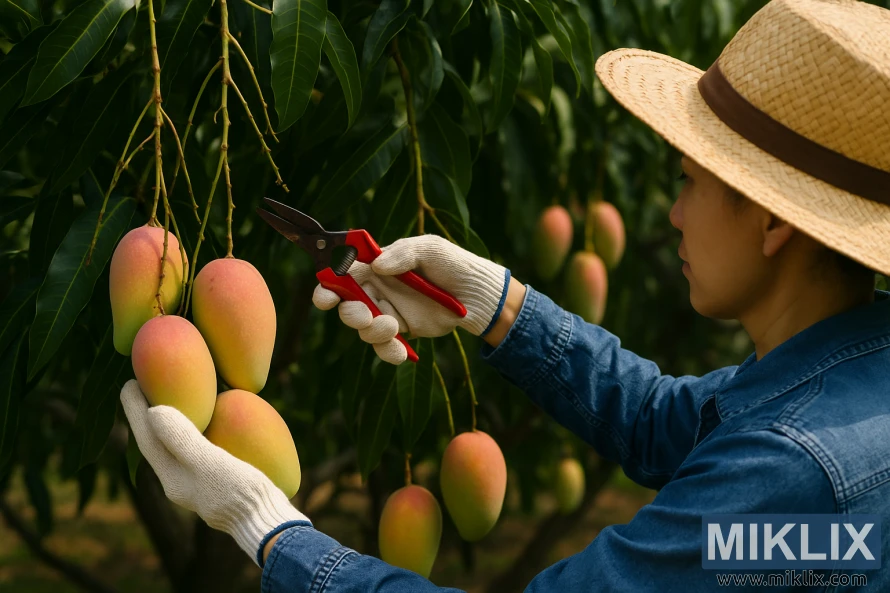
Understanding why do mangoes turn black is crucial for every mango enthusiast and cultivator. As these juicy fruits ripen, they can unexpectedly develop dark spots that detract from their appeal and quality. This discoloration can be quite disheartening, especially after putting in the effort for proper mango harvesting. However, there are effective strategies available for preventing mango black spots, ensuring that your mangoes remain vibrant and delicious. By implementing proper mango tree care practices, such as regular monitoring and pest control, you can significantly improve mango quality and enjoy a bountiful harvest.
The issue of mango discoloration has perplexed gardeners and fruit lovers alike, leading many to seek solutions for this frustrating problem. When mangoes start to take on an unsightly black hue, it raises questions about what causes this degradation in such a beloved fruit. Exploring the factors contributing to mango blackening offers valuable insights for those interested in enhancing their harvest practices. Embracing effective mango cultivation techniques can lead to healthier fruit and improved yields. By prioritizing the overall health of mango trees and adopting smart strategies, growers can combat the challenges posed by undesirable fruit blemishes.
Why Do Mangoes Turn Black on the Tree?
Mangoes turning black is a common issue that can cause concern for growers. This discoloration typically results from a variety of factors including environmental stressors, diseases, and improper care. The most significant causes include anthracnose, a fungal infection, which thrives in humid conditions and can lead to black spots on both the fruit and leaves. Understanding these causes helps farmers take proactive steps to mitigate the risk and maintain mango quality. Abundant humidity and excess moisture around the fruit often create the ideal breeding ground for these fungi, leading to unsightly dark patches that can be detrimental to marketability.
Furthermore, the impact of mango discoloration can extend beyond visual appearance. Once mangoes develop black spots, they often lose their market value and appeal, affecting the overall harvest quality. Growers must be diligent in recognizing the signs and implementing preventative measures, such as improving airflow through proper tree spacing and ensuring that their crops are not waterlogged. By addressing these contributing factors early, producers can enjoy healthier mangoes with vibrant colors, significantly reducing the likelihood of fruit turning black.
Essential Steps to Protect Mango Quality
To enhance mango quality and prevent black spots, regular monitoring of trees is crucial. Growers should routinely inspect their mango trees for any signs of disease or distress. This includes pruning affected fruits and leaves to halt the spread of any potential infections. Such maintenance is a vital part of mango tree care that not only protects the current crop but also lays the foundation for future harvests. Pruning also enhances sunlight penetration and airflow, both of which are essential for reducing humidity around the fruits, mitigating conditions that favor disease development.
In addition to pruning practices, employing the right protective measures during the growing season is imperative. This involves adhering to guidelines for fungicide application, particularly at critical junctures in the fruit’s developmental cycle. Correct usage of these treatments, in tandem with maintaining appropriate irrigation levels, will greatly contribute to reducing the occurrence of pathogens. By ensuring that trees are well-tended and following these crucial mango harvesting tips, growers can protect their crops against mango discoloration and ultimately improve their overall yields.
How Better Care Can Give You Double the Produce
Improving care for mango trees not only helps prevent common diseases but also leads to a significant boost in productivity. By implementing best practices such as proper irrigation and ensuring adequate spacing between trees, growers can create an optimal environment for fruit production. When mango trees receive the right amount of water without becoming over-saturated, it supports robust growth and healthy fruit set, allowing each tree to reach its full potential. Furthermore, maintaining balanced nutrition through fertilization can enhance fruit quality and quantity, ensuring a bountiful harvest.
Additionally, investing time in understanding the specific needs of mango varieties can yield better results. Some cultivars may require specific care strategies tailored to their growth habit and environmental preferences. By continually educating themselves about mango quality improvement and applying this knowledge effectively, growers can achieve not only healthier fruits but also yield double the produce compared to previous seasons. The interplay between careful cultivation and diligent maintenance ultimately defines the success of mango farming.
Frequently Asked Questions
Why do mangoes turn black and how can I prevent this discoloration?
Mangoes turn black primarily due to fungal infections and environmental stressors. This discoloration can significantly diminish the fruit’s quality. To prevent mango black spots, regular monitoring of the trees is essential. Pruning infected fruits and leaves helps reduce the spread of disease. Additionally, applying fungicides at appropriate developmental stages can improve mango quality. Ensuring proper airflow by spacing branches adequately and managing irrigation can also inhibit fungal growth, thus preserving the mangoes’ natural color and quality.
| Key Point | Explanation |
|---|---|
| Monitoring Trees | Regularly inspect trees to prune infected fruits and leaves. |
| Disease Prevention Spraying | Apply fungicides during crucial development stages as per ICAR guidelines. |
| Adequate Spacing | Pruning increases airflow and sunlight, reducing fungal growth. |
| Balanced Watering | Avoid excessive watering to prevent high humidity that promotes pathogens. |
| Careful Harvesting | Handle fruits gently to avoid physical damage during harvest. |
Summary
Why do mangoes turn black? This is a common concern for growers, often resulting in black spots that diminish the aesthetic and qualitative value of the fruit. The discoloration can arise from improper tree care, such as inadequate monitoring, disease proliferation due to humidity, and insufficient sunlight. However, growers can combat this issue by adhering to various preventive measures, including regular tree inspections, applying fungicides, and ensuring proper tree spacing and watering. By generating adequate airflow and vigilant harvesting, the risks of blackening can be significantly minimized, allowing mangoes to thrive and maintain their healthy appearance.



























