

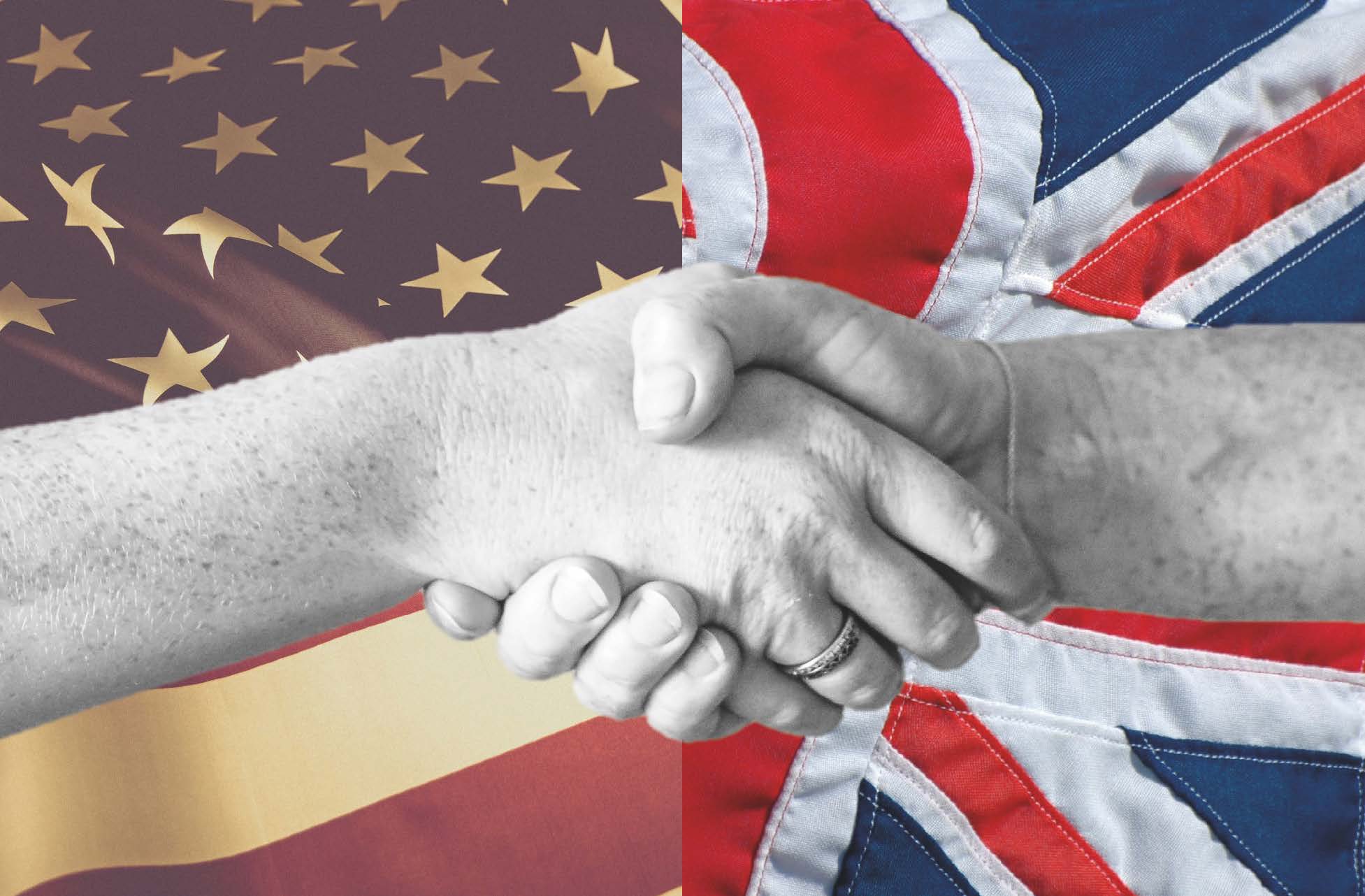
Britain’s sovereignty has been a complex and often contentious topic, significantly shaped by its historical relationships and recent political shifts. The anticipation surrounding the evolving dynamics of the Trump-Britain relationship raises questions about the reality of the UK’s independence amid global interdependencies. With Brexit sovereignty issues lingering, leaders like Prime Minister Keir Starmer face the challenge of addressing public concerns about the UK’s autonomy while maintaining a strong connection with the United States. This balance underscores the enduring importance of the UK-US special relationship, where Britain’s position seems more reliant on American influence than ever. Additionally, the political humor in the UK reveals an underlying frustration with these dynamics, illustrating the irony of claiming sovereignty in a world where external pressures still hold significant sway.
The concept of Britain’s jurisdictional independence has sparked extensive debate, particularly within the context of its intricate ties to global powers. As discussions deepen about the ramifications of events like Brexit, it becomes imperative to examine how external factors and alliances shape national policy. In this vein, the interactions between UK leaders and American counterparts, especially during the Trump administration, highlight the complexities of retaining sovereignty while negotiating power dynamics. Furthermore, the public’s reception of political figures such as Keir Starmer reflects a broader narrative about leadership effectiveness and accountability in the face of international relations. Ultimately, framing Britain’s autonomy as part of a larger geopolitical narrative sheds light on the challenges posed by historical entanglements and contemporary expectations.
Britain’s Sovereignty: A Complex Landscape
The concept of Britain’s sovereignty has been a contentious topic, especially in the context of recent political dynamics. When the Brexit referendum was held, many voters were sold on the promise of reclaiming independence and self-governance. However, as the political landscape continues to evolve, it becomes clear that the notion of sovereignty is more complicated than merely severing ties with the European Union. The enduring relationship with the United States plays a crucial role in this narrative. Britain relies on American military support and intelligence-sharing agreements, which underscores a paradox: while aiming for sovereignty, the nation remains directed by external geopolitical influences, particularly from Washington.
Moreover, the meeting between President Trump and Prime Minister Keir Starmer highlights this tension vividly. Starmer’s government is faced with the reality of negotiating Britain’s role on the global stage without the straightforward autonomy that Brexit promised. During their discussions, it was clear that the UK’s security architecture is deeply intertwined with the US, making full sovereignty a conditional reality. The irony of seeking independence while being tethered to an ally for defense illustrates how political humor often emerges from serious issues. As political commentators have pointed out, for many Brits, the joke is no longer funny—it’s a reflection of how sovereignty is often performance art rather than veritable reality.
The Evolving UK-US Special Relationship
The special relationship between the UK and the US has been a defining element of British foreign policy for decades. Under President Trump’s leadership, this relationship has taken on new dynamics that have sparked debate within political circles in Britain, particularly regarding how dependence on the US shapes national sovereignty. While Trump often perceives this relationship as a transactional one, characterized by performance reviews rather than genuine alliance, British leaders must navigate these waters carefully, showcasing both admiration and caution. Starmer’s approach in handling this relationship reflects a desire to maintain crucial ties while asserting a more self-reliant stance—a balancing act that is increasingly complex.
This evolving dynamic comes at a time when both nations faces key challenges that test their interconnectedness. As Brexit shifts the UK’s role in Europe, the reliance on the US for economic and security matters becomes even more pronounced. Starmer has occasionally employed political humor to address this delicate situation, emphasizing his administration’s commitment to being a competent counterpart rather than just a follower in the US’s orbit. Ultimately, the conversation surrounding the UK-US special relationship serves as a backdrop for larger discussions on national identity and the notion of sovereignty, where the stakes involve not just political posturing but the very fabric of Britain’s global standing.
Keir Starmer’s Performance: Navigating Political Landscapes
Keir Starmer has often found himself at a crossroads in his political journey, especially when addressing complex issues such as Britain’s post-Brexit identity and its role on the global stage. Many critics argue that his cautious approach reflects a hesitance to embrace bold leadership amidst the shifting dynamics shaped by Trump’s presidency. In the context of political humor, some observers have noted how Starmer’s demeanor often contrasts sharply with the flamboyant nature of Trump. For instance, while Trump might make sweeping claims about the special relationship, Starmer seems to approach this with a more serious, grounded perspective, which may resonate as steadiness amidst chaos.
However, this strategy has led to mixed reactions from the electorate. There are those who appreciate Starmer’s careful navigation of the issues, particularly regarding the delicate balance between defending Britain’s sovereignty and upholding its alliance with the US. Yet, for many, this cautiousness appears insufficient as external pressures mount. Political humor in the UK often reflects discomfort with this reality, encapsulating frustrations over a perceived lack of decisiveness. Starmer’s recent remarks, seen as overly procedural and hesitant, have sparked debates about whether such a style is truly effective in addressing the challenges posed by these evolving international relationships.
The Impact of Political Humor in English Politics
Political humor plays a significant role in shaping public perception and influencing political discourse in the UK. In a landscape marred by uncertainty and complexity, humor serves as both a coping mechanism and a tool for criticism. Shows like Yes, Minister cleverly unravel the paradoxes of British political life, exposing the gaps between rhetoric and reality—especially concerning issues of sovereignty and independence. This brand of humor highlights the absurdity of political situations, enabling the public to engage with serious political themes without the intimidating weight of gravitas. As such, it contributes to a democratic dialogue that often includes satire of prominent political figures like Trump and Starmer.
Furthermore, in times of political strife, humor allows for creative portrayals of leaders and their decisions, which can provoke thought and challenge the status quo. For instance, Starmer’s cautious stance has not gone unnoticed; political comedians have lampooned his measured responses to the often unrestrained style of Trump. Such satire encourages voters to reflect on the qualities they desire in their leaders—be it presence, decisiveness, or humor itself. In this way, political humor becomes an essential lens through which the electorate can scrutinize their leaders and the broader implications of their decisions, ultimately impacting the trajectory of political narratives in the UK.
Brexit and Issues of Sovereignty: A Closer Look
Brexit was heralded as a moment of reclamation for British sovereignty, a chance to break free from what many viewed as the constraints of European oversight. However, as the realities of international relations unfold, questions surrounding the true meaning of sovereignty have become more pronounced. Britain’s relationship with the United States, particularly under Trump’s presidency, highlights the complexities that lie beneath the surface. The expectation of unbridled independence has been tempered by the necessity of aligning with a global superpower for military and intelligence support—a dependence that complicates the narrative of absolute sovereignty.
The juxtaposition of Brexit with ongoing discussions about the UK’s security commitments to the US presents a challenging scenario for policymakers. Starmer, for instance, faces the task of navigating this duality, where asserting British sovereignty means also acknowledging the intertwined fate of Britain and America. The conversations at the recent meeting between Trump and Starmer underscore this dilemma, revealing how issues of national identity and independence are constantly at odds with geopolitical realities. As the electorate grapples with these contradictions, the concept of sovereignty emerges as both a powerful aspiration and a nuanced limitation.
The Challenges of National Identity Post-Brexit
The aftermath of Brexit has triggered a profound reevaluation of national identity in the UK. As the nation grapples with its newfound independence, the question arises: what does it mean to be British in a post-EU landscape? This landscape is not only marked by the explicit political changes but is also intertwined with the emotional fiber of the British people. Questions surrounding loyalty, heritage, and international relationships are brought to the fore, prompting political leaders to navigate these sensitive topics carefully. Starmer’s leadership emerges amid this turmoil, as he attempts to define a cohesive narrative that resonates with a diverse electorate.
In addressing these complexities, Starmer has to contend with the critical influence of the US on Britain’s position in the world. The perception of a strong national identity can be at odds with reliance on American alliances, particularly in security and economic matters. This tension often sparks debate over the future trajectory of British diplomacy and the meaning of national sovereignty. Leaders like Starmer are tasked with redefining these ideals, crafting a vision that embraces both the historical essence of Britain and its innovative potential within a globalized framework. How he balances traditional values with modern realities will significantly shape the discourse on British identity going forward.
The Role of International Humor in Politics
International humor has emerged as an essential commentary on cross-national relationships and political idiosyncrasies. In today’s global arena, where leaders like Trump and Starmer often find themselves at odds, humor serves to bridge divides and illuminate the quirks of diplomacy. Political parodies and satirical takes on the interactions between nations provide the public with a lens into the often absurd nature of statecraft. By poking fun at the unpredictable relationships between countries, especially involving Britain and the US, humor manages to decode the intricacies of political discourse, allowing individuals to engage with complex issues more comfortably.
In Britain’s case, political humor captures the peculiar nuances of dealing with leaders who have vastly different styles and philosophies. This kind of humor does more than entertain; it reflects a collective sentiment of skepticism and offers insight into public feelings about international leadership. As Starmer navigates the shifting relationship with Trump, the role of humor becomes crucial; it allows for critique while also preserving the dignity of debate. In political arenas where tension often reigns, the use of humor humanizes leaders and fosters a more relatable dialogue between politicians and the electorate, facilitating a nuanced understanding of Britain’s place in a changing world.
Future Implications of Brexit on British Politics
The long-term implications of Brexit on British politics remain a contentious topic, transcending simple discussions of sovereignty and national identity. As the UK continues to carve its path independent from the EU, the political landscape must adapt to reflect the realities of this new status. The complexities of international relationships, especially with the US, highlight the challenges that lie ahead for any British leader, including Starmer. This requires not only a strategic vision for governance but also an ability to communicate a coherent policy that reflects the nuances of sovereignty reclaimed and relationships retained.
Moreover, as political parties vie for relevance in this evolving context, both the left and right will have to address Brexit’s ripple effects on domestic issues. The presence of opposition parties like Reform UK and the Green Party signals a shift in voter concerns and priorities, necessitating a responsive and agile approach from the leadership. Starmer’s ongoing efforts to consolidate his stance amidst this changing landscape will be pivotal. The lessons learned from Brexit could serve as a template for future governance, illustrating how issues of identity, international alignment, and autonomy must inform policy-making in a post-Brexit Britain.
Frequently Asked Questions
How does the Trump-Britain relationship impact Britain’s sovereignty post-Brexit?
The Trump-Britain relationship significantly influences discussions surrounding Britain’s sovereignty, particularly following Brexit. While Brexit was intended to restore sovereignty by removing EU constraints, the dynamics with the US, especially under Trump’s presidency, have raised concerns. Trump’s perception of the ‘special relationship’ emphasizes Britain’s dependence on American military and economic support, highlighting that true sovereignty can be conditional. This interplay suggests that despite Brexit, the reality of Britain’s global standing still hinges on its relationship with the US.
| Key Point | Details |
|---|---|
| Meeting at Chequers | President Trump and Prime Minister Starmer had a business roundtable discussing Britain’s position. |
| Britain’s Sovereignty vs Reality | Despite claims of independence, Britain relies on the U.S. for security, highlighting a gap between perceived and actual sovereignty. |
| Trump’s View on Relations | Trump sees the U.S.-Britain relationship as a performance review rather than a partnership, emphasizing dependence. |
| Starmer’s Response | Starmer’s cautious approach was met with parody, showcasing internal conflicts regarding Britain’s strategy. |
| European Leaders’ Reactions | Emmanuel Macron criticized Trump’s inconsistency which contrasts Starmer’s steady approach amidst U.S. unpredictability. |
| Political Landscape | Political parties are presenting new challenges to Starmer’s leadership, affecting perceptions of his decisiveness. |
| Impacts of Brexit | Brexit was framed as a return to sovereignty, but Trump’s presidency has highlighted the limits of that independence. |
| Security Dependencies | Britain remains integrated with American security and military frameworks, questioning the true nature of its sovereignty. |
Summary
Britain’s Sovereignty has been a topic of significant debate, especially in light of recent political developments. The discussions between President Trump and Prime Minister Starmer underscore the irony of Britain’s self-perceived independence as it grapples with a reality marked by reliance on U.S. support for security and military infrastructure. This duality of boasting sovereignty while being tethered to American frameworks reveals a critical tension in Britain’s foreign policy. As political dynamics shift and new parties emerge, the need for a clear, decisive approach to sovereignty becomes paramount for Britain.



























