

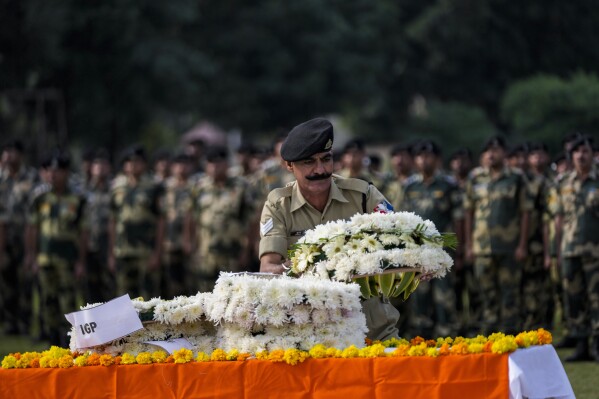
Mithun Mandal, a brave Border Security Force (BSF) soldier from West Bengal, tragically lost his life in a militant attack in Manipur’s Ukhrul district. On patrol in the Mongkot Chepu area, which has been plagued by unrest since February, his sacrifice highlights the ongoing tensions in the region, particularly the Naga-Kuki conflict that has seen widespread violence. The incident underscores the dangerous realities faced by security personnel amid a backdrop of civil strife, where the clash between the Naga and Kuki communities continues to escalate. As the report of his death reverberated through social media, leaders condemned the violence that led to the loss of such a valiant soldier. The attack on Mithun Mandal, who succumbed to his injuries at RIMS, Imphal, exemplifies the urgent need for peace and harmony in an area deeply affected by the strife between various communities.
In the wake of tragic events surrounding BSF Constable Mithun Mandal, discussions have emerged about the ongoing violence in Manipur, particularly concerning the unrest in Ukhrul district. The situation highlights the critical impact of the Naga-Kuki conflict and the broader implications of militants attacking security forces. As the local communities grapple with instability, it becomes evident that the urgent need for resolution and understanding among the conflicting parties is more paramount than ever. The political leadership is under pressure to reconcile these differences and ensure the safety of both civilians and military personnel. This unrest not only threatens lives but also undermines the social fabric of Manipur, warranting immediate attention and action for sustained peace.
Tragic Loss: Remembering Mithun Mandal
The recent death of Mithun Mandal, a courageous BSF soldier, has cast a shadow over the ongoing Manipur unrest. As he was patrolling the Mongkot Chepu area in Ukhrul district, Mandal became the tragic victim of a militants’ attack that highlights the volatility of the region. The persistent conflict between the Naga and Kuki communities has not only affected local residents but also posed significant risks to security personnel tasked with maintaining peace in these troubled zones. Mandal’s sacrifice serves as a stark reminder of the human cost of these clashes, emphasizing the urgent need for resolution.
Mithun Mandal’s dedication to duty as a member of the BSF exemplifies the spirit of those serving in areas rife with violence. His body was brought to his native Bhagjan Tola village with full-state honors, reflecting the gratitude and respect of a nation mourning their fallen hero. The pain felt by his family and community resonates with the broader narrative of the Naga-Kuki conflict, which has claimed many lives and left lasting scars on the social fabric of Manipur.
Unrest in Ukhrul District: A Regional Crisis
The unrest in Ukhrul district underscores a complex interplay between tribal identities and territorial disputes, with the Naga-Kuki conflict at its core. Since February, tensions have escalated, leading to violence that affects civilians and security forces alike. The ongoing hostility between these groups has resulted in tragic incidents, such as the fatal shooting of Mithun Mandal, who was simply carrying out his duty. As this situation develops, it becomes increasingly evident that restoring peace in Ukhrul is paramount.
With the involvement of militants and the upsurge of conflicts, security forces, including the BSF, face considerable challenges. Continuous monitoring and search operations are being conducted to apprehend the militants responsible for attacks like the one that claimed Mandal’s life. Local authorities are striving to mediate between conflicting groups in hopes of reducing violence and fostering a sense of community, emphasizing that lasting peace is more vital than ever.
The Naga-Kuki Conflict: Historical Context and Current Implications
The Naga-Kuki conflict, rooted in historical grievances and territorial claims, has emerged as a significant challenge in the northeastern states of India. This conflict, exacerbated by incidents such as the killing of Mithun Mandal, reflects deeper issues surrounding identity, governance, and resource allocation among the various tribal groups. The struggle has led to an environment fraught with fear and mistrust, making it imperative for government and community leaders to engage in dialogue.
Current implications of this conflict extend beyond immediate violence; they affect socio-economic development and access to governance for affected communities. As the clashes continue, the economic prospects of both the Naga and Kuki peoples are hindered, further complicating efforts toward reconciliation. Understanding the historical context of this strife is crucial for stakeholders involved in peace-building efforts, particularly as they seek to ensure that tragedies like the loss of Mithun Mandal do not repeat.
Role of Security Forces in Mitigating Conflict
In the face of persistent unrest in regions like Ukhrul district, the role of security forces becomes critical in mitigating conflict. The BSF, of which Mithun Mandal was a part, plays a pivotal role in maintaining law and order, often at significant personal risk. Their presence aims to deter militant activities and protect civilians caught in the crossfire of ethnic tensions. Yet, the increasing frequency of attacks raises questions about the efficacy of current strategies employed by security agencies.
In response to the conditions on the ground, security forces are continually adapting their tactics. This includes not only direct responses to militant action but also outreach to local communities to foster better relationships and cooperation. The tragic events surrounding Mithun Mandal’s assassination serve as a catalyst for re-evaluating operational strategies, ensuring that the safety of both security personnel and civilians remains paramount. Collaboration with local leaders may pave the way for a new approach to restoring peace in the region.
Government Response: Steps Toward Restoration
The government’s response to the escalating violence in Manipur aims to prioritize peace and stability, particularly in conflict-prone areas like Ukhrul district. Following the death of Mithun Mandal, high-level discussions have surfaced regarding the need for enhanced security measures and community engagement initiatives. Chief Minister Yumnam Khemchand Singh’s commitment to fostering trust among Nagas, Kukis, and Meiteis is crucial in efforts to ameliorate tensions and restore confidence in the political process.
Additionally, addressing the underlying issues that contribute to the conflict is paramount for achieving lasting peace. Government initiatives may include dialogues that recognize the grievances of both communities while focusing on potential solutions. By promoting inclusive governance and equitable resource distribution, the administration can work to neutralize the factors that fuel unrest, thereby honoring the memory of soldiers like Mithun Mandal by ensuring their sacrifices lead to meaningful change.
The Aftermath of Violence: Community Impact
Community impact following violent incidents, such as the murder of Mithun Mandal, reverberates throughout affected populations. The psychological toll of such tragic events affects not only the families of the victims but also the wider community, fostering anxiety and fear. In the case of Ukhrul district, the ongoing conflicts have disrupted daily life, hindering economic activities and bending social cohesion. The grief felt over Mandal’s loss underscores a collective trauma within the community.
Moreover, violence often breeds more violence, creating a cycle that can perpetuate hostility between factions. As communities grapple with the aftermath, efforts must be made to provide support systems for the affected, including counseling and community-building activities that promote healing. Rebuilding trust between the Nagas and Kukis, while recognizing the bravery of individuals like Mithun Mandal, becomes essential for paving the way toward reconciliation and mutual respect.
Calls for Peace: Voices from the Region
In the midst of ongoing conflict, voices from the region echo a desire for peace and reconciliation. Local leaders, community members, and even those affected by the violence are calling for a halt to hostilities, lamenting the loss of young lives like Mithun Mandal’s to senseless violence. Their appeals resonate with a shared hope that dialogue can replace discord, manifesting a collective yearning for understanding and resolution amid the chaos.
As these calls grow louder, it becomes imperative for both government and community leaders to listen and act. Initiatives aimed at promoting peace must include diverse voices, ensuring that all perspectives are represented in the conversation. The tragic events in Manipur can serve as a catalyst for change if the commitment to dialogue, negotiation, and healing is embraced, ultimately paving the way for a brighter and more peaceful future.
Role of Media in Conflict Reporting
Media plays a significant role in shaping public perception during times of conflict, particularly in regions like Manipur. The coverage of incidents such as the killing of BSF soldier Mithun Mandal can influence responses and mobilization efforts from both the community and governmental entities. It is essential for media outlets to report responsibly, providing context about the Naga-Kuki conflict while also highlighting narratives that promote peace and understanding.
Moreover, the media’s role encompasses not only reporting on the immediate impact of violence but also examining the root causes of conflicts. By exploring underlying issues and focusing on human stories, such as that of Mandal, journalists can help illuminate the need for empathy and action toward resolution. Responsible reporting can act as a bridge, fostering dialogue and ultimately contributing to a broader understanding of the complexities inherent in the Naga-Kuki relationship.
Future Prospects: Towards Lasting Peace
Looking ahead, it is essential to consider the prospects for lasting peace in Manipur, particularly in conflict-affected areas like Ukhrul district. Following the tragic death of soldiers like Mithun Mandal, there remains a critical need for comprehensive peace-building strategies that address not only immediate security concerns but also the social and economic factors that contribute to unrest. Local stakeholders, government representatives, and civil society must work collaboratively to create a sustainable path forward.
These strategies may include peace education initiatives aimed at fostering understanding between communities, alongside economic development programs that provide alternatives to conflict. By addressing the multifaceted nature of the Naga-Kuki conflict through inclusive dialogue and community engagement, it is possible to hope for a future where harmony prevails and sacrifices are honored through tangible progress toward reconciliation. Such endeavors can create a safer environment for all, ensuring that the legacy of heroes like Mithun Mandal inspires positive change.
Frequently Asked Questions
Who was Mithun Mandal and what happened to him in Manipur?
Mithun Mandal was a BSF soldier from West Bengal who was tragically killed by a bullet fired by militants in Manipur’s Ukhrul district during a patrol duty in the Mongkot Chepu area. His martyrdom occurred amidst ongoing unrest due to the conflict between the Naga and Kuki communities.
What are the details surrounding Mithun Mandal’s death during the recent Manipur unrest?
Mithun Mandal was fatally injured by unprovoked fire from militants while on patrol in Ukhrul district, an area affected by tension since February due to the Naga-Kuki conflict. Despite immediate medical assistance, he succumbed to his injuries at RIMS, Imphal.
How does Mithun Mandal’s death reflect the current security situation in Ukhrul district?
The death of Mithun Mandal highlights the precarious security situation in the Ukhrul district of Manipur, where clashes between Naga and Kuki groups have intensified. His killing underscores the threats faced by security personnel operating in regions affected by militant activities.
What measures are being taken following the attack on Mithun Mandal in Ukhrul?
In response to the attack on Mithun Mandal, security forces have initiated search operations to locate the militants responsible. The state police are actively monitoring the area to ensure safety and restore order amidst escalating tensions in the region.
What is the significance of Mithun Mandal’s service in the context of the Naga-Kuki conflict?
Mithun Mandal’s service as a BSF soldier during a time of unrest emphasizes the dedication of security forces in maintaining order in Manipur. His sacrifice serves as a stark reminder of the risks faced by personnel working in conflict zones like Ukhrul district, which is under the shadow of the Naga-Kuki conflict.
| Key Point | Details |
|---|---|
| Incident Overview | A BSF soldier was killed in Manipur’s Ukhrul district due to a bullet fired by militants. |
| Victim Identification | The soldier was identified as Mithun Mandal from West Bengal. |
| Location of Incident | Mongkot Chepu area in Ukhrul, an area affected by conflict between Naga and Kuki communities. |
| Official Reaction | Manipur Chief Minister Yumnam Khemchand Singh condemned the attack and honored Mandal’s sacrifice. |
| Circumstances of Death | Mithun Mandal was critically injured and succumbed to his injuries at RIMS in Imphal. |
| Ongoing Situation | Search operations are ongoing to capture the militants responsible for the attack. |
Summary
Mithun Mandal’s tragic loss highlights the ongoing challenges in conflict-ridden areas like Manipur. As a dedicated soldier of the BSF, he made the ultimate sacrifice while serving our nation. This incident not only reflects the dangers faced by security personnel but also underscores the need for sustained efforts to foster peace among diverse communities in the region.



























