

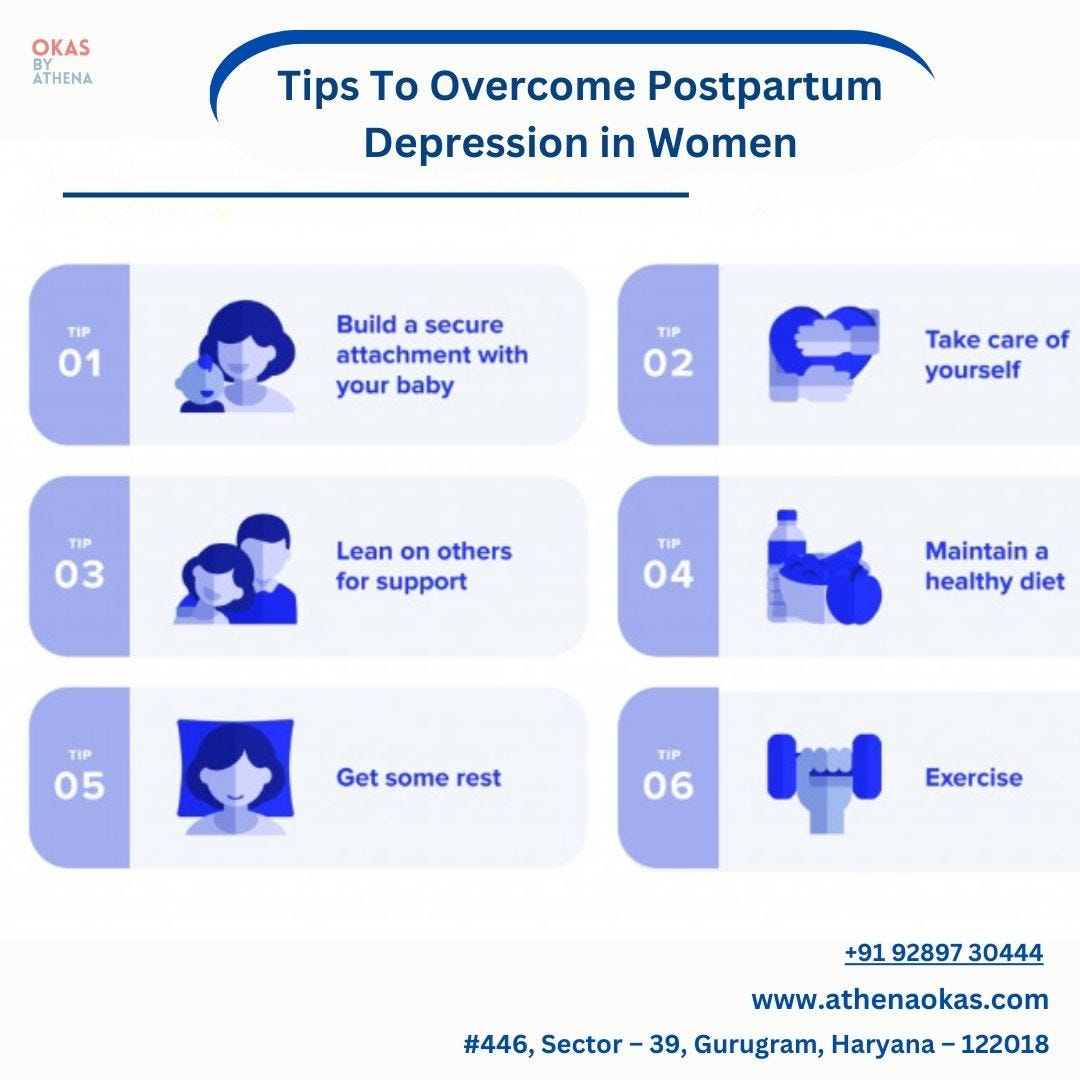
Postpartum depression is a significant yet often overlooked condition that affects many new mothers, with studies indicating that as many as 20% of women experience its challenging effects. Recognizing the importance of postpartum depression support, Namita Thapar, a prominent figure in health advocacy, shared invaluable advice for those navigating this difficult time. As we observe National Safe Motherhood Day, we are reminded of the critical need for mental health resources tailored to the unique experiences of new mothers. Symptoms of postpartum depression can manifest as prolonged sadness, anxiety, and fatigue, making it essential for women to seek help and connect with those who understand their struggles. By breaking the stigma surrounding postpartum depression, we can foster a supportive community that empowers mothers to prioritize their mental health and wellbeing.
Often referred to as maternal blues or postpartum anxiety, this mental health condition can dramatically affect a woman’s transition into motherhood. Many new mothers find themselves grappling with feelings of despair and exhaustion, which can stem from hormonal shifts and the overwhelming adjustments post-birth. The insights shared by Namita Thapar highlight the necessity of seeking help and the value of connecting with supportive networks. Celebrating events like National Safe Motherhood Day reinforces the message that maternal mental health should be a priority. By publicly addressing postpartum depression and providing avenues for support, we encourage women to embrace their journey without guilt.
Understanding Postpartum Depression and Its Impact
Postpartum depression (PPD) is a complex and often misunderstood condition that affects many new mothers. Following the joy and excitement of childbirth, an alarming 20% of women in India, as per Namita Thapar’s insights, endure the emotional turmoil of PPD. Symptoms can include a profound sense of sadness, anxiety, and ongoing fatigue which can lead to challenges in parenting and adjusting to the new responsibilities. Understanding the emotional rollercoaster that comes with these changes is crucial for both the mothers experiencing it and those around them who aim to provide support.
The impact of postpartum depression extends beyond just the mother; it can affect family dynamics, relationship health, and even a child’s development. New mothers often feel isolated due to the overwhelming nature of their experiences, making it imperative to discuss the importance of awareness and empathy towards these feelings. Engaging in community conversations about mental health can help shift perceptions around postpartum depression, encouraging women to seek postpartum depression support. Recognizing PPD as a normal and treatable condition can help destigmatize mental health issues surrounding motherhood, ultimately fostering a supportive environment.
Namita Thapar’s Insights on Overcoming Postpartum Depression
Namita Thapar, who has gained recognition as a leader in women’s health advocacy, shared essential advice on navigating postpartum depression. In her recent video, she encourages mothers to acknowledge the normalcy of their experiences, helping to break down the stigma that often silences those suffering from mental health issues. Her emphasis on seeking help by consulting with healthcare professionals and connecting with supportive communities can be a beacon of hope for new mothers struggling in silence. This proactive approach is aligned with National Safe Motherhood Day’s mission to promote better health and welfare for mothers and children.
Furthermore, Thapar advocates for the importance of sharing experiences among new mothers, as it creates a network of support that is invaluable for recovery from postpartum depression. Celebrations such as National Safe Motherhood Day highlight the need for continuous conversations around maternal mental health. As new mothers share their journeys and challenges, they not only find solace in relatability but also gain practical advice from those who have walked similar paths. Thapar reminds us that while the journey may be challenging, support is within reach and accessible—helping to pave the way towards overcoming postpartum depression with resilience.
The Role of Community and Support Systems in Maternal Mental Health
Creating a robust support system is crucial for new mothers, especially those facing challenges related to postpartum depression. Community plays a significant role in fostering an environment where new mothers can openly discuss their feelings and experiences without fear of judgment. Whether through friendships or local mothers’ groups, sharing moments of vulnerability can lead to powerful connections that reinforce mental health. The campaign for raising awareness on days like National Safe Motherhood Day aims to remind mothers that resources are available, and they are not alone in their struggles.
Support systems can include professional guidance, social networks, or family dynamics. Namita Thapar stresses the importance of involving friends and family in conversations about maternal mental health. Such involvement can help provide emotional support and practical assistance during a challenging postpartum period. Women thrive when they feel heard and understood, making it essential for healthcare providers and communities to promote spaces where mothers can discuss their feelings candidly. Access to postpartum depression support is vital to ensuring that new mothers can transition into their roles with confidence and well-being.
National Safe Motherhood Day: Raising Awareness and Advocating for Change
National Safe Motherhood Day is an essential observance that highlights the critical intersection of maternal health and mental well-being. Each year on April 11, the focus on decreasing maternal mortality and improving overall healthcare access during pregnancy and postnatal periods becomes evident. This day is particularly significant in fostering dialogue about issues such as postpartum depression. It serves as a reminder to both society and healthcare practitioners of the profound impacts that childbirth can have on a mother’s mental health and the importance of addressing these concerns immediately.
The observance of National Safe Motherhood Day calls attention to the need for systemic changes within healthcare that prioritize women’s mental health. As Namita Thapar notes, awareness and resources regarding postpartum depression must be integrated into maternal care protocols. This means more than just addressing physical health; it entails nurturing a compassionate approach that advocates for mental health support. By fostering an environment that supports open discussions on issues like postpartum depression, communities can empower mothers, reduce stigma, and encourage the necessary conversations surrounding maternal mental health.
Expert Advice for New Mothers Navigating Postpartum Challenges
Navigating the early days of motherhood can be exhilarating but also fraught with challenges, especially for those facing postpartum depression. Namita Thapar, with her wealth of knowledge in the medical field, emphasizes the importance of seeking expert advice as a vital step in overcoming these hurdles. Consultation with healthcare professionals can provide mothers with the resources and guidance necessary to manage their mental health. Understanding the symptoms and accessing care options sets the foundation for a healthier postpartum experience.
Moreover, Thapar encourages new mothers to engage actively with their circumstances and reach out for assistance when needed. Whether it’s scheduling therapy sessions, joining support groups, or simply talking to loved ones, taking that first step is crucial. Expert advice suggests that building a supportive network not only aids in recovery from postpartum depression but also fosters resilience in facing future challenges. By encouraging an open dialogue about the realities of motherhood, experts can help set realistic expectations and empower women to embrace their journey without the burden of guilt.
Breaking the Stigma Surrounding Postpartum Depression
The stigma associated with postpartum depression often leads to feelings of isolation and shame among new mothers. Namita Thapar’s advocacy for breaking this stigma signals a transformative approach within society that encourages dialogue and acceptance around maternal mental health issues. Acknowledging PPD as a common occurrence can significantly empower women suffering from it, enabling them to seek help without fear of being judged. By sharing their experiences, mothers can contribute to changing perceptions and promoting a culture that supports openness.
Education is a vital tool in dismantling misconceptions about postpartum depression. Events such as National Safe Motherhood Day provide platforms to raise awareness, inform the community, and encourage supportive measures for new mothers. As more stories emerge, women witness that maternal mental health challenges are not a reflection of personal failure but rather a common aspect of postpartum life. This cultural shift is essential in fostering an understanding environment where mothers are encouraged to seek postpartum depression support freely.
The Importance of Maternal Mental Health Education
Maternal mental health education is fundamental for both healthcare providers and the families of new mothers. Initiatives like National Safe Motherhood Day aim to shine a light on this aspect by discussing issues surrounding postpartum depression openly. Providing training for healthcare professionals on recognizing signs of PPD allows them to offer timely support and education to new mothers. Enhanced awareness can lead to quicker interventions that are crucial for the well-being of both mother and child.
Furthermore, educating families about postpartum depression equips them with the knowledge to identify signs and symptoms in their loved ones. Namita Thapar emphasizes that when families understand the challenges associated with postpartum mental health, they can actively participate in offering support. This can manifest through simple acts of kindness, patience, and a willingness to listen. Empowering families to be part of the solution not only strengthens the maternal support system but also contributes positively to the mental health environment for new mothers.
Strategies for Overcoming Postpartum Depression
Overcoming postpartum depression begins with acknowledging its existence and seeking help. Namita Thapar advises mothers to consult with healthcare experts who can provide a comprehensive support system tailored to their individual needs. This can include therapy, medication, or lifestyle changes that promote mental well-being. Mothers should never hesitate to explore the avenues available to them, as early intervention increases the chances of effective recovery.
Additionally, cultivating connections with fellow new mothers can provide immense emotional support. Engaging in discussions about the experiences faced during the postpartum period can foster a sense of belonging and decrease feelings of isolation. Thapar highlights the importance of normalizing these conversations, as they are instrumental in helping women feel understood and supported during this challenging time. With the right strategies and support systems in place, overcoming postpartum depression becomes a part of the maternal journey, reflecting resilience and strength.
Promoting Holistic Approaches to Maternal Well-being
Fostering holistic approaches to maternal well-being encompasses physical, emotional, and mental health. Namita Thapar highlights the importance of not only focusing on physical recovery post-birth but also recognizing and addressing mental health needs, such as those induced by postpartum depression. Integrating various forms of healing, like counseling, nutrition, exercise, and mindfulness practices, can lead to a more balanced approach in nurturing new mothers.
Communities and healthcare systems should aim to create programs that educate and provide resources for holistic practices. Emphasizing that physical health cannot thrive without mental health allows new mothers to address postpartum depression comprehensively. Workshops and support programs that teach coping strategies foster resilience and empower women to embrace their motherhood journey fully. By prioritizing all aspects of well-being, we can enhance the transition into motherhood and equip women with the tools they need to succeed.
Frequently Asked Questions
What are the best postpartum depression support strategies recommended by experts?
Postpartum depression support is crucial for new mothers. According to Namita Thapar, consulting a doctor and seeking a counselor can significantly help in managing symptoms. Connecting with other mothers who have experienced postpartum depression can provide valuable emotional support. Additionally, engaging with family and friends about these feelings is essential in overcoming postpartum depression. It’s important for mothers to remember that overcoming postpartum depression is possible and that they are not alone in this journey.
| Key Point | Details |
|---|---|
| National Safe Motherhood Day | Celebrated on April 11 to raise awareness about maternal health and lower maternal mortality rates. |
| Postpartum Depression Statistics | Affects approximately 20% of Indian women after childbirth, characterized by sadness, anxiety, and fatigue. |
| Main Causes | Factors include hormonal changes, sleep deprivation, physical exhaustion, genetics, and past mental health issues. |
| Normalization of Experience | Experiencing postpartum depression is normal; mothers should not feel guilty about it, as encouraged by Namita Thapar. |
| Advice for New Mothers | Seek medical help, consult a counselor, connect with other mothers, and talk to friends and family for support. |
| De-stigmatization | It’s important to de-stigmatize postpartum depression and remind mothers that help is available and they are not alone. |
Summary
Postpartum depression is a significant mental health issue that affects many new mothers. It is essential to recognize the challenges and symptoms associated with this condition, which can manifest as prolonged sadness, anxiety, and fatigue after childbirth. Namita Thapar, a prominent figure in health awareness, emphasizes the importance of normalization and support for mothers experiencing postpartum depression. By seeking help from healthcare professionals and connecting with others, mothers can find the strength and resources to navigate this difficult period in their lives. The conversation surrounding postpartum depression needs to continue to promote understanding and reduce stigma, ensuring that mothers know they are not alone and that support is readily available.



























