

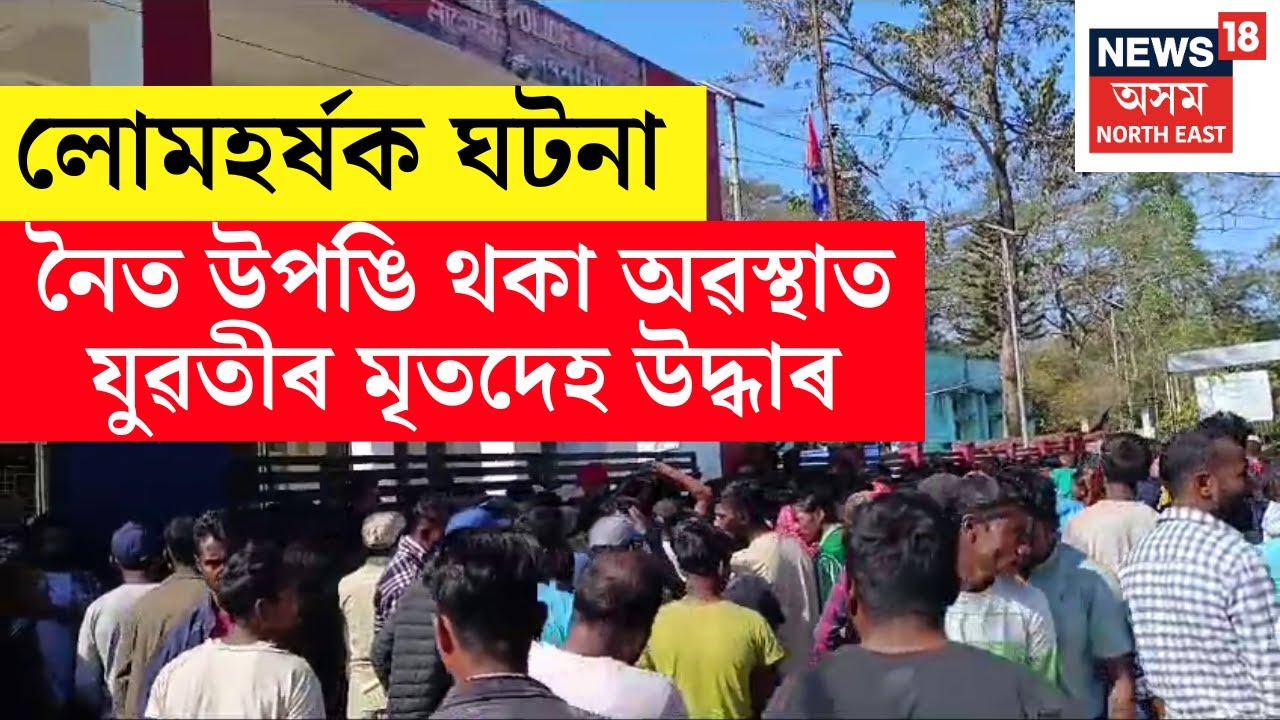
The recent Dibrugarh shooting incident has sent shockwaves through Assam, highlighting the ongoing issues of violence and political rivalry in the region. On Saturday, gunfire erupted in the Chaulkhowa area, leaving one individual critically injured and sparking fears of escalating crime in Assam. Victim Abid Ahmed was struck multiple times, suffering grave injuries that have placed him in a life-threatening situation, prompting widespread concern in Dibrugarh news coverage. Investigations by local police are currently probing the potential connection to deeper political tensions, given the area’s history of electoral frictions and disputes among party supporters. As the community grapples with the aftermath, the incident serves as a stark reminder of the volatile intersection between crime and politics in Assam.
In a startling act of violence, a shooting in Dibrugarh has underscored significant unrest rooted in political rivalries within Assam. This alarming event has drawn attention to the persistent issues of aggression and intimidation that often plague local communities, especially during contentious electoral periods. The attack on Abid Ahmed, described as a critical incident, reveals how personal safety can become a casualty in the fierce competition between opposing political factions. As authorities ramp up investigations, the focus shifts towards understanding whether this crime is an isolated incident or a symptom of broader societal tensions. With rising fears among residents about their security and ongoing threats, the Dibrugarh shooting incident reflects not only a crime but also a deeper struggle for peace and stability in the region.
Understanding the Dibrugarh Shooting Incident
The recent shooting incident in Dibrugarh has not only shocked the local community but has also drawn attention to the intricate dynamics of political rivalry in Assam. On Saturday, an alarming attack took place in the Chaulkhowa area, where unidentified assailants shot multiple times at Abid Ahmed, leaving him in critical condition. This incident emphasizes the recurring theme of violence that seems intertwined with political disputes in the region, causing fear and anxiety among residents who are caught in the crossfire of these conflicts.
Law enforcement agencies are currently probing the possible motives behind the attack. Preliminary reports suggest that the shooting might be linked to an ongoing political rivalry, which has escalated tensions in the locality. There have been several accounts from the community indicating that disagreements over party affiliations and electoral choices have led to an outbreak of aggression, with violence becoming a tool for resolving political disputes. The police’s investigation aims to uncover the root causes of such incidents, which appear to stem from a combination of political animosity and personal vendettas.
Political Rivalry and Its Role in Assam Violence
The backdrop of political rivalry plays a significant role in shaping the landscape of violence in Assam, particularly in Dibrugarh. Residents have voiced concerns over the increasingly hostile environment fueled by political differences. Over recent months, the area has witnessed a series of confrontations and acts of violence, which have raised alarms regarding public safety. Reports of threats, intimidation, and even vandalism related to political affiliations underline the gravity of the situation, hinting that this shooting is part of a larger narrative of escalating tensions.
As authorities investigate the Dibrugarh shooting incident, it is essential to consider how political sentiments can sometimes manifest as violence. The community’s claims regarding past confrontations and property damage reflect a culture of fear, which seems to thrive amidst the unresolved frictions of political rivalry. Local leaders and officials must address these underlying issues to prevent further deterioration of security in the area. Only through a commitment to dialogue and conflict resolution can the cycle of violence be broken.
Local Reactions to the Dibrugarh Shooting
The immediate aftermath of the Dibrugarh shooting incident has seen a wave of reactions from the local community, highlighting their fears and frustrations. Family members of Abid Ahmed, the victim, have expressed dismay over the police response, criticizing the lack of preventive measures despite previous warning signs of potential violence. Residents voice a palpable sense of insecurity, with many fearing for their safety amid reports of threats and intimidation linked to political rivalry in the area.
Furthermore, the community’s call for greater police accountability reflects a broader demand for protection from escalating crime in Assam. With many families feeling vulnerable to attacks rooted in political affiliations, the pressure on law enforcement has increased to provide a visible and effective presence. Only by understanding and addressing the nuances of these local grievances can authorities hope to regain the trust of the residents and foster a safer environment.
Law Enforcement Response to Dibrugarh Violence
The response from law enforcement following the Dibrugarh shooting has been met with both caution and criticism. Police officials promptly arrived at the scene and have initiated a rigorous investigation to identify the perpetrators and understand the event’s motive. Nonetheless, the ongoing concerns about public safety persist, as many community members question whether sufficient measures are being implemented to prevent similar incidents in the future.
Moreover, addressing crime in Assam, particularly the violence rooted in political rivalry, requires a multifaceted approach. The police are tasked with not only solving the immediate case of the shooting but also with examining the deeper socio-political context that fosters such behavior. Building robust community relations and ensuring that the voices of the residents are heard will be crucial in adapting police strategies to effectively mitigate the violence plaguing regions like Dibrugarh.
The Implications of Political Rivalries in Assam
The implications of political rivalries in Assam cannot be overlooked, particularly in light of violent incidents like the Dibrugarh shooting. As political factions clash, the resulting turmoil can lead to a cycle of retaliation that jeopardizes community safety and cohesion. Residents who feel caught in the middle of these power struggles often experience heightened anxiety, wondering when or if the violence may turn towards them.
Moreover, the political landscape in Assam is increasingly characterized by tension and fractiousness, with local elections serving as a flashpoint for violence. The ongoing escalation of crime in Assam reinforces the need for strategies that foster dialogue and peace rather than conflict. The situation demands immediate attention from leaders seeking to break the cycle of violence and create a secure environment for all inhabitants.
Toward a Safer Community in Dibrugarh
As the investigation into the Dibrugarh shooting unfolds, the community’s desire for safety and stability becomes paramount. Citizens are calling for effective measures that not only address the immediate threats of violence but also tackle the underlying issues that contribute to such incidents. Engagement with community leaders and local organizations could pave the way for initiating dialogues that promote unity and understanding, as opposed to divisive political rivalry.
In working towards a safer Dibrugarh, it is essential for local authorities to prioritize collaboration with residents. By fostering open lines of communication, law enforcement can better understand the complexities of the challenges residents face. This commitment to community engagement can ultimately lead to a more resilient societal structure where the effects of political rivalries do not manifest in violence.
Social Consequences of Violence in Assam
The social consequences of the Dibrugarh shooting incident extend far beyond the immediate impact of the crime itself. Communities affected by violence often experience lasting psychological and emotional distress, as residents grapple with the fear of future attacks. The implications for social cohesion are severe, as trust among neighbors erodes when violence becomes a regular occurrence, and political rivalries take center stage.
Furthermore, a pervasive sense of insecurity can limit not only daily activities but also broader social interactions within the community. When crime in Assam becomes directly linked to political affiliations, the potential for social division increases significantly. Citizens may feel compelled to change their behaviors, aligning with predominant political figures out of fear of becoming targets in the ongoing conflicts.
Navigating Political Affiliations Amidst Tensions
In Dibrugarh, navigating political affiliations has become increasingly complicated amidst rising tensions and incidents of violence. As political disputes deepen, residents often find themselves pressured to align with specific factions, lest they face the consequences of dissent. This environment cultivates a climate of fear and can lead to the silencing of opposing views, which is detrimental to the democratic principles that underpin society.
To truly address the challenges posed by political rivalries in Assam, community members must find a way to maintain their political identities without succumbing to the pressures of violence. Encouraging dialogue between various political groups could help reduce tensions and foster a more collaborative approach to governance, benefiting the entire community. Strengthening civic engagement initiatives can empower citizens to express their political opinions without fear, ultimately working towards a more peaceful coexistence.
Potential for Conflict Resolution in Dibrugarh
The potential for conflict resolution in Dibrugarh is heightened in light of recent incidents like the shooting, which have brought underlying issues to the forefront. Community leaders and local political figures are now in a unique position to advocate for dialogue and negotiation in place of violence and retaliation. Establishing community forums can provide a platform where residents can express their grievances and work collaboratively towards solutions.
Moreover, integrating conflict resolution techniques into local governance can help mitigate the persistent threats of violence tied to political rivalries. Authorities must focus not only on punitive measures but also on preventive strategies that allow for peaceful discourse. By fostering a culture that values dialogue over division, communities can work towards a future free from the shackles of fear and hostility.
Frequently Asked Questions
What happened in the recent Dibrugarh shooting incident involving political rivalry in Assam?
The Dibrugarh shooting incident, which occurred in the Chaulkhowa area of Assam, involved unidentified assailants who shot Abid Ahmed, leaving him critically injured with multiple gunshot wounds. This attack is believed to be linked to underlying political rivalries in the region, reflecting a rise in violence associated with local political disputes.
| Key Points |
|---|
| A shooting incident occurred in Dibrugarh, Assam, leaving one person critically injured. |
| The incident is believed to be linked to ongoing political tensions in the region. |
| The victim, Abid Ahmed, was shot multiple times and is receiving treatment at Assam Medical College and Hospital. |
| Police are investigating the incident, but no arrests have been made as of yet. |
| Security measures have been intensified to prevent further violence in the community. |
| Local residents have reported previous threats and violence related to political disagreements. |
| Family members of the victim have expressed concerns over inadequate police response to prior incidents. |
| Authorities are examining the link between the shooting and broader political rivalry dynamics in the area. |
Summary
The Dibrugarh shooting incident highlights the increasing political tensions and violence in Assam’s Dibrugarh region. Occurring in the Chaulkhowa area, this tragic event has raised significant concerns among community members regarding their safety and the effectiveness of local law enforcement. As investigations progress, the focus will remain on understanding the underlying political motivations tied to the attack and ensuring justice for the victim while restoring peace and stability in the region.



























