The Bengal roll tribunal hearings are set to commence today, marking a significant step forward in the process surrounding the recent freezing of the electoral rolls in Bengal. These hearings, initiated just four days after the controversial freeze, are crucial in examining the appeals put forth under directives from the Supreme Court. With only four Supreme Court appeals resolved to date, anticipation surrounds the outcomes of the tribunal process. To facilitate efficient proceedings, authorities have installed 119 computers, ensuring that all data can be accurately managed and analyzed. Furthermore, the presence of approximately 200 micro-observers will enhance transparency and oversight throughout the hearings, underscoring the commitment to uphold electoral integrity in the region.
Today marks the initiation of the tribunal sessions regarding the Bengal electoral list disputes, a pivotal moment in the administrative overview of voter registration in the state. As the legal framework unfolds, these hearings will delve into the appeals stemming from the recent electoral roll freeze, a move that has sparked significant interest and concern. In alignment with judicial directives, the focus will be on ensuring a fair and organized adjudication of claims related to voter eligibility. The deployment of advanced technology, including 119 computer setups, plays a vital role in this process, enabling meticulous tracking of proceedings. Additionally, the deployment of micro-observers throughout the hearings aims to bolster the integrity of the electoral review process, fostering public confidence in democracy.
Bengal Roll Tribunal Hearings: A New Chapter in the Electoral Process
The commencement of the Bengal roll tribunal hearings marks a pivotal moment in ensuring transparency and integrity in the electoral system. Initiated four days following the freezing of the Bengal roll, the tribunal is set to address appeals that have been brought in accordance with a Supreme Court directive. This meticulous process aims to reassess the eligibility of voters and rectify discrepancies that may have emerged during the electoral registration phase. As these hearings unfold, they will scrutinize the processes leading up to the freezing of the rolls, ensuring that every voice is heard and counted appropriately.
To facilitate the tribunal process, significant technological enhancements have been implemented, including the installation of 119 computers. This progressive move aims to streamline operations and maintain accurate records throughout the hearings. Alongside these advancements, approximately 200 micro-observers will be deployed to oversee the proceedings. Their presence is intended to bolster confidence in the system, ensuring that the tribunal’s decisions are grounded in fairness and impartiality. The combination of human oversight and technological support represents a robust method for validating the electoral framework in Bengal.
Supreme Court Appeals: Understanding the Legal Landscape
The role of Supreme Court appeals in the Bengal roll tribunal hearings cannot be understated. The Supreme Court’s involvement is not merely formal; it directly impacts the pendency of the cases and the manner in which they are resolved. As documented, only four appeals explicitly mentioned before the Court have been addressed, setting a precedent for how future appeals might be handled. Legal experts anticipate that further appeals may arise as stakeholders respond to the outcomes of these initial hearings, emphasizing the need for a clear understanding of the judicial parameters guiding this process.
In navigating the legal landscape of these hearings, participants must be aware of the critical timelines and procedural nuances dictated by the Supreme Court. This scenario not only reflects on the effective governance of electoral laws but also highlights the importance of swift justice in resolving electoral disputes. Stakeholders must prepare for potential legal challenges that may emerge post-hearings, as the outcomes could influence the electoral framework in Bengal for years to come.
The Role of Technology in Electoral Oversight
The integration of technology into the electoral oversight process enhances accountability and accuracy, especially during the tribunal hearings following the freezing of the Bengal roll. With the deployment of 119 computers for processing and recording all proceedings, the capacity to track, analyze, and secure information increases significantly. This technological shift not only expedites the hearing process but also fortifies it against possible malpractices that could compromise electoral integrity.
Furthermore, the implementation of approximately 200 micro-observers signifies a commitment to transparent supervision. These observers are crucial in ensuring that the electoral process remains untainted by bias or irregularities. Their training and deployment are essential to maintaining the integrity of the tribunal hearings, as they provide real-time oversight and can raise concerns if any procedural anomalies are detected. This synergy of technology and human supervision presents a comprehensive approach to maintaining electoral standards.
Micro-Observers: Guardians of the Electoral Process
The deployment of micro-observers in the Bengal roll tribunal hearings serves an essential function in safeguarding the electoral process. These trained individuals are responsible for monitoring the proceedings, ensuring that each stage of the hearing is conducted fairly and transparently. Their presence is especially vital in maintaining public trust in the electoral system, as they act as independent watchdogs over the tribunal’s operations.
In addition to overseeing the hearings, micro-observers play a crucial role in documenting any discrepancies or irregularities that may arise during the process. Their reports can provide critical evidence for any appeals or legal challenges that follow. By maintaining a diligent check on the tribunal proceedings, micro-observers not only enhance the integrity of the hearing process but also help to foster a culture of accountability within the electoral framework.
The Impact of Freezing the Bengal Roll
Freezing the Bengal roll was a significant decision that underscored the necessity of rectifying voter registration inconsistencies. This measure not only halts the current electoral process but allows for a comprehensive review that aims to secure the integrity of future elections. Critics and supporters alike recognize that if elections are to reflect the true democratic choice of the populace, ensuring a reliable voter roll is paramount.
Moreover, while the freezing of the roll could be seen as a setback, it also creates a unique opportunity for electoral reform. The subsequent tribunal hearings will serve to address underlying issues and potentially lead to reforms that enhance the overall electoral process in Bengal. This intentional pause paves the way for a clearer, more accurate representation of the voters and could ultimately improve civic engagement and public confidence in the democratic process.
Understanding the Tribunal Process: Key Components
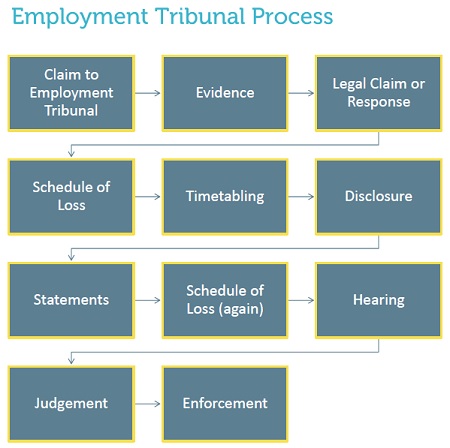
The tribunal process associated with the Bengal roll hearings is complex and multifaceted. It involves various stages that necessitate legal expertise and a clear understanding of electoral laws. Initially, appeals are filed, which are then reviewed and adjudicated by the tribunal. This process is designed to ensure that all appeals are thoroughly considered, fulfilling the legal requirements set forth by the Supreme Court.
Throughout the tribunal process, stakeholders must navigate procedural rules and timelines that are critical for maintaining fairness. The hearings provide a platform for individuals to voice their concerns regarding the voter registration process, illuminating issues that may have contributed to the freezing of the Bengal roll. Ultimately, each decision rendered by the tribunal holds the potential to impact the broader electoral landscape, influencing how elections are conducted in the future.
Monitoring and Evaluation: Ensuring Fairness in Elections
The monitoring and evaluation of the tribunal hearings are crucial in ensuring a fair electoral process. The presence of micro-observers serves as a frontline defense against potential injustices, allowing for real-time assessment of the hearing’s conduct. These observers collect data and provide feedback that can influence future electoral reforms, making them vital participants in the monitoring process.
Furthermore, the technology employed alongside human oversight amplifies the capacity for effective evaluation. With 119 computers installed to manage the recorded proceedings, the tribunal can rely on sophisticated analytics to track progress and identify issues as they arise. This dual approach of monitoring not only enhances the fairness of the current hearings but also sets a standard for future electoral oversight.
Legal Framework Governing the Tribunal Hearings
The legal framework surrounding the Bengal roll tribunal hearings is grounded in the principles established by the Supreme Court. This oversight ensures that the process is legitimate, transparent, and adheres to the rule of law. The specific handling of appeals as dictated by the Supreme Court’s orders creates a structured environment in which electoral grievances can be addressed systematically.
Understanding this framework is essential for all participants in the hearings, as the laws governing this process dictate the avenues available for recourse and redress. Legal representatives, electoral officials, and voters alike must be well-versed in these regulations to navigate the proceedings effectively. The strength of a legal foundation not only bolsters confidence in the tribunal process but also enhances the broader integrity of the electoral system.
Looking Ahead: Future Implications for Bengal Elections
As the Bengal roll tribunal hearings unfold, their outcomes will have lasting implications for the future of elections in the region. Successful resolution and reform stemming from these hearings could pave the way for more accurate and equitable voter registration processes, thereby influencing voter turnout and engagement in subsequent elections. Electoral stakeholders must analyze the results and take proactive steps to implement necessary changes to prevent similar issues in future electoral cycles.
Moreover, the focus on accountability and improved oversight mechanisms initiated by these tribunal hearings could signal a cultural shift in how elections are conducted in Bengal. If the reforms developed through this process are adopted widely, we might witness a transformation in public trust in the electoral system. Enhanced regulations and monitoring practices will likely foster a more inclusive political atmosphere, where the voices of all constituents are fairly represented.
Frequently Asked Questions
What are the key features of the Bengal roll tribunal hearings?
The Bengal roll tribunal hearings are initiated following the Supreme Court’s order, which creates a structured process to address appeals related to electoral rolls. Significant aspects include the installation of 119 computers to streamline operations and the involvement of around 200 micro-observers who oversee the tribunal process. These elements aim to ensure transparency and efficiency during the hearings.
| Key Points | Details |
|---|---|
| Hearing Start Date | Today, April 13, 2026 |
| Bengal Roll Freezing | Freezing occurred 4 days prior to the tribunal hearings. |
| Supreme Court Order | Only four appeals specifically mentioned in the order have been disposed of so far. |
| Technology Used | 119 computers have been installed for the hearings. |
| Supervision | Approximately 200 micro-observers will oversee the process. |
Summary
Bengal roll tribunal hearings mark a significant development in the ongoing legal processes initiated following recent events. Starting today, these hearings will address crucial appeals regarding the freezing of the Bengal roll, a step that reflects the judiciary’s commitment to transparency and accountability. The hearings come after the Supreme Court’s directive which facilitated the processing of limited appeals, ensuring that only specific cases are heard initially. With advanced technology, including the deployment of 119 computers and the oversight of around 200 micro-observers, the tribunal aims to conduct these hearings efficiently and effectively. This structured approach underscores the importance of orderly legal proceedings in the context of the Bengal roll tribunal hearings.