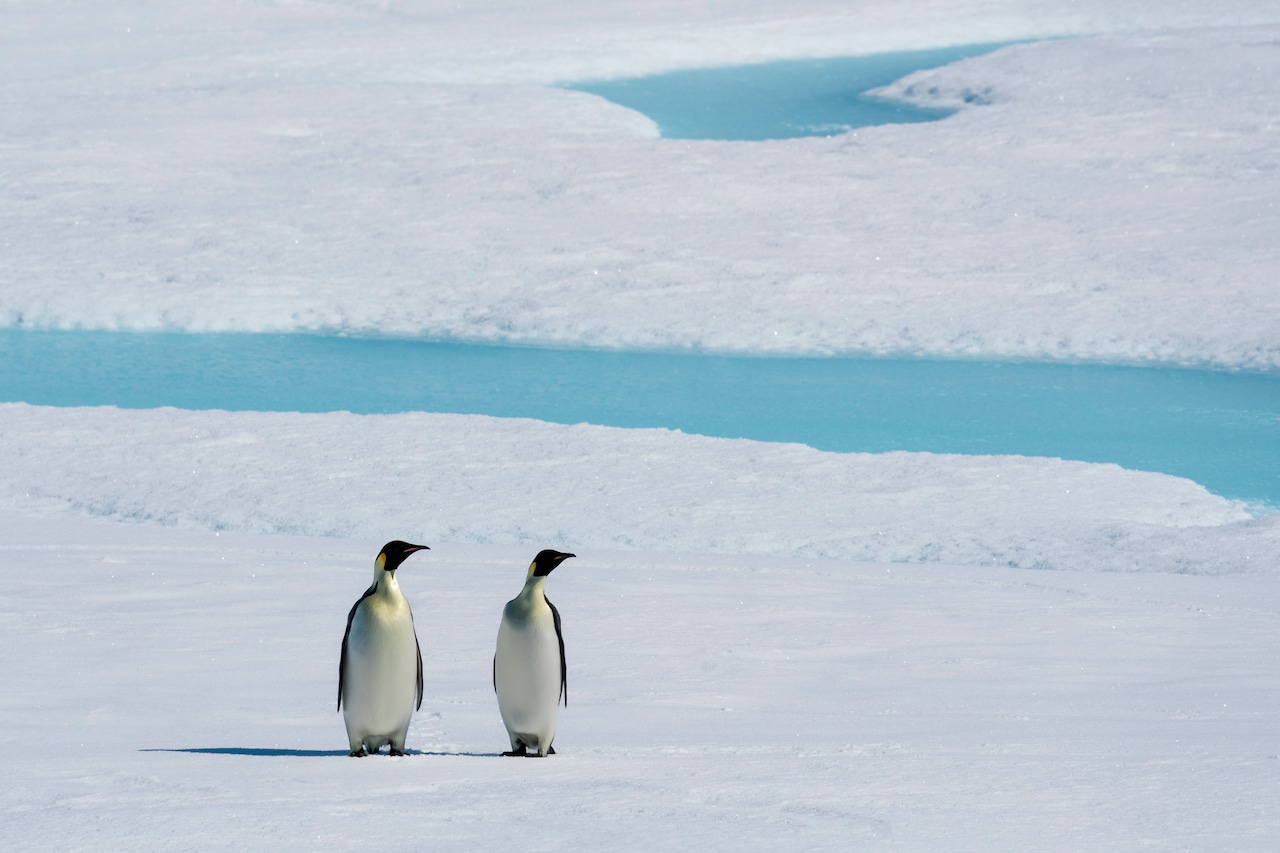
Emperor penguins, now classified as endangered, face significant challenges that threaten their survival. As the largest penguin species found in Antarctica, they are suffering declines due to climate change effects and habitat loss. The International Union for Conservation of Nature (IUCN) has released alarming findings that show drastic reductions in their populations, with projections indicating a staggering 70% decline by mid-century if current trends continue. The melting of sea ice directly impacts their breeding grounds and food sources, making conservation of their habitat crucial. To mitigate species extinction risks and enhance penguin conservation efforts, immediate action is needed to combat the ongoing threats to these majestic birds and their ecosystem.
The plight of the emperor penguins, Antarctica’s largest avian residents, strikes a concerning chord in wildlife conservation circles. As these remarkable creatures face the repercussions of climate change, their habitats are rapidly deteriorating, pushing them closer to the brink of extinction. The diplomatic mission of the IUCN has brought vital attention to the precarious state of these penguins, urging for robust measures to protect their environment. With the well-being of emperor penguins intricately tied to the stability of icy ecosystems, the need for intensive conservation strategies has never been more pressing. This situation serves as a poignant reminder of how interconnected our planet’s health truly is.
The Endangerment of Emperor Penguins: A Closer Look at IUCN Classification
Emperor penguins, known for their majestic stature and distinctive coloring, have recently been classified as an endangered species by the International Union for Conservation of Nature (IUCN). This troubling designation is rooted in the alarming decline of their populations, driven predominantly by the dramatic alterations of their icy habitat. As climate change accelerates, the vital sea ice on which these birds depend for breeding and foraging is disappearing, threatening their very existence. The IUCN’s classification underscores the urgent situation faced by this iconic species, which serves as a crucial indicator of environmental health in Antarctica.
The IUCN classification serves not only as a warning for the emperor penguins but also highlights the broader ecological implications of their decline. As apex consumers within the Antarctic ecosystem, the dwindling numbers of emperor penguins could indicate serious repercussions for other species within the same habitat. Their endangerment exemplifies the risks of species extinction exacerbated by climate change, emphasizing the need for comprehensive penguin conservation strategies that can combat the habitat loss and food scarcity resulting from melting ice conditions.
Climate Change Effects on Emperor Penguin Habitat
The effects of climate change on emperor penguins are profound and alarming. As ocean temperatures rise, the melting of ice in the Antarctic is accelerating, directly impacting the breeding grounds where emperor penguins raise their chicks. Without adequate sea ice, penguin nests are prone to flooding and predation, leading to lower survival rates among hatchlings. This chain of events not only jeopardizes the immediate welfare of the emperor penguin population but also threatens the integrity of their entire habitat, risking further instability in this delicate ecosystem.
Moreover, the decline in sea ice restricts access to vital food sources such as krill and fish, directly influencing the penguins’ foraging abilities and overall health. The interdependence between the emperor penguins and the sea ice ecosystem illustrates the complex dynamics at play and underscores the urgency for action. Conservation efforts aimed at mitigating climate change effects are not just crucial for emperor penguins, but for ensuring the resilience of diverse species that inhabit the Antarctic region.
Penguin Conservation: Strategies to Combat Population Decline and Ensure Survival
In light of the emperor penguins’ precarious situation, penguin conservation efforts are more critical than ever. Strategies implemented must focus on reducing the impact of climate change, which may involve global actions aimed at lowering carbon emissions and restoring the balance of our ecosystems. Conservation programs are encouraged to include habitat protection, which provides a buffer for emperor penguins against the ongoing threats posed by environmental changes. By fostering greater awareness and support for these initiatives, there is hope for the survival of the species well into the future.
Moreover, collaboration between governments, NGOs, and local communities is essential for developing effective conservation plans. Advocating for policy changes that promote sustainability in fisheries management is also vital, as overfishing can exacerbate the food scarcity faced by emperor penguins. These multifaceted approaches not only aim to protect the emperor penguins themselves but also serve to conserve the intricate web of life in the Antarctic ecosystem, ensuring that future generations of wildlife and humans alike can thrive.
Frequently Asked Questions
Why are emperor penguins classified as endangered by the IUCN?
Emperor penguins have been classified as endangered by the International Union for Conservation of Nature (IUCN) due to significant population declines driven largely by climate change effects. The melting of sea ice, which is crucial for their breeding and hunting, poses severe risks for their habitat and food sources, leading to an urgent need for penguin conservation efforts.
| Key Point | Details |
|---|---|
| Endangered Status | Emperor penguins have been classified as endangered by the IUCN. |
| Population Decline | Significant declines in emperor penguin populations have been noted, with projections suggesting a 70% decrease by mid-century. |
| Threats | Climate change is severely impacting their breeding habitats and food sources due to melting sea ice. |
| Conservation Need | Urgent conservation efforts are needed to mitigate climate change effects on emperor penguins and the surrounding ecosystems. |
Summary
Emperor penguins endangered status poses a critical challenge for biodiversity in Antarctica. These remarkable birds, known for their unique adaptations to the harsh climate, are facing unprecedented threats primarily driven by climate change. As the largest penguin species, they rely on stable ice conditions for breeding and feeding, but the melting of sea ice is disrupting these vital habitats. The projected population decline of up to 70% by mid-century highlights the urgency for immediate conservation action. Protecting emperor penguins is not just about saving a species; it is about preserving the entire ecosystem of which they are an integral part.