

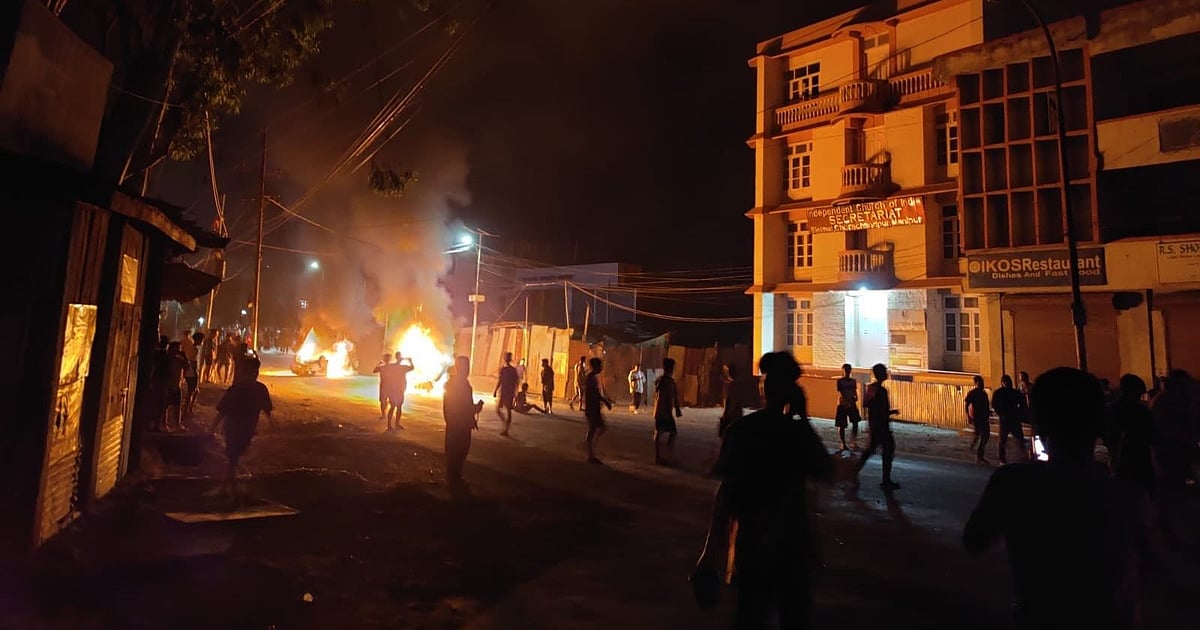
The fuel shortage in Churachandpur has become a pressing concern for residents and authorities alike, as recent protests along the Bishnupur route have severely disrupted fuel supply operations. This crisis, marked by the blocking of fuel transport trucks, was exacerbated by the tragic explosion in Tronglaobi, which sparked community unrest and heightened demands for accountability. The situation caused significant fuel scarcity, leaving many residents struggling to secure essential resources. However, a government official has confirmed that relief is on the horizon, as alternative supply lines through Jiribam are being utilized to restore fuel transportation. The recent developments indicate that the Churachandpur fuel crisis may soon ease, bringing much-needed respite to the community affected by the April 2023 protests and ongoing tensions over safety and supply.
In recent weeks, the Churachandpur district has been grappling with a critical shortage of fuel, leading to widespread challenges for local residents. Factors contributing to this dilemma include significant protests disrupting key transportation routes and a tragic incident in Tronglaobi that has fueled public outcry. With the Bishnupur route being a crucial artery for fuel and other essential supplies, authorities have faced mounting pressure to address the blockade issues. Thankfully, an alternative route via Jiribam is now operational, promising some relief as fuel supplies resume. Thus, the community’s resilience is being put to the test, as residents await the restoration of their vital resources.
Understanding the Fuel Shortage in Churachandpur
The fuel shortage in Churachandpur district has emerged as a pressing issue exacerbated by recent regional unrest. This crisis was initiated by ongoing protests along the Bishnupur route, which is crucial for fuel supply to Churachandpur. The disruption effectively stalled fuel tankers from reaching their destination, leading to a scarcity that has affected local residents significantly. With the blockade impeding transportation, many residents found themselves struggling to access not just fuel for vehicles but also essential commodities that depend on adequate fuel supply for transport.
The situation escalated with protests ignited by the tragic explosion in Tronglaobi on April 7, which killed two children and injured others. The emotional response from the community manifested in increased demonstrations, where protesters sought justice and resolution amidst their grievances. As a direct result, supplies were blocked, creating a ripple effect that highlighted the dependency of Churachandpur’s economy and daily life on the Bishnupur route for fuel delivery. Thankfully, authorities have recently indicated that with the restoration of alternative routes for fuel transportation via Jiribam, the fuel shortage in Churachandpur is on track to ease.
Impact of the Bishnupur Route Fuel Supply Blockade
The blockade of the Bishnupur route has had far-reaching implications on the daily lives of the residents in Churachandpur. Given that this route serves as a lifeline for transporting essential goods, including fuel, the disruption has sparked frustration among residents. Businesses, particularly those reliant on daily fuel supply for transport and operation, have faced significant challenges, leading to economic strain in the community. Furthermore, the public’s patience has been tested, resulting in heightened tensions and further protests demanding an immediate resolution.
Moreover, this crisis reflects a larger issue within regional governance and public order, as demonstrations have often escalated into blockades that halt essential supply lines. The situation calls for a careful examination of how community concerns can be addressed without compromising vital supply routes. The temporary redirection of fuel supply through Jiribam illustrates the need for innovative solutions in crisis management. Local officials must engage with community leaders to ensure both the restoration of normal fuel supply and the prevention of such disruptions in the future.
The Recent Protests in Churachandpur: Causes and Effects
The protests in Churachandpur, which intensified following the tragic explosion in Tronglaobi, serve as a vivid reminder of the deep-seated issues plaguing the community. Initially ignited by grief and anger over the incident that claimed young lives, the unrest rapidly evolved into larger demonstrations against perceived governmental neglect. Protesters blocked the Bishnupur route, effectively choking off vital supplies, including fuel, further complicating the already precarious situation for many residents.
However, the protests also embody the community’s call for change and a demand for accountability. As tensions mounted, it became evident that mere promises from authorities would not suffice; residents sought tangible actions and solutions to their grievances. The response from local governance must address not only the immediate needs, such as the fuel shortage, but also the underlying issues that have fueled doubts among citizens about safety and rights in their own neighborhoods. Engaging with community voices and addressing their concerns could pave the way to a more stable environment in Churachandpur.
Restoration of Fuel Supply: A Ray of Hope for Churachandpur Residents
With fuel supplies expected to resume shortly, residents of Churachandpur can finally see a light at the end of the tunnel following a challenging period marked by scarcity and unrest. This restoration is a crucial step in the recovery of daily life in the district, allowing transportation to return to normalcy and alleviating the pressures felt by both individuals and local businesses. The decision to reroute fuel supply through Jiribam signifies adaptability in the face of ongoing challenges, yet it remains vital for authorities to ensure this route remains usable to prevent future shortages.
Moreover, the resumption of fuel supplies also provides a moment for local leadership to step back and assess the situation holistically. This could be an opportunity to put measures in place to mitigate future disruptions, not just concerning fuel transport, but also ensuring that community grievances are addressed effectively. With the immediate concerns of fuel shortages receding, community engagement efforts could be prioritized, focusing on building trust and fostering cooperation between local authorities and residents to prevent future protests and unrest.
Navigating Challenges in Jiribam Fuel Transportation
As the Churachandpur region redirects its fuel supply through Jiribam, the challenges surrounding this route become increasingly prominent. Although this alternative has brought some relief, it is imperative for local government officials to monitor and address any potential bottlenecks in fuel transportation. Jiribam, while previously utilized, may have its limits in capacity and efficiency, especially if streamlining efforts are not put in place to handle increased logistical demands following the Bishnupur blockade.
Additionally, the reliability of Jiribam as a continual supply route must be ensured to maintain flow, thereby preventing another crisis from unfolding. Stakeholders involved in fuel delivery and transportation must coordinate closely to facilitate smooth operations and address any disruptions promptly. The overall goal should be to establish a robust supply chain that can withstand social unrest while meeting the fuel needs of the Churachandpur community.
The Need for Community Dialogue in Churachandpur
The ongoing crisis regarding fuel supply and disruptions in Churachandpur highlights the critical need for open channels of communication between authorities and the community. Recent events, characterized by protests, illustrate that citizens feel their concerns are not being addressed adequately. Establishing a structured dialogue could allow for feedback, ensuring that the feelings of frustration and fear that have sparked protests are acknowledged by local governance.
Building this bridge requires commitment from both sides to foster a culture of collaboration. Local leaders should actively seek to include community members in discussions about their needs, particularly in light of the recent fuel shortages and the fatal incident in Tronglaobi. Such actions could not only facilitate quicker resolutions during future crises but also strengthen the bond between the public and governmental authorities, ultimately contributing to a more stable and cohesive Churachandpur.
Addressing Fuel Shortages: Policy Recommendations for Churachandpur
In light of the recent fuel crisis in Churachandpur, it is clear that proactive policy recommendations are essential to prevent similar occurrences in the future. Authorities must examine and enhance the transportation infrastructure at critical routes like Bishnupur and Jiribam to ensure that they can handle emergencies effectively. This may involve planning for additional storage facilities, alternative supply lines, or establishing more dynamic logistics responses to community protests.
Additionally, building a contingency plan that includes various stakeholders can create a resilient network capable of addressing sudden shortages or supply chain disruptions. Engaging with local businesses and community representatives to develop these policies will attune them to the realities on the ground, allowing for more effective implementation of strategies that support resident needs while maintaining order.
Learning from the Tronglaobi Explosion Incident
The tragic explosion in Tronglaobi serves as a somber reminder of the fragility within communities like Churachandpur. Such incidents can trigger significant social unrest, impacting not just immediate safety but also the economic wellbeing of the region. Understanding the circumstances surrounding this tragedy can provide critical insights into the vulnerabilities that exist within both infrastructure and social cohesion in the community. It is crucial for local leaders to investigate the causes of such events to prevent them from recurring.
Furthermore, the fallout from such incidents necessitates a thorough analysis of how responses can be improved. Emphasizing safety and community engagement can mitigate the risk of protests escalating into blockades or violence. By learning from the Tronglaobi explosion and implementing findings into policy reforms or community programs, Churachandpur can work towards creating a safer, more unified environment where citizens feel empowered to voice their concerns while seeking peaceful resolutions.
Frequently Asked Questions
What caused the fuel shortage in Churachandpur and how is it related to the Bishnupur route?
The fuel shortage in Churachandpur was primarily caused by protests along the Bishnupur route, which is a crucial supply line for fuel delivery. Blockades set up by demonstrators in response to the Tronglaobi explosion on April 7 disrupted fuel supply operations, preventing tankers from delivering essential fuel supplies to the district. As a result, the government redirected fuel transportation through Jiribam, which has allowed fuel supply operations to resume, helping to alleviate the Churachandpur fuel crisis.
| Key Points |
|---|
| Fuel shortage in Churachandpur is expected to ease due to restored supply lines. |
| Protests along the Bishnupur route previously halted fuel supply operations. |
| Authorities redirected fuel supply through Jiribam to resume transportation. |
| Protests were sparked by an explosion in Tronglaobi that killed two children and injured their mother. |
| Demonstrators blocked essential goods, including fuel, from entering Churachandpur. |
| Bishnupur route is critical for transporting goods to Churachandpur; the blockade led to a severe fuel shortage. |
| Officials expect fuel supplies to improve by the evening, providing relief to residents. |
Summary
The fuel shortage in Churachandpur has been a pressing issue arising from recent protests disrupting supply lines. As a vital link for transporting goods, the Bishnupur route faced blockades due to unrest following a tragic incident that resulted in casualties. However, with authorities effectively redirecting fuel transportation via Jiribam, there is a hopeful outlook that the situation will be resolved soon. Residents can anticipate an end to the fuel shortage as supply lines are restored, ensuring essential goods reach their community once again.



























