 11
11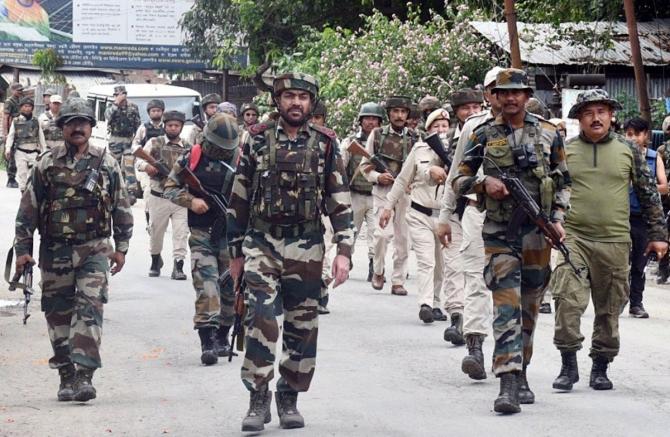
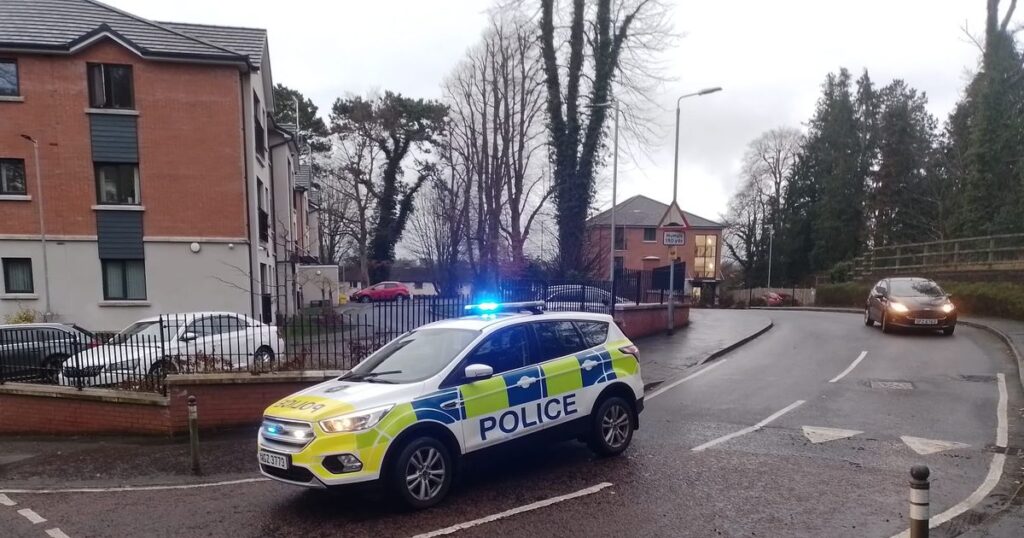
The recent Guwahati unrest has highlighted escalating tensions in Manipur, particularly following violent clashes that erupted in Thinungei on April 14, resulting in injuries to multiple individuals and prompting officials to enforce a strict curfew in Bishnupur district. Protesters confronted security forces, with accusations of excessive use of force, including tear gas and live ammunition, as the situation rapidly deteriorated throughout the day. Witnesses reported troubling incidents where vehicles suspected of carrying weapons were halted by demonstrators, further intensifying the conflict. Amidst the turmoil, additional security forces were deployed to regain control, while protesters disrupted local transportation by blocking roads. Authorities urge the public to remain composed, as steps are being taken to investigate these incidents and to move forward following a peace agreement with the UNLF.
The unrest in Guwahati has drawn significant attention to the ongoing struggles in the region, specifically as incidents of violence ripple through the communities, particularly in the Thinungei locality of Manipur’s Bishnupur district. During the latest upheaval, civilians clashed with law enforcement, which has also raised concerns over the deployment of security forces and the implications of an imposed curfew. Residents are facing disruption due to blocked roads and the heightened atmosphere of fear and uncertainty. The local government is working to address these tensions while emphasizing the importance of societal peace, especially in light of a recent commitment to a peace agreement with the UNLF. As these events unfold, the call for calm and cooperation from authorities remains critical in navigating the complexities of Manipur’s current situation.
The recent unrest in Guwahati, stemming from ongoing tensions in the Thinungei area of Manipur, has highlighted the volatile situation affecting the region. On April 14, a series of violent clashes erupted between security personnel and protesters, resulting in numerous injuries and prompting the enforcement of an indefinite curfew throughout Bishnupur district. The state of unrest reflects a deeper issue concerning community grievances and a rising demand for justice and accountability amid allegations of excessive force used by authorities.
As tensions flared, residents reported that security forces employed tear gas and live ammunition to disperse crowds, a move that many locals decried as an aggressive overreach. In response to escalating violence, including the reported setting ablaze of a vehicle by protesters, local authorities scrambled to maintain order by deploying additional security forces, including the Rapid Action Force (RAF). These developments have led to widespread disruptions, with demonstrators establishing roadblocks and asserting control over traffic, citing the need to scrutinize vehicles suspected of carrying weapons.
The clashes in Thinungei cannot be viewed in isolation; they are a continuation of the broader pattern of violence that has plagued Manipur for years. The underlying causes of this unrest are rooted in ethnic tensions, historical grievances, and socio-political dynamics that have resulted in conflict between various community factions. Furthermore, the recent bomb blast in Tronglaobi, which remains unsolved, exacerbates public fears and stirs up feelings of unrest among community members, heightening the urgency for the government to act swiftly.
With each violent outbreak, the calls for a comprehensive peace agreement with insurgent groups like the United National Liberation Front (UNLF) grow louder. This became evident in the recent appeals by Manipur’s Home Minister for cooperation from the public during ongoing investigations. Authorities are reportedly making significant strides in the implementation of peace agreements, expressing hope that disarmament initiatives will contribute to long-term stability within the region. However, the success of these efforts is contingent on public trust and the government’s ability to address the immediate and pressing concerns of its citizens.
The enforcement of curfews in the Bishnupur district as a response to the unrest has broad implications for both public safety and civil liberties. While officials argue that such measures are necessary to restore order and protect law and order, residents often feel these restrictions infringe upon their basic rights and freedoms. During curfews, economic activities grind to a halt, and many individuals find themselves trapped, unable to access essential services or pursue daily livelihoods. This state of paralysis can breed resentment and further fuel the unrest, as communities grapple with the immediate fallout of such decisions.
Moreover, curfews can create an atmosphere of fear and mistrust between residents and security forces. While many citizens support the need for security in volatile situations, they may also feel vulnerable to the actions of law enforcement, particularly when reports emerge about the use of disproportionate force. The sensitivity of these issues necessitates that authorities carefully weigh the implications of curfews and explore alternative strategies that effectively balance law enforcement with community needs, ideally fostering a collaborative approach to restore peace and stability.
The deployment of security forces in the Thinungei and surrounding areas serves as a crucial component of the government’s strategy to address and contain ongoing violence. However, this tactic is not without its challenges. While a heavy presence of security personnel, including the Rapid Action Force, aims to deter further clashes, it can also provoke further hostility among frustrated residents who already feel marginalized by the state. These actions raise critical questions about the effectiveness of reliance on force versus dialogue in resolving conflict and restoring public trust.
Involving local stakeholders in the dialogue process could improve the outcomes of security measures by addressing the root causes of discontent. Engaging directly with community leaders, understanding grievances, and fostering openness around controversial topics such as the peace agreement with the UNLF can build reciprocal trust. Additionally, ensuring that security forces receive appropriate training to handle civil disturbances without resorting to violence could significantly alter the landscape of unrest in sensitive regions like Manipur.
Amid the chaos and tension, the government of Manipur has expressed a commitment to resolving longstanding issues through dialogue and negotiations. Home Minister Govindas Konthoujam emphasized the importance of patience from the public while officials work to investigate recent events, including the Tronglaobi bomb blast. While this appeal may resonate with some community members, others remain skeptical about the government’s capacity to deliver tangible changes, especially following years of unresolved grievances. The effectiveness of these initiatives hinges on clear communication and follow-through on promises made to the populace.
The peace agreements with organizations such as the UNLF signal a significant recognition of the need for collaboration with insurgent groups to restore order. However, the challenge lies in ensuring that these agreements are both enforceable and respected by all parties involved. Citizens must witness genuine efforts from the government to rehabilitate affected areas and create a civil environment where mutual respect and understanding can flourish, fostering a pathway to sustainable peace and security for all.
Even while the unrest has inflicted significant turmoil on the community of Thinungei, the spirit of resilience among residents should not be overlooked. Many locals actively engage in dialogue with one another, seeking unity and understanding despite external tensions. Grassroots organizations and community leaders often step in to mediate conflicts, emphasizing the importance of communication in healing community rifts. These efforts are critical in maintaining a sense of normalcy and hope, particularly for younger generations affected by the cycle of violence.
Moreover, the collective actions of communities during tense moments – whether through peaceful protests or local initiatives to aid those affected by violence – showcase a strong commitment to establishing peace. As neighborhoods rally around one another, forming networks of support and communication, they become vital pillars within an unstable landscape, fostering the belief that active engagement and hope can pave the way toward a brighter future, even in the face of adversity.
Local governance plays a pivotal role during crises, particularly in districts like Bishnupur that are experiencing significant unrest. During tumultuous periods, local leaders are often the first point of contact for concerned citizens, making their responses to unrest crucial in shaping community perceptions about government legitimacy. The ability of local authorities to remain transparent regarding curfews and security measures can significantly influence public compliance and cooperation during crises.
Moreover, effective local governance is closely tied to the successful implementation of peace initiatives and community engagement strategies. Officials who maintain open lines of communication with residents create a framework for collaborative problem-solving that extends beyond immediate conflict resolution. By establishing trust and fostering a willingness to advocate for local needs at higher governmental levels, local leaders can bridge divides and encourage community solidarity, ultimately enhancing stability in the region.
As Manipur navigates the tumultuous aftermath of ongoing violence, the road ahead must prioritize healing and reconciliation. Establishing frameworks that address historical grievances with fairness and transparency will be essential in promoting long-term stability within conflict-affected regions. Initiatives aimed at fostering dialogue among differing community factions can help build bridges of understanding, transforming conflict dynamics into opportunities for partnership.
Furthermore, pursuing development projects that invest in education, healthcare, and infrastructure will empower communities to rebuild and strengthen their socio-economic fabric. By recognizing the interconnectedness of peace and development, the government can enact measures that will not only assuage immediate tensions but also lay the groundwork for a sustainable, peaceful future in Manipur. Emphasizing healing over retribution will be essential in fostering an environment where all communities can coexist harmoniously.
The Guwahati unrest, particularly the recent violence in the Thinungei area of Bishnupur, was sparked by clashes between security personnel and protesters. Reports indicated that at least six individuals were injured, prompting authorities to impose an indefinite curfew across the district under the Bharatiya Nagarik Suraksha Sanhita (BNSS), 2023. Tensions escalated during the confrontation, with protesters alleging the use of tear gas and live bullets by security forces, indicating a volatile situation in the region.
| Key Points | Details |
|---|---|
| Fresh Violence | At least six people injured during clashes in Thinungei, Bishnupur district. |
| Indefinite Curfew | Authorities enforced curfew under Section 163 of the BNSS, 2023. |
| Use of Force | Residents reported tear gas and live bullets; officials had not confirmed. |
| Protesters’ Claims | Some claimed vehicles suspected of carrying arms triggered unrest. |
| Property Damage | At least one vehicle was set on fire by the mob. |
| Increased Security | Additional personnel from the RAF deployed to restore order. |
| Public Response | Protesters blocked roads, inspecting suspicious vehicles. |
| Government’s Stance | Home Minister appeals for calm; investigation into bomb blast ongoing. |
| Peace Agreement | Steps taken to address illegal camps linked to the UNLF under government peace agreement. |
The recent Guwahati unrest has highlighted escalating tensions in the region, particularly with violent confrontations in Manipur’s Bishnupur district causing multiple injuries and prompting authorities to impose an indefinite curfew. As law enforcement and local residents clash over allegations involving arms transport, the situation has seen added disturbances with protesters setting vehicles on fire and blocking roads. The Manipur Home Minister’s call for patience amidst an ongoing investigation into a related bomb blast underscores the complex dynamics at play. This unrest is a poignant reminder of the challenges faced in maintaining peace and security, particularly in regions with histories of conflict.