

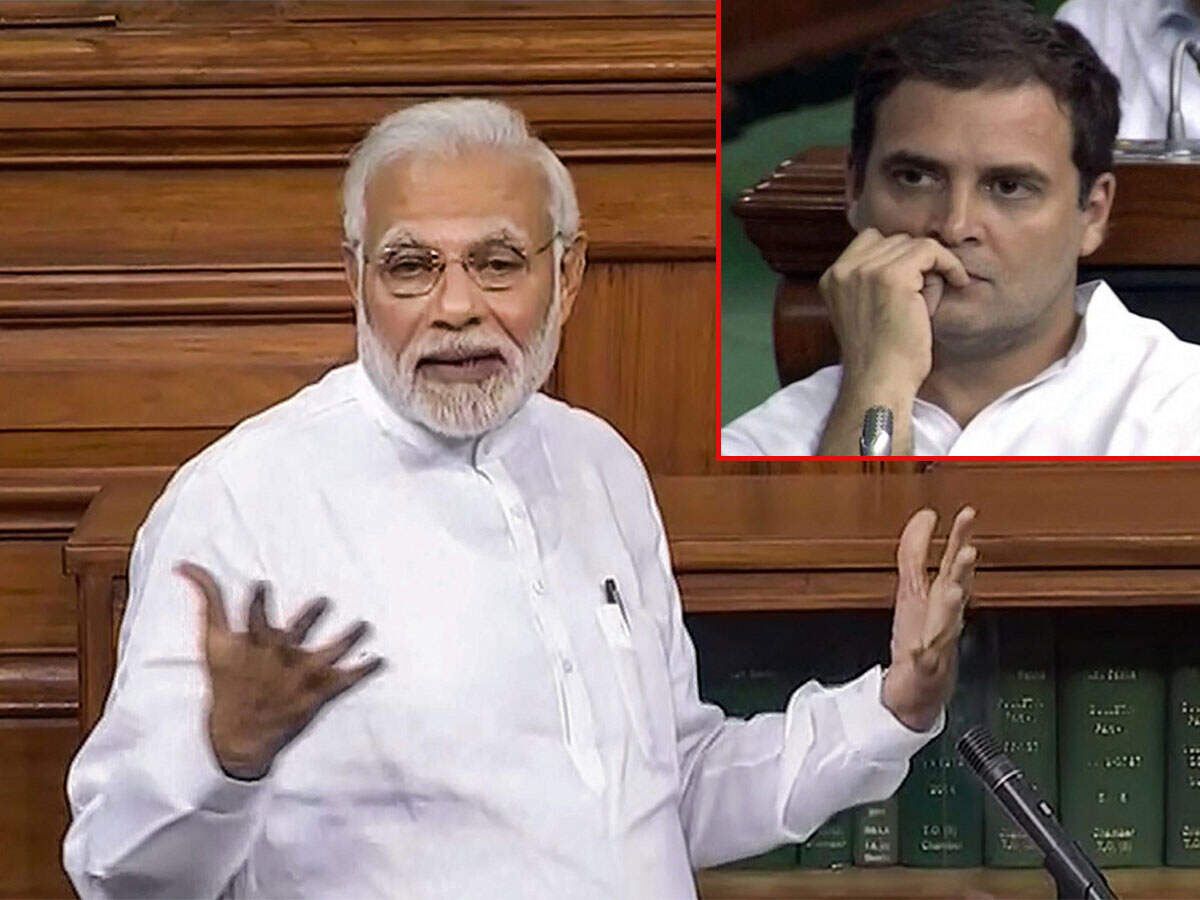
The ongoing debate surrounding the Rahul Gandhi India-US trade deal has sparked fierce discussions in political circles, particularly as the Congress leader intensifies his criticism of the Modi administration. Gandhi has publicly accused Prime Minister Narendra Modi of being a “deshdrohi,” alleging that he has effectively ‘sold off’ India’s economic interests in favor of foreign entities. This scathing commentary not only reflects Gandhi’s discontent with the India-US trade agreement but also intertwines with broader criticisms of the BJP’s governance and the influence of the RSS on the nation’s constitutional values. Amidst these accusations, concerns are raised about job promises made by the ruling TMC in West Bengal, where industries are reportedly suffering. As this narrative unfolds, Gandhi’s remarks serve as a poignant reminder of the critical dialogue surrounding national sovereignty and economic policies.
The discussions regarding the trade accord between India and the United States have become a focal point for political discourse, particularly as Congress leader Rahul Gandhi ramps up his allegations against the current regime. By branding Prime Minister Narendra Modi as a betrayer of national interests, Gandhi positions himself at the forefront of critiques challenging the integrity of the economic agreements made under the present administration. His statements not only delve into the wider implications of the India-US trade pact but also highlight the perceived failures of the BJP in upholding the Constitution amid rising concerns over regional governance, such as the job creation promise failures linked to the TMC in West Bengal. As political narratives continue to evolve, the scrutiny of these trade deals and their ramifications on domestic industries remains critical. Thus, the ongoing discourse sets a vivid stage for the intersection of national policy, international relations, and political accountability.
Rahul Gandhi Criticism of the India-US Trade Deal
As the debate surrounding the India-US trade deal heats up, Rahul Gandhi’s persistent criticism of the government’s approach highlights the political ramifications of such agreements. He alleges that Prime Minister Narendra Modi’s administration has not prioritized the interests of the Indian populace but has instead compromised India’s sovereignty for international trade benefits. Gandhi’s assertion that Modi is a “deshdrohi” (traitor) reflects a growing concern among opposition leaders about ensuring national priorities aren’t sacrificed at the altar of global agreements.
Gandhi’s critique extends beyond mere rhetoric; it touches on deeper concerns regarding the economic implications of trade agreements. By positioning the India-US trade deal as a surrender of national interests, Gandhi aims to resonate with the electorate that fears the repercussions of globalization on domestic industries. This criticism is significant as it aligns with wider apprehensions regarding job security, particularly in sectors that have already faced challenges due to policy changes and external market pressures.
Narendra Modi Accusations Fueling Political Rhetoric
Accusations leveled against PM Narendra Modi by opposition leaders like Rahul Gandhi are not merely an exercise in political rivalry; they signify broader societal concerns. Gandhi’s comments regarding Modi being a traitor for his handling of the trade deal emphasize a deep-seated belief among critics that the Prime Minister’s policies cater more to corporate interests than to ordinary citizens. This notion not only energizes political rallies but also finds traction in public discourse among citizens who feel sidelined by swift economic shifts.
Moreover, the harsh language used by Gandhi echoes sentiments within various demographics that are increasingly wary of potential job losses and reduced protections under the trade deal. The opposition’s strategy often leverages Modi’s governance style against the backdrop of economic discontent, resulting in a powerful narrative that fuels political engagement across the nation. Tying local issues such as unemployment, especially in Bengal where the TMC has promised job creation, to these national debates, Gandhi aims to galvanize support across state lines.
Impact of BJP RSS on Indian Constitution
The BJP and RSS are often at the forefront of discussions about modern India, especially regarding their influence on the Constitution. Rahul Gandhi’s criticisms suggest that their ideology is reshaping the contours of Indian governance, steering it towards a framework that some believe deviates from the secular and democratic foundations laid down by the Constitution. This allegation of undermining constitutional values can be a rallying point, as it taps into the concerns of citizens who cherish India’s pluralistic identity.
By framing the discussion around the Constitution, Gandhi not only addresses the potential dangers posed by extreme ideologies but also strives to invoke a sense of historical responsibility among voters. The apprehension that the BJP and RSS may impose their interpretation of national identity resonates particularly in states like West Bengal, where diverse cultures and traditions have coexisted. Gandhi’s narrative serves as a reminder of the importance of safeguarding constitutional integrity amid rising communal tensions.
TMC Job Promises Under Scrutiny
In the political arena of West Bengal, the Trinamool Congress (TMC) finds itself facing scrutiny over its job promises. As Rahul Gandhi criticizes both the TMC and the Modi government for their failures in providing employment, the spotlight shifts to the state’s governance record. The dissatisfaction among youth regarding job creation is palpable, and Gandhi’s claims echo the collective frustration, thereby enhancing his appeal as a leader sympathetic to the plight of jobless youngsters in the region.
This discontent can significantly influence the political landscape as voters may hold the ruling party accountable for unfulfilled promises. Gandhi’s emphasis on the TMC’s failure to deliver jobs creates a potential opening for the Congress Party to regain traction in a historically competitive state. By drawing connections between local governance issues and national trade agreements, the narrative becomes a powerful tool to resonate with voters who seek both stability and opportunity in their economic prospects.
Economic Implications of Trade Deals in India
The economic implications of trade deals such as the India-US agreement cannot be understated. They present opportunities for growth and collaboration but also carry risks that can impact local industries. Critics like Rahul Gandhi voice concerns that such trade agreements may lead to an influx of foreign goods that could undermine domestic production and employment. This line of reasoning emphasizes the need for protective measures to safeguard local businesses and jobs, ensuring that trade benefits do not come at the expense of domestic markets.
Furthermore, trade deals pose significant challenges as policymakers must balance international obligations with national interests. The push and pull between globalization and protectionism delineate the current political discourse, shaping how leaders like Gandhi engage the electorate. His criticisms are not only about the trade deal itself but also about the broader economic strategy it represents, prompting discussions about what measures should be taken to protect vulnerable sectors while navigating the complexities of international trade dynamics.
The Role of Political Rhetoric in Trade Discussions
Political rhetoric plays a pivotal role in shaping public perception of important issues such as trade deals. Leaders like Rahul Gandhi utilize persuasive language to highlight perceived shortcomings of the government, influencing public sentiment and mobilizing support. His characterization of the Modi administration as betraying national interests taps into widespread fears regarding the potential adverse effects of trade agreements on Indian livelihoods, particularly in light of the recent economic challenges faced by many.
Such rhetorical strategies serve not only to critique current policies but also to create a narrative that resonates with voters’ experiences and concerns. By framing trade discussions in relatable terms, Gandhi aims to foster a collective consciousness that prioritizes national welfare and provides an alternative vision to the policies being endorsed by the ruling BJP. This dynamic underscores the significance of political language in the ongoing discourse about the future of India’s economy.
Youth Reactions to Trade Policies and Job Creation
The youth of India remain pivotal stakeholders in the debate over trade policies and job creation. As Rahul Gandhi criticizes the handling of the India-US trade deal, many young people resonate with his assertions, feeling that their futures are at stake. The concerns of an unemployed generation are compounded by promises made by both state and national leaders that have not been fulfilled. Gandhi’s appeal to young voters hinges on his commitment to foreground their struggles within the larger narrative of trade discussions.
Engaging directly with youth concerns provides an opportunity for political leaders to connect on a personal level, offering hope and solutions where job creation is promised but often not delivered. The rising unemployment rates among educated youth force political discourse to grapple with the realities of economic policy, underscoring the importance of accountability and foresight in government decision-making. Through such connections, Gandhi aims to inspire a motivated electorate ready to demand substantive change.
Globalization Effects on Indian Markets
Globalization, while bringing potential for increased trade and economic partnerships, presents a complex set of challenges for Indian markets. The impending India-US trade deal has sparked debates about its ramifications on local businesses and employment. Critics, including Rahul Gandhi, express fears that globalization may favor multinational corporations at the expense of small and medium enterprises, jeopardizing their survival in a competitive landscape.
As seen in states where industry is already struggling, the ramifications of globalization become immediate and personal. These concerns must be addressed by policymakers who strive to balance benefiting from global trade while protecting their domestic economy. Rahul Gandhi’s critiques reflect a populist sentiment that questions the fairness of the economic system under globalization, advocating for policies that support local industries and workers amidst the rising tide of global commerce.
Future Outlook on Indian Trade Negotiations
Looking ahead, the future of Indian trade negotiations hinges on a delicate balance of global integration and national interest. With leaders like Rahul Gandhi vocalizing opposition to the India-US trade deal, there exists a palpable tension between the need for international cooperation and the domestic repercussions of such agreements. How India navigates this landscape will fundamentally impact its economic trajectory and geopolitical relationships.
The role of political engagement in shaping these negotiations cannot be understated. As voters become increasingly aware of the implications of trade deals on their lives, dynamic participation in the political process may shape future diplomatic strategies. Concerns surrounding job security, economic fairness, and market protection will likely remain central themes as India seeks to establish itself as a powerful player in global trade.
Frequently Asked Questions
What is Rahul Gandhi’s stance on the India-US trade deal?
Rahul Gandhi has been vocal in his criticism of the India-US trade deal, accusing Prime Minister Narendra Modi of compromising India’s interests. He labeled Modi a ‘deshdrohi’ (traitor) for allegedly selling off India and undermining the Constitution, as per his criticisms against the BJP and RSS. Gandhi’s remarks also highlight concerns regarding job promises made by the TMC in West Bengal, further connecting his stance on trade agreements with domestic job creation issues.
| Key Point | Detail |
|---|---|
| Trade Deal Criticism | Rahul Gandhi criticizes the India-US trade deal, claiming it harms national interests. |
| Labeling Modi | Rahul Gandhi accused PM Modi of being a ‘deshdrohi’ (traitor) for compromising India’s interests. |
| State Indutry Shutdown | Gandhi pointed out that Mamata Banerjee’s governance has led to industrial shutdowns in West Bengal. |
| Accusations Against BJP | He accused the BJP and RSS of destructive practices that undermine the Constitution. |
| Job Promises by TMC | Gandhi criticized the ruling TMC for failing to deliver on job promises to the youth. |
Summary
The discussion surrounding the Rahul Gandhi India-US trade deal highlights significant concerns regarding India’s sovereignty and economic stability. Rahul Gandhi, through strong rhetoric, frames the trade deal as a betrayal of national interests, accusing Prime Minister Narendra Modi of jeopardizing the country’s future for personal or political gain. He emphasizes the adverse economic impacts portrayed by industrial setbacks in states like West Bengal, and urges a re-evaluation of the current government’s policies, particularly those propagated by the BJP and RSS. Gandhi’s critical remarks serve to illustrate broader worries about job creation and the commitments made to the youth, calling for accountability and a re-focus on constitutional values.



























