

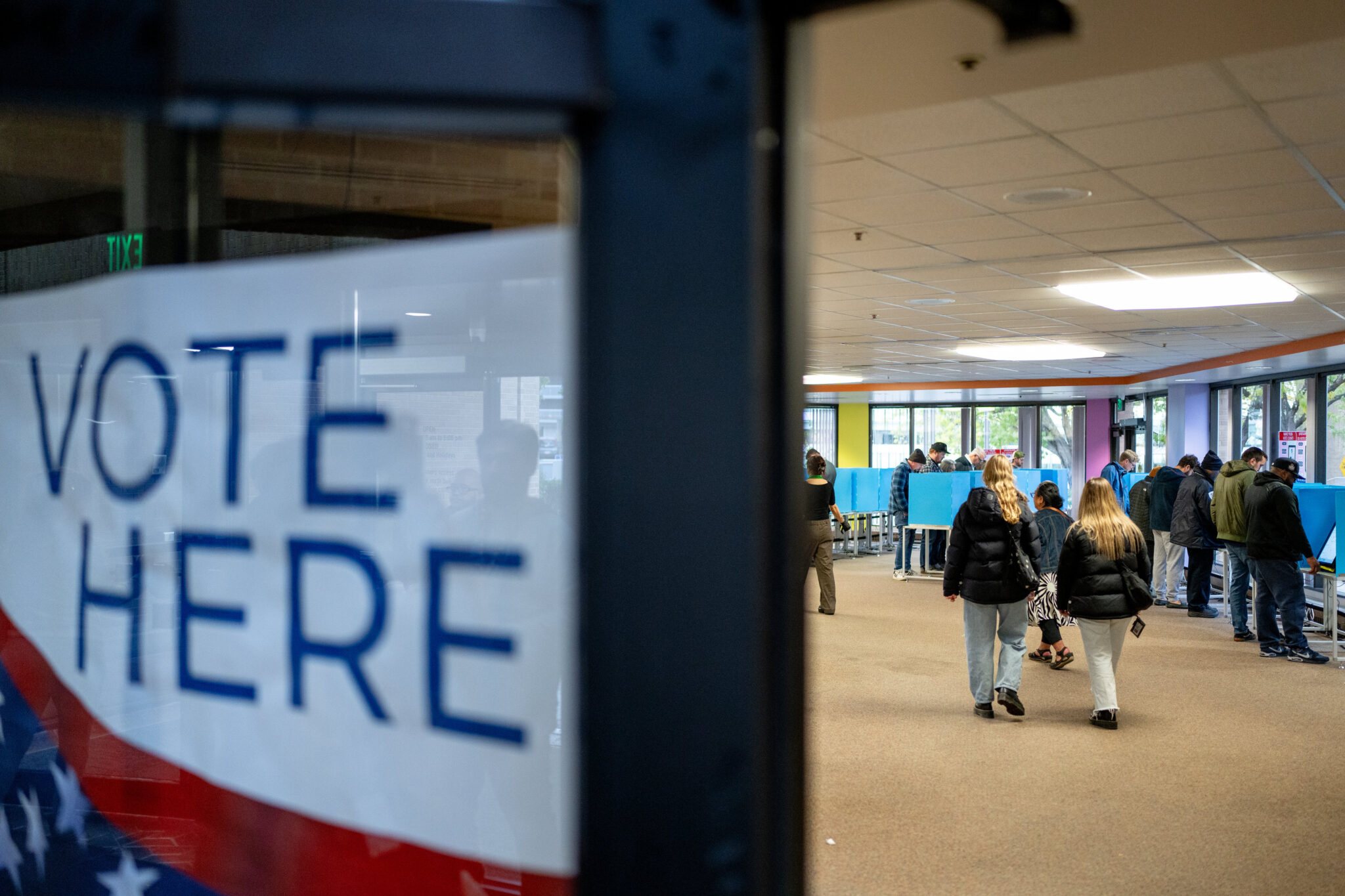
The West Bengal polls are once again at the forefront of Indian political discourse, as tensions rise amidst preparations for the elections. Reports of a tragic incident in Viti Katihar village, where a 77-year-old man allegedly died from a heart attack during a conflict with home voting officials, have sparked widespread outrage. This event highlights ongoing concerns surrounding the West Bengal elections and the role of the Election Commission in ensuring a fair voting process amid growing unrest. Political tensions are evident, as TMC election news reveals that party workers briefly confined poll officials, illustrating the challenges faced in these critical moments. As the electorate grapples with home voting issues, the conflict between local sentiments and election regulations becomes increasingly prominent in the lead-up to the polls.
As the focus shifts towards the electoral battle in West Bengal, the significance of this upcoming electoral event cannot be understated. The latest narratives surrounding the state elections unveil a complex interplay of political strategies and local conflicts, particularly exemplified by the Viti Katihar village incident. These local disturbances have raised pertinent questions regarding voter accessibility and the smooth conduct of elections, while simultaneously bringing the role of the Election Commission into sharp scrutiny. Furthermore, the incidents reflect broader issues faced by political parties, notably within the Trinamool Congress (TMC), as they navigate home voting challenges and public sentiment. In essence, the West Bengal polls are shaping up to be a pivotal moment in the politically vibrant landscape of the region.
Tragic Incident Amidst West Bengal Polls
The recent West Bengal polls have taken a sorrowful turn following the unfortunate death of a 77-year-old voter, reportedly from a heart attack. This incident was linked to a clash involving relatives of the deceased and home voting officials in Viti Katihar village. Such conflicts during elections raise serious concerns regarding the home voting issues that some voters face, particularly in remote areas where access to polling stations can often be a challenge. Ignoring the fundamental right to vote, placing bureaucratic hurdles in front of the elderly or incapacitated voters jeopardizes the democratic process.
Tensions escalated as TMC workers briefly confined poll officials in a bid to manage the situation, highlighting the emotional investment and urgency surrounding the electoral process in West Bengal. Vivek Kumar, a local leader, termed the situation a misunderstanding, while TMC’s Krishna Kalyani emphasized the dire consequences of the Election Commission’s policies. The rhetoric surrounding this incident showcases the fractures within the electoral mechanism that are exacerbating tensions between political factions and the electorate.
Home Voting Issues in the West Bengal Elections
Home voting has surfaced as a significant issue in the West Bengal elections, especially for the elderly and physically challenged. Many voters are often unable to reach polling booths due to health or mobility issues, leading to disputes over the home voting process. The recent heart-wrenching incident in Viti Katihar village underscores the dire ramifications of inadequately managed home voting issues. These incidents not only disenfranchise voters but also stir conflict, as political parties like TMC struggle to safeguard their constituents’ voting rights.
Furthermore, the Election Commission’s role becomes crucial in ensuring that the voting process is inclusive and fair. Conflicts arising from perceived negligence can lead to distrust and disappointment among voters, who may feel that their rights are being undermined. To maintain the integrity of the electoral process, it’s essential for authorities to address these home voting concerns with urgency and compassion, reinforcing the belief that every voter, regardless of their situation, has the right to participate in shaping their government.
Political Tensions and the Role of the Election Commission
The political landscape in West Bengal has witnessed increasing tensions, particularly during the recent polls, where clashes between party workers and election officials have cast a shadow over the electoral integrity. The Viti Katihar village incident, where a relative of a voter sadly died amidst a dispute over home voting protocols, is a stark illustration of how political agendas can spiral into chaos. TMC’s Krishna Kalyani criticizes the Election Commission, describing the organization’s actions as inhumane, accusing it of depriving voters of their rights, which threatens the very fabric of democracy in the region.
Moreover, the Election Commission faces accusations of conflict arising from their regulations and enforcement methods, particularly around home voting. The challenge lies in balancing the enforcement of electoral rules while ensuring that every individual’s right to vote is protected. The repercussions of this incident may resonate beyond this election cycle, signaling to future commissions the urgent need to refine their policies to prevent such tragedies and bolster public trust in the democratic process.
Impact of TMC Election News on Voter Sentiment
TMC election news frequently shapes public sentiment and informs voter perceptions during the electoral period in West Bengal. In light of the recent incident in Viti Katihar, the narrative surrounding TMC’s handling of home voting issues and the subsequent clash with officials could lead to heightened scrutiny from the electorate. News reports emphasizing the emotional and tragic outcomes of such conflicts could spike voter anxiety and alter their support for the party, impacting overall election outcomes.
As political parties gear up for the elections, it becomes crucial for TMC to navigate these narratives effectively. The portrayal of TMC as a party that respects and upholds the democratic rights of its constituents could play a pivotal role in swaying voter opinions. TMC must proactively address home voting issues and communicate transparent solutions, ensuring voters feel assured that their voices will not be silenced or compromised in the process.
The Consequences of Election-Related Conflicts
Election-related conflicts in West Bengal, as evidenced by the disturbing events in Viti Katihar, can have dire consequences beyond immediate physical altercations. Such incidents not only lead to tragic outcomes, as seen in the heart attack of a voter, but can also incite broader societal unrest. These conflicts highlight systemic issues within the electoral framework, particularly regarding how the Election Commission handles disputes and voters’ rights.
By continuously witnessing violence and discord during elections, public trust in governmental institutions diminishes. The fallout from these incidents can discourage voter turnout, alienate constituents, and ultimately affect the legitimacy of the electoral process. If not addressed promptly, the consequences of such conflicts could resonate through subsequent elections, potentially leading to increased apathy and frustration among the populace.
Future Outlook for West Bengal’s Electoral Process
The future outlook for West Bengal’s electoral process must focus on cultivating a more inclusive and conflict-free environment for voters. With recent incidents highlighting significant home voting issues, there is a pressing need for reform to prevent the divide between election officials and the electorate from widening further. As parties like TMC grapple with public perception amidst controversies, they must also advocate for changes to ensure that all voters—especially those in vulnerable positions—are afforded the opportunity to participate in elections without fear of conflict.
Additionally, the Election Commission could embark on initiatives that enhance public awareness regarding the home voting process and foster better communication between officials and the community. Collaboration with local organizations and feedback from constituents can pave the way for a resilient electoral framework. Ultimately, ensuring a peaceful and democratic election experience is essential for the stability and progression of West Bengal.
Addressing the Challenges of Home Voting
Home voting presents unique challenges that need urgent attention, particularly in a diverse and populous state like West Bengal. The recent events in Viti Katihar highlight not just personal tragedies but systemic issues that can disenfranchise voters who require assistance. The current processes of facilitating home voting are under scrutiny, and significant improvements are necessary to ensure that elderly and disabled voters can exercise their right without facing hurdles or conflicts.
As we look to improve the home voting situation, it is essential for both political parties and the Election Commission to collaborate effectively. Implementing robust measures—such as training officials on best practices and fostering sensitivity toward voters’ needs—would go a long way in alleviating tensions. A clear and compassionate approach to home voting could help restore faith in the electoral process, making it inclusive and accessible to all eligible voters.
The Importance of Voter Education in Elections
Voter education plays a crucial role in ensuring that citizens are aware of their rights and the processes involved in participating in elections. In light of the tragic incident in Viti Katihar, it is clear that many voters might not fully understand the options available to them, particularly when it comes to home voting. Furthermore, misinformation and lack of awareness can lead to conflicts like those witnessed, reinforcing the necessity for continuous voter education campaigns.
By disseminating accurate information on voting rights, processes, and the importance of participation, political parties and electoral bodies can cultivate a more informed electorate. Engaging communities through workshops, social media, and informative materials will encourage more voters to participate confidently, reducing the chances of misunderstandings that can lead to tragic outcomes during elections.
Mitigating Conflict in the Electoral Landscape
In the competitive political landscape of West Bengal, mitigating conflict during elections requires a concerted effort from all stakeholders involved. The incident in Viti Katihar illustrated how quickly tensions can rise and lead to devastating consequences, demonstrating the urgent need for strategies aimed at conflict resolution within the election context. Addressing grievances regarding home voting and election procedures should be prioritized to foster a more harmonious electoral environment.
Engaging local leaders and community stakeholders can provide valuable insights into potential sources of conflict and lead to proactive measures being put in place. By fostering an atmosphere of collaboration rather than confrontation, political entities and the Election Commission can work together to ensure that voters feel secure and able to exercise their rights without fear of violence or retribution.
Frequently Asked Questions
What happened during the West Bengal polls that led to a voter’s death in Viti Katihar village?
During the West Bengal polls, a tragic incident occurred in Viti Katihar village where a 77-year-old voter reportedly died from a heart attack following a clash between TMC workers and home voting officials. This incident highlights ongoing tensions related to home voting issues, as TMC representatives accused the Election Commission of inhumane practices. TMC’s Krishna Kalyani stated that these conflicts deprived voters of their rights.
| Key Points |
|---|
| A 77-year-old man died of a heart attack during the West Bengal polls. |
| TMC workers clashed with poll officials and briefly confined them in Viti Katihar village. |
| Vivek Kumar, a representative of the TMC, suggested that it was a misunderstanding. |
| Krishna Kalyani from TMC criticized the Election Commission for causing distress leading to the voter’s death. |
Summary
The West Bengal polls have become marred by tragic incidents, including a devastating heart attack suffered by a 77-year-old voter amidst chaotic circumstances. This incident encapsulates the tense atmosphere surrounding the elections, including conflicts between party workers and electoral officials. Claims of mismanagement and accusations against the Election Commission highlight the growing concern about free and fair voting processes in the region. The unfolding events at the West Bengal polls reveal a volatile political climate that may significantly influence the trust of the electorate in the electoral system.



























