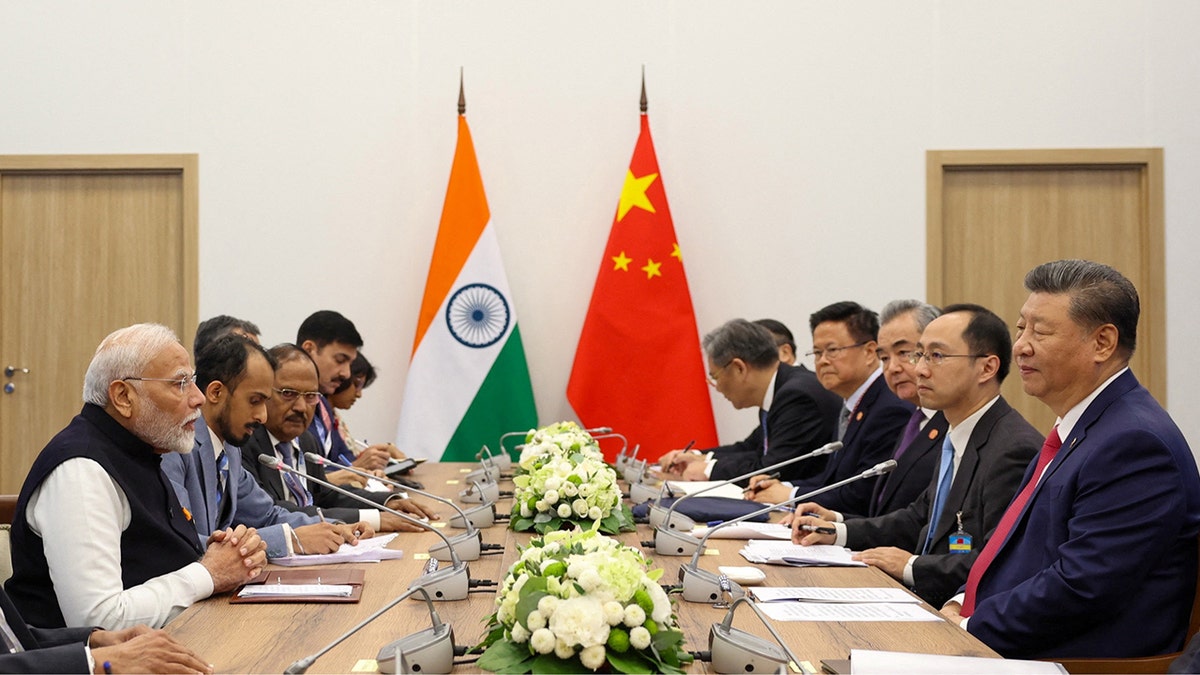
China-India relations have become a focal point of geopolitical discussions, particularly as tensions arise over the ongoing India-China border conflict. Recently, China reiterated its intention to strengthen bilateral ties despite India’s firm rejection of its attempts to assign new names to regions within Arunachal Pradesh—a territory India claims as its own. This situation has intensified the already complex Indian territory dispute, influencing both nations’ foreign policy agendas. China’s efforts to alter the nomenclature of places in Arunachal Pradesh are viewed as part of a broader strategy to assert its claims, further complicating India foreign relations. As both nations navigate this delicate landscape, it remains to be seen how such provocations will impact the pursuit of stability and cooperation in the region.
The relationship between the People’s Republic of China and the Republic of India has garnered significant attention, especially in light of recent border disputes exacerbated by China’s naming practices in disputed territories. As these two neighboring giants contend with historical grievances and territorial claims, the delicate balance of their diplomatic interactions continues to evolve. The ongoing conflict regarding the control of areas such as Arunachal Pradesh reflects not only a nationalistic struggle but also influences broader foreign policy decisions on both sides. Amid these challenges, both nations must weigh their strategic interests against the backdrop of regional stability and international alliances. In this environment of heightened scrutiny, fostering constructive dialogue becomes vital to resolving the ongoing territorial tensions.
Understanding China-India Relations Amidst Border Disputes
The relationship between China and India has been marked by a complex interplay of cooperation and conflict, especially concerning territorial disputes. Historically, both nations have faced challenges along their shared border, specifically in regions like Arunachal Pradesh and Aksai Chin. The latest assertion by India against China’s designation of ‘fictitious names’ highlights the ongoing tension surrounding the India-China border conflict. As both countries navigate their foreign policy approaches, the need for diplomatic dialogue and mutual understanding becomes increasingly critical in easing tensions.
In recent months, China has reiterated its commitment to improving relations with India, signaling a desire for stability in the region. However, New Delhi’s firm stance against any territorial alterations, including China’s renaming of Indian regions, illustrates the foundational hurdles that stand in the way of normalized bilateral relations. The interplay of national pride, historical grievances, and strategic considerations continues to complicate the path toward lasting peace and cooperation between these two powerful nations.
The Impact of China’s Foreign Policy on India
China’s foreign policy, particularly regarding its relationships with neighboring countries, reflects a strategic intent to expand its influence across Asia. The recent moves to assign new names in Arunachal Pradesh and the establishment of new administrative regions underscore a broader ambition of redefining territorial claims. This approach not only affects India-China relations but also raises concerns about stability in the wider region. By asserting its sovereignty over disputed areas, China sends a clear message about its territorial ambitions, compelling India to reaffirm its own claims and territorial integrity.
As India navigates the complexities of these assertions, its foreign policy must adapt to counter the narratives crafted by China. India’s rejection of China’s claims signifies a strong commitment to preserving its territorial integrity and a call for international attention to support its stance. The dynamics of India-China relations are influenced by these narratives, where international observers are closely monitoring how diplomatic channels can be utilized to prevent escalation while also fostering a collaborative regional environment.
Border Conflict: India’s Stance on Arunachal Pradesh
The ongoing border conflict between India and China surrounding Arunachal Pradesh remains a focal point of tension between the two nations. The Indian government has consistently opposed China’s attempts to rename regions within this state, emphasizing that such actions do not alter India’s sovereignty over the territory. This resistance is crucial, as it reflects India’s broader strategy to defend its national interests and counter Chinese assertions of territorial claims in the region.
India’s firm rejection of China’s designation of regions by ‘fictitious names’ serves not only as a statement of territorial integrity but also as a reminder of past conflicts that have shaped the current geopolitical landscape. The history of military confrontations along the Line of Actual Control (LAC) highlights the fragility of peace between India and China. Thus, any attempts to normalize relations must take into account the sensitivities surrounding territorial disputes and the need for respectful dialogue.
India’s Response to Chinese Proposals for Normalization
In light of China’s recent proposals to normalize bilateral relations, India has maintained a cautious approach, underscoring the premise that stability in the region hinges on respect for territorial integrity. The explicit rejection of China’s attempts to redefine borders highlights India’s commitment to a principled stance on its sovereignty. This response not only reinforces India’s position in international forums but also serves as a reminder to China that any dialogue must be predicated on mutual respect and acknowledgment of existing realities.
Moreover, India’s foreign relations strategy encompasses a multi-faceted approach, including strengthening ties with other nations to mitigate China’s rising influence. India is increasingly looking towards building alliances that emphasize sovereignty and territorial claims in tandem with its strategic interests in Asia. By advocating for a balanced and rule-based international order, India aims to reshape its relations with China while bolstering its own national security.
The Strategic Significance of Aksai Chin
Aksai Chin, a strategically significant region for both India and China, has been a contentious point in their bilateral relations. This area not only serves as a vital corridor for Chinese trade routes but also represents a critical point of contention given India’s claims over it. China’s recent establishment of administrative counties in this disputed region further complicates the dynamics of their relationship, as India views such moves as encroachments on its sovereignty.
The implications of Aksai Chin in the context of India-China relations extend beyond mere territorial disputes; they encapsulate broader strategic interests. For China, control over this region facilitates access to connectivity with Central Asia, while for India, Aksai Chin’s significance lies in its geographic and strategic value in defending its northern borders. This ongoing tug-of-war necessitates a cautious and informed diplomatic approach by India to address the regional implications of China’s ambitions.
India’s Territorial Integrity vs. China’s Historical Claims
The discourse surrounding India’s territorial integrity in relation to China’s historical claims is pivotal to understanding the complexities of their bilateral relations. India firmly asserts that Arunachal Pradesh and Aksai Chin are integral parts of its national territory, supported by historical treaties and legal frameworks that define these boundaries. In contrast, China’s reliance on historical claims positions its foreign policy as one that seeks to redefine borders based on narratives dating back centuries, further complicating any potential reconciliation.
As India continues to assert its sovereignty, it must also contend with the broader implications of Chinese claims that challenge international norms. Engaging in robust diplomatic discussions with global partners can help India counter these narratives and seek support for its position on territorial disputes. The convergence of historical grievances and contemporary policies requires a proactive approach from India to safeguard its interests while navigating the complex web of regional geopolitics.
Navigating Bilateral Ties: Opportunities for Cooperation
Despite ongoing tensions, there are opportunities for India and China to navigate their bilateral ties towards a more cooperative framework. Areas such as trade, climate change, and regional stability present avenues for both countries to collaborate while setting aside contentious border issues. Constructive dialogue can facilitate mutual benefits and showcase a commitment to fostering a peaceful coexistence that can ultimately contribute to stability in Asia.
India’s engagement with China on platforms like BRICS and the Shanghai Cooperation Organization indicates a willingness to pursue collaboration despite differences. By focusing on shared interests, both nations can work towards de-escalating tensions and establishing a foundation for improved relations. This approach may involve participating in multilateral dialogues that emphasize economic partnerships and cultural exchanges, thereby transforming adversarial interactions into opportunities for growth and mutual understanding.
Implications of Name Changes on India-China Relations
China’s recent decision to publish names for various regions in Arunachal Pradesh marks a significant moment in the country’s foreign policy strategy. These name changes are seen by India as attempts to alter the narrative surrounding contentious territorial claims, which could further strain relations. Such moves provoke nationalist sentiments within India, reinforcing the government’s hardline stance against Chinese assertions, which complicates any possibilities for reconciliation.
The implications of these name changes extend beyond the immediate diplomatic strife, influencing public perception and political discourse within both nations. For India, the perception of an aggressive China seeking to undermine its territorial integrity can mobilize public support for a more assertive foreign policy. Conversely, China’s strategy may reflect its broader regional ambitions, with each move being observed closely by other countries in the region, thus shaping the future trajectory of India-China relations.
The Role of International Community in India-China Disputes
The international community plays a crucial role in mediating and influencing the dynamics of the India-China dispute. Events such as the border conflicts and contested narratives require greater attention from global powers and organizations to foster dialogue and prevent escalation. As nations navigate the complex web of alliances and conflicts, the input of international stakeholders is essential in advocating for peaceful resolutions and addressing the underlying issues that fuel discord.
Engagement from the international community can also help in addressing and clarifying the narratives surrounding territorial disputes. By emphasizing adherence to international law and promoting multilateral dialogue, countries can facilitate a more systematic approach to conflict resolution. This involvement not only could ease tensions between India and China but also contribute to a more stable and secure regional environment where both countries can coexist peacefully.
Frequently Asked Questions
What are the recent developments in China-India relations regarding the Arunachal Pradesh border conflict?
Recent developments in China-India relations highlight tensions over the Arunachal Pradesh border conflict, especially following China’s announcement to assign new names to regions within this area, which India claims as its territory. India’s government has strongly rejected these efforts, reiterating its stance that such actions do not alter the reality of Indian sovereignty over Arunachal Pradesh.
How has India responded to China’s new names for territories in Arunachal Pradesh?
India has categorically dismissed China’s attempts to assign new names to Arunachal Pradesh, labeling them as ‘fictitious names’ for Indian territory. This strong response underlines India’s commitment to uphold its territorial claims and emphasizes that such narratives from China will not influence its stance on the border dispute.
What is the impact of China’s foreign policy on its relationship with India?
China’s foreign policy, particularly regarding assertions of territorial claims and naming conventions, has a significant impact on its relationship with India. The recent efforts to assert authority over regions like Arunachal Pradesh could hinder diplomatic efforts and exacerbate existing disputes, thereby complicating bilateral relations.
What is the significance of the India-China border conflict in current foreign relations?
The India-China border conflict remains a critical issue affecting foreign relations in the region. It not only influences bilateral ties between the two nations but also impacts strategic alliances in South Asia and beyond, as both countries navigate their positions on territorial integrity and national sovereignty.
How often does China attempt to change the names of territories in the India-China border dispute?
Since 2017, China has made several attempts to change the names of territories in the India-China border dispute, specifically in Arunachal Pradesh. These actions have consistently drawn objections from India, reaffirming its claim and the sovereignty it holds over the region.
What role does the Arunachal Pradesh name dispute play in China-India relations?
The Arunachal Pradesh name dispute plays a significant role in China-India relations as it symbolizes the ongoing territorial disagreements between the two nations. Despite calls for improved bilateral ties, these naming disputes serve as a reminder of unresolved tensions that complicate diplomatic efforts.
| Key Points | Details |
|---|---|
| China’s Policy on India | China claims that its policy to improve relations with India remains unchanged despite disputes. |
| Fictitious Names | India rejects China’s assignment of fictitious names to its territory, asserting that such actions do not alter reality. |
| New Territories by China | China established a third administrative county in Aksai Chin, further complicating territorial disputes. |
| Chinese Claims | China refers to Arunachal Pradesh as ‘Zangnan’ and does not acknowledge India’s claims. |
| India’s Strong Response | India’s External Affairs Ministry firmly dismissed China’s naming attempts, emphasizing its territorial integrity. |
| Prospects of Relations | Despite tensions, China states that it hopes for cooperation and constructive interactions with India. |
Summary
China India relations are marked by longstanding territorial disputes, especially concerning Arunachal Pradesh and Aksai Chin. Despite China’s reaffirmation of its strategies to develop ties with India, India’s firm rejection of China’s naming of territories illustrates the persistent challenges in diplomatic relations. Both nations must navigate these complexities to foster a more stable and constructive relationship.