

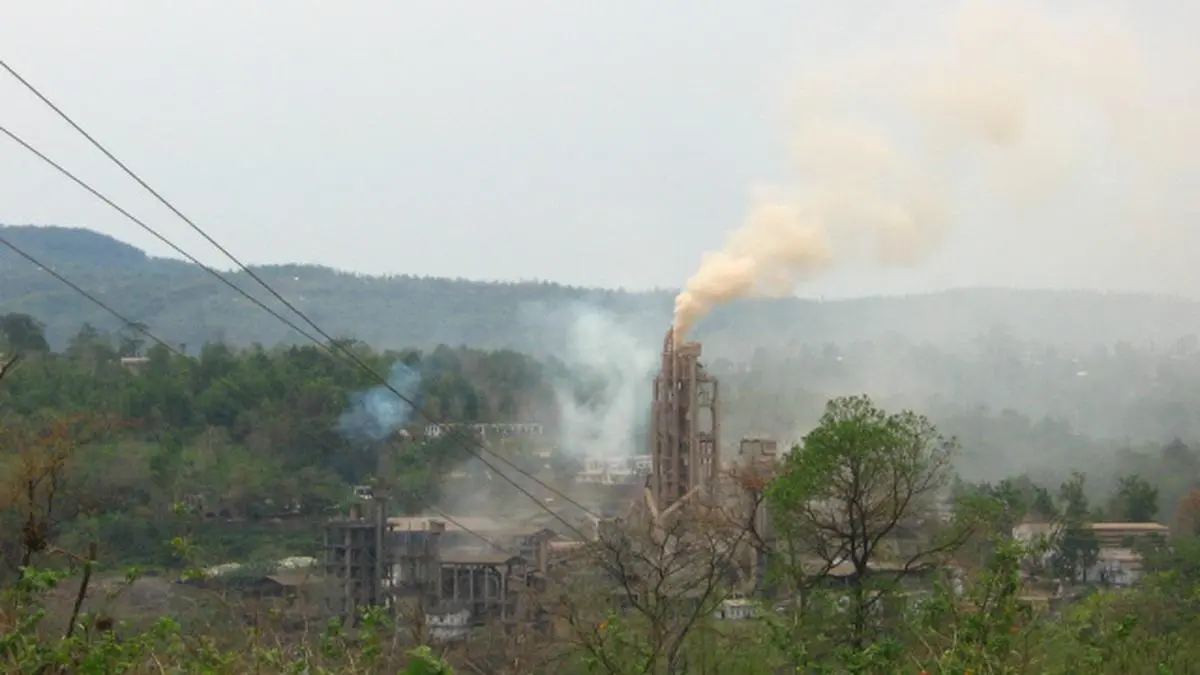
In Assam’s Dima Hasao district, tensions are mounting as local residents escalate their protests against the National Highways Authority of India (NHAI) over highway construction issues that have left their farmland severely damaged. Dolaichunga village, situated under the Harangajao area, has witnessed villagers rallying for land compensation after ongoing construction ravaged their agricultural fields. With a looming 48-hour ultimatum set for the NHAI to address their demands, the villagers are prepared to obstruct the crucial Silchar–Saurashtra East-West Corridor project if their compensation claims remain unresolved. The unrest highlights a broader context of farm damage protests, revealing the community’s struggles against development that threatens their livelihoods. As the situation unfolds, Guwahati news outlets closely monitor these disputes, emphasizing the urgent need for dialogue and resolution.
The ongoing civil unrest in Dima Hasao, characterized by local inhabitants rallying against the NHAI, is drawing attention to significant issues arising from highway development projects. Residents of the affected Dolaichunga settlement are firmly demanding reparations for critical agricultural disruptions caused by the ongoing construction work. As discontent rises over land compensation delays, the community’s collective actions have spotlighted a mounting crisis surrounding environmental trade-offs and infrastructural advancement. With the possibility of halting vital road extension endeavors, these demonstrations underscore broader themes of community rights and agrarian concerns amidst state-driven infrastructure improvements. Such grassroots movements are pivotal in bringing to light the intricate balance between development benefits and the preservation of local livelihoods.
Dima Hasao Protests: A Growing Demand for Fair Compensation
The Dima Hasao protests have gained significant attention as villagers from Dolaichunga have raised their voices against the adverse effects of the ongoing highway construction project. The residents are not merely protesting against the disruption of their daily lives, but are demanding fair compensation for the farmland that has been severely damaged due to constant construction activities. There have been reports of crops being destroyed, which is detrimental to the local agricultural economy. The protesters believe that their livelihood has been jeopardized, and they are looking for immediate redress to rectify this situation.
As the deadline set by the villagers approaches, tensions are running high. The community has witnessed government representatives assuring them of compensation in the past, promises that have ultimately remained unfulfilled. This has led to a deep sense of distrust and anger among the locals, prompting them to escalate their protests. Their determination to halt the Silchar–Saurashtra East-West Corridor road project underscores the significance of land compensation in the discourse surrounding highway construction issues in Assam.
Highway Construction Issues: Land Compensation in Dima Hasao
Highway construction issues often arise in regions where development impinges on agricultural and residential land. In Dima Hasao, the ongoing highway project has fueled discontent among locals whose farmland has sustained notable damage. Despite assurances from the National Highways Authority of India (NHAI), families in Dolaichunga have seen little resolve to their grievances, leading to an uproar that threatens to obstruct key infrastructure development. This situation emphasizes the need for effective communication and proper compensation frameworks in managing large-scale construction projects.
Locals have pointed out that the agreements made during joint inspections conducted by NHAI and local authorities have not translated into tangible benefits. The residents of Dolaichunga believe that their rights as landowners and farmers have been overlooked in the face of progress. As discussions surrounding highway construction continue, it’s vital for authorities to prioritize land compensation to mitigate farm damage protests and build trust with the local communities impacted by these developments.
Guwahati News: Dima Hasao’s Ongoing Unrest
Recent Guwahati news highlights the escalating protests in Dima Hasao, showcasing the villagers’ urgent call for justice as they confront the repercussions of a major highway project. The sustained agitation has attracted media coverage, drawing attention to the plight of farmers and households relying on their lands for sustenance. The persistence of the Dolaichunga villagers in their demands underscores the broader issue of land rights and compensation in India, especially regarding the balance between development and community welfare.
As protestors maintain their stance against the NHAI, the regional administration is urged to revisit their policies on land compensation and environmental assessment. The ongoing situation in Dima Hasao calls for a reassessment of highway construction practices that disregard the immediate needs of local populations. By integrating community feedback and ensuring compensatory measures are adequately addressed, authorities can work towards a more sustainable development model that benefits both infrastructure projects and the rights of affected residents.
Land Compensation Disputes: The Heart of Dima Hasao’s Protests
At the center of the Dima Hasao protests lies the contentious issue of land compensation disputes. Farmers who have seen their lands impacted by the ongoing highway construction argue that the lack of compensation signifies a neglect of their rights. The history of unresolved claims and unfulfilled promises has led to mistrust between the local farmers and authorities, resulting in a volatile protest atmosphere. Moreover, such disputes not only harm the immediate community but also impede the progress of significant infrastructure projects that are crucial for regional development.
The land compensation issue exemplifies the delicate balance policymakers must strike between development and social justice. As villagers express their frustration, it becomes imperative for officials to acknowledge and address the legitimate concerns raised during these protests. A transparent compensation process, along with community involvement in decision-making, could alleviate tensions and foster a more cooperative environment between residents and the NHAI.
Farm Damage Protests: A Call for Accountability
Farm damage protests in Dima Hasao have placed a spotlight on the need for accountability from development agencies like the NHAI. Farmers in Dolaichunga village have taken to the streets not purely out of anger, but in a desperate attempt to hold authorities responsible for the negative consequences of highway construction on their lands. The financial loss resulting from crop destruction has prompted villagers to demand an urgent review of compensation policies, as they feel their livelihoods are being sacrificed for the sake of infrastructural progress.
Such farm damage protests serve as a reminder of the responsibilities that come with executing large public works. It is crucial for the NHAI and local governments to recognize the impact of their projects on agricultural lands and communities. Establishing a fair compensation protocol and engaging in open dialogue with affected farmers could pave the way for resolving disputes while ensuring that both development and community welfare can coexist.
NHAI Disputes and Community Reactions in Dima Hasao
NHAI disputes have increasingly become a pressing issue in Dima Hasao, where construction projects have often created friction between the agency and local residents. As villagers grow weary of the constant assurance of compensation for their damaged lands, the disputes illustrate the urgent need for resolution strategies that include community perspectives. The role of NHAI is pivotal; effectively addressing concerns raised by the villagers could not only resolve current tensions but also help in restoring faith in public administrative protocols.
The ongoing disputes reflect the challenges that come with large infrastructure projects, often overlooking the socio-economic realities faced by impacted populations. A collaborative approach, integrating rigorous assessments of land usage and damage, could significantly improve community relations. As the Dima Hasao protests unfold, they underline a vital lesson: any roadmap for development needs to include a thorough understanding of how projects affect local livelihoods before they commence.
Implications of Dima Hasao Unrest on Regional Development
The unrest in Dima Hasao due to ongoing protests highlights significant implications for regional development plans. The current scenario raises questions about the effectiveness of project planning and community engagement, which are essential for sustainable development. As locals express their frustrations regarding land compensation and ongoing highway construction issues, it reflects a broader concern for how government projects can disrupt established communities and agricultural practices.
If the issues surrounding compensation are not addressed promptly, there could be a long-term impact on the progress of the Silchar–Saurashtra East-West Corridor project, as residents vow to continue their protests until their demands are met. This tension serves as a critical reminder for policymakers to reevaluate their strategies concerning land acquisition and compensation, ensuring that community needs are prioritized alongside development goals.
Building Trust: Future Steps for NHAI in Dima Hasao
Building trust between local populations and the NHAI is essential for the successful execution of highway construction in Dima Hasao. To mitigate ongoing protests, the agency must adopt a more transparent approach to land compensation and engage actively with communities affected by infrastructure projects. By prioritizing open communication and showing genuine concern for the livelihoods of locals, NHAI can foster a cooperative environment that is conducive to development.
Future steps taken by the NHAI should include timely assessments of land damage and clear parameters for compensation payouts. Involving community representatives in discussions and decisions regarding construction impacts could significantly enhance trust-building efforts. As the residents of Dima Hasao continue to fight for their rights, a commitment to fair practices from authorities can not only resolve existing disputes but pave the way for future developments grounded in respect and accountability.
Frequently Asked Questions
What are the main concerns of the Dima Hasao protests related to highway construction issues?
The Dima Hasao protests primarily center around the demand for compensation from the National Highways Authority of India (NHAI) due to farmland damage caused by an ongoing highway construction project. Residents of Dolaichunga village allege that their agricultural fields and plantations have been severely impacted without any compensation being provided, despite previous assurances from local authorities and the NHAI.
| Aspect | Details |
|---|---|
| Location | Dolaichunga village, Dima Hasao district, Assam |
| Nature of Protest | Demand for compensation for farmland damaged by highway construction |
| Responsibility | National Highways Authority of India (NHAI) |
| Deadline | A 48-hour ultimatum for compensation release |
| Impact | Destruction of crops and agricultural fields due to construction activity |
| Previous Interactions | Assurances made by authorities during joint inspections but not honored |
| NHAI’s Response | Ongoing verification process for compensation regarding newly affected areas |
| Potential Actions | Possibility of obstructing the Silchar–Saurashtra East-West Corridor project if demands are not met |
Summary
Dima Hasao protests have gained significant attention as residents of Dolaichunga village demand urgent compensation for farmland irrevocably damaged by an ongoing highway construction project. This unrest stems from the locals’ frustration over repeated assurances from authorities that have not been fulfilled. Despite previous inspections and discussions with the National Highways Authority of India (NHAI), the promised compensation has not been released, leading villagers to set a firm deadline for action. Protests in Dima Hasao reflect the broader struggles of communities directly affected by development projects, highlighting the essential need for governmental accountability and responsiveness to the concerns of local populations.



























