

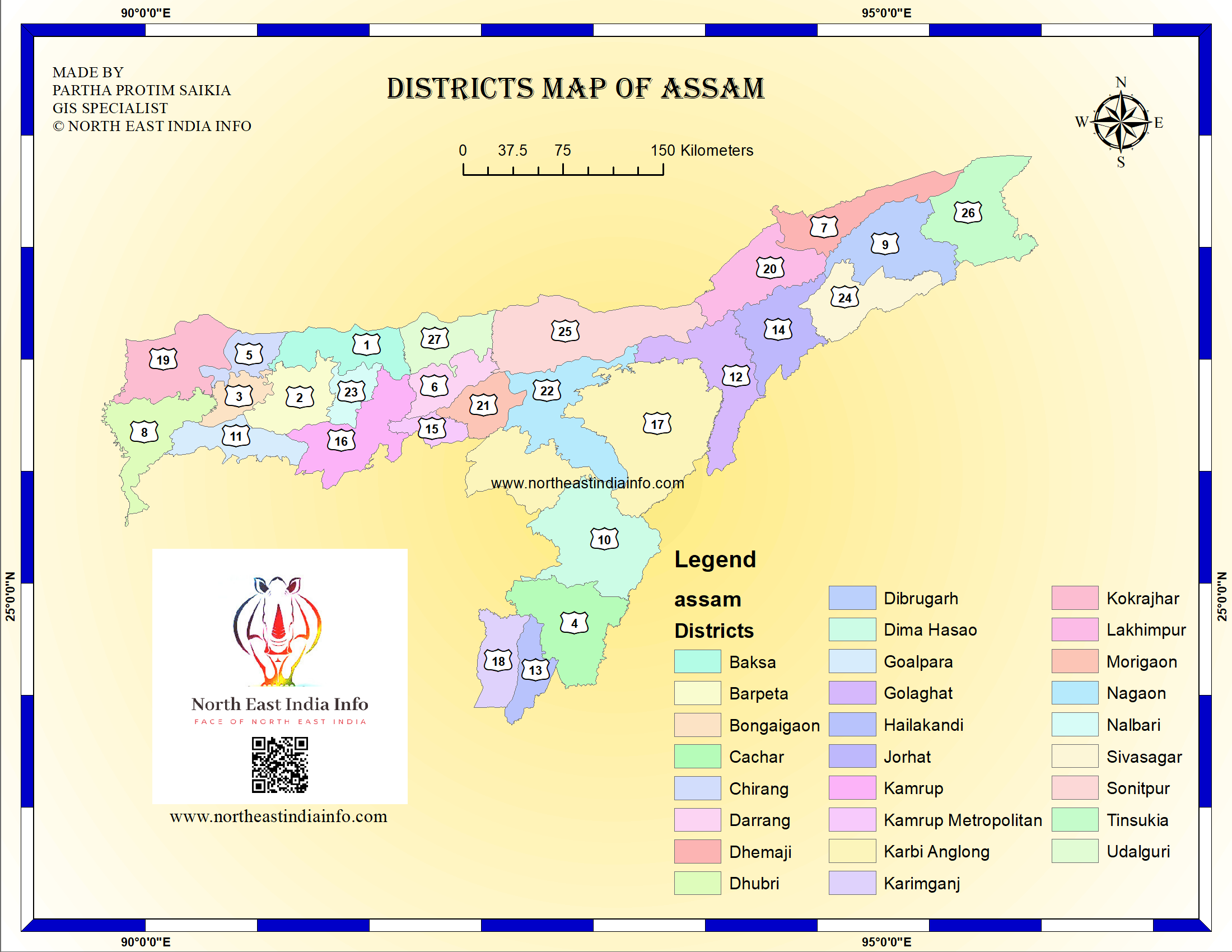
The Guwahati Delimitation Bill has ignited intense discussions across Assam, as the Assam Jatiya Parishad (AJP) launches a fierce campaign against it. This proposed legislation aims to redefine electoral boundaries, but concerns about its impact on political representation in Assam loom large. AJP leaders are particularly worried that the adjustments could lead to a dilution of indigenous Assamese rights, potentially favoring more populous states at the expense of Northeast representation. Additionally, the fear of cultural erosion is palpable, as claims of “Hindi-fication” take center stage in the debate. As the dialogue evolves, the AJP urges a collective effort to ensure that Assam’s unique cultural identity remains intact amidst the complexities of political restructuring.
The proposed electoral restructuring known as the Guwahati Delimitation Bill has raised significant apprehension among various stakeholders in Assam. Leading this discourse is the Assam Jatiya Parishad (AJP), raising alarms about potential consequences for indigenous communities and local representation. As representatives emphasize the importance of maintaining Assam’s cultural heritage, they highlight the risks that such legislative changes could pose to the demographics of political representation in the region. The party codependency is focused on protecting ancestral rights for the indigenous Assamese against outside influences, which they fear could disrupt the local ethnolinguistic landscape. By fostering a narrative around safeguarding Assam’s identity, the AJP aims to rally support against the perceived threats posed by the bill.
Understanding the Guwahati Delimitation Bill and Its Implications
The Guwahati Delimitation Bill represents a significant shift in the electoral landscape of Assam, aiming to redefine electoral boundaries based on the latest census data. This undertaking is constitutionally mandated but has raised considerable concerns among regional parties like the Assam Jatiya Parishad (AJP). Party leaders have pointed out that while delimitation can enhance electoral fairness, it poses serious threats to the unique demographic and cultural identity of Assam. They argue that arbitrary adjustments may lead to distorted political representation, especially for smaller states that may struggle to maintain their voice amidst populous regions like Uttar Pradesh and Bihar.
As the AJP highlights, the consequences of implementing the Guwahati Delimitation Bill could extend beyond mere electoral boundaries. The potential scaling up of Lok Sabha seats could disproportionately benefit larger states and inadvertently dilute the representation of indigenous Assamese communities. This calls for a careful examination of how delimitation exercises are conducted, ensuring they honor the cultural and demographic nuances of Assam, preserving its societal fabric against the tides of homogenization. Only then can the voices of the ‘Khilonjiya’ people and other indigenous groups be adequately safeguarded through electoral means.
Cultural Concerns and Political Representation in Assam
The political discourse surrounding the Guwahati Delimitation Bill has ignited fierce debates about cultural representation within Assam. The Assam Jatiya Parishad strongly emphasizes that the pending changes may lead to an influx of candidates who lack a genuine understanding of the Assamese culture, language, and local dynamics. As the region grapples with a trend often referred to as ‘Hindi-fication,’ the AJP raises a red flag against candidates from outside Assam who may not respect or embrace the state’s rich cultural heritage. Such a phenomenon threatens the harmony and distinctiveness of local identities, which have been foundational throughout Assam’s history.
Furthermore, the party’s call for fluency in Assamese among candidates vying for election reflects a broader yearning to protect and preserve indigenous rights and representation. The AJP argues that political representatives should not only be linguistically competent but also attune to the historical and socio-political landscape of the state. The party’s proactive stance in advocating for a solid legal framework to recognize and protect the rights of indigenous Assamese communities is pivotal in maintaining their political influence and ensuring that their land rights remain intact. This approach seeks to empower local voices against the overshadowing influences of outside political forces.
The Role of Indigenous Communities in Assam’s Political Landscape
Indigenous communities play a crucial role in shaping Assam’s political narrative, which is increasingly being challenged by external intrusions due to the proposed Guwahati Delimitation Bill. The AJP’s concerns illustrate a broader issue about the preservation of political representation for these communities amidst ongoing changes in electoral dynamics. The party contends that ensuring the rights and interests of indigenous peoples is not simply a cultural imperative but also a moral obligation that informs the foundations of Assamese identity and governance. As demographic shifts occur, ensuring equitable representation for indigenous groups becomes vital to uphold their rights.
Indigenous Assamese rights have become a focal point of activism and political discourse, emphasizing the need for systemic changes to protect these communities. The assertion by the AJP demanding residency for candidates represents a strategic move to empower locals and establish a political arena that genuinely reflects the demographic and societal fabric of Assam. By demanding that political representatives possess verifiable local connections, the AJP highlights the importance of having leaders who can authentically advocate for indigenous issues. This discourse is pivotal not just for political representation but also for the cultural integrity and future of Assam.
Strategic Responses to the Proposed Delimitation
In response to the Guwahati Delimitation Bill, the Assam Jatiya Parishad has proposed that regional political entities unite in opposition to safeguard their interests. This call to action emphasizes not only an organizational response but also a collective recognition of the unique challenges faced by Assamese culture amidst national political shifts. The party’s leadership encourages a multifaceted strategy that encompasses legal mechanisms and grassroots mobilization to create a formidable barrier against measures that threaten indigenous representation and rights. Their vision promotes collaboration among local political groups as a means to foster resilience and resourcefulness.
The necessity for a united front stems from the alarming implications of the delimitation exercise on Assam’s socio-political ecology. Local activists and political leaders are urged to learn from past experiences surrounding electoral reforms that marginalized indigenous voices, particularly during previous delimitation attempts. By galvanizing local support and fostering solidarity among various communities throughout Assam, the AJP aims to ensure that the subsequent implementation of electoral laws genuinely serves to protect and uplift the voices of all Assamese, particularly the indigenous populations that have historically been integral to the state’s identity.
Impacts of Electoral Changes on Assam’s Demographic Diversity
The electoral reforms encapsulated in the Guwahati Delimitation Bill present both opportunities and challenges for Assam’s diverse demographic. On one hand, redefining electoral boundaries based on the latest census data could theoretically allow for more equitable representation within the state’s legislature. However, as articulated by the Assam Jatiya Parishad, the concerns revolve around how such changes can disproportionately favor regions with higher populations, thereby undermining the voices of smaller, indigenous communities. These communities are not merely percentages in a demographic chart; they represent a rich tapestry of culture and identity that deserves acknowledgment.
Moreover, the demographic complexity of Assam necessitates an electoral approach that goes beyond numbers. As the AJP posits, the quality of representation is just as crucial as the quantity. For the indigenous Assamese, especially in the face of potential marginalization through the influx of external candidates lacking local ties, fostering a political environment anchored in cultural understanding is paramount. Thus, discussions around delimitation must integrate recognition of cultural diversity, ensuring that any electoral changes are enacted thoughtfully, preserving the essence of Assam as a mosaic of traditions and identities.
Navigating Concerns Over Political Rights and Representation
As the Guwahati Delimitation Bill unfolds, the Assam Jatiya Parishad shines a spotlight on the intersection of political rights and cultural representation. The party’s resistance stems from a deep concern regarding the political representation of Assam’s indigenous peoples and how proposed electoral changes may impact their rights. The assertion that representation should be both political and cultural reflects an understanding that governance extends beyond policies; it involves the preservation of local heritage and languages that are central to Assamese identity. The AJP’s call for legislative frameworks to protect indigenous rights underscores an urgent need for political accountability.
Navigating these concerns requires a delicate balance—one that respects the constitutional mandate of delimitation while acknowledging the unique cultural landscape of Assam. The AJP’s proactive proposals advocate for a representation model that prioritizes local knowledge and linguistic proficiency, thereby ensuring that the voices of Assam’s traditional communities are amplified and their rights are enshrined. This reinforces the call for policymakers to engage in meaningful dialogue with local stakeholders, aiming to establish frameworks that safeguard the political integrity of Assam while adapting to the evolving demographic realities.
Regional Cooperation Against Federal Electoral Policies
The opposition to the Guwahati Delimitation Bill is not merely a local issue but a pressing collective challenge that invites regional cooperation. The Assam Jatiya Parishad has recognized the importance of building alliances with other regional parties to enhance their influence against proposed federal electoral policies that threaten local representation. This cooperative approach underscores the significance of solidarity in an era where demographic shifts may dilute the political power of smaller states. By fostering united fronts, Assamese communities can reinforce their stance against policies that marginalize them and advocate for frameworks grounded in local realities.
Collaborative efforts among regional entities, like the AJP’s call for unity, serve to amplify collective voices in the legislative arena. Establishing coalitions that address shared concerns over cultural representation and political rights is essential for effecting meaningful changes to the Guwahati Delimitation Bill. Additionally, the formation of such alliances enables a confluence of diverse strategies aimed at preserving Assam’s cultural integrity while navigating pressures from national agendas. A united front can thus serve as a bulwark against electoral policies that overlook the intrinsic value of Assamese heritage.
Future Implications of the Delimitation Process for Assamese Identity
The future implications of the Guwahati Delimitation Bill stretch far beyond immediate electoral changes; they resonate with the essence of Assamese identity itself. The apprehensions voiced by the Assam Jatiya Parishad highlight the intrinsic link between political representation and cultural preservation. As delimitation potentially reshapes constituencies, there’s a pressing concern about the dilution of Assamese identity amidst changing demographic realities. This calls for a proactive approach to ensure that cultural representation is firmly entrenched within the political framework, thereby safeguarding the values and traditions that define Assam.
As Assam navigates these challenging waters, it becomes crucial for civic leaders, political parties, and community activists to engage in reflective dialogue that centers on the future of Assamese identity within a broader national context. There exists an urgent demand for policies that can adapt to social changes while simultaneously protecting indigenous rights and cultural heritage. The AJP’s initiatives to promote local candidates grounded in indigenous experiences represent a pathway to a more inclusive political future, where Assamese culture retains its significance amidst evolving electoral landscapes. By addressing these fundamental issues, Assam can preserve its identity and ensure that its diverse voices continue to resonate through its political representation.
Frequently Asked Questions
What are the concerns of the Assam Jatiya Parishad regarding the Guwahati Delimitation Bill?
The Assam Jatiya Parishad (AJP) has raised significant concerns regarding the Guwahati Delimitation Bill, stating that while delimitation is a constitutional requirement, it must respect Assam’s unique cultural and demographic identity. They fear that the proposed expansion of Lok Sabha seats, based on the 2011 Census, may disproportionately favor populous states like Uttar Pradesh and Bihar, resulting in diminished political representation for Northeast regions, including Assam. Additionally, they express apprehensions over the potential ‘Hindi-fication’ of the state’s political landscape due to the influx of non-local candidates who may not understand Assamese culture and language, further marginalizing indigenous Assamese rights and identities.
| Key Point | Details |
|---|---|
| Opposition to Delimitation Bill | The Assam Jatiya Parishad (AJP) strongly opposes the proposed Delimitation Bill, emphasizing the need for a careful approach that respects Assam’s unique cultural identity. |
| Concerns Over Political Representation | AJP warns that increasing Lok Sabha seats based on the 2011 Census might dilute representation for smaller states like Assam, favoring populous states instead. |
| Cultural Identity Risks | The party is worried about the trend of ‘Hindi-fication’ and the growing number of non-local candidates threatening Assam’s linguistic and cultural uniqueness. |
| Marginalization of Indigenous Communities | AJP believes that non-local candidates could undermine local political representation and dilute indigenous community interests. |
| Call for Language and Residency Requirements | AJP proposes that candidates for indigenous or unreserved seats should be fluent in Assamese and have a long history of residency in Assam. |
| Legal Framework for Indigenous Rights | The AJP advocates for legislation to recognize and protect the political representation and land ownership rights of indigenous Assamese communities. |
| Unity Among Regional Parties | The party stresses the importance of regional political unity to resist the proposed delimitation changes that could harm Assam’s long-term interests. |
Summary
The Guwahati Delimitation Bill has sparked significant debate, particularly from the Assam Jatiya Parishad (AJP), which highlights critical concerns regarding cultural identity, political representation, and the rights of indigenous communities. The AJP’s opposition underscores the belief that while delimitation is a constitutional necessity, its implementation must prioritize the unique demographic and cultural landscape of Assam. As discussions surrounding the bill continue, it is vital for stakeholders to address these concerns to safeguard the interests of all communities in the state.



























