

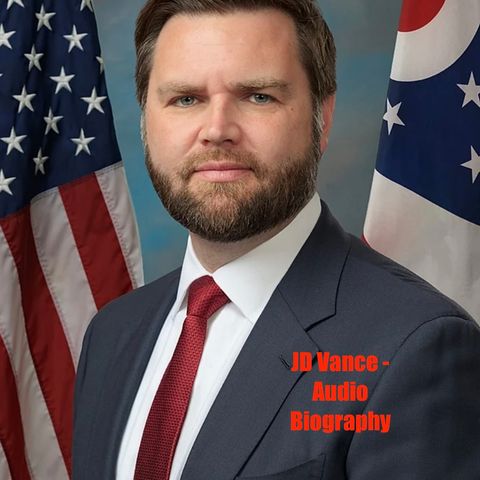
The H-1B visa is a critical aspect of the U.S. immigration policy, particularly as discussions intensify around its regulation and reform. Recently, Vice President JD Vance has reiterated the Trump administration’s stringent approach towards the H-1B visa program, raising concerns about potential H-1B visa fraud while also acknowledging the contributions of many immigrants who enrich the nation. This nuanced stance reflects a broader skepticism about the influx of foreign talent juxtaposed against a backdrop of national loyalty expectations. As the H-1B visa continues to swirl in controversy, it’s essential to understand the implications of Vance’s remarks in the context of U.S. immigration policy. The ongoing debate over the future of the H-1B visa program is shaping the landscape for skilled workers seeking opportunities in America.
The employment-based immigration system in the U.S., especially related to skilled worker visas, faces considerable scrutiny amid shifts in policy and public opinion. Recently, discussions led by figures such as Vice President JD Vance highlight the ongoing tension in the immigration debate, particularly regarding the H-1B visa framework. This has raised critical thoughts about the legitimacy and effectiveness of the visa process, touching on topics such as potential misuse and public distrust. While some view immigration as a vital contributor to the economy, others perceive it through the lens of loyalty and integration challenges. Ultimately, the conversation around temporary work visas like the H-1B remains central to the evolving narrative of U.S. immigration.
Understanding the H-1B Visa Program
The H-1B visa program serves as a pathway for highly skilled foreign workers to contribute to the U.S. economy, particularly in fields such as technology, engineering, and medicine. However, the program has often been overshadowed by concerns regarding its integrity and the potential for abuses, including H-1B visa fraud. The debate over the program has intensified in recent years, especially with political figures like JD Vance expressing skepticism about the motives behind the influx of foreign workers. Vance’s stance echoes larger themes within U.S. immigration policy that prioritize national loyalty and skill over simply increasing labor availability.
Critics of the H-1B visa program argue that it can lead to wage suppression for domestic workers and create an environment where companies are incentivized to hire foreign talent over local workers. Advocates, however, contend that many H-1B recipients possess skills that are essential to the growth and innovation of American industries. This conversation is not just about immigration; it shapes the nation’s economic strategies and technological advancements, contributing to ongoing discussions around immigration reform and workforce development.
JD Vance’s Immigration Stance and Its Implications
JD Vance’s reaffirmation of the Trump administration’s immigration policies marks a significant shift toward more stringent regulations governing work visas, particularly the H-1B visa program. By characterizing ‘loyalty’ as a critical metric for evaluating immigrants, Vance indicates a renewed focus on ensuring that foreign workers not only possess the necessary skills but also align with broader national values. This perspective is consistent with the Trump administration’s emphasis on prioritizing American workers while scrutinizing immigrant contributions and motivations.
Vance’s comments suggest that the dialogue surrounding immigration is becoming increasingly polarized, reflecting an ongoing concern about national security and economic integrity. By questioning the efficacy of the H-1B visa program, he aligns himself with a faction of policymakers advocating stricter controls to mitigate potential fraud and protect American jobs. The implications of such a stance could lead to a reevaluation of existing immigration policies and a push for legislative changes aimed at reinforcing the criteria for work visas.
The Impact of H-1B Visa Fraud on U.S. Immigration Policy
H-1B visa fraud remains a pressing issue that not only undermines the integrity of the program but also affects broader U.S. immigration policy. Instances of fraud have been cited as reasons for stricter oversight and regulation of the visa application process, representing a threat to both American workers and the genuine needs of businesses looking for skilled professionals. Allegations of visa misuse, from fabricated job offers to employment not actually occurring, raise questions about the effectiveness of the current system and the potential exploitation of foreign workers.
As policymakers assess the implications of H-1B visa fraud, they confront the challenge of balancing the competitiveness of American industries with the necessity of protecting domestic labor standards. Legislative measures may include tighter requirements for employers seeking to sponsor H-1B candidates, enhancing monitoring mechanisms, and increasing penalties for those found guilty of violating immigration laws. It’s crucial for U.S. immigration policy to find solutions that both foster innovation and uphold the principles of fairness and opportunity.
Cultural Contributions of H-1B Workers
Despite the criticisms surrounding the H-1B visa program, many immigrants have made significant cultural and economic contributions to the United States. Figures such as Second Lady Usha Vance exemplify the positive impact of immigrants who have successfully integrated into American society, showcasing how diverse backgrounds can enhance the nation’s cultural fabric. Vance’s acknowledgment of successful immigrants underlines the importance of recognizing their contributions beyond mere economic metrics.
The discourse on immigration often overlooks the stories of individual immigrants who enrich the cultural landscape of the U.S. Through their unique perspectives, artisanship, and entrepreneurial endeavors, H-1B workers help drive innovation and cultural exchange. As the nation reevaluates immigration policy, celebrating these contributions can help bridge divides and foster a more inclusive dialogue about the role of immigrants in America.
The Future of the H-1B Visa Under Changing Political Landscapes
As political attitudes towards immigration continue to evolve, the future of the H-1B visa program remains uncertain. Under leaders like JD Vance who advocate for stricter policies, changes could be on the horizon that could redefine how foreign talent is sourced and integrated into the workforce. The ongoing debate touches on critical themes of national identity, economic necessity, and the imperative of protecting domestic jobs while remaining competitive in a globalized economy.
The potential for dramatic shifts in U.S. immigration policy underpins the importance of stakeholders from both sides of the debate finding common ground. By emphasizing cooperation over division, and recognizing the necessity of skilled workers in maintaining an innovative economy, it is possible to shape policies that uphold American values while addressing concerns over employment and national security. Future developments will likely continue to provoke dialogue about the role of the H-1B visa in American society.
Critics and Supporters of H-1B Visa Program Discuss Future
The ongoing discussion surrounding the H-1B visa program involves a dynamic range of voices, from skeptics who warn of potential fraud to advocates praising the innovation brought by foreign professionals. Critics often highlight stories of wage suppression and job displacement, asserting that widespread misuse of the program jeopardizes its original intent to fill specialized labor shortages. This tension reflects broader anxieties within the labor market, reiterating the need to scrutinize how policies can better serve both American and immigrant workers.
On the other hand, supporters argue that the influx of skilled workers through programs like the H-1B visa has contributed significantly to economic growth and technological advancement in the U.S. They emphasize the importance of attracting top talent from around the world, which fuels innovation and maintains America’s competitive edge in the global marketplace. As discussions continue, understanding the perspectives of both critics and supporters will help shape a more nuanced immigration policy that recognizes the complex relationship between immigration and the economy.
National Loyalty Versus Professional Merit in Immigration
The juxtaposition of national loyalty and professional merit raises intricate questions within U.S. immigration discourse, especially in relation to H-1B visa applicants. As figures like JD Vance advocate for loyalty as a criterion for evaluating immigrants, concerns arise regarding how such a stance might impact diversity among skilled workers being invited into the country. Emphasizing loyalty can risk reinforcing barriers for talented individuals who may not fit a specific mold but contribute vastly to the industry.
This tension highlights the need for a balanced approach to immigration policy—one that values both the loyalty of immigrants and their professional qualifications. Recognizing the multifaceted contributions of foreigners while ensuring they align with national values can lead to a more holistic immigration system. By fostering an environment that encourages merit alongside loyalty, the U.S. can bolster its workforce while adhering to civic principles.
Shaping U.S. Immigration Policy Post-Trump Administration
The post-Trump era presents unique opportunities and challenges for reshaping U.S. immigration policy, particularly concerning the H-1B visa program. With heightened awareness of the criticisms associated with past immigration policies, lawmakers are now faced with the task of drawing lessons from the Trump administration’s approach. The emphasis on restrictions and skepticism needs to be balanced with the acknowledgment of the significant role immigrants play in driving economic growth and cultural diversification.
As discussions on immigration reform unfold, reconciling the critique of H-1B fraud and the necessity for skilled labor will be essential for creating a policy that reflects both the interests of American workers and the need to remain a competitive global player. Navigating these complexities will require engagement from various stakeholders, ensuring that the narrative surrounding immigration incorporates diverse perspectives while aiming for a fair and just framework.
Reforming H-1B Visa: From Controversy to Clarity
The persistent controversies surrounding the H-1B visa program call for a comprehensive reform agenda that addresses the concerns of both skeptics and advocates. As discussions evolve, a clear framework is necessary to protect against fraud while ensuring that skilled foreign workers retain access to opportunities in the U.S. labor market. Potential reforms might include more rigorous application processes, enhanced compliance checks, and systems to monitor workforce impacts, ensuring that the H-1B program serves its intended purpose effectively.
As the U.S. aims to refresh its immigration policies, clarity and transparency within the H-1B visa process will be imperative. Ensuring that employers are held accountable for potential abuses can help restore public trust in the program. It is essential for future policies to reflect a commitment to fairness, aligning with the ideals of meritocracy while fostering innovation and economic dynamism critical for the nation’s progress.
Frequently Asked Questions
What is the current stance of JD Vance on the H-1B visa program?
US Vice President JD Vance has recently reaffirmed the Trump administration’s restrictive immigration policies, expressing skepticism towards the H-1B visa program. He emphasizes national loyalty as a critical factor for immigrants while acknowledging the contributions of some individuals who have entered the U.S. under this visa.
| Key Point | Details |
|---|---|
| Restrictive Immigration Stance | US Vice President JD Vance supports a restrictive approach towards immigration, reminiscent of the Trump administration’s policies. |
| Skepticism Towards H-1B Visa | Vance expressed a heightened skepticism regarding the H-1B visa program, citing concerns over potential fraud. |
| National Loyalty Test | He emphasized that loyalty to the nation is the paramount criterion for assessing immigrant contributions. |
| Recognition of Positive Contributions | Despite concerns over fraud, Vance acknowledged that many immigrants, including his wife’s family, have positively contributed to the US. |
Summary
The H-1B visa has become a focal point in discussions surrounding immigration reform in the United States. With a growing skepticism towards the program, particularly in light of potential fraud allegations, it has garnered differing opinions from political figures like Vice President JD Vance. He underscores the importance of national loyalty while recognizing the valuable contributions of many immigrants, illustrating the complex and often contentious debate surrounding the H-1B visa and its implications for the future of immigration in America.



























