Iran Oil Tankers: What the US Navy Interception Means for the Gulf
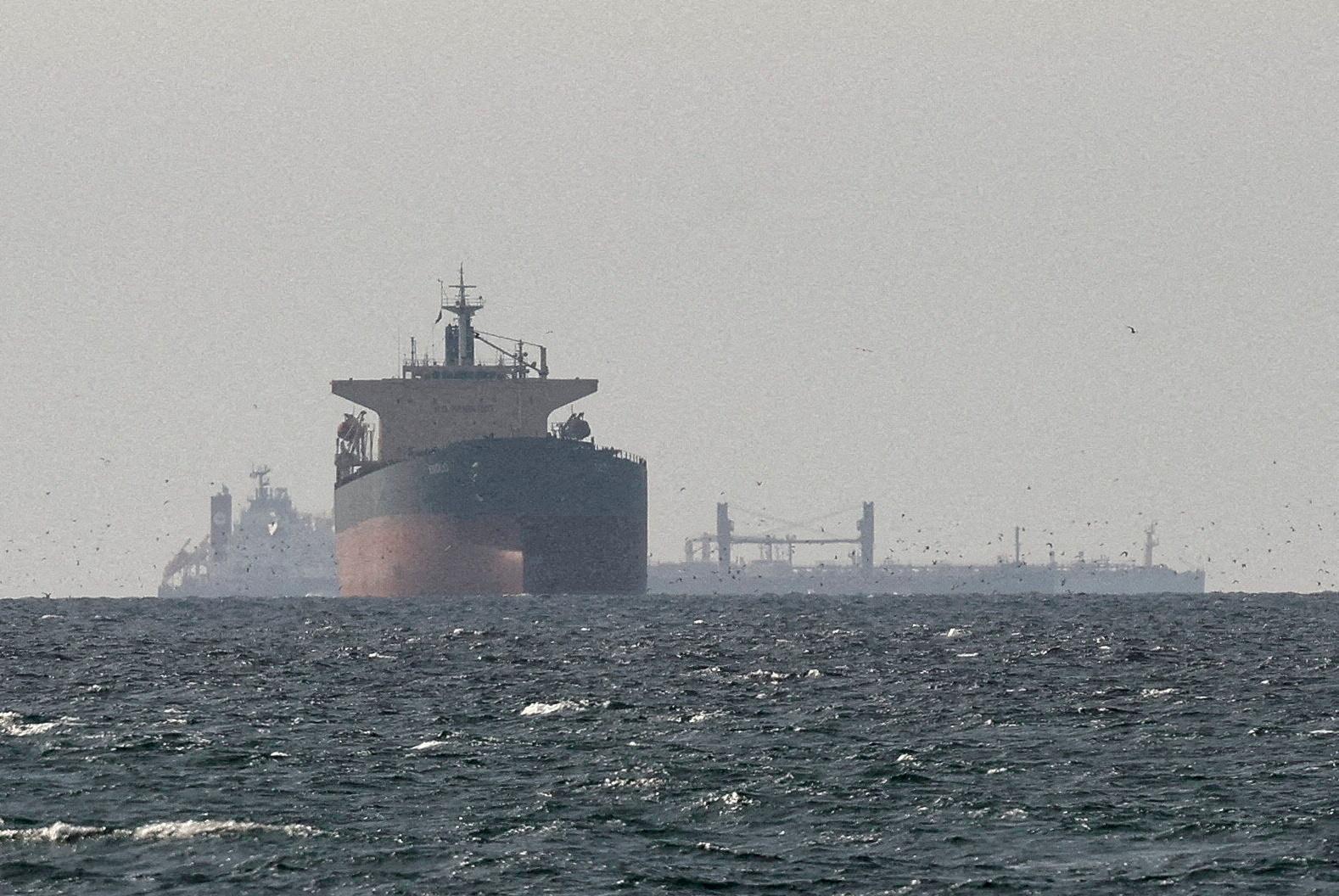
Iran oil tankers have become a focal point of tension in recent geopolitical developments, especially in light of the recent US Navy blockade. On Tuesday, two oil tankers departing from Iran were intercepted by a US Navy destroyer, a direct consequence of President Trump’s strategy to pressure Tehran. The intercept occurred while the vessels were en route to Chabahar port in the Gulf of Oman, as military actions aimed at disrupting Iran’s oil exports intensify. This operation underscores the broader context of oil tanker interception, where the safety and legality of shipping routes are increasingly scrutinized. As the situation unfolds, Gulf of Oman news continuously highlights how these maritime engagements are shaping global energy dynamics.
The movement of Iranian oil shipments navigates a complex landscape of international maritime law and military oversight. The recent interception of these vessels by US forces marks a significant escalation in strategic maritime operations in the region. The ongoing military maneuvers not only aim to enforce economic sanctions but also reflect broader tensions surrounding Chabahar port shipping initiatives. Additionally, these incidents draw attention to the broader implications of regional security, where oil tanker interceptions serve as a barometer of heightened national interests. As the complexities of international relations unfold, the focus on oil transportation routes from Iran will likely continue to evolve.
Iran Oil Tankers: Navigating New Challenges
The recent US Navy blockade has introduced a wave of challenges for Iran’s oil tankers, particularly as two vessels were intercepted attempting to leave Iranian waters bound for Chabahar port. The strategic location of Chabahar in the Gulf of Oman represents a critical point for shipping routes in the region. With President Trump’s policy shift, the complexities surrounding oil transportation have intensified, particularly for Iran, a nation that heavily relies on its oil exports to support its economy.
Reports indicate that at least seven Iranian-linked vessels navigated through the strait following the commencement of the blockade. This situation underscores the ongoing tension between Iran and the United States, as naval encounters such as these signify a heightened military presence in the Gulf of Oman. Experts, including Noam Raydan from The Washington Institute for Near East Policy, stress the uncertainties surrounding the effectiveness of this blockade on oil tanker operations.
The Impact of the US Navy Blockade on Global Oil Supply
The US Navy blockade not only impacts Iran’s ability to export oil but also has broader implications for global oil supply and market stability. With the interception of Iranian oil tankers, analysts are watching closely how this could potentially disrupt global oil prices and supply chains. Such actions serve as a warning to other nations that rely on oil imports from the region, and responses might vary, causing ripples through international markets.
Furthermore, the blockade might prompt Iran to adapt its shipping methods, potentially leading to increased incidents of oil tanker interceptions. As noted, some vessels have taken to disabling their tracking systems to avoid detection. This evasive tactic complicates monitoring efforts and emphasizes the ongoing cat-and-mouse dynamic between the US military and Iranian shipping interests in the Gulf.
Chabahar Port: A Gateway for Iranian Exports
Chabahar port is emerging as a vital hub for Iranian exports, especially in the face of heightened military tensions and US sanctions. Positioned strategically along the Gulf of Oman, the port serves as a key logistical point for shipping and trade, allowing Iran to maintain some level of oil exportation despite international pressures. With ongoing geopolitical strife, the port’s significance is only expected to grow, underscoring its role in Iran’s economic strategy.
Despite the challenges posed by the blockade, Iran continues to explore ways to enhance the functionality of Chabahar port. The port aims to foster trade with countries in the region, bolstering economic ties even as they navigate stringent sanctions and military threats. This focus on regional partnerships may prove crucial for Iran in mitigating the adverse effects of these geopolitical conflicts.
Iran’s Military Actions and Oil Tanker Security
Iran’s military actions in the region have raised serious concerns regarding the safety and security of oil tankers traversing critical shipping lanes. As the US Navy escalates its presence in response to perceived threats, Iranian forces remain vigilant, often seen conducting drills and exercises to bolster their maritime capabilities. These developments serve to heighten tensions in the Gulf, making oil tankers increasingly vulnerable to military interventions.
The interplay between military maneuvers and oil shipping creates a precarious situation where vessels face increased risks. Shipowners and operators must navigate these dangers while seeking to maintain efficient logistics. With the potential for further encounters between US naval forces and Iranian ships, it is essential for those in the shipping industry to prioritize safety and contingency planning.
The Future of Oil Transportation in the Gulf of Oman
As geopolitical tensions persist, the future of oil transportation in the Gulf of Oman remains uncertain. With the US Navy blockading Iranian oil tanker routes, the shipping landscape is primed for significant changes. Stakeholders within the oil industry are exploring alternatives to mitigate the risks, including enhanced navigation technologies and more secure shipping routes, to adapt to an increasingly polarized environment.
The ongoing military and diplomatic dynamics will likely shape future contracts and trade agreements between Iran and other nations. Long-term implications may include shifts in market reliability and supply chain resilience as nations seek to ensure their energy security amid fluctuating geopolitical circumstances.
International Reactions to the Oil Blockade
The international community has been closely monitoring the US Navy blockade of Iranian oil tankers, with varying responses from different countries. Some nations support the sanctions imposed by the US as a measure to pressure Iran into compliance with international norms, while others decry the blockade as an infringement on sovereign shipping rights. This schism highlights the complex nature of global politics surrounding energy resources.
Moreover, the reactions from influential players like Russia and China could significantly influence Iran’s strategy moving forward. Both countries have shown interest in developing stronger ties with Iran, particularly in energy collaboration, indicating that while the US seeks to isolate Iran, there may be other avenues for economic and military support for Tehran.
Oil Sanctions: Historical Context and Their Impact
Sanctions on Iranian oil exports are not a new phenomenon; they have been a tool of international diplomacy for decades. Historically, these measures have aimed to curtail Iran’s nuclear ambitions and other military actions perceived as threats. The impact of such sanctions on the Iranian economy has varied, causing significant shifts in domestic policy and international relations.
The current blockade represents a recent chapter in a long history of sanctions that have sought to limit Iran’s oil revenue, a crucial aspect of its economy. This ongoing saga has sparked discussions regarding the potential for diplomatic resolutions aimed at achieving stability in the region while still addressing international security concerns.
The Role of Technology in Maritime Defense
The evolving landscape of maritime security has seen a rise in the use of technology to monitor and protect oil tankers in the Gulf of Oman. With tensions escalating, both military and civilian sectors are investing in advanced tracking systems, surveillance drones, and cybersecurity measures that aim to provide real-time updates on potential threats to shipping traffic. This technological arms race reflects the pressing need to safeguard vital maritime routes.
Moreover, the integration of cutting-edge technology into naval operations offers a new paradigm for strategic defense. Enhanced data analytics and machine learning capabilities enable timely responses to threats, allowing navies to adapt to rapidly changing circumstances within the Gulf. As oil tanker security becomes increasingly important, technology will play a pivotal role in ensuring the resilience of shipping operations in an unpredictable environment.
Global Oil Prices and Iran’s Economic Future
The fluctuations in global oil prices are intricately linked to geopolitical actions, particularly the recent US blockade targeting Iranian oil tankers. As visibility of Iranian oil exports declines due to military interception and heightened sanctions, international markets may react swiftly, driving prices up or down based on perceived supply shortages. This volatility places immense pressure on economies dependent on oil revenues, including Iran.
In the long term, Iran’s economic future hangs in the balance, heavily influenced by its ability to navigate these tumultuous waters. The nation must find innovative approaches to maintain a foothold in the energy sector, even amid sanctions and military threats. Exploring new markets and creating strategic partnerships may become essential strategies for Iran to ensure economic viability in an unpredictable global landscape.
Frequently Asked Questions
What recent events are surrounding Iran oil tankers in the Gulf of Oman?
Recently, two Iran oil tankers were intercepted by a US Navy destroyer while attempting to depart from Iran towards Chabahar port in the Gulf of Oman. This interception follows US President Trump’s announcement of a blockade intended to exert pressure on Tehran. The incident highlights ongoing tensions and military actions involving Iran’s naval operations.
| Key Points |
|---|
| A US Navy destroyer intercepted two oil tankers attempting to leave Iran on a Tuesday, coinciding with President Trump’s blockade announcement. |
| The oil tankers were headed for Chabahar port in the Gulf of Oman. |
| The US Navy destroyer communicated via radio, instructing the tankers to turn back, with unclear additional warnings issued. |
| This incident is part of a larger movement involving at least seven vessels linked to Iran that traveled through the strait post-blockade announcement. |
| Experts note uncertainty in the blockade’s effectiveness, especially as some Iran-linked ships disable tracking systems. |
| Hostilities have resulted in approximately 5,000 deaths, with US strikes impacting Iran’s military capabilities. |
Summary
Iran oil tankers have become a focal point of international tensions following recent military interventions by the United States. The interception of two Iranian oil tankers by a US Navy destroyer illustrates the escalating measures taken against Iranian maritime activities in response to geopolitical pressures. As a significant part of Iran’s oil export strategy, these tankers are now navigating through increasingly perilous waters due to stringent blockades and military engagements. The situation remains fluid, with continued scrutiny over the effectiveness of these interventions and their broader implications for regional stability, as analysts observe the ongoing conflicts stemming from these naval encounters.