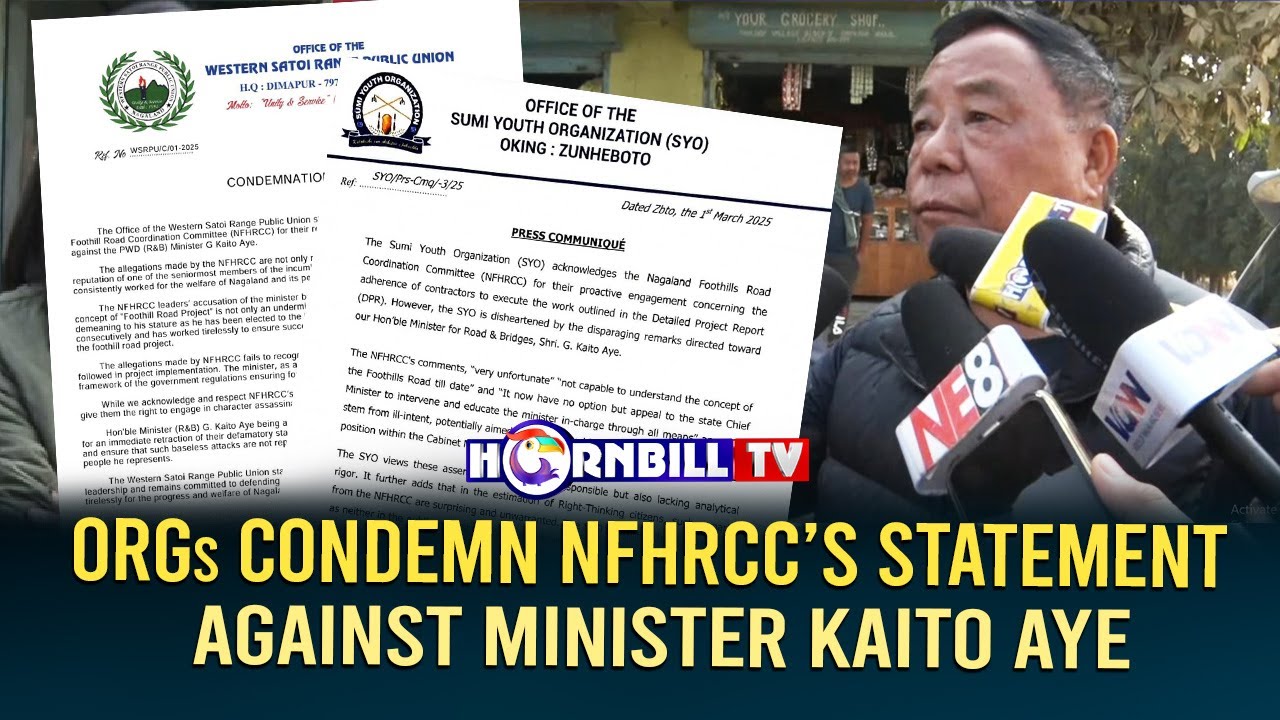
The NFHRCC Protest Postponement marks a crucial moment for Dimapur tribal organizations advocating for transparency and accountability in the Nagaland government’s foothill road construction project. Initially set to unfold on April 15, this protest aimed to highlight dissatisfaction with the progress of the Nagaland Foothills Road upgrade, as overseen by the PWD (R&B) Dimapur. In a consultative meeting held on April 14, the NFHRCC decided to temporarily halt the planned agitation at the urging of local tribal leaders, highlighting the importance of community consensus in such matters. The committee remains vigilant in its watchdog role, pushing for clarification around significant funding allocated for the project. This decision underlines a pivotal moment for Nagaland, as citizens seek assurance from their government regarding the effective management of public funds and infrastructure development.
In a significant update regarding the planned civil action by the NFHRCC, several tribal organizations based in Dimapur have chosen to defer their protest against the local PWD department. Originally scheduled for April 15, this demonstration aimed to bring attention to the delays surrounding the construction of the Nagaland Foothills Road. After discussions with tribal leaders on April 14, the NFHRCC opted for a postponement, recognizing the need for unity and further dialogue. This move reflects a strategic pause in the face of pressing community concerns over the management of substantial funds allocated for the ongoing infrastructure project. As the public watches closely, the NFHRCC has reiterated its commitment to maintaining oversight on the development initiatives that are vital for the region.
Postponement of NFHRCC Protest: What You Need to Know
The NFHRCC’s decision to postpone the protest scheduled for April 15, 2026, marks a significant turnaround in the ongoing dialogue between tribal organizations and the state government of Nagaland. Initially poised to bring attention to the concerns surrounding the PWD (R&B) Dimapur and the ongoing construction of the Nagaland Foothills Road, the postponement follows a consultative meeting involving various Dimapur tribal organizations. This interaction underscored a mutual desire for clarity regarding the funding and progress of the infrastructure project, leading to the decision to hold off on any agitation for the time being.
During the meeting at Hotel Saramati, community leaders emphasized the importance of a unified approach in addressing their demands to the Nagaland government. By postponing the protest, the NFHRCC aims to maintain a constructive dialogue with local authorities, rather than resorting to conflict. The organizations involved hope that this pause will facilitate better communication about the Revised Administrative Approval covering Rs 430.77 crore allocated for the foothills road construction, which is critical for improving connectivity in the region.
Understanding the Role of Dimapur Tribal Organizations in the Protest
Dimapur tribal organizations play a crucial role in advocating for the rights and needs of their communities, particularly regarding significant projects like the Nagaland Foothills Road. By organizing protests and public demonstrations, they seek to ensure that the government remains accountable for the proper implementation of infrastructure initiatives that can have lasting impacts on their livelihoods. The NFHRCC’s connection with these organizations illustrates a broader movement among tribal groups in Nagaland to demand transparency and efficiency from government projects.
Throughout the years, these tribal organizations have advocated for essential developments in the region, equipping their members with a voice in discussions about infrastructural progress. The collective power of these groups often amplifies their concerns, increasing pressure on state authorities to address issues like funding and implementation timelines for major projects such as the Nagaland Foothills Road. Their involvement in this process reflects the critical intersection of tribal rights, public welfare, and government accountability.
The Nagaland Foothills Road: A Project of Prominence
The Nagaland Foothills Road project is one of the most significant infrastructure initiatives in the region, designed to enhance connectivity and foster economic development. By transforming the existing route into a two-lane National Highway, the project aims to facilitate easier travel and transport between key areas within Nagaland. However, the bureaucratic complexities surrounding the project, including funding allocations and administrative approvals, have been a major source of tension for local communities.
The NFHRCC has emphasized the need for the Nagaland government to provide transparent updates regarding the construction process and the dedicated funds—approximately Rs 430.77 crore—that were earmarked for the second phase of this essential project. With tribal organizations rallying around this cause, the project’s success hinges on both governmental accountability and active community engagement. This collaborative approach is expected to drive forward the completion of the Nagaland Foothills Road, ultimately benefiting countless residents.
The Implications of Protest Postponement on Local Communities
The postponement of the NFHRCC protest has various implications for local communities in Dimapur. Firstly, it provides an opportunity for community leaders to engage with government officials in a less adversarial environment. This pause allows the NFHRCC to strategize thoughtfully about their objectives and to potentially address their concerns more effectively through dialogue. Furthermore, it reflects an understanding that peaceful negotiations may yield better results than immediate protests, especially when the aim is to clarify funds and other logistical details surrounding the foothills road project.
On the other hand, there’s a concern among community members that delaying their protest could diminish the urgency of their demands. Many local residents fear that without the protest’s momentum, the government may overlook the pressing need for updates on the Nagaland Foothills Road project and related funding. Therefore, it becomes essential for community leaders to balance their approach—assuring the public that their voices are still being heard while advocating for swift action from the government.
The Role of PWD (R&B) in Nagaland Foothills Road Development
The Public Works Department (PWD) Roads and Bridges Division in Dimapur plays a pivotal role in overseeing the construction and maintenance of vital road networks in Nagaland, including the Nagaland Foothills Road. This department is responsible for implementing government projects aimed at enhancing infrastructure, but it has faced scrutiny from the NFHRCC and local tribal organizations concerning the pace of development. Concerns include not only the technical aspects of construction but also transparency regarding the allocation of resources and compliance with the timelines set during project approvals.
The NFHRCC’s insistence on a clear explanation from the PWD regarding the management of the Rs 430.77 crore fund highlights the community’s demand for accountability in public service. As stakeholders in the project, the tribal organizations expect that the PWD will provide regular updates and allow them to engage in consultations about the road’s development trajectory. They believe that this collaboration will not only pave the way for effective project completion but also empower local voices in decision-making processes regarding Nagaland’s infrastructure.
Community Preparedness for Potential Protest Resumption
As the NFHRCC has urged the public to remain prepared for the possibility of resuming protests against the Nagaland government, this call speaks to the community’s commitment to hold authorities accountable. While the postponement indicates a momentary pause in agitation, it simultaneously prepares the ground for future mobilization should the government fail to address their concerns regarding the foothill road project. This proactive stance is a strategic response to ensure their voices continue to resonate in discussions surrounding development initiatives.
Maintaining public readiness means mobilizing community members, continuing to educate them about their rights, and informing them about the importance of infrastructure projects like the Nagaland Foothills Road. Furthermore, community meetings and discussions will likely continue to take place, fostering solidarity and collaboration among tribal organizations. This ongoing engagement serves as a reminder to the government that local aspirations and expectations are serious matters that warrant immediate attention.
Navigating Community Dialogues with the Nagaland Government
The relationship between tribal organizations and the Nagaland government is complex, often necessitating a careful navigation of dialogues to address significant concerns around projects like the Nagaland Foothills Road. The postponement of the NFHRCC protest illustrates a willingness to engage constructively with the government rather than resort to confrontation. This spirit of cooperation could lead to more fruitful discussions on critical issues such as funding allocation and road construction timelines.
Moreover, effective dialogue often encourages the government to respond more favorably to community demands. The NFHRCC’s emphasis on transparency in communication with the government aims to bridge the gap between officials and residents, fostering a climate of trust. As more local voices are included in the decision-making process, there is hope that community concerns will be appropriately addressed, leading to sustainable progress for the Nagaland Foothills Road project and other associated infrastructure initiatives.
The Significance of Public Accountability in Infrastructure Projects
Public accountability is vital in ensuring that government entities, such as the PWD, uphold their commitments regarding infrastructure initiatives like the Nagaland Foothills Road project. The NFHRCC’s demand for a clear explanation of how the allocated Rs 430.77 crore will be utilized serves as a crucial reminder of the community’s expectations from their leaders. Such transparency not only strengthens the relationship between the government and the public but also enhances the legitimacy of the infrastructure development processes.
When local communities are actively involved in monitoring and assessing governmental actions, it leads to a greater sense of ownership over projects that directly impact their lives. The call for public accountability, voiced by the NFHRCC and Dimapur tribal organizations, emphasizes the need for the state government to prioritize transparency to maintain public trust. This principle of accountability is foundational for successful collaboration between the state and its constituents, ultimately benefiting infrastructure development in Nagaland.
Future Prospects for Nagaland Foothills Road Development
Looking ahead, the future of the Nagaland Foothills Road development relies heavily on the effective management of community relations and governmental accountability. While the postponement of protests signifies a strategic approach from the NFHRCC, it also highlights the urgency of demands for clarification regarding the project’s funding and timeline. The ability to maintain open dialogues between tribal organizations and the government will be vital to ensure that the interests of the community are upheld as the project progresses.
Should the transitional cooperation model between local leaders and the government prove successful, it could pave the way for smoother implementation of not just the Nagaland Foothills Road but other infrastructure projects in the region as well. As stakeholders continue to advocate for transparency, there’s hope that the community’s participation in the decision-making process will lead to improved outcomes for development initiatives in the area, thereby enhancing the quality of life for the residents of Dimapur and beyond.
Frequently Asked Questions
What led to the NFHRCC Protest Postponement in Dimapur?
The NFHRCC Protest Postponement was the result of a consultative meeting with tribal organizations, where it was decided to temporarily halt the planned protest against the PWD (R&B) Dimapur, which was set to start on April 15, 2026.
Why is the NFHRCC concerned about the Nagaland foothills road construction?
The NFHRCC is concerned about the Nagaland foothills road construction due to the lack of clarity regarding the Revised Administrative Approval of Rs 430.77 crore allocated for the project. They aim to ensure transparency and accountability from the Nagaland government regarding the use of these funds.
What was the goal of the NFHRCC’s planned protest against the PWD (R&B) in Dimapur?
The goal of the NFHRCC’s planned protest against the PWD (R&B) in Dimapur was to demand accountability from the Nagaland government regarding the funding and progress of the Nagaland Foothills Road construction, which is crucial for the region’s infrastructure.
How will the NFHRCC’s protest impact the Nagaland government?
The NFHRCC’s protest is expected to raise public awareness about the issues surrounding the Nagaland foothills road construction and put pressure on the Nagaland government to address the concerns of the Dimapur tribal organizations.
What is the NFHRCC’s ‘watchdog’ role regarding the foothills road project?
The NFHRCC’s ‘watchdog’ role involves monitoring the proposed upgrade of the Nagaland Foothills Road to a two-lane National Highway and ensuring that the government remains accountable for the allocated funds and project progress.
What are the expectations of Dimapur tribal organizations regarding the NFHRCC’s protest postponement?
Dimapur tribal organizations expect that the postponement of the NFHRCC protest will lead to constructive dialogue with the Nagaland government, and they remain prepared to resume protest actions if their concerns regarding the foothills road project are not addressed.
What actions will the NFHRCC take after the postponement of the protest?
After the postponement of the protest, the NFHRCC plans to continue discussions with the Nagaland government to clarify the status of the Rs 430.77 crore funding for the foothills road project, while also keeping the public informed and prepared for potential future protests.
| Date | Event | Details |
|---|---|---|
| April 14, 2023 | Postponement of Protest | NFHRCC and tribal organizations decided to postpone the protest against the state government which was scheduled for April 15. |
| April 15, 2023 | Planned Protest | The protest was intended to involve picketing at Nagaland PWD (R&B) office. |
| April 14, 2023 | Consultative Meeting | Meeting held at Hotel Saramati led to the decision to postpone the protest. |
| Safety Measures | Continued Monitoring | NFHRCC to maintain a ‘watchdog’ role on the Nagaland Foothills Road project. |
| Future Preparedness | Public Appeal | NFHRCC urges the public to remain prepared for potential resumption of protests. |
Summary
The NFHRCC Protest Postponement signifies a notable shift in the planned actions of the Nagaland Foothills Road Coordination Committee amidst evolving discussions with state authorities. This decision, made during a consultative meeting with tribal organizations, not only highlights the committee’s proactive stance on monitoring the Nagaland Foothills Road project but also underlines the importance of public involvement and government accountability regarding the allocated funds. As the NFHRCC prepares for potential future actions, it emphasizes the need for transparency around the development and status of critical infrastructure projects in the region.