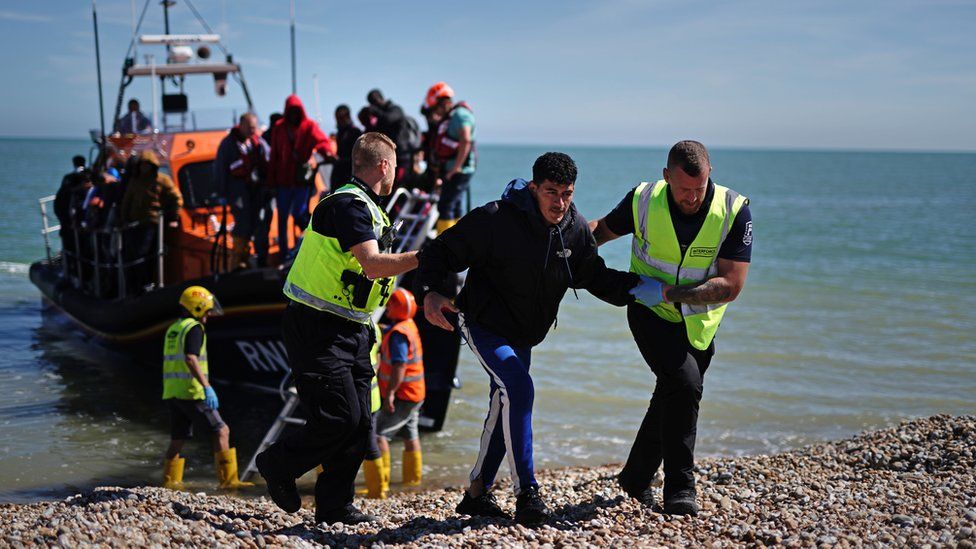
Pakistani Bangladeshi Migrants in the UK: The Surprising Truth Behind Their Claims
Pakistani Bangladeshi migrants in the UK often face dire circumstances, leading some to resort to desperate measures to gain asylum. In recent years, reports have surfaced indicating that many individuals from Pakistan and Bangladesh are masquerading as gay to navigate the complications of immigration law in the UK. This deceitful strategy stems from the harsh realities of living in countries where homosexuality is criminalized, leaving these migrants vulnerable and seeking refuge. With shocking fees charged by immigration advisors to fabricate these narratives, the plight of Pakistani migrants and Bangladeshi migrants highlights broader issues faced by the LGBTQ+ community. Such revelations underscore the urgent need for more compassionate policies for migrants in the UK, especially those fleeing persecution due to their sexual orientation, religion, or political beliefs.
The journey of individuals from South Asia seeking a new life in Britain is multifaceted and often fraught with challenges. Among these newcomers are individuals from Pakistan and Bangladesh, escaping oppressive environments characterized by severe restrictions on personal freedoms, particularly surrounding sexuality. As gay asylum seekers, they grapple with the stigma attached to their identities and the brutal realities in their home countries. Both Pakistan and Bangladesh continue to enforce laws that criminalize homosexuality, prompting various forms of persecution. Consequently, the experiences of these migrants reflect larger patterns of migration in the UK, emphasizing the critical need for reform and support for those who come seeking safety and acceptance.
Understanding the Experiences of Pakistani and Bangladeshi Migrants in the UK
The experiences of Pakistani and Bangladeshi migrants in the UK encompass a complex interplay of social, cultural, and legal factors. Many migrants flee their home countries to escape persecution and discrimination based on their sexual orientation, religious beliefs, or political views. In Pakistan and Bangladesh, homosexuality is punishable by law, which drives many individuals to seek asylum in more accepting environments, such as the UK. Unfortunately, this aspiration is often tainted by the alarming reality faced by these migrants—some have been reported to masquerade as gay as part of their asylum claims, as a strategic measure to secure their stay in the country.
The recent undercover investigation has shed light on a troubling trend where immigration consultants charge exorbitant fees for aiding individuals in fabricating their sexual orientation claims. This situation highlights not only the desperation of Pakistani and Bangladeshi migrants but also the exploitation they face within the asylum process. The dichotomy of seeking safety while potentially resorting to deceit reveals the harsh realities that many endure, making it imperative for policymakers and advocacy groups to address both the systemic issues within immigration procedures and the urgent needs of genuine asylum seekers.
Challenges Faced by Gay Asylum Seekers from Pakistan and Bangladesh
Gay asylum seekers from Pakistan and Bangladesh face numerous challenges upon their arrival in the UK. While they hope to find refuge in a country known for its progressive stance on LGBTQ+ rights, many confront cultural barriers, discrimination, and the stigma of deceit associated with their claims. The threat of being exposed can lead to immense psychological distress, further complicating their journey to establish a new life. Support networks and community groups are essential in assisting these individuals to navigate their new environment, yet they often battle their own traumas and fears of rejection.
Moreover, the legal process surrounding asylum can be grueling and filled with uncertainty. Pakistani and Bangladeshi gay asylum seekers often find themselves in vulnerable positions, having to justify their claims amidst a backdrop of skepticism from authorities. The public perception of their circumstances, compounded by misconceptions about homosexuality in their native countries, can lead to a lack of empathy and understanding. It is crucial for advocates to amplify their voices and share their stories, fostering an environment of acceptance and support for those fleeing persecution.
The Consequences of Misrepresentation in Asylum Claims
The recent reports concerning the misrepresentation of sexual orientation among Pakistani and Bangladeshi migrants seeking asylum highlight grave consequences for the integrity of the immigration system in the UK. When individuals falsely claim to be gay to obtain protection, it undermines the credibility of authentic asylum seekers who are genuinely fleeing persecution for their sexual identity. This creates a narrative that may confuse public opinion and lead to stricter regulations that ultimately affect those who genuinely seek refuge from violence and discrimination.
Furthermore, the exploitation of vulnerable migrants by unscrupulous immigration advisors perpetuates a cycle of fear and mistrust. Many migrants, driven by desperation, may feel compelled to engage in deceitful practices, yet it is imperative that they are educated about their rights and the potential repercussions of misrepresentation. Legal reforms aimed at protecting both the integrity of the asylum process and the welfare of genuine claimants are crucial to ensuring that those who are fleeing oppression can seek safety without resorting to falsehoods.
Advocacy for Pakistani and Bangladeshi LGBTQ+ Rights in the UK
Advocacy for the rights of Pakistani and Bangladeshi LGBTQ+ individuals is vital in the UK, particularly as these communities grapple with complex challenges related to asylum and cultural acceptance. Organizations focused on human rights are working tirelessly to ensure that migrants from these regions receive the necessary support and protection, while also emphasizing the need for a deeper understanding of the cultural and social dynamics at play. By raising awareness about the plight of these individuals, advocates aim to bridge the gap between their experiences and broader public consciousness.
Moreover, efforts are underway to improve the asylum application process for gay migrants, with a focus on training staff to handle cases with sensitivity and understanding. Educational campaigns designed to challenge misconceptions about homosexuality in Pakistan and Bangladesh are crucial in dismantling stigma and fostering inclusivity within the LGBTQ+ community in the UK. As the conversation around migrant rights evolves, it is essential that the voices of Pakistani and Bangladeshi gay asylum seekers are at the forefront, driving change and building support systems that cater to their unique needs.
Support Networks for Pakistani and Bangladeshi Migrants in the UK
Establishing robust support networks for Pakistani and Bangladeshi migrants in the UK is essential to facilitate their integration and well-being. Community organizations play a crucial role in providing services such as legal advice, emotional support, and resources tailored to the specific needs of gay asylum seekers. These networks serve as a safe haven where individuals can find solace in shared experiences and receive guidance on navigating the complexities of the asylum process.
Moreover, peer support initiatives can empower migrants by connecting them with individuals who have successfully transitioned to life in the UK. By fostering a sense of belonging and solidarity, these networks can help mitigate the feelings of isolation that many migrants experience. Additionally, advocacy efforts aimed at creating awareness within mainstream society are fundamental to building acceptance and understanding toward Pakistani and Bangladeshi LGBTQ+ individuals, thus enhancing their ability to thrive in their new environment.
Policy Recommendations for Supporting Asylum Seekers in the UK
In light of the distressing reports about Pakistani and Bangladeshi migrants misrepresenting their identities to secure asylum, it is vital to advocate for policy changes that enhance the integrity and compassion of the UK’s asylum process. Recommendations include improving training for asylum reviewers to recognize and sensitively assess claims related to sexual orientation, particularly among individuals from cultures where homosexuality is criminalized. This could help separate genuine asylum seekers from those engaging in deceit and ensure that every person’s unique experiences are considered.
Furthermore, implementing community-based assessment processes could provide asylum seekers with a platform to share their stories in a supportive environment, thus reducing the stigma associated with asylum seekers’ claims. Building partnerships with LGBTQ+ organizations will be key in refining these processes to be more inclusive and understanding of the cultural challenges faced by Pakistani and Bangladeshi migrants. Ultimately, these policy reforms can pave the way for a more humane and just asylum system that respects the dignity of every individual.
Cultural Barriers for Pakistani and Bangladeshi Migrants in the UK
Despite the relative acceptance of LGBTQ+ individuals in the UK, Pakistani and Bangladeshi migrants often confront significant cultural barriers that inhibit their integration. Traditional values and norms from their home countries may continue to influence their identities and interactions with the broader community, leading to internal conflicts and isolation. Many find themselves straddling two worlds: the desire to embrace their authentic selves in an accepting environment and the fear of rejection from both their cultures and their newfound communities.
Cultural stigmas surrounding homosexuality can perpetuate a cycle of silence and fear among LGBTQ+ migrants, preventing them from seeking the support they need. Addressing these cultural barriers requires concerted efforts from both migrant communities and advocacy groups to create inclusive spaces where these individuals can express themselves freely. Initiatives that promote understanding and dialogue between different cultural groups within the LGBTQ+ community are crucial for fostering acceptance and dismantling stereotypes.
The Role of Media in Highlighting the Plight of Migrants
The media plays a significant role in shaping public perception of Pakistani and Bangladeshi migrants seeking refuge in the UK. Investigative reports that unveil the complexities of their experiences, including the alarming trend of misrepresentation for asylum claims, can spark conversations about human rights, immigration reform, and the need for targeted support. Responsible journalism serves as a powerful tool for raising awareness and advocating for the rights and dignity of marginalized communities, particularly in the face of societal prejudice.
Furthermore, the portrayal of LGBTQ+ issues within the context of migration can influence public attitudes and promote empathy among wider audiences. By showcasing authentic stories of resilience and courage from Pakistani and Bangladeshi migrants, the media can challenge harmful stereotypes and foster a deeper understanding of the challenges these individuals face. It is imperative that journalists and media outlets continue to prioritize nuanced coverage that honors the dignity of all migrants, ultimately contributing to a more informed and compassionate society.
Frequently Asked Questions
Why are some Pakistani and Bangladeshi migrants in the UK pretending to be gay?
Many Pakistani and Bangladeshi migrants claim to be gay as a means to secure asylum in the UK due to the severe persecution faced by LGBTQ+ individuals in their home countries. Both nations criminalize homosexuality, leading some migrants to seek refuge by appealing for protection based on their sexual orientation. Reports indicate that immigration advisors may charge significant fees for these migrants to fabricate their sexual identity, exploiting the desperate circumstances surrounding migration from these regions.
| Key Points | Details |
|---|---|
| Migrants’ Actions | Pakistani and Bangladeshi migrants are pretending to be gay to secure asylum in the UK. |
| Motivation | They are allegedly charged large fees by immigration advisors for this deception. |
| Persecution Criteria | Claims arise from potential persecution related to sexual orientation, religious beliefs, or political views. |
Summary
Pakistani Bangladeshi migrants in the UK are facing profound challenges, prompting some to engage in drastic measures such as pretending to be gay to secure asylum. This troubling trend, where individuals from countries where homosexual relationships are illegal resort to fabricating their sexual orientation, highlights the complex social and legal dynamics surrounding migration. As immigrants navigate the treacherous waters of asylum applications, they face exploitation by unscrupulous advisors who charge exorbitant fees for facilitating these false claims. The urgency for systemic reforms in the UK immigration process is clear; it must address not only the needs of legitimate asylum seekers but also safeguard against manipulation by those exploiting vulnerable individuals seeking refuge.