

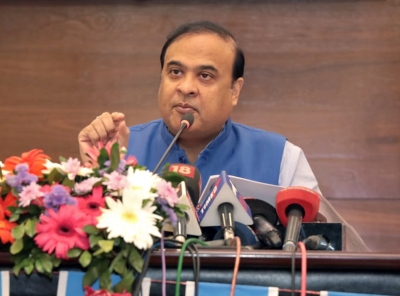
Assam CM Himanta Biswa Sarma has recently stirred the political landscape by challenging Rahul Gandhi’s call for an investigation into a contentious passport issue. Sarma’s provocative statement, “Show your passport first,” has ignited discussions around credibility and transparency in political debates. This exchange not only underscores the prevailing political tensions but also reflects the ongoing rivalry between the Assam Chief Minister and prominent figures like Gandhi. As the region grapples with various political controversies, Sarma’s remarks highlight his confidence in defending his political stance against criticisms. The implications of such statements extend beyond Assam, as they resonate within the broader narrative of Indian politics.
The Chief Minister of Assam, known for his assertive approach, has made headlines with his recent comments aimed at Rahul Gandhi regarding a passport controversy. This incident encapsulates the friction between political figures as they vie for influence in democratic discourse. Such exchanges illustrate the layers of scrutiny and demands for accountability that leaders face in the realm of governance. Moreover, the ongoing political debates are reflective of deeper societal issues that resonate beyond mere personal allegations, marking a significant moment in the political saga of India. Sarma’s bold challenge not only calls into question the integrity of his opponents but also reinforces his positioning as a formidable leader amid the turbulent political climate.
The Latest Political Tensions in India
In recent days, political tensions in India have escalated, particularly in the wake of Assam Chief Minister Himanta Biswa Sarma’s remarks aimed at Rahul Gandhi. This incident underscores the heightened scrutiny politicians face regarding their integrity and backgrounds. As allegations and counterclaims proliferate, the stakes in these political debates become increasingly high, drawing public attention and media coverage.
Gandhi’s demand for a probe into a passport controversy has not only put the spotlight on him but also intensified discussions around accountability among political leaders. Such situations often reflect deeper issues within Indian politics, where personal histories and transparency are frequently called into question. The public’s expectation for honesty from its leaders remains a crucial factor in an increasingly polarized political landscape.
Assam CM Himanta Biswa Sarma’s Response to Rahul Gandhi
Assam CM Himanta Biswa Sarma wasted no time in responding to Rahul Gandhi’s provocative request. By challenging Gandhi to present his passport before any calls for an investigation, Sarma ignited discussions about credibility and authenticity in politics. His words serve as a reminder that the scrutiny of political leaders extends to their backgrounds and personal circumstances, especially during contentious periods.
This exchange highlights a broader narrative in Indian politics, where figures like Sarma leverage such moments to solidify their positions. By framing his retort as an assertion of transparency, Sarma not only defends his own political stance but also attempts to undermine Gandhi’s calls for accountability. The outcome of this verbal sparring reflects the larger battle for public trust in leadership during politically charged debates.
Understanding the Passport Controversy
The passport controversy surrounding Rahul Gandhi raises important questions about transparency and the responsibilities of public officials. As discussions around this issue unfold, key politicians, including Assam’s CM, have taken the opportunity to frame their arguments. The public’s concern about how leaders manage their personal affairs, such as passports and travel, denotes a larger desire for transparency in governance.
This situation serves as a prime example of how personal controversies can intertwine with broader political narratives, affecting the way leaders are perceived. The secrecy surrounding personal documents often leads to speculation and debate, particularly amidst calls for accountability. As political figures like Sarma and Gandhi navigate this complex landscape, it becomes crucial for them to maintain credibility to effectively engage with an increasingly disillusioned electorate.
Political Debates and Their Impact on Public Perception
Political debates in India often reflect the complexities and nuances of leadership. The recent exchange between Assam CM Himanta Biswa Sarma and Rahul Gandhi exemplifies how political discourse can shape public perception. As politicians react to one another’s statements, they not only influence their own image but also the opinions of the electorate regarding their opponents.
Moreover, these debates are crucial in determining which issues resonate with the public. Whether it is a passport controversy or allegations of political misconduct, the responses of leaders can either fortify their positions or lead to critical backlash. The public’s reaction to such exchanges often plays a vital role in shaping the atmosphere of political engagement, especially as elections draw near.
Rahul Gandhi’s Political Journey and Recent Controversies
Rahul Gandhi’s political journey has been marked by various controversies, with the recent passport issue being the latest in a series of challenges. Throughout his career, he has faced scrutiny not only for his political decisions but also for his personal background. This current controversy serves to reignite discussions around his effectiveness and credibility as a leader.
The passport controversy is particularly significant as it raises questions about transparency and leadership in India. While Gandhi demands a probe, his critics, including Assam CM Himanta Biswa Sarma, seize the opportunity to question his integrity. Such exchanges fuel the ongoing debates in Indian politics, revealing the fragile nature of public trust in political figures.
The Role of Credibility in Political Leadership
Credibility plays a crucial role in shaping public trust in political leaders. In the case of Rahul Gandhi, the passport controversy has placed his credibility under intense scrutiny, prompting reactions from various political figures including Assam’s CM. As voters seek authenticity from their leaders, incidents that challenge the integrity of a politician can have lasting implications for their support.
For leaders like Himanta Biswa Sarma, capitalizing on such controversies can bolster their standing among constituents. By publicly questioning the integrity of political rivals, they not only defend their own reputations but also engage in a broader discussion about accountability within politics. As this matter unfolds, the audience’s perception of credibility remains central to the ongoing political discourse.
Media Coverage of Political Controversies
Media coverage plays a pivotal role in amplifying political controversies, such as the recent exchange between Assam CM Himanta Biswa Sarma and Rahul Gandhi. The way these events are reported can significantly influence public perception and understanding of the issues at hand. Journalists and news outlets often frame such controversies through different lenses, shaping the narratives that emerge.
As the media scrutinizes incidents like the passport controversy, they contribute to an evolving political landscape. Coverage can either reinforce or challenge public attitudes toward political leaders. In this instance, the sharp exchanges and differing viewpoints presented in various media outlets reflect the ongoing struggle for dominance in political narratives, highlighting the power of media in shaping public discourse.
Implications for Future Political Discourse
The implications of the current political tensions involving leaders like Assam’s CM Himanta Biswa Sarma and Rahul Gandhi extend beyond the immediate controversy. As political debates continue to evolve, they shape the expectations of voters regarding transparency and accountability. These exchanges might set precedents for how controversies will be handled in the future, influencing the strategies of political leaders.
Furthermore, as the electorate becomes more engaged and aware of such discussions, the demand for greater accountability among elected officials may grow stronger. This momentum could lead to a shift in how elections are contested, making issues of credibility and transparency central to political campaigns. Ultimately, the current political landscape suggests a future where such controversies could play a decisive role in shaping electoral outcomes.
The Relationship Between Politics and Public Accountability
The relationship between politics and public accountability is crucial in maintaining the trust of the electorate. Incidents like the passport controversy surrounding Rahul Gandhi reveal the interconnectedness of personal integrity and political performance. Leaders are expected to hold themselves to high standards, not only in their policy decisions but also in their personal affairs.
In this context, Assam CM Himanta Biswa Sarma’s retort exemplifies the ongoing dialogue around accountability in politics. By challenging Gandhi to demonstrate transparency about his passport, Sarma highlights the expectations voters have for their leaders. As public scrutiny intensifies, the necessity for accountability becomes more pronounced, suggesting that leaders must prioritize transparency to foster trust and confidence among their constituents.
Frequently Asked Questions
What did Assam CM Himanta Biswa Sarma say about Rahul Gandhi’s passport controversy?
Assam Chief Minister Himanta Biswa Sarma publicly ridiculed Rahul Gandhi’s request for a probe into a passport-related allegation, stating, ‘Before demanding a probe, Rahul Gandhi should first show his passport.’ This comment underscores the ongoing political tensions and debates in Indian politics.
How does the passport controversy relate to the political tensions in Assam?
The passport controversy involving Rahul Gandhi and Assam CM Himanta Biswa Sarma highlights significant political tensions in Assam and India at large, as Sarma’s remarks reflect a broader critique of political rivalries and the scrutiny politicians face regarding their backgrounds.
What are the implications of Assam CM Himanta Biswa Sarma’s comments on Rahul Gandhi?
Assam CM Himanta Biswa Sarma’s comments on Rahul Gandhi regarding the passport probe suggest a strategic political move to assert his position while simultaneously challenging Gandhi’s credibility, which adds layers to ongoing political debates surrounding leadership in India.
What role has political debates played in the interactions between Assam CM and Rahul Gandhi?
Political debates have significantly shaped the interaction between Assam CM Himanta Biswa Sarma and Rahul Gandhi, as their exchanges, particularly regarding the passport controversy, reflect the contentious and competitive nature of Indian politics amidst growing public scrutiny.
How does the current political climate in Assam affect leaders like Himanta Biswa Sarma and Rahul Gandhi?
The current political climate in Assam, marked by heightened tensions and debates, places leaders like Himanta Biswa Sarma and Rahul Gandhi under substantial public scrutiny, influencing their rhetoric and political strategies as they navigate challenges to their credibility and governance.
| Key Point | Details |
|---|---|
| Assam CM’s Response | Himanta Biswa Sarma ridiculed Rahul Gandhi’s demand for a probe. |
| Passport Comment | Sarma suggested Gandhi should show his own passport first before demanding an investigation. |
| Political Context | The comments reflect the ongoing tensions in Indian politics, particularly between Sarma and Gandhi. |
| Defense of State | Sarma’s remarks serve to defend his own political standing and position in Assam. |
| Critique of Gandhi | The statement is also a critique aimed at Gandhi’s political ambitions. |
Summary
The Assam CM’s sharp retort to Rahul Gandhi’s demand for a probe indicates not only a defense of his administration but also a critical view of Gandhi’s political credibility. This ongoing exchange between key political figures highlights the complexities and rivalries present in Assam’s political landscape, emphasizing the need for clarity and accountability from all involved.



























