

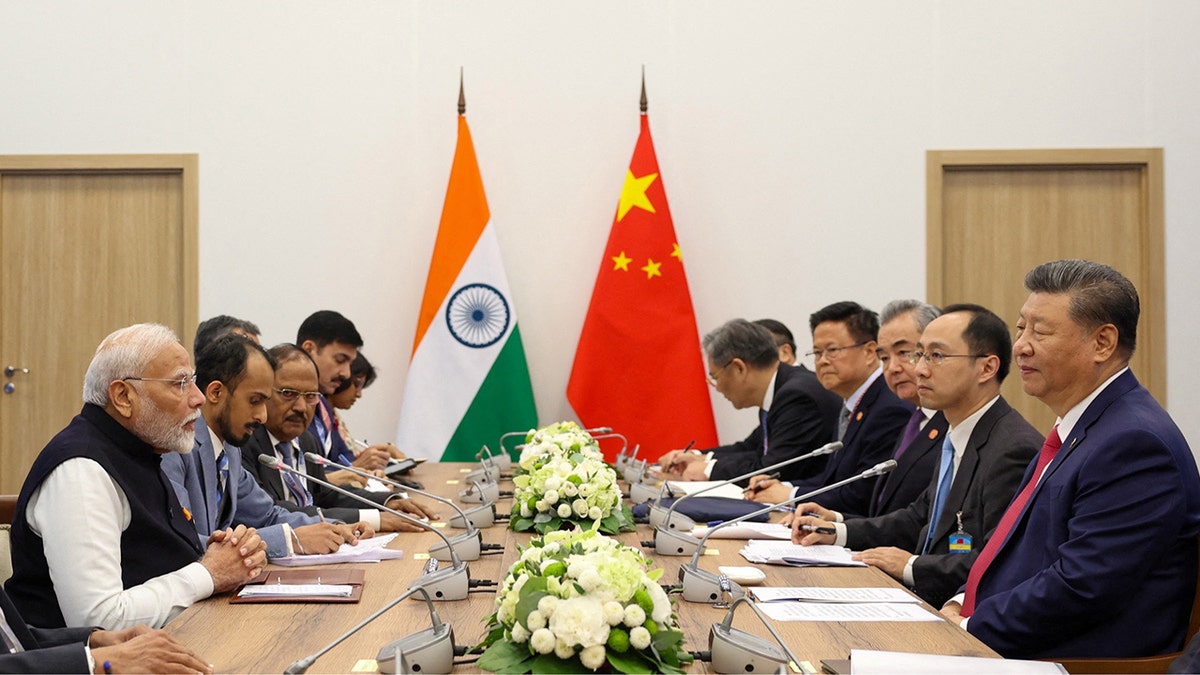
The China Arunachal Pradesh naming dispute has escalated tensions in China India relations, as China continues to assert its claim over the Arunachal Pradesh territory. Since 2017, China has been issuing fictitious names for various regions within Arunachal Pradesh, a move that has been met with staunch opposition from India. Authorities in New Delhi argue that this attempt to impose fabricated names on Indian land cannot alter the undeniable reality of India’s sovereignty over the region. As diplomatic discussions struggle to bridge the growing divide, this controversy sheds light on the broader complexities of India China border issues. The ongoing naming conflict not only complicates bilateral relations but also reveals the persistent challenges inherent in territorial disputes in this strategically significant area.
The ongoing dispute regarding the names assigned to regions in Arunachal Pradesh represents a significant point of contention in Sino-Indian relations. China’s recent actions to label parts of Arunachal Pradesh with alternative names showcase its ambitions in the disputed territory, raising concerns about India’s territorial integrity. This situation, often described as a clash over historical and contemporary narratives, feeds into larger India China border issues that have been a source of conflict for decades. As discussions continue between the two nations, the implications of these fictitious names could influence bilateral ties and regional stability. Understanding this geopolitical landscape requires an examination of the underlying historical tensions and the impact of these naming conventions on regional dynamics.
Understanding the China Arunachal Pradesh Naming Dispute
The naming dispute surrounding Arunachal Pradesh is a significant issue in China India relations. Since 2017, China has been actively publishing names for various regions within this Indian territory, which India has consistently opposed. Beijing’s attempts to assign these ‘fictitious names’ to Arunachal Pradesh not only challenge India’s sovereignty but also create unnecessary tensions in bilateral discussions. This ongoing naming controversy highlights the larger territorial disputes that exist along the India-China border, where historical claims and current geopolitical dynamics intersect.
India has firmly rejected China’s claim to renaming parts of Arunachal Pradesh, asserting that such actions do not alter the status of the territory, which is an integral part of India. The Indian government emphasizes the importance of maintaining its territorial integrity and underscores that these attempts by China could have broader implications for peace in the region. As both nations navigate complex diplomatic waters, this naming dispute serves as a critical test of their ability to resolve differences and foster cooperation in an increasingly interdependent world.
The Impact of Fictitious Names on India-China Relations
The assignment of fictitious names by China to regions in Arunachal Pradesh poses a significant challenge to India-China relations. India argues that these names are part of an ongoing effort by China to assert claims over Indian territory, thereby complicating any progress towards normalizing relations. Such unilateral actions by China not only aggravate historical grievances but also risk escalating border tensions. As both nations stand firm on their respective positions, these disputes can lead to formidable obstacles in diplomatic dialogues aimed at fostering peace and cooperation.
Furthermore, the use of fictitious names has implications beyond mere semantics; it contributes to a narrative that denies India’s historical and cultural ties to Arunachal Pradesh. By attempting to rewrite local geography through renaming, China may be perceived as undermining India’s national identity and rights. This could provoke nationalistic sentiments within India, making it increasingly difficult for Indian leaders to negotiate with China on other critical issues, including trade, climate change, and security. Thus, the dispute over fictitious names serves as a microcosm of the broader complexities in India-China relations.
Historical Context of the Arunachal Pradesh Border Dispute
The Arunachal Pradesh border dispute has its roots in colonial cartography and post-independence territorial negotiations. Historically, the region has been administered by India since 1947, yet China claims parts of it based on historical narratives that date back to the Qing dynasty. This historical context is crucial in understanding the current tensions, as both countries reference varying historical documents and maps to justify their claims. The overlapping narratives exacerbate mutual suspicions, making it significantly challenging to reach a consensus on territorial boundaries.
In the aftermath of the Sino-Indian war in 1962, the border conflict has remained a sensitive subject, with both parties unwilling to budge on their respective claims. The introduction of fictitious names by China serves to further complicate this fragile status quo, potentially destabilizing long-standing agreements like the ‘five principles of peaceful coexistence.’ Unless both nations confront their historical grievances and engage in constructive dialogue, the issues surrounding Arunachal Pradesh are likely to continue hampering overall China India relations.
China’s Justification for Renaming Arunachal Pradesh
China has defended its actions regarding the naming of regions in Arunachal Pradesh by claiming it is an effort to enhance local administration and cultural acknowledgment. The Chinese government suggests that these practices are in line with similar actions taken in other regions where they seek to assert historical and cultural claims. However, India views this rationale as a strategic maneuver, aimed at revising historical narratives to legitimize claims over internationally recognized Indian territory.
Furthermore, China emphasizes its commitment to improving relations with India despite the ongoing disputes over territorial rights. Such statements often promote a narrative of goodwill, appearing to reconcile the naming dispute with broader diplomatic objectives. However, India remains skeptical of these claims, asserting that the use of fictitious names undermines the foundation of bilateral trust and cooperation. This contention highlights the complexities of historical narratives intertwined with modern diplomatic relations.
The Role of International Perception in the Dispute
International perception plays a significant role in the Arunachal Pradesh naming dispute, influencing how both India and China navigate their foreign policies. Global responses to such territorial claims can affect bilateral negotiations and international alliances. India’s position is typically supported by Western countries who recognize its sovereignty, while China’s assertions are often framed as part of its historical legitimacy. This divergence in global perception can exacerbate tensions, prompting either side to adopt more hardened stances.
Moreover, the involvement of international organizations and third-party countries can either help mediate the disputes or exacerbate them, depending on their geopolitical interests. The naming issue surrounding Arunachal Pradesh is not merely an isolated dispute but is part of a larger mosaic of international relations where territorial claims seek to garner diplomatic legitimacy. Thus, navigating these perceptions is crucial for both India and China in their respective strategies to bolster regional influence.
Bilateral Agreements and Territorial Integrity
Bilateral agreements between India and China have historically revolved around the recognition and preservation of territorial integrity while addressing border issues. However, the ongoing naming dispute complicates these frameworks, as China’s actions challenge the established agreements regarding territorial claims. India emphasizes that any discussion on boundary resolution must be grounded in mutual respect for sovereignty and historically recognized borders. This ongoing conflict calls into question the validity and effectiveness of previous diplomatic endeavors to normalize relations.
India and China have engaged in numerous rounds of talks aimed at finding a resolution to border issues, but the persistence of actions like the imposition of fictitious names undermines these diplomatic efforts. The contradiction between verbal commitments and actual policies creates distrust, complicating the dialogue necessary for achieving a sustainable peace. Future agreements will need to take into account, not only the historical claims but also the modern realities on the ground — a task made increasingly challenging by ongoing disputes such as the naming controversy.
The Strategic Significance of Arunachal Pradesh
Arunachal Pradesh holds strategic significance in the context of China India border relations due to its geographical positioning and resources. The region acts as a buffer zone, separating the two nuclear powers and is crucial for India’s security policies as it shares a long border with China. Control over this territory is not just about asserting national pride but also about maintaining national security and regional influence in the face of rapid military developments by China.
Additionally, Arunachal Pradesh is rich in natural resources, including hydropower potential, which adds to its strategic appeal. Control over these resources is vital for regional development and energy security. This geopolitical importance underscores why any attempts by China to rename or assert claims over the territory are seen not merely as diplomatic posturing but as substantive threats to India’s territorial integrity and economic interests.
Challenges to Normalizing Diplomatic Relations
The naming dispute regarding Arunachal Pradesh is emblematic of broader challenges that impede the normalization of diplomatic relations between India and China. Despite official statements from both sides advocating for improved ties, underlying issues like territorial claims continually surface, complicating efforts to build trust. The continued publication of fictitious names not only stokes nationalistic fervor in India but also reflects a reluctance on the part of China to fully engage in sincere dialogue about these territorial disputes.
Furthermore, as each nation operates within different narrative frameworks, reconciling these varied perspectives poses a significant hurdle. China’s assertive foreign policy and India’s steadfastness regarding sovereignty create a cycle of mistrust that can undermine other forms of cooperation, such as trade and cultural exchange. To foster meaningful progress, both countries need to re-examine their approaches to contentious issues such as Arunachal Pradesh and prioritize dialogue over unilateral actions.
Potential Solutions for the Border Dispute
Finding a satisfactory solution to the Arunachal Pradesh border dispute requires a multifaceted approach that considers historical claims, contemporary realities, and future aspirations. Dialogue and negotiation should be at the forefront, with both nations committing to respecting each other’s territorial integrity. Initiating confidence-building measures, such as joint economic projects or cultural exchanges, could also help mitigate tensions and foster goodwill, paving the way for constructive discussions on boundary demarcation.
Additionally, seeking third-party mediation from neutral countries or international organizations may present a viable path towards resolution. This approach could alleviate some of the pressures and facilitate a more neutral atmosphere for negotiations, encouraging both India and China to approach the discussions with an open mind. Ultimately, the resolution of the Arunachal Pradesh naming dispute will require diplomatic persistence and a willingness to compromise, essential for nurturing sustainable peace in the region.
Frequently Asked Questions
What is the China Arunachal Pradesh naming dispute?
The China Arunachal Pradesh naming dispute refers to China’s practice of assigning new names to various regions within Indian territory of Arunachal Pradesh since 2017. India opposes these moves, labeling them as ‘fictitious names’ that do not alter the fact that Arunachal Pradesh is recognized as Indian territory.
How does the China Arunachal Pradesh naming dispute affect China India relations?
The China Arunachal Pradesh naming dispute complicates China India relations by creating tensions over territorial claims. While China insists on naming regions in Arunachal Pradesh, India firmly rejects these names, stating they do not change the historical and legal status of the territory.
What are some examples of fictitious names China uses for Arunachal Pradesh?
China has published various names for regions within Arunachal Pradesh, such as switching to a Chinese phonetic system for geographical locations. These names are labeled as ‘fictitious’ by India, which maintains that the territory belongs to India.
What is India’s stance on China’s naming of regions in Arunachal Pradesh?
India categorically rejects China’s naming of regions in Arunachal Pradesh, asserting that such attempts are baseless and do not affect India’s sovereignty over the territory. India emphasizes that this practice could undermine normalization efforts in China India relations.
How has China defended its naming policy in Arunachal Pradesh?
China defended its naming policy as part of its broader strategy to solidify its claims over the Arunachal Pradesh territory. On April 14, 2026, Chinese officials stated that their policy to improve relations with India remains unchanged despite India’s objections to the naming initiative.
Why does the China Arunachal Pradesh naming dispute matter?
The China Arunachal Pradesh naming dispute matters because it reflects deeper territorial and national identity issues between the two countries. It highlights ongoing tensions regarding the India China border issues and can impact diplomatic negotiations and efforts at normalization between China and India.
What are the broader implications of the China Arunachal Pradesh naming dispute for the region?
The broader implications of the China Arunachal Pradesh naming dispute include potential escalations in military posturing along the border, challenges in bilateral discussions between India and China, and the risk of aggravating regional stability in South Asia as both nations assert their territorial claims.
| Date | Event | China’s Stance | India’s Response |
|---|---|---|---|
| 2017 | China publishes names for regions in Arunachal Pradesh. | Defends naming policy; aims to improve ties with India. | Rejects China’s naming as ‘fictitious’; calls it a baseless narrative. |
| April 12, 2026 | India reaffirms its stance against China’s names. | Asserts that the naming does not change the reality of territorial claims. | |
| April 14, 2026 | China reiterates its policy on naming despite Indian objections. | Maintains that such actions are about strengthening relations. |
Summary
The China Arunachal Pradesh naming dispute remains a significant geopolitical tension between the two nations. China has been asserting control and assigning names to regions within Arunachal Pradesh since 2017, which India contests firmly. Despite ongoing disputes, China claims its actions are intended to foster better ties with India. However, India reiterates that these efforts are based on ‘fictitious names’ and do not alter the factual reality of its territorial integrity. The situation emphasizes the need for dialogue to resolve these ongoing tensions.



























