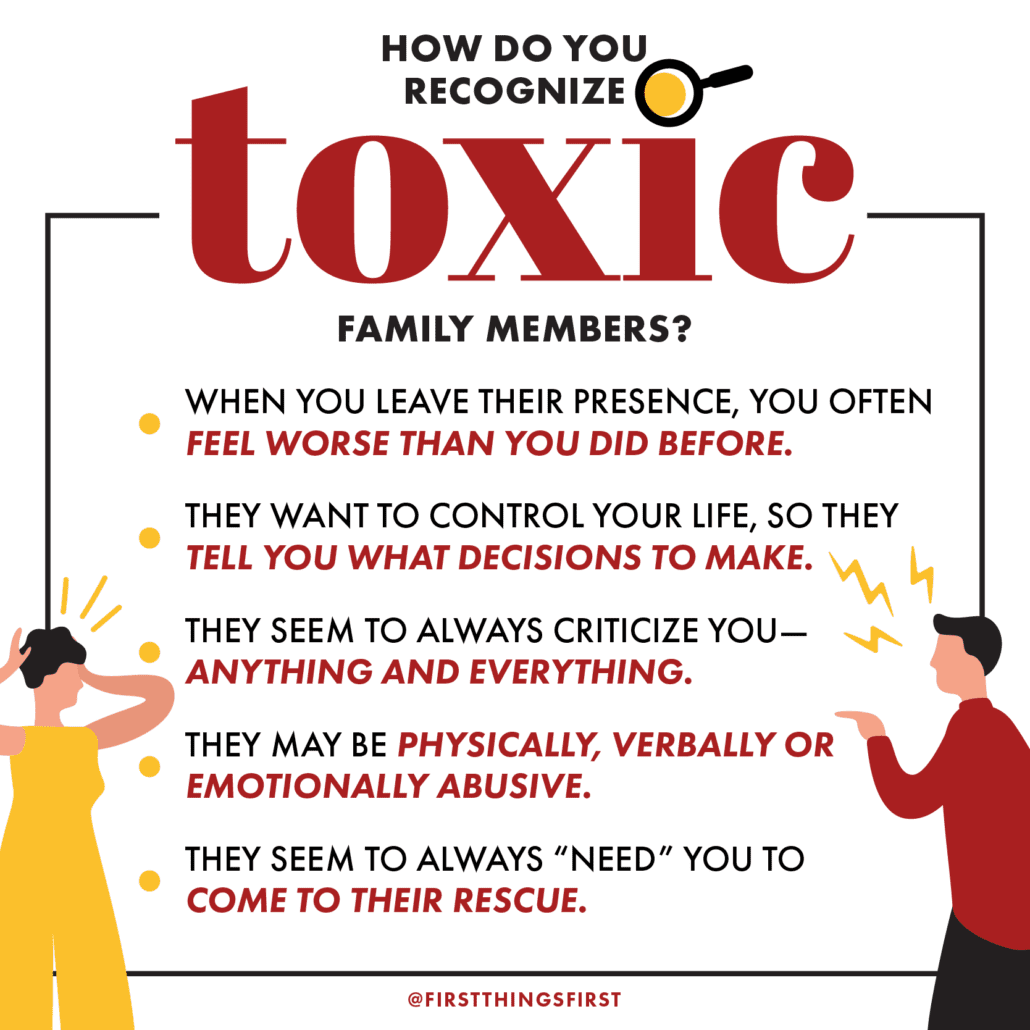
Dealing with toxic family members can be one of the most challenging aspects of maintaining personal well-being. From distant relatives to immediate kin, some family dynamics can be emotionally draining and undermine your mental peace. Gauranga Das, a respected monk and spiritual advisor, emphasizes the importance of setting boundaries with family as a vital step towards emotional strength. He suggests that you don’t need to prove anything or tolerate disrespect to preserve your relationships; instead, cultivate an atmosphere of self-respect and understanding. By employing intelligent responses and calmly addressing issues, you can transform how you handle family toxicity into a powerful tool for personal empowerment.
Navigating the complexities of dysfunctional family relationships often requires a nuanced approach. Managing negative interactions and harmful behaviors within your household can significantly impact your mental health and overall happiness. It’s crucial to recognize signs of unhealthy dynamics among relatives and to arm yourself with effective strategies for intervention. Whether it’s creating emotional distance or responding assertively to inappropriate remarks, developing awareness tools is key to addressing toxicity. By exploring various methods of interacting with challenging family members, you can reclaim your serenity and foster healthier bonds moving forward.
Understanding Toxic Family Dynamics
Toxic family dynamics can often stem from unresolved issues, patterns of behavior, and deeply rooted emotional wounds. These interactions, which can manifest as constant criticism, manipulation, or lack of support, create an environment that strains relationships and harms mental peace. It’s essential to recognize that such toxicity isn’t a reflection of your worth but rather a sign of underlying dysfunction. By understanding the behaviors of toxic family members, you empower yourself to approach situations with clarity and resilience. An awareness of these dynamics allows you to develop strategies for dealing with them effectively.
In Gauranga Das’s perspective, recognizing toxic behavior as a pattern rather than a personal attack is crucial. This understanding shifts the focus from personal blame to acknowledging dysfunctionality within family structures. By seeing these dynamics clearly, you can make informed decisions about when to engage and when to protect your emotional well-being. It reinforces the idea that your mental health should never be sacrificed to maintain familial ties, and equipping yourself with knowledge about these dynamics is the first step toward setting necessary boundaries.
Setting Boundaries with Family
Setting boundaries with family is a nuanced yet essential skill in navigating toxic relationships. Establishing these boundaries signifies a commitment to self-respect and emotional strength. It allows you to define how much you are willing to tolerate and accept from family members. Gauranga Das emphasizes that it’s not an act of arrogance but a necessary step for self-preservation. When you communicate your boundaries clearly and confidently, you assert your needs in a relationship that may be otherwise unbalanced.
Boundaries can take many forms, whether it’s limiting the time spent with a toxic relative or clearly expressing when certain topics are off-limits. By doing so, you send a message that you value your peace of mind over engaging in harmful exchanges. This proactive approach not only protects you but can also lead to healthier interactions with family members as they begin to recognize and respect your limits. Remember, setting boundaries is an act of love towards yourself and is crucial for maintaining emotional well-being.
How to Handle Family Toxicity
Handling family toxicity requires a combination of assertion and emotional intelligence. Gauranga Das offers practical advice for those facing challenging family relationships. One effective strategy is to respond to negative remarks with unexpected acceptance, as he suggests when someone implies you are incapable of success. By calmly agreeing and deflecting the negativity, you take away their power and can shift the conversation away from confrontation. This approach not only safeguards your self-esteem but also teaches toxic family members that their words do not dictate your reality.
Additionally, when faced with unsolicited advice, a productive response can transform the dynamic. Asking for assistance instead of engaging in a debate can often lead to silence from those who thrive on criticism. This technique encourages respect and diminishes the frequency of unsolicited input. In transforming interactions in this way, family members may think twice before overstepping their boundaries, thus nurturing a more respectful and healthier family environment.
Building Emotional Strength Against Toxicity
Building emotional strength is crucial for those dealing with toxic family members. This strength enables you to withstand negativity and respond appropriately without sacrificing your well-being. Gauranga Das highlights the significance of addressing issues directly, which can often disarm those who thrive on emotional manipulation. By addressing toxic behavior head-on and refusing to engage in passive acceptance, you empower yourself to create healthier interactions.
Moreover, emotional strength is cultivated through self-awareness and mindfulness. Taking the time to understand your emotions and reactions can help you respond rather than react impulsively in difficult situations. Techniques such as journaling, meditation, or talking to a therapist can build this strength over time. By developing emotional resilience, you prepare yourself to face toxic challenges with confidence, reinforcing your ability to maintain peace in your relationships.
The Role of Communication in Family Relationships
Effective communication is the backbone of healthy family relationships, and this is even more critical when dealing with toxic family members. Gauranga Das advises that clarity and calmness in your expressions can significantly influence outcomes. Rather than engaging in heated arguments, focusing on polite yet assertive communication can prevent escalation and pave the way for more constructive dialogue. When you articulate your feelings and boundaries with respect, you encourage a more open and understanding environment.
In addition, a mindful communication strategy helps in mitigating misunderstandings that often fuel family toxicity. When family members feel heard and respected, there is a better chance of achieving mutual understanding. Implementing active listening techniques—like paraphrasing what others say before responding—can further enhance the effectiveness of your interactions. Ultimately, fostering strong communication habits can lead to improved dynamics and a reduction in toxic encounters.
Seeking Support for Dealing with Family Toxicity
Navigating toxic family relationships can be challenging, and seeking support is a vital component of maintaining mental health. Gauranga Das emphasizes the importance of surrounding yourself with positive influences, whether friends who understand your struggles or support groups that empower you. Connecting with others can provide solace and strength, reminding you that you are not alone in facing familial challenges. Sharing experiences allows for insights that can enhance your strategies in handling difficult situations.
Furthermore, consulting with a therapist or counselor can offer invaluable tools and coping mechanisms tailored to your personal experience. Professional support can help you untangle complex feelings associated with toxic family dynamics and guide you in setting effective boundaries. By investing in your mental wellness through these channels, you can build a stronger foundation for facing family toxicity confidently and compassionately.
The Importance of Self-Respect in Family Dynamics
Self-respect is fundamental in navigating family dynamics, especially when faced with toxicity. As Gauranga Das underscores, your worth should never be dictated by familial carelessness or negativity. Standing firm in your value not only protects your mental health but also sets a standard for how you wish to be treated. By prioritizing self-respect, you create an environment where toxicity has no place, allowing for healthier interactions founded on mutual respect.
Cultivating self-respect involves recognizing your emotional needs and asserting them appropriately. This might mean choosing to disengage from conversations that threaten your dignity or actively confronting disrespectful behavior when it occurs. By doing so, you model the behavior you wish to see among family members. Ultimately, prioritizing self-respect is an act of self-love and enables you to foster healthier family dynamics.
Recognizing Your Triggers in Family Interactions
Understanding your triggers is a significant step in managing interactions with toxic family members. Recognizing which behaviors, phrases, or situations provoke a negative emotional response allows you to prepare yourself for difficult conversations. Gauranga Das highlights the importance of this self-awareness, as it enables you to react thoughtfully rather than impulsively. Awareness of your triggers helps you craft responses that protect your mental peace.
Once you identify your triggers, you can develop coping strategies to employ when faced with toxicity. This might include taking deep breaths before responding, leaving a situation temporarily to regain composure, or utilizing specific phrases to de-escalate tension. By proactively addressing your triggers, you empower yourself to engage more peacefully with family members while minimizing the impact of their toxic behaviors.
Practicing Forgiveness in Toxic Family Relationships
Forgiveness plays a crucial role in healing from toxic family relationships, even when it seems difficult. Gauranga Das emphasizes that forgiving does not mean condoning toxic behavior, but it allows you to release the burden of resentment that weighs heavily on your emotional health. Practicing forgiveness can create space for personal growth and emotional freedom, allowing you to move forward without being tethered to past grievances.
Moreover, forgiveness can be a transformative act that shifts the family dynamic over time. By letting go of bitterness, you can engage more positively with family members while setting clear boundaries. This doesn’t mean you need to restore relationships to their previous state, but it does help in releasing negative energy that can linger in family interactions. Ultimately, practicing forgiveness can help you retain peace in your heart, despite the challenges present in family dynamics.
Frequently Asked Questions
How can I effectively set boundaries with family members who display toxic behavior?
Setting boundaries with family is essential for maintaining your mental health and well-being. According to Gauranga Das, you should calmly express your feelings when toxic family dynamics arise. Politely address disrespectful comments and assert your self-respect by saying things like, ‘Uncle, why are you speaking like this?’ This communication reinforces your emotional strength and clearly outlines what you will or will not tolerate.
| Key Point | Description |
|---|---|
| 1. Agree to Disarm | When confronted with negative comments, simply agree and show calmness to defuse the situation. |
| 2. Turn Advice into Action | Respond to unsolicited advice by asking for help or assistance, redirecting the conversation. |
| 3. Address Behavior Directly | Politely call out disrespectful behavior to establish boundaries and protect your self-respect. |
Summary
Dealing with toxic family members can often feel daunting, but it is essential for maintaining your mental peace and emotional health. Gauranga Das offers insightful strategies that help fortify personal boundaries while navigating familial relationships. By responding calmly to negativity, redirecting unsolicited advice into requests for help, and directly addressing disrespectful behavior, you can reclaim your self-respect and foster healthier interactions within your family. Remember, setting boundaries is not a sign of weakness; rather, it is an act of emotional strength and self-care. Ultimately, your mental peace is paramount, and learning to manage toxicity, regardless of familial ties, is vital for your overall well-being.