

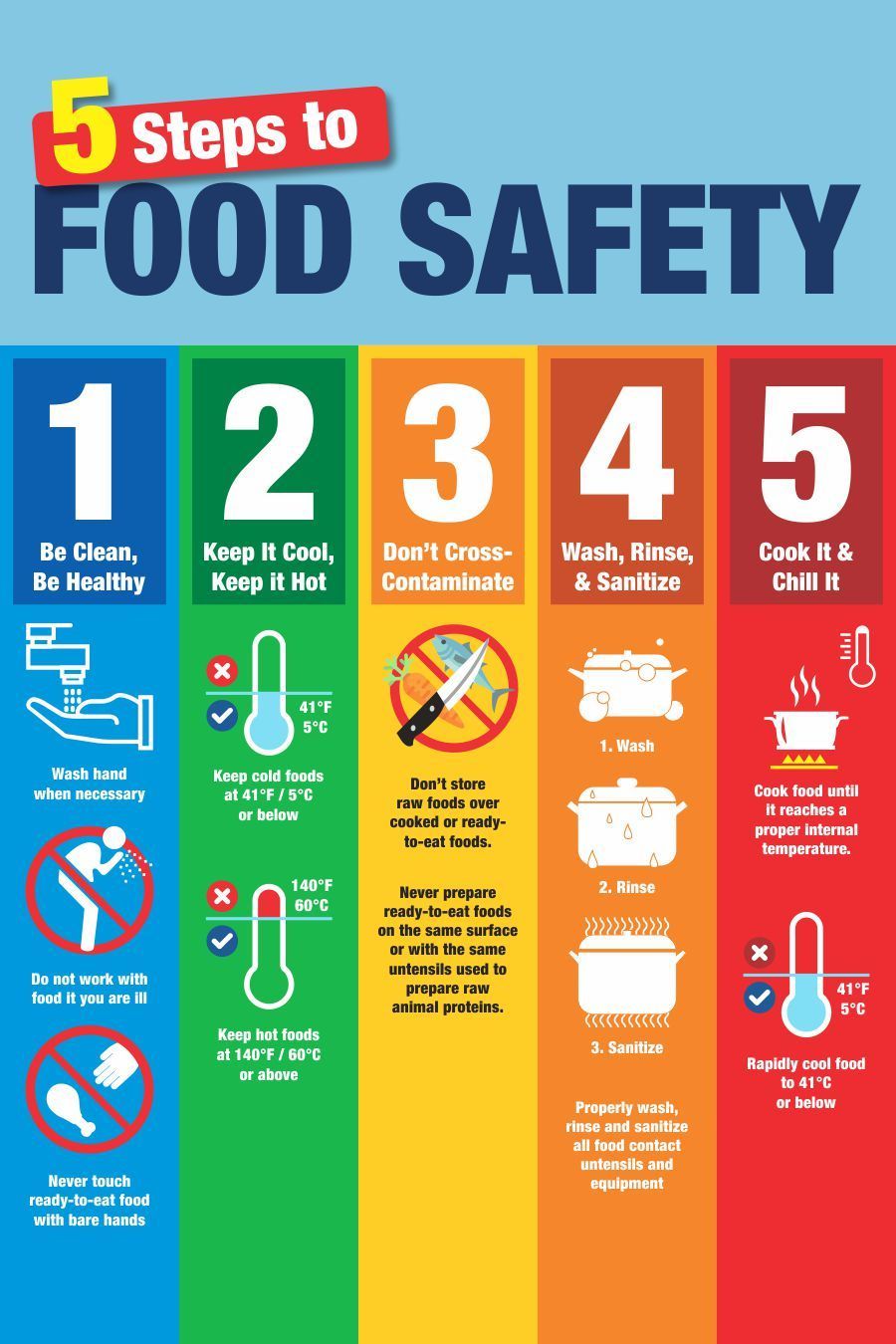
Food safety is of paramount importance in our kitchens, especially when it comes to preserving leftovers. Proper leftover storage techniques can significantly reduce the risk of harmful bacteria growth, which can lead to foodborne illnesses. Experts recommend cooling leftovers quickly by using shallow dishes, as they provide a larger surface area that promotes faster refrigeration practices. Keeping your food safe from temperature abuse is crucial; transferring hot meals into shallow containers allows them to cool rapidly from 140°F to 40°F. By implementing these simple strategies, you ensure that your delicious homemade meals remain both safe and healthy for you and your family.
Ensuring the safety of our edibles in the kitchen is essential to preventing health issues associated with improper storage. Alternative methods for preserving cooked food, often overlooked, play a vital role in maintaining its freshness and preventing spoilage. Utilizing techniques like effective cooling strategies contributes to minimizing risks of bacterial infections that thrive in warm environments. By understanding the importance of maximizing air circulation and choosing appropriate containers, we can enhance our culinary safety practices. These fundamental principles are crucial for anyone looking to maintain both the quality and safety of their meals.
The Importance of Food Safety in Leftover Storage
Food safety is a paramount concern in every kitchen, especially when it comes to storing leftovers. Failing to adhere to proper food safety practices can lead to the growth of harmful bacteria, jeopardizing the health of your household. After cooking a hearty dish, such as a pot of chili or soup, it’s essential to consider how the leftovers are stored. Many people make the common mistake of placing hot food directly into deep containers, which can trap heat and create an environment conducive to bacteria growth. By allowing leftovers to cool rapidly and safely, you can significantly reduce the risk of food-borne illnesses, ensuring that your culinary creations remain both delicious and safe to eat.
To maintain optimal food safety, it is crucial to understand the temperature danger zone, which lies between 40°F and 140°F. When food is stored improperly, it can remain in this zone for too long, encouraging bacteria such as Salmonella and E. coli to flourish. To prevent this issue, experts recommend cooling leftovers quickly, ideally within two hours of cooking. Utilizing shallow dishes allows for more surface area exposure, which leads to quicker cooling. This simple yet effective tip can help safeguard your family’s health by minimizing the growth of harmful microorganisms.
Cooling Leftovers with Shallow Dishes: A Practical Guide
When it comes to cooling leftovers, the shape and depth of the container can make a considerable difference. Shallow dishes are your best ally in this task. They allow heat to disperse rapidly, reducing the temperature of the food efficiently. Unlike deep containers which retain heat and slow down the cooling process, shallow dishes spread the food out, making it easier for the refrigeration system to lower the temperature quickly. This strategy not only enhances food safety but also preserves the quality of your leftovers, preventing them from developing unwanted flavors or textures.
In addition to choosing the right kind of dish, it’s important to remember that leftover storage isn’t just about the dishes themselves but also about how they’re arranged in the refrigerator. Optimal air circulation is vital. By ensuring that shallow containers are spread out and not overcrowded, cold air can move freely around them, enhancing the cooling process even further. This allows your fridge to do its job effectively, keeping your leftover meals fresh and safe from harmful bacteria. Implementing these cooling practices can significantly improve your food safety efforts at home.
Refrigeration Practices to Keep Food Safe
Good refrigeration practices are essential for maintaining food safety, particularly for home chefs who often deal with large batches of food. Professional kitchens typically follow strict guidelines to ensure that food is cooled and stored safely. One of the primary techniques they use is ensuring that all containers have ample space in the refrigerator for air circulation. In home environments, this can be a challenge, as it’s easy to overcrowd the fridge. When containers are tightly packed, air circulation becomes restricted, leading to uneven cooling and prolonging the time food spends in the danger zone.
To emulate the professional practices at home, consider arranging your refrigerator so that no container obstructs the airflow. Avoid filling shelves to capacity, and if necessary, rotate containers to ensure proper cooling. For instance, placing older dishes at the front can help ensure they are consumed first, avoiding spoilage. Additionally, regularly checking the temperature settings of your refrigerator can help maintain a safe environment for food storage, keeping your family safe from food-borne illnesses.
Best Practices for Cooling Leftover Foods
Mastering the cooling process for leftover foods is essential for effective food safety management. The practice of cooling foods in shallow dishes is a significant improvement that any home cook can adopt. By spreading out the food over a larger surface area, you are facilitating faster heat dissipation. It’s advisable to transfer leftovers into shallow containers instead of letting them cool in deep pots, which can trap heat. This crucial step is often overlooked but can dramatically reduce the time it takes for foods to cool down to a safe temperature.
Moreover, once your leftovers are in shallow dishes, try to avoid stacking them within the fridge. Instead, arrange them on different shelves to make sure that cold air can circulate efficiently around each item. Utilizing a thermometer can further aid in ensuring that the refrigerator stays at or below 40°F, which is the safe standard for leftover storage. Following these best practices will contribute to not only preserving the quality of your leftovers but also protecting your health.
Preventing Bacteria Growth in Leftovers
Bacteria growth is a primary concern when storing leftovers, particularly if proper cooling methods are not employed. The longer food remains in the temperature danger zone, the greater the risk of harmful bacteria multiplying. By following the practice of using shallow dishes for your leftovers, you are proactively taking steps to minimize this risk. This method can help cool down the food quickly, ensuring that it drops below that critical 140°F threshold within the recommended time frame.
Additionally, it’s wise to label and date your leftover containers, ensuring you know when they were stored. This practice not only helps in managing food inventory but also serves as a reminder of how long leftovers have been in the fridge. Consuming leftovers within three to four days is advisable to ensure both taste and food safety. By combining these strategies, you can significantly reduce the likelihood of bacteria growth and enjoy your homemade meals worry-free.
The Science Behind Shallow Dish Storage
Understanding the science behind the effectiveness of shallow dish storage is vital for any home cook. The principle is straightforward: a larger surface area allows for more efficient cooling. When hot food is placed in a deep container, the heat is centralized and can take significantly longer to dissipate compared to when it is spread out in a shallow dish. This not only ensures that food reaches safe temperatures quicker but also reduces the amount of time it spends in potentially dangerous temperature zones.
Furthermore, shallow containers can help retain the quality of your food. By cooling quickly, you minimize the risk of condensation forming, which can lead to soggy leftovers. Instead, you maintain the desired texture and taste of your meals. Thus, by implementing this simple yet effective food storage technique, you align food safety practices with culinary excellence, ensuring your leftovers are both safe and enjoyable.
Optimizing Refrigerator Space for Food Safety
Efficiently utilizing refrigerator space is key to maintaining food safety, especially when storing leftovers. A well-organized refrigerator not only aids cooling but also helps prevent cross-contamination, which can occur when foods are improperly stored. One of the first steps in optimizing refrigerator space is to store hot leftovers in shallow dishes and ensure they are placed in a manner that allows for unrestricted airflow. Avoid cramming containers into tight spaces, as this can lead to uneven cooling and a higher risk of bacterial growth.
In addition to proper arrangement, it is also beneficial to keep frequently used items at eye level and less commonly used items towards the back. This organization facilitates easier access and encourages better food management practices. Always recall that proper ventilation within the refrigerator is essential; it allows cool air to circulate freely, enhancing the cooling process of your leftovers. By adopting these refrigerator space optimization techniques, you not only improve food safety but also encourage a more efficient kitchen environment.
Essential Guidelines for Effective Leftover Management
Effective leftover management is crucial for both food safety and reducing waste. The foundation of this management lies in understanding how to properly cool, store, and consume leftovers. As noted, utilizing shallow containers significantly improves the cooling rate, which is the first step in ensuring food safety. Once cooled, leftovers should be promptly labeled with dates and stored in the refrigerator, allowing for easy identification and a clearer management timeline.
It’s essential to develop a routine for checking your refrigerator. Regularly inspecting the expiration dates and the quality of stored food items helps prevent food spoilage and waste. A good practice is to plan meals that incorporate leftovers, creating fresh dishes from what’s already prepared. This not only fosters creativity in the kitchen but also reinforces the importance of food safety and waste reduction.
Frequently Asked Questions
How can shallow dishes improve food safety when cooling leftovers?
Using shallow dishes for leftover storage significantly enhances food safety by increasing the surface area, allowing food to cool rapidly from 140°F to 40°F. This rapid cooling minimizes the risk of bacteria growth, which can occur in thick thermal masses. Events like family dinners often lead to large quantities of leftovers; ensuring proper refrigeration practices with shallow dishes helps prevent food-borne illnesses.
| Point | Details |
|---|---|
| Food Safety Risk | Storing hot leftovers in deep containers allows bacteria to thrive, increasing the risk of food-borne illnesses. |
| Cooling Method | Experts recommend using shallow dishes for leftovers to increase surface area for faster cooling from 140°F to 40°F. |
| Consequences of Improper Cooling | Letting food cool to room temperature in a thick thermal mass can lead to bacterial growth and food contamination. |
| Importance of Air Circulation | In a refrigerator, air circulation is crucial for effective cooling; avoid overcrowding to allow cold air to circulate around containers. |
Summary
Food safety should always be a top priority in any kitchen. Properly storing your leftovers is essential to prevent food-borne illnesses. By utilizing shallow dishes instead of deep containers, you can significantly reduce the risk of bacterial growth by allowing food to cool more quickly and evenly. This simple yet effective practice not only preserves the safety of your meals but also their taste, ensuring that your family can enjoy delicious and safe dishes from your kitchen. Remember, good refrigeration practices, including allowing space for air circulation, are crucial to maintaining the quality and safety of your food.



























