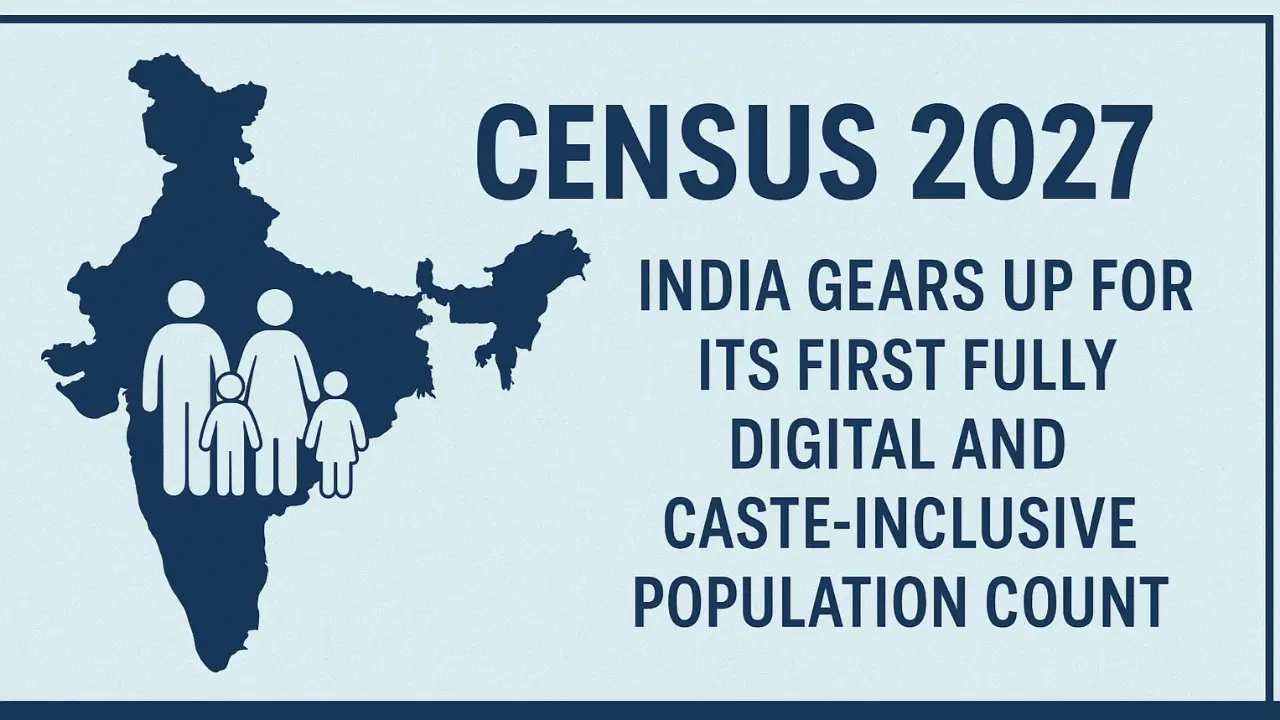
The Houselisting and Housing Census 2027 has officially commenced in Arunachal Pradesh, giving residents an invaluable opportunity to participate in this crucial national endeavor. From April 16, 2026, to April 30, 2026, households are encouraged to engage in self-enumeration, a method that allows residents to submit detailed information about their living conditions through digital platforms. This innovative approach not only streamlines housing data collection but also promotes active engagement from the community, ensuring a representation of accurate statistics. Following the self-enumeration period, trained enumerators will conduct door-to-door verification from May 1 to May 30, marking a pivotal phase in the Census 2027 updates. With the emphasis on digital census participation, the authorities have urged citizens to provide detailed insights into family composition and essential amenities, thereby enhancing the overall quality of the census data.
The 2027 Housing and Houselisting Census is set to reshape how demographic data is collected across Arunachal Pradesh, emphasizing self-reporting as a key component. As residents take advantage of this self-reporting initiative, they can share vital housing information ranging from dwelling conditions to family structure. This dual-phase process not only strengthens community involvement but also ensures that the data collected reflects the true circumstances of households. The subsequent field operations that follow, aimed at verifying self-reported data, highlight the importance of community effort in achieving accurate census outcomes. Through such methods, including digital engagement tools, the initiative seeks to foster a comprehensive understanding of housing demographics in the region.
Importance of Self-Enumeration in Arunachal Pradesh Census 2027
The self-enumeration phase of the Houselisting and Housing Census 2027 is a significant step towards enhancing participatory governance in Arunachal Pradesh. By enabling residents to provide their household information digitally, the initiative aims to streamline the process of data collection and ensure a more accurate reflection of the population dynamics in the state. This method not only fosters transparency but also empowers individuals to take part in national development efforts by allowing them to record their housing conditions and amenities available at their disposal.
Additionally, the self-enumeration phase promotes inclusivity, enabling every resident to contribute their voice to the census process. By participating in this digital initiative, citizens can share vital information regarding family structure and essential facilities such as sanitation and housing quality. This thorough data collection is essential for planning public services and infrastructure investments that cater to the actual needs of the community.
Houselisting and Housing Census 2027: A Technological Leap
The Houselisting and Housing Census 2027 is taking a significant technological leap with the incorporation of digital tools for data gathering. Through geo-tagging and digital mapping techniques, the process aims to improve the accuracy of census data while making it easier for citizens to engage in self-enumeration. This evolution towards a digital census participation reflects the government’s commitment to leveraging technology for efficient and accurate data collection.
Moreover, the self-enumeration phase is designed with user-friendly digital platforms that simplify the data entry process. By enabling residents to access these platforms, the initiative encourages higher participation rates and allows for immediate feedback and corrections if needed. This engagement not only contributes to more reliable housing data collection but also boosts community awareness regarding the census’s significance in achieving long-term developmental goals.
Understanding the Timeline for Census 2027 Updates
The timeline for the Houselisting and Housing Census updates is crucial to ensuring a successful census operation. The self-enumeration phase commenced on April 16, 2026, and continues until April 30, 2026, providing ample time for residents to submit their housing and demographic information. Following this phase, enumerators will embark on their door-to-door verification process from May 1 to May 30, 2026, solidifying the data collected through self-enumeration and identifying any discrepancies that may arise.
This carefully structured timeline not only facilitates a systematic census process but also helps in maintaining transparency and accountability throughout the operation. Each phase of the census is interconnected, ensuring that the updates gathered from self-enumeration are validated by on-ground enumerators, thus leading to a comprehensive dataset that accurately depicts the living conditions and demographic details of Arunachal Pradesh.
The Role of Chief Minister in Promoting Census Participation
Chief Minister Pema Khandu’s active involvement in the self-enumeration process is a testament to the importance of leadership in promoting community engagement for the Housing Census 2027. By completing his own enumeration digitally, the Chief Minister sets an example for citizens and demonstrates the ease of participation through technology. Such actions help demystify the process and encourage others to follow suit, thereby bolstering overall response rates.
His call for cooperation during the field surveys underlines the necessity of collective effort from the public to facilitate accurate data collection. By urging residents not only to participate in self-enumeration but also to assist enumerators, he highlights the vital role that every household plays in shaping the future development of Arunachal Pradesh through their contributions to the census.
Incentives for Digital Participation in Census 2027
As part of the ongoing efforts to encourage higher rates of digital participation in the Houselisting and Housing Census 2027, various incentives have been proposed by the state authorities. These could include awareness campaigns that elaborate on the benefits of self-enumeration, such as improved access to government services and resource allocation based on accurate demographic data. Emphasizing these advantages can motivate households to embrace the self-enumeration process.
Moreover, ensuring that the digital platforms are accessible and easy to navigate helps in attracting more users. Providing assistance or incentives for early participants could further enhance engagement rates. By leveraging technology and creating a compelling value proposition for residents, Arunachal Pradesh aims to achieve a comprehensive census that accurately reflects the housing landscape of the state.
Ensuring Data Accuracy Through Self-Enumeration
The accuracy of data collected during the self-enumeration phase is paramount for the success of the Houselisting and Housing Census 2027. To achieve this, it is crucial that residents provide complete and truthful information regarding their housing conditions and personal demographic details. The government’s outreach efforts, led by local authorities, emphasize the significance of accurate reporting in enabling effective decision-making and resource distribution.
Subsequently, the data gathered through self-enumeration will undergo verification by enumerators in the field, which serves as an additional layer of validation. This dual approach not only helps in identifying any errors or omissions in the self-reported data but also enhances the overall data integrity, crucial for successful policy planning and implementation.
Challenges Faced During Digital Census Participation
While the self-enumeration phase of the Houselisting and Housing Census 2027 offers numerous benefits, several challenges may impede digital participation. One significant concern is the digital divide; not all residents may have access to the necessary technology or internet connectivity to engage in self-enumeration. This discrepancy can lead to underrepresentation of certain demographic groups, skewing census results.
Additionally, variations in technological literacy among the population can hinder effective participation. Some individuals may find the digital platforms intimidating or difficult to navigate, potentially resulting in incomplete submissions. Addressing these challenges through targeted outreach programs and providing on-the-ground assistance during the self-enumeration phase are vital for achieving a comprehensive and accurate census data collection.
The Future of Census Data in Arunachal Pradesh
The implementation of digital methodologies in the Houselisting and Housing Census 2027 marks a transformative approach in how data will be collected and utilized in Arunachal Pradesh. The integration of technology paves the way for future census endeavors to adopt similar frameworks, ensuring efficiency and accuracy in data collection while accommodating the needs of a digital-savvy populace. This shift not only streamlines data processes but also aligns with contemporary trends toward digitization in governance.
Looking ahead, the data gathered from the 2027 census will play an instrumental role in shaping the state’s developmental policies and programs. By harnessing the power of accurate and comprehensive housing data, the government can devise strategic plans and service delivery mechanisms that cater specifically to the needs of various communities across Arunachal Pradesh. This forward-thinking approach to census data utilization is crucial for informed decision-making in the years to come.
Community Engagement and Awareness in Census 2027
Enhancing community engagement is critical for the success of the Houselisting and Housing Census 2027 in Arunachal Pradesh. Local authorities and community leaders have a vital role in raising awareness about the significance of self-enumeration and its impact on community development. By conducting outreach programs and workshops, communities can be informed about the benefits of accurate data collection and how it influences resource allocation and public services.
Moreover, the collaborative effort of local organizations and government bodies in educating residents about their participation rights fosters a sense of ownership within the community. This engagement not only encourages higher participation rates in census activities but also empowers citizens to voice their needs and aspirations, thereby strengthening the foundations of democratic governance in Arunachal Pradesh.
Frequently Asked Questions
What is the purpose of the Houselisting and Housing Census 2027 in Arunachal Pradesh?
The Houselisting and Housing Census 2027 aims to collect comprehensive housing data in Arunachal Pradesh, including details about family composition, housing conditions, and basic amenities within households. This initiative will facilitate effective planning and delivery of government services based on accurate demographic and housing data.
| Key Phase | Dates | Description | Participation Guidance |
|---|---|---|---|
| Self-Enumeration Phase | April 16, 2026 – April 30, 2026 | Residents submit household details through digital platforms. | Encourage accurate and complete information submission. |
| Field Operations | May 1, 2026 – May 30, 2026 | Enumerators will conduct door-to-door data collection. | Ensure cooperation with Census Enumerators. |
Summary
Houselisting and Housing Census 2027 marks a significant initiative to gather comprehensive data on households across Arunachal Pradesh. This process is divided into a self-enumeration phase, currently open until April 30, 2026, allowing residents to digitally submit their information on family composition and housing conditions. Following this period, enumerators will engage in field operations to verify and collect this data from May 1 to May 30, 2026. With the Chief Minister emphasizing citizen participation, the census aims to establish an accurate demographic profile crucial for policy planning and development. Active involvement from the community will enhance the efficiency and accuracy of the entire enumeration process.